
Asia’s Loudest Real-Estate Bet Is the Hotel You Already Book
Hotel deals jumped 55% from a year earlier in the second quarter. The money is going into scarce rooms buyers can rebrand, renovate, and reprice.
Office towers usually dominate Asia’s property headlines. This summer, hotels took the louder growth line.
Knight Frank, the global real-estate advisory firm, put Asia-Pacific hotel investment at $5.4 billion in the second quarter of 2026—up 55 percent from a year earlier. That was the strongest sector growth in its regional capital-markets snapshot. Total commercial real estate still cooled from a record first quarter, to $53.5 billion. Hotels moved the other way.
That gap is the story. Capital is chasing rooms in places travelers already go, because tourism has recovered enough to support cash flow and new quality supply remains tight in the gateways that matter. Refurbishment, rebranding, and operational turns—what the industry calls repositioning—have become clearer routes to a higher exit price than building another tower from scratch.
What “repositioning” means for a booking.
In practice it is a familiar hotel with a new flag, a renovation week, a loyalty program that suddenly appears at checkout, or a rate that climbs after the carpet comes up. Investors underwrite that change. Guests live through it.
Seoul has the cleanest recent proof.
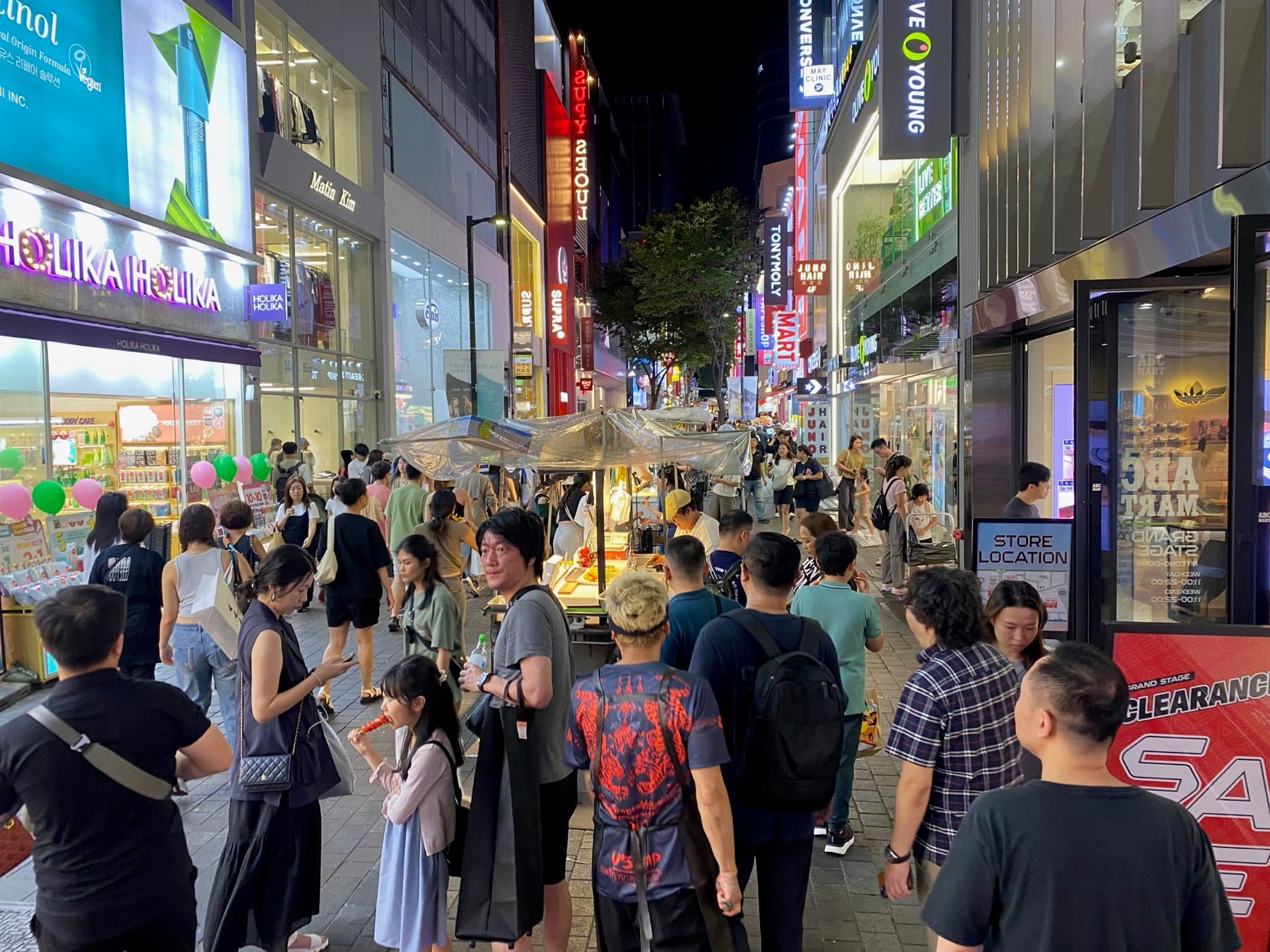
In June, a CapitaLand Investment hospitality fund known as CLARA II bought the 576-room voco Seoul Myeongdong for about $243 million, per Knight Frank’s deal list. CapitaLand is Singapore’s major listed landlord and fund manager; CLARA II is its private Ascott-focused Asia vehicle. The sellers were TPG Angelo Gordon, the U.S. private-equity firm, and Seoul’s Gravity Asset Management.
They had paid roughly 228 billion won—about $170 million—for the same building in early 2024, when it still carried the local Tmark Grand Myeongdong name. After converting it to InterContinental Hotels Group’s midscale-upscale voco brand and restabilising operations, they sold for about 368 billion won.
Trade coverage of the exit puts that sale roughly 61 percent above the purchase price in just over two years.
Judy Jang, head of research at Newmark Korea, the commercial real-estate firm’s Seoul research desk, told the Asia property site Mingtiandi that room rates and occupancy improved after the flag change as inbound tourism and Myeongdong foot traffic returned. That is the underwriting thesis in one district: scarce rooms beside shopping streets that already fill every evening, plus a brand travelers recognise on a global booking engine.
Singapore shows the same logic before the rebrand lands.
The Orchid Hotel at 1 Tras Link, a short walk from Tanjong Pagar MRT, has 272 rooms. It sold in June for about S$273 million—just over S$1 million per room. Knight Frank brokered the private-treaty sale.
The buyer is a joint venture majority-linked to Leow Ban Leong, a co-owner of Singapore construction and property group Master Contract Services. Canada’s Westmont Hospitality Group, a large independent hotel owner-operator, took a minority stake and is expected to run asset management.
The Business Times and EdgeProp both report that market watchers expect a global hotel brand to take over the flag. The rooms are already large by Singapore standards—entry categories start around 32 square metres—and the site still has about 80 years left on its lease. That combination is why a midscale CBD-fringe hotel can clear a nine-figure price before anyone hangs a new logo.
Australia fills out the map.
Cross-border hotel buying into Australia jumped nearly fivefold year-on-year in the quarter, to $674 million, Knight Frank said. Forest Endeavour, an Australian hospitality investor, paid roughly $250 million for the Novotel Surfers Paradise and an adjoining retail complex. Wentworth Capital, a Sydney-based hotel investor, paid about $269 million with partners for a Novotel and an Ibis in Sydney. Both deals buy branded inventory with an operating story, not speculative land.
For a traveler, that usually means renovations and rate pressure on the same Accor-flagged buildings people already book for beach and city weekends—not a new resort appearing from nowhere.
Why the capital is this picky.
Dan Dixon, Knight Frank’s head of capital markets for Asia-Pacific, framed the wider Q2 pullback as a return to normal after an exceptional first quarter rather than a loss of nerve. Christine Li, the firm’s Asia-Pacific research head, was blunter about the next phase: liquidity is concentrating around quality assets and investors who can underwrite “asset-level complexity.” Tourism-linked hotels, she said, remain in that circle, alongside prime office, selected retail, and logistics.
JLL, another global real-estate firm, looked at the first half rather than the quarter and put Asia-Pacific hotel deals at $6.8 billion, up 54 percent from the same stretch of 2025. Its hotel desk said the region is on track for 15 to 20 percent full-year growth. Nihat Ercan, chief executive of JLL’s Hotels & Hospitality Group for Asia-Pacific, and Julien Nauori, head of investment sales for Asia, both pointed to repositioning as part of what keeps buyers engaged even when diligence is slower.
Slower diligence does not empty lobbies. It does mean some deals take longer to close, and some rebrands arrive later than the first rumor.
The traveler version of all this is simpler.
In contested districts—Myeongdong, Tanjong Pagar, Gold Coast strips with limited new towers—expect rates to stay firm even when the lobby still looks ordinary. A new brand on a hotel you know is often a capital event: check recent renovation notices, ask whether the spa and restaurants are fully open, and decide whether the loyalty points are worth a higher cash rate.
A flag swap is not automatically a better stay. The Seoul underwriting worked because demand in Myeongdong was already returning. The Orchid sale prices a location and a floor plan someone believes a global operator can lift. Neither guarantees a quieter corridor or a better breakfast.
The same capital story is uneven by country. Skift, the travel-industry news site, noted in its mid-August lodging digest that China’s revenue per available room was still soft week to week, with Hilton and Marriott offering divergent full-year China outlooks. The surge Knight Frank measured is concentrated where tourists and institutional buyers already meet—Japan, Singapore, Korea’s retail cores, Australia’s branded leisure stock. It is not a blanket bid for every hotel on the map.
What to watch next is less the headline volume and more which midscale and upscale addresses in those gateways go to private treaty with “rebrand expected” in the broker note. Those are the buildings travelers already sleep in—and the ones capital is now willing to pay for twice.
The money is arriving where the bookings already are.
Related stories

Asia’s Hotel Boom Is Moving Deeper Into Vietnam’s Resort Markets
More than 5,300 Accor-linked keys are planned on Vietnam’s resort coasts. The useful traveler question is which destinations are filling with flags, and which openings are still only on paper.
6 min · Aug 11, 2026
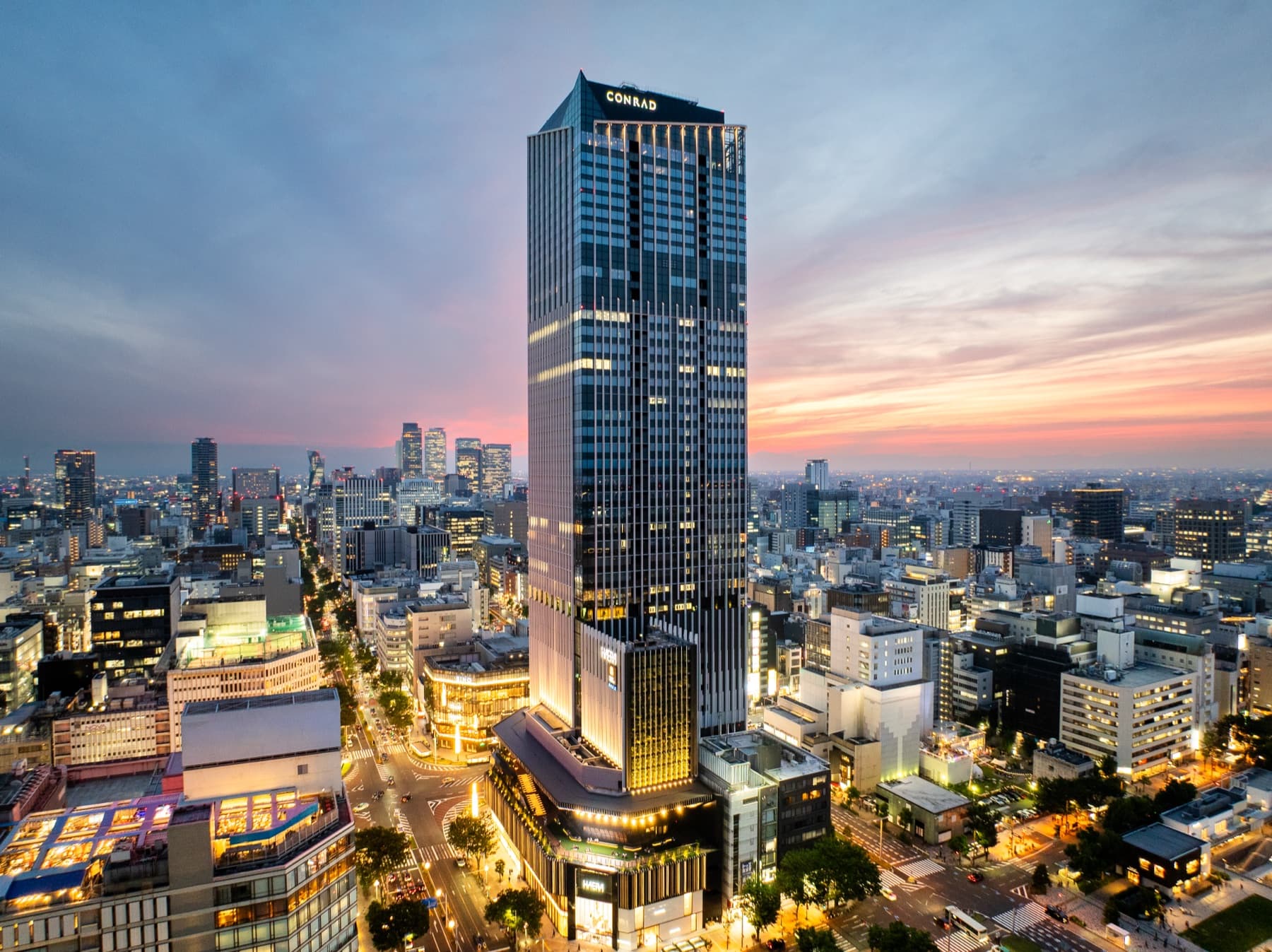
Conrad Nagoya Is Open Above Sakae
Conrad has opened its first Nagoya hotel atop The Landmark Nagoya Sakae. Here is when the new luxury base justifies getting off the Tokyo–Kyoto train.
6 min · Aug 16, 2026
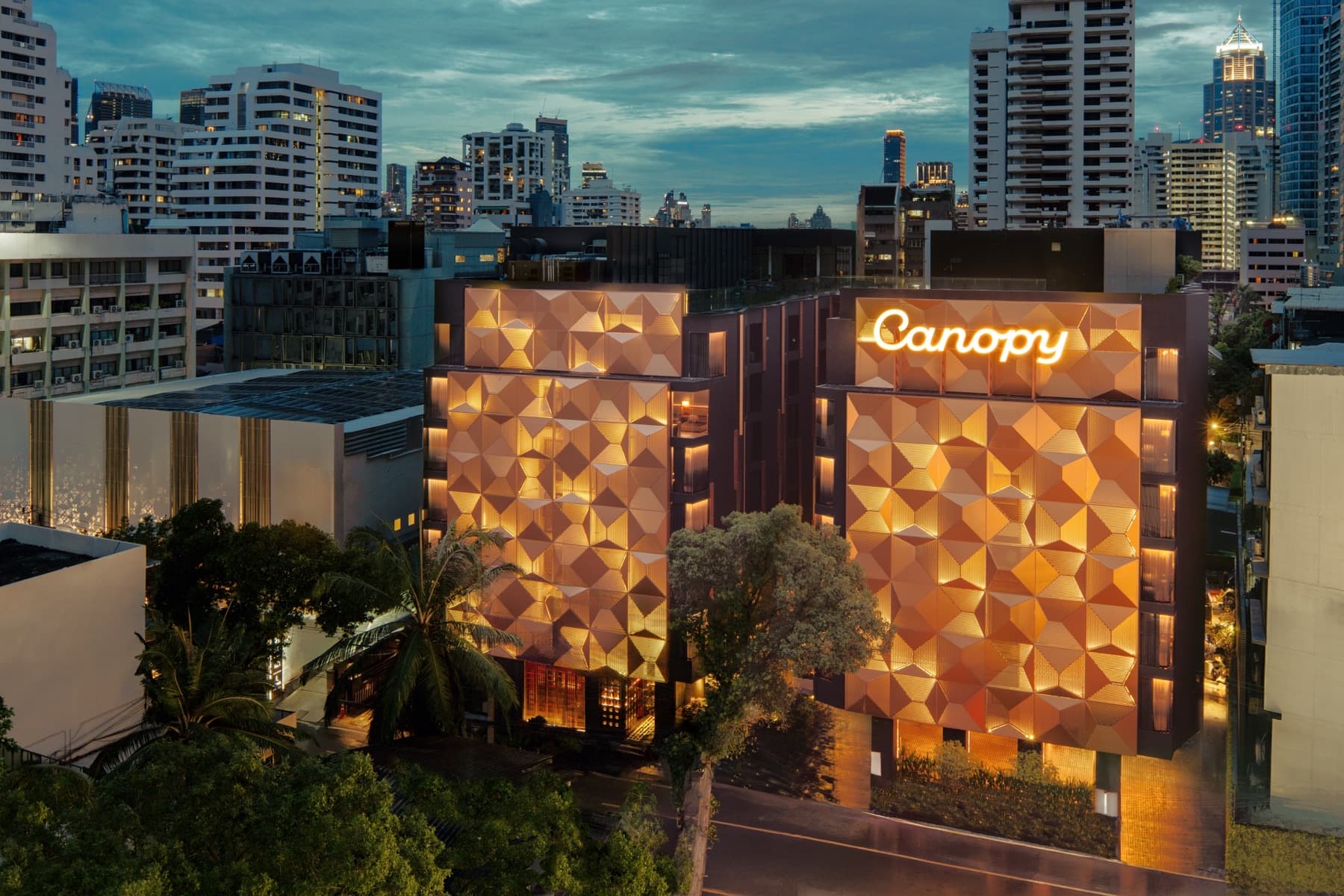
Canopy Bangkok Sukhumvit Is Hilton’s First Canopy in Southeast Asia
Hilton’s Canopy brand lands in Southeast Asia on Soi 12 with AvroKO public spaces, four dining concepts, and a City Curator. Here’s how to read the neighborhood bet.
6 min · Aug 12, 2026
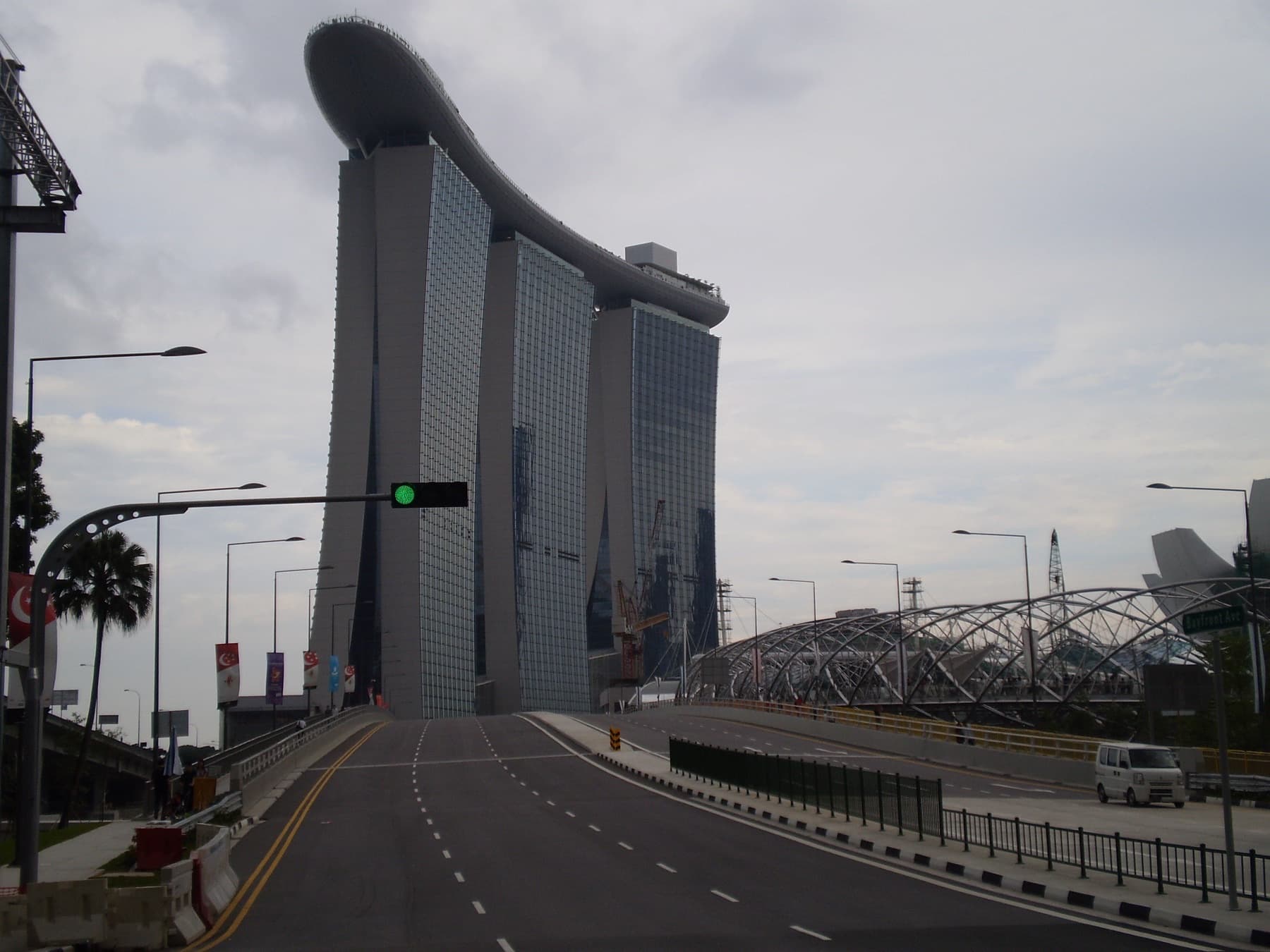
Singapore and Hong Kong Still Come First for Asia Entry
Founders still route through these two cities for infrastructure, English-friendly business, and capital markets.
3 min · Jun 8, 2026
Related global reads
Transpacific Bound
Asia’s Hotel Boom Is Moving Deeper Into Vietnam’s Resort Markets
Transpacific Bound
Conrad Nagoya Is Open Above Sakae
AsiaMS
K-beauty crosses the $2 billion mark as U.S. household adoption triples
Goldsea
Asia’s 8 most romantic places and the great love stories behind them
East Table
East Asia cold noodles field guide