Conrad Nagoya Is Open Above Sakae
The 170-room hotel gives Japan’s manufacturing capital a serious luxury address. It is worth a two-night stop when Aichi’s food and craft are already part of the plan—not merely because the Shinkansen passes through.
Nagoya is easy to experience at 285 kilometers an hour: a station name on the Tokaido Shinkansen, noticed somewhere between Tokyo and Kyoto, then gone.
Conrad Nagoya would like travelers to get off the train.
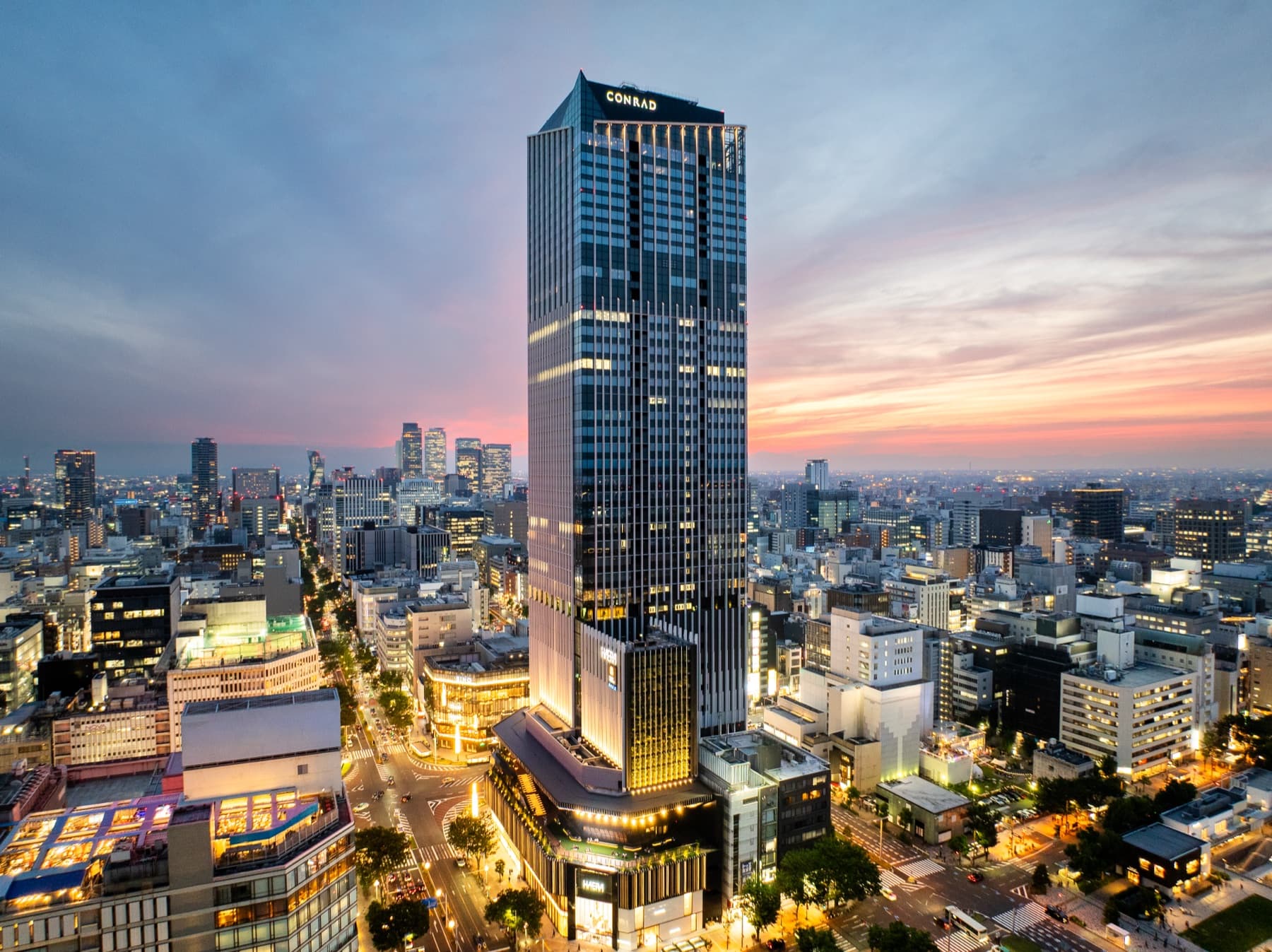
The hotel opened July 31 on the upper floors of The Landmark Nagoya Sakae, with Hilton issuing its full English opening announcement on August 13. It is the first Conrad in Nagoya and Aichi prefecture, and Japan’s third after Tokyo and Osaka. For a city better known abroad for Toyota, manufacturing, and efficient connections than luxury weekends, the arrival matters because it gives a two-night stop an unusually comfortable center.
That center is Sakae, Nagoya’s downtown shopping and entertainment district. The hotel is directly connected to Sakae subway station, with its lobby and main restaurants high above the street on the 31st floor. It is not attached to Nagoya Station, where the Shinkansen arrives. Rail-first travelers should account for a short Higashiyama Line ride or taxi rather than treating the hotel as a platform-side overnight.
Once upstairs, the hardware is generous by Japanese city-hotel standards. Conrad Nagoya has 170 rooms, including 29 suites, and every room measures more than 50 square meters. Floor-to-ceiling windows make the skyline part of the room, while metal artworks refer to the movement and light of Sakae below. The 213-square-meter Conrad Suite on the 40th floor adds a private sauna, but the useful number for most guests is the 50-square-meter floor: even the entry room should feel like somewhere to spend an afternoon, not only store luggage.
Six restaurants and bars are split between floors 31 and 40. Casa Oliva handles Italian cooking and a deep Italian wine list; Sundrop is the lobby lounge; Songbird covers coffee and pastry. Upstairs, Soryu serves sushi kaiseki, Soen works in teppan kaiseki, and House of Mon puts cocktails against the rooftop view. The spa adds four treatment rooms, an indoor pool, saunas, and a 24-hour gym.
All of that makes a polished hotel. The more interesting test is whether Conrad can move guests beyond it.
Its local program uses the brand’s one-, three-, and five-hour format. The strongest options are the ones that belong specifically to Aichi: a miso-making workshop and access to Arimatsu shibori, the tie-dyeing practice developed along the old Tokaido road more than 400 years ago. Tea ceremonies, craft-beer discovery, and cocktail sessions fill out the list. Choose the miso and shibori first. They give the stay a regional spine; a cocktail class can happen in almost any luxury tower.
Two nights is the useful minimum. One day can hold Atsuta Shrine and the food Nagoya does with particular confidence—hitsumabushi eel, miso katsu, tebasaki wings, and kishimen noodles—while the second reaches Arimatsu, the Toyota Commemorative Museum of Industry and Technology, or the Tokugawa Art Museum. Sakae works well at night because dinner and bars do not require retreating to the station district.
The rail math makes that stop easier. Faster Tokaido Shinkansen services cover Nagoya to Kyoto in about 33 to 34 minutes; Tokyo is roughly an hour and forty minutes away on the fastest trains, depending on the service. Those are station-to-station figures. Add the Sakae transfer, check the current timetable, and resist pretending a 34-minute train makes a door-to-door morning effortless.
From Chubu Centrair International Airport, the reserved-seat Meitetsu μ-SKY reaches Nagoya Station in as little as 28 minutes. From there, continue to Sakae by subway or taxi. That makes the Conrad workable for an arrival or departure stay, although a hotel beside Nagoya Station remains simpler for a single night bracketed by luggage and early trains.
Cash and Hilton Honors rates move with demand, and a new Conrad can command a novelty premium. Compare the live total with Conrad Tokyo or Osaka and with strong Nagoya alternatives before assuming the newest flag is automatically the best value. The room size, direct Sakae connection, and food-and-drink stack are the reasons to pay—not the brand name alone.
Conrad Nagoya does not turn a train change into a compulsory city break. It gives travelers who are already curious about Aichi’s kitchens, workshops, and industrial imagination a compelling place to sleep. If that curiosity is present, the new tower removes the easiest excuse to stay on the train.
Related stories
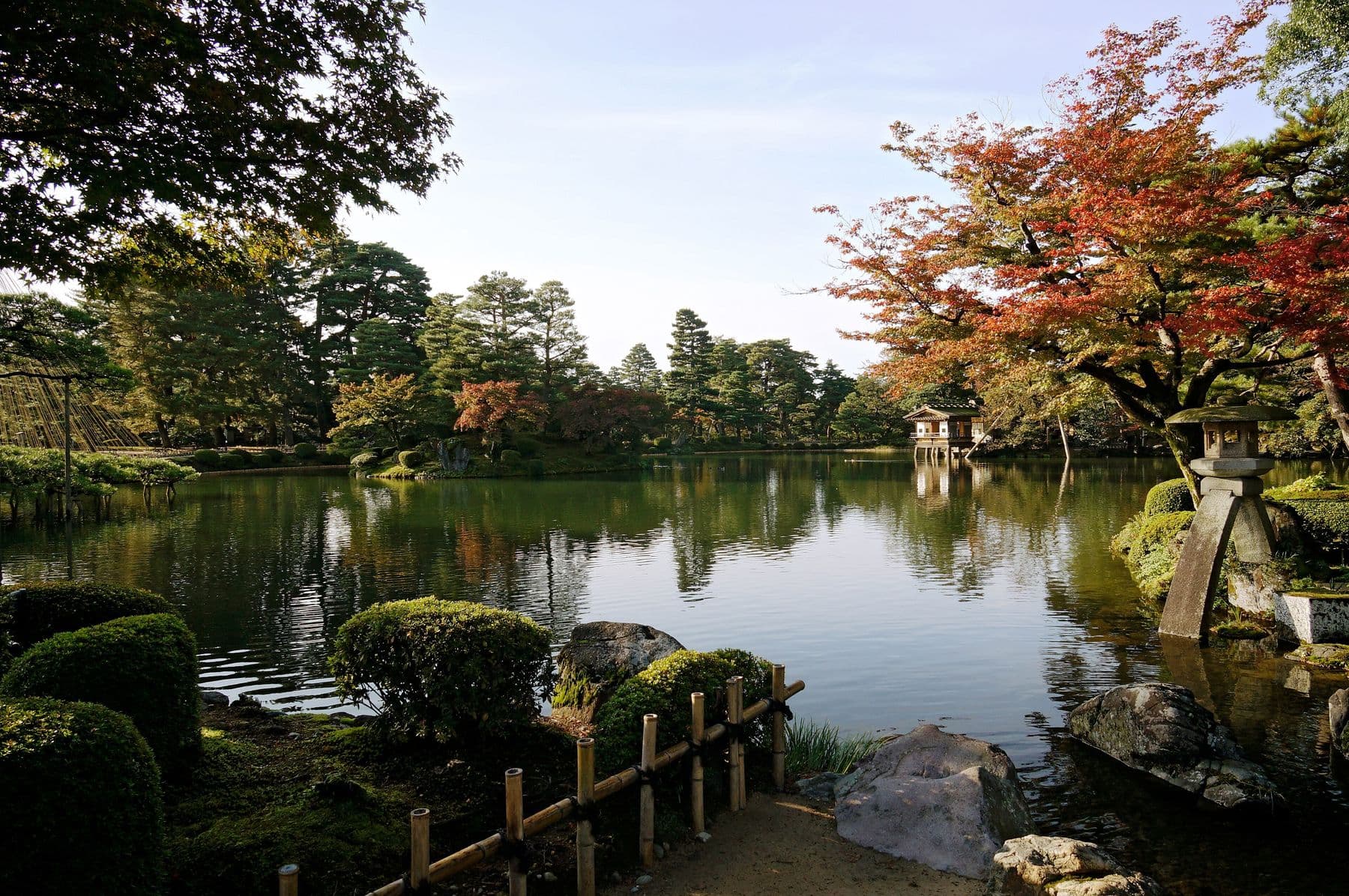
Asia’s Best Second Cities for a Longer Stay
Seven cities that reward a week or two: walkable food spines, enough culture to repeat days, and day trips that do not require another international flight.
8 min · Aug 5, 2026
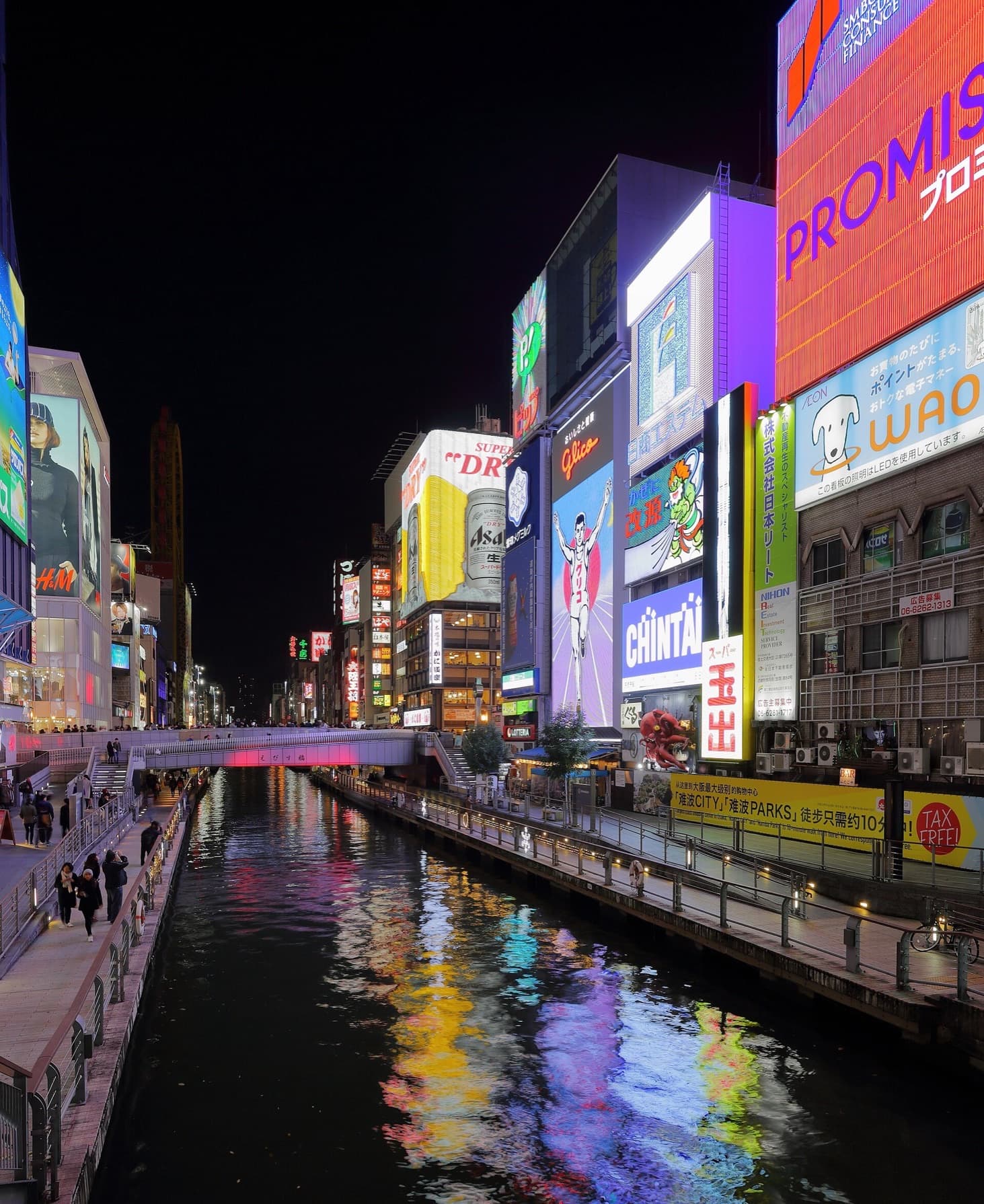
Osaka Is Not a Kyoto Appendix
Loud, generous, and unpretentious: Osaka is where Japanese food culture stops performing for export.
6 min · Jun 2, 2026
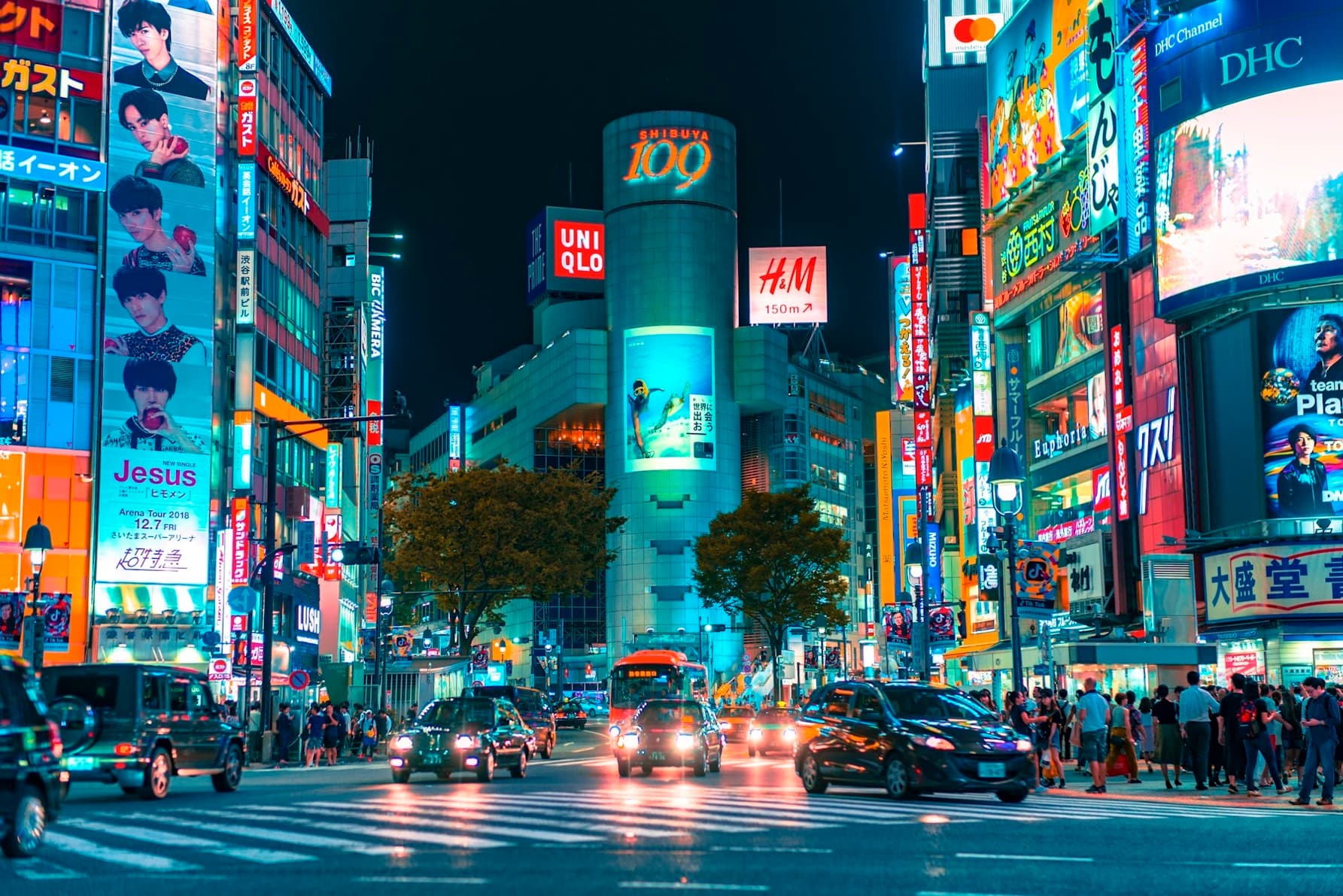
Where to Stay in Tokyo: A Neighborhood Hotel Guide
The room matters less than which train line you sleep on.
6 min · Jun 3, 2026
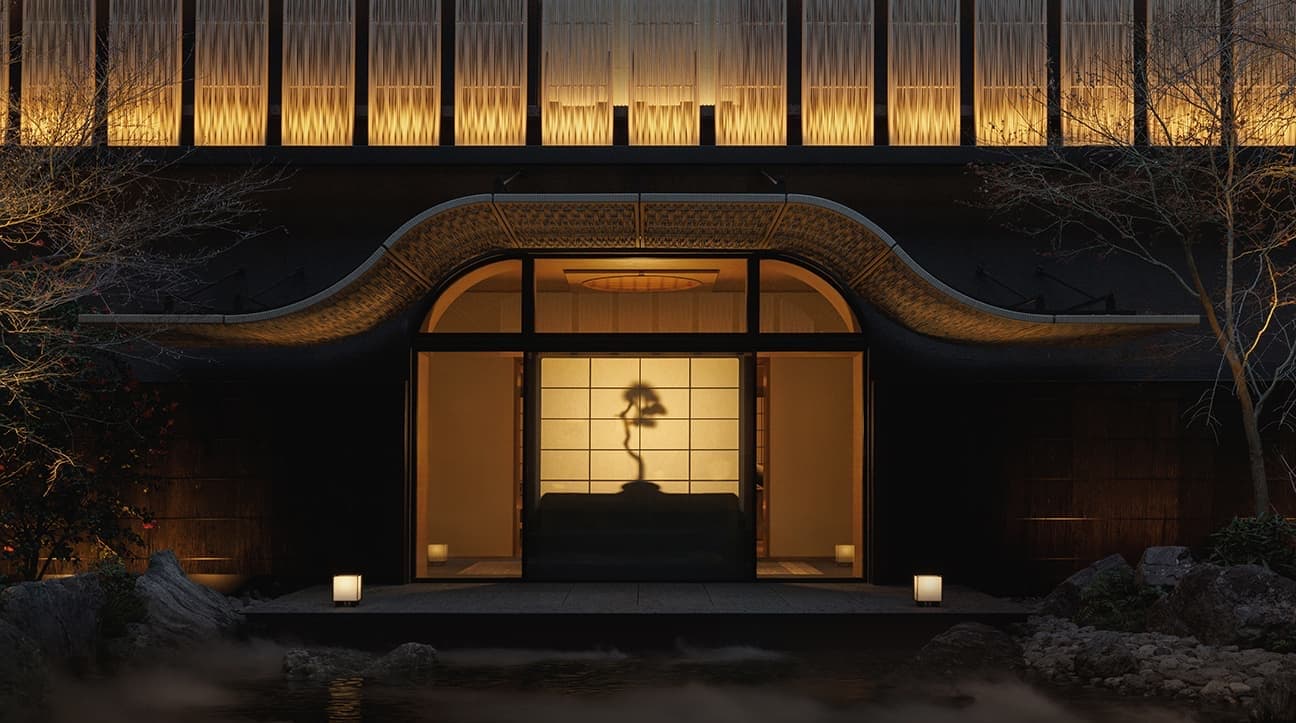
Capella Kyoto Puts SingleThread on a Miyagawa-cho Counter
Capella opened in Miyagawa-cho on March 22 with onsen suites, Auriga Spa, and a twelve-seat SingleThread counter. Here’s what to book, confirm, and leave for another Kyoto night.
4 min · Jul 27, 2026