
Bangkok as a First Trip to Asia: Heat, Appetite, and Pacing That Actually Works
Street food, temples, and sensory overload, for travelers who can handle intensity if the week is built honestly.

Opening thesis
First trips to Asia fail when travelers treat Bangkok like a theme park with temples attached. Bangkok is a city you eat through, recover from, and eat through again, at a volume that rewards appetite more than coverage.
This guide is for culturally fluent travelers choosing Bangkok as a first anchor: diaspora travelers with global taste, patient eaters, and people who can tolerate heat and sensory overload if the week is built with recovery built in. Bangkok is not Taipei.
It will not forgive checklist energy or midday heroics in April.
Read our Bangkok destination hub and repeat-visitor food guide alongside this piece. This is the first-trip frame; those are the depth layers for when you return hungry.
Why Bangkok for a first Asia trip
Bangkok teaches Southeast Asia at full urban volume: street food logic, boat and BTS transit, temple mornings that work only if you respect heat, and the emotional skill of eating well without translating every variable.
Choose Bangkok first if you are food-obsessed, heat-tolerant, and willing to repeat neighborhoods instead of collecting districts. Skip it as a first anchor if you need emotional ease above all.
Taipei and Singapore forgive faster, and there is no shame in that sequence.
There is no moral ranking. Bangkok is harder than Singapore for anxious eaters and easier than Tokyo for travelers who want warmth at the counter.
Match the city to your nervous system, not the version of yourself that sounds most adventurous at the dinner table before booking.
Pair Bangkok with honest recovery: hotel pool, spa, air-conditioned mall food court between heroic street sessions: not as failure, as pacing.
Where to stay
Sukhumvit suits BTS-first itineraries and first-timer English density. Old City suits temple mornings and river logic if you accept heat walks.
Riverside suits splurge recovery and boat commutes if you will actually use them.
Pick one hub for the whole week. Bangkok is connected enough that hotel hopping feels possible and foolish, you lose mental energy to traffic you could spend on boat noodles.
Proximity to a BTS or MRT line you will use daily beats a boutique address with a rooftop photo. Luxury travelers should prioritize sleep and shower pressure; budget travelers should prioritize transit access over saving baht on a cab-heavy address.
For family trips, elevators, pool access, and Grab-friendly pickup points matter more than skyline views. Parents need recovery as much as kids need pools.
Transit and heat logic
Bangkok’s heat is not a footnote. It is the schedule. Plan outdoor movement for morning, food for midday indoors, optional rooftop or night market after sunset when you have energy left.
BTS and MRT cover core corridors efficiently. Boats on the Chao Phraya teach a different city than Sukhumvit traffic. Grab works when rain, luggage, or fatigue make transfers cruel, budget it without guilt.
Tuk-tuks are experience, not default transit. Negotiate or skip. Walking between distant meals in afternoon sun is how first trips become survival stories nobody wanted.
Learn one line deeply before you collect lines. Google Maps helps routing; it will not teach you to carry water, wear breathable fabric, or accept that noon is sometimes for hotel rest and mango sticky rice in air conditioning.
Street food without fear
Start with cooked food and busy lines. Let hygiene anxiety relax after one successful stall: not after a week of hotel restaurants hiding from the city.
Busy vendors are data. Heat kills a lot of worry.
Watch how locals order: point, nod, pay, eat standing or sitting as the room dictates. Your first successful pad thai or boat noodle bowl teaches more than research threads.
If you have dietary restrictions, learn three phrases or screenshots. Mild preferences require flexibility.
Bangkok is not one food safety story, night markets, food courts, and hotel breakfast with local options all have roles on day one and day four.
Affluent travelers sometimes overcorrect toward rooftop-only dining because fear feels sophisticated. You do not need the riskiest stall on night one.
You do need to eat somewhere a local would respect before you fly home claiming you saw Bangkok.
Thai diaspora expectations
Thai American travelers often arrive fluent in flavors and surprised by scale: the night market that never ends, the heat that changes appetite, the city that is not your family’s province unless it is. Both familiarity and distance are data.
Give Bangkok its own itinerary, not a reconciliation tour squeezed between cousin errands unless those errands are the trip you chose. Honor one family obligation if needed; protect at least two meals and one half-day you choose entirely.
Heritage performance is optional here in ways ancestral village trips are not. Bangkok works as food-and-pace education, not as proof of connection. Eat seriously. Listen more than you perform discovery.
Export Thai food abroad gave you vocabulary. Bangkok gives you volume. Let the gap between them inform trip two without shame.
Five-day pacing
Days one and two: one BTS line, one night market, early sleep. Day three: temple morning early, long lunch indoors, pool or spa without apology.
Day four: repeat what worked at a different hour. Day five: one optional sight or one last food run: not both if heat already won.
One temple morning beats three temples you will not remember. Chatuchak on the right weekday teaches market rhythm; going at peak heat teaches regret.
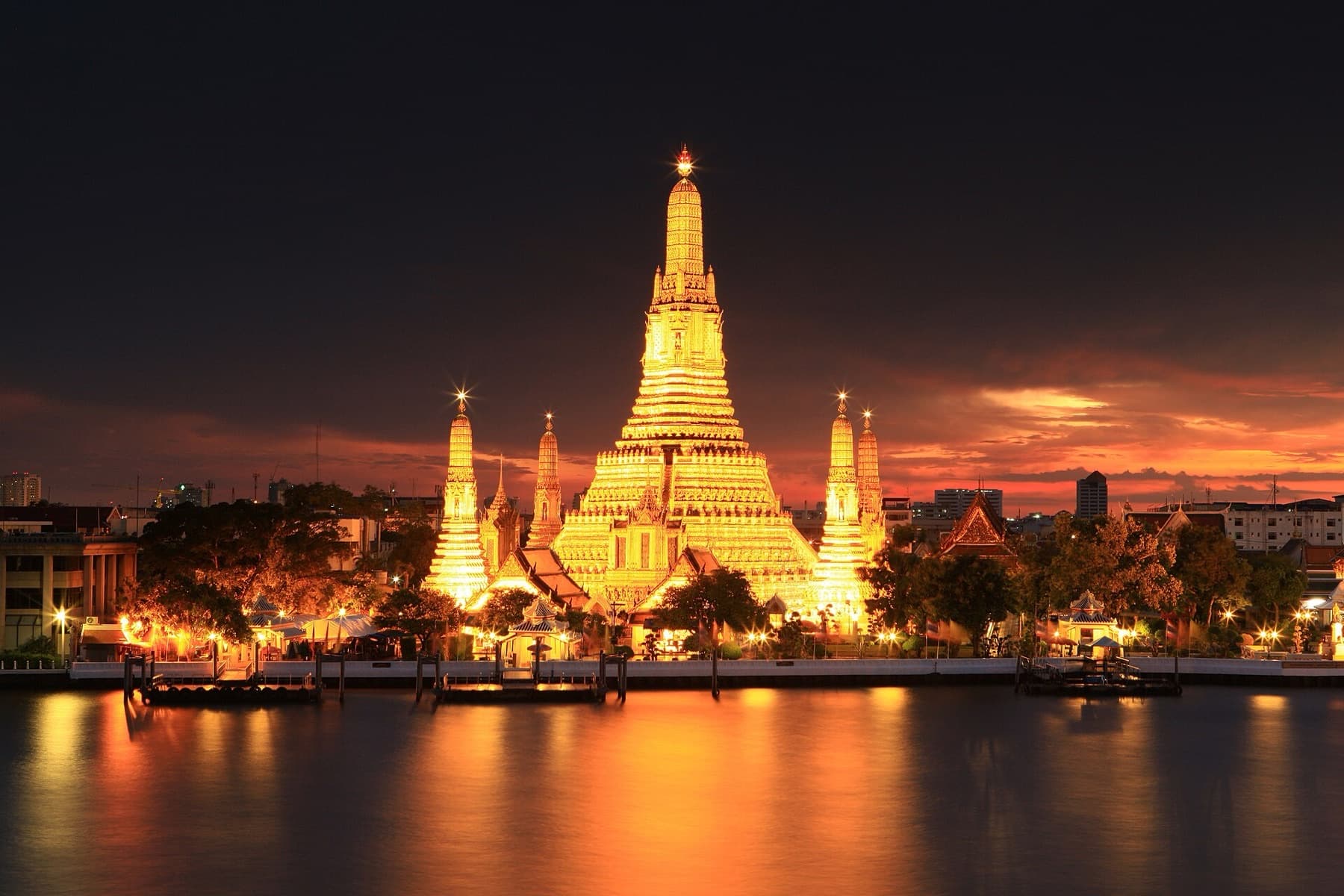
Cut the plan in half if traveling with parents or kids. Success is everyone willing to eat again tomorrow: not everyone seeing Wat Arun at the hour Instagram prefers.
Consider Chiang Mai on trip two or a second week if Bangkok’s volume did its job and you need northern calm. Same country, different lesson.
Final note
Leave knowing which stall you would queue for again: not which rooftop bar had the best view you were too tired to taste.
Bangkok as a first trip works when you stop trying to summarize the city and start learning one corridor’s meal times honestly. That skill transfers to Kuala Lumpur, Ho Chi Minh, and every other hot, hungry Southeast Asian capital you touch next.
Book return flights with room for recovery, not for a second country squeezed into exhaustion. One city, one week, one appetite respected. That is enough for a first win.
Related stories

Your First Trip to Asia: A Culturally Fluent Starter Guide
How to pick your first Asian city, pace the week, and avoid turning the trip into heritage performance or continent tourism.
10 min · May 5, 2026
Bangkok for People Who Think They Already Know Bangkok
Bangkok rewards repeat visitors who stop trying to summarize it.
3 min · Apr 2, 2026
Chiang Mai Is Northern Thailand at Human Speed
After Bangkok’s volume, Chiang Mai teaches northern food and slower pacing without leaving Southeast Asia.
4 min · Jun 7, 2026

Taipei Is the Soft Landing More Asian Travelers Should Choose First
Why Taipei teaches you how to travel Asia before harder cities test you.
7 min · May 12, 2026
Related global reads
Transpacific Bound
Your First Trip to Asia: A Culturally Fluent Starter Guide
Transpacific Bound
Bangkok for People Who Think They Already Know Bangkok
At the Banquet
The Banquet guide to Bangkok
Goldsea
Asia’s 8 most romantic places and the great love stories behind them
Goldsea
Tuk tuks and Muay Thai: a Bangkok adventure