Canada and Cambodia Signed a Trade Cooperation Deal. Here’s What Businesses Can Watch Next
At the Peace Palace on Monday, Ottawa and Phnom Penh signed a trade MoU and a financial-intelligence MoU. They also opened exploratory talks on investment protection and a possible double-taxation agreement. Those tracks are not treaties yet, which is what Canadian companies should track.
What Monday actually produced
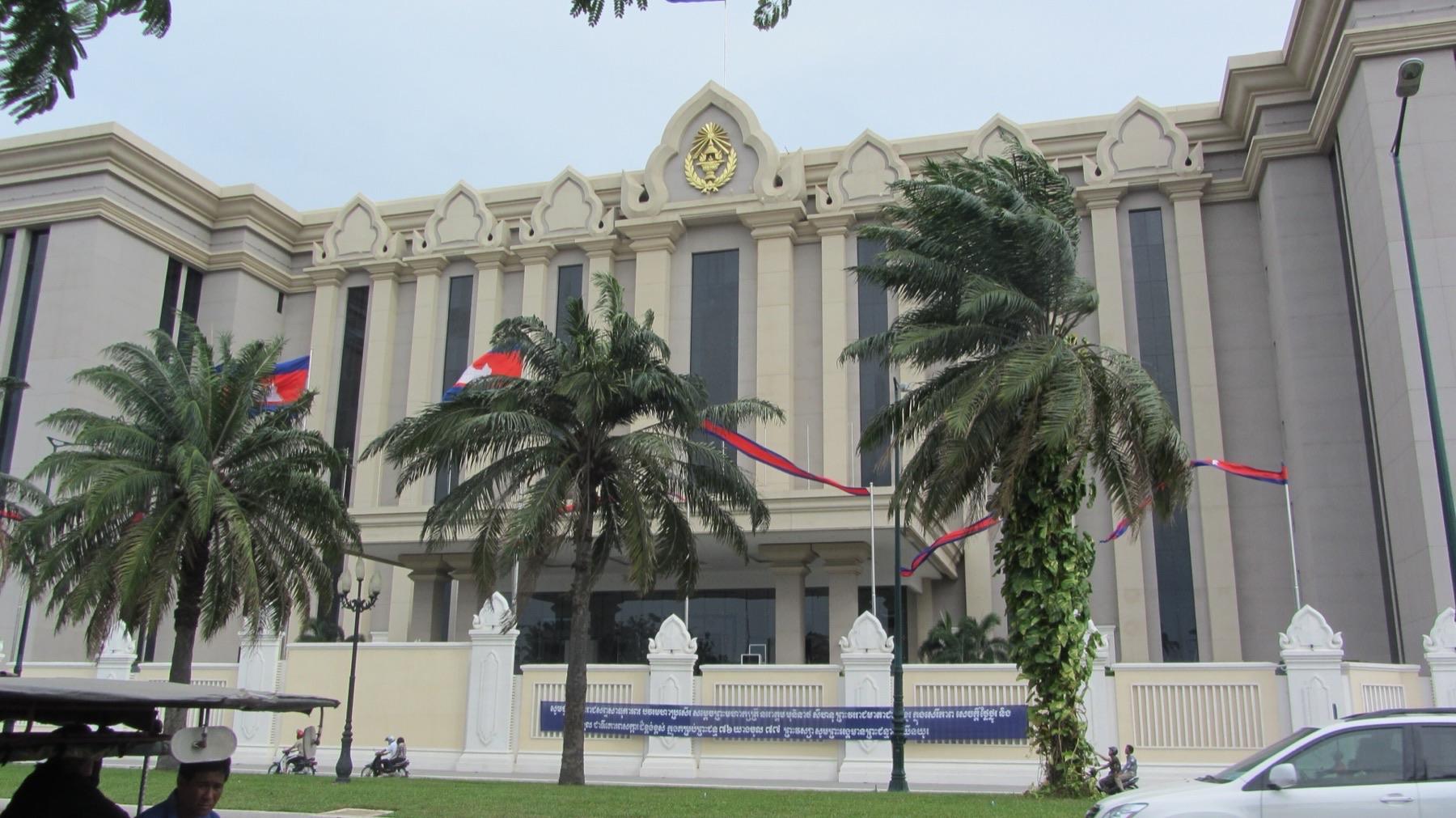
Our Phnom Penh preview said to wait for MoU titles after the Canada–Cambodia ceremony. The Prime Minister’s Office readout is now out. On November 16 at the Peace Palace, Prime Minister Mark Carney met Cambodian Prime Minister Hun Manet for the first time and witnessed the exchange of two memoranda of understanding.
The first is a MoU on trade and economic cooperation, meant to support stronger commercial ties. The second covers the exchange of financial intelligence between the Financial Transactions and Reports Analysis Centre of Canada, known as FINTRAC, and Cambodia’s Financial Intelligence Unit. That agreement is about cooperation against money laundering and other financial crime. It does not open a new lane for exporters.
Carney and Hun Manet also welcomed the recent substantial conclusion of ASEAN–Canada free-trade negotiations and talked about using that track to deepen bilateral trade and investment. Substantial conclusion is still not entry into force. Preferential rates under that ASEAN deal sit on a separate calendar.
Signed MoU versus exploratory talks
The two MoUs are signed. They are cooperation frameworks. They do not publish tariff schedules, rules of origin, or a preferential rate a sales team can quote tomorrow.
Separate from those signatures, the leaders agreed to start exploratory discussions toward a Canada–Cambodia Foreign Investment Promotion and Protection Agreement, often shortened to FIPA, and toward a potential double-taxation agreement. Global Affairs Canada describes exploratory discussions as an early step to test whether a deal is worth negotiating. That stage is not a negotiation, does not create investor rights, and does not guarantee that formal talks will open.
A later PMO note on Canada’s designation as host of the 2028 Francophonie Summit talked about clearer rules for investors and easier cross-border tax treatment. That is the goal the two governments say they want. Until Ottawa and Phnom Penh announce that negotiations have launched, finish a text, and bring it into force, Canadian companies still work under Cambodia’s domestic investment and tax rules alone.
What a FIPA would eventually change
A Canadian FIPA is a bilateral investment treaty. Once it is in force, it typically sets standards of treatment for covered investors, limits on expropriation without compensation, and rules on transferring capital, while leaving room for governments to regulate. Canada’s 2021 model FIPA is the template negotiators would likely start from if talks begin.
For a company weighing a plant, a joint venture, or a long lease in Cambodia, Monday’s handshake is not the signal that matters. Watch for exploratory work to turn into a negotiating mandate, then a published text, then ratification and entry into force. Only after that does treaty structuring (who invests, from which entity, under which definition of covered investment) belong on a closing checklist.
Until then, treat Cambodian investment as a domestic-law project. That means incorporation, land rules that still bar majority foreign ownership of land, and any Qualified Investment Project incentives under Cambodia’s investment law. The MoU does not rewrite those steps.
What a double-taxation agreement would eventually change
A double-taxation agreement, if negotiated and brought into force, allocates taxing rights and usually lowers or clarifies withholding on dividends, interest, and royalties between the two countries. Exploratory talks mean both sides are willing to study whether that treaty is worth writing. They do not change a 2026 tax return.
Canadian finance and tax teams should watch for three published steps: a decision to open negotiations, a signed convention, and an entry-into-force date plus Canada Revenue Agency guidance on how to claim benefits. Model a Cambodia expansion with today’s rates until those appear. Do not promise clients treaty withholding based on Monday’s readout.
The trade MoU can still matter sooner if Global Affairs, the Trade Commissioner Service, or CanCham Cambodia publish a work plan, a working-group calendar, or a financing or matchmaking window companies can apply to. Without that, treat it as relationship language, much like the EuroCham–CanCham chamber memorandum signed earlier in summit week.
What to watch before anything becomes operational
Three follow-ups would change the picture. One is the full trade MoU text, or any annex that names programs, agencies, or meeting dates. Another is a Global Affairs or PMO notice that FIPA or double-tax exploratory discussions have moved to formal negotiations. The third is the ASEAN–Canada free-trade track already marked substantially concluded: the signature and entry-into-force calendar we flagged after Manila. Keep that ASEAN calendar separate from this bilateral MoU.
The FINTRAC memorandum belongs with compliance teams, especially at banks and firms that move funds or handle remittance-heavy supply chains. It may tighten information sharing. It does not open a preferential lane at the border.
Global Affairs still puts 2025 two-way merchandise trade near $3.1 billion, mostly Cambodian apparel and footwear into Canada, with Canadian direct investment stock near $3.8 billion. Monday’s papers do not rewrite those figures. They set a watchlist. Act when a negotiation launch, a treaty text, or a program window shows up with a date.
Related stories
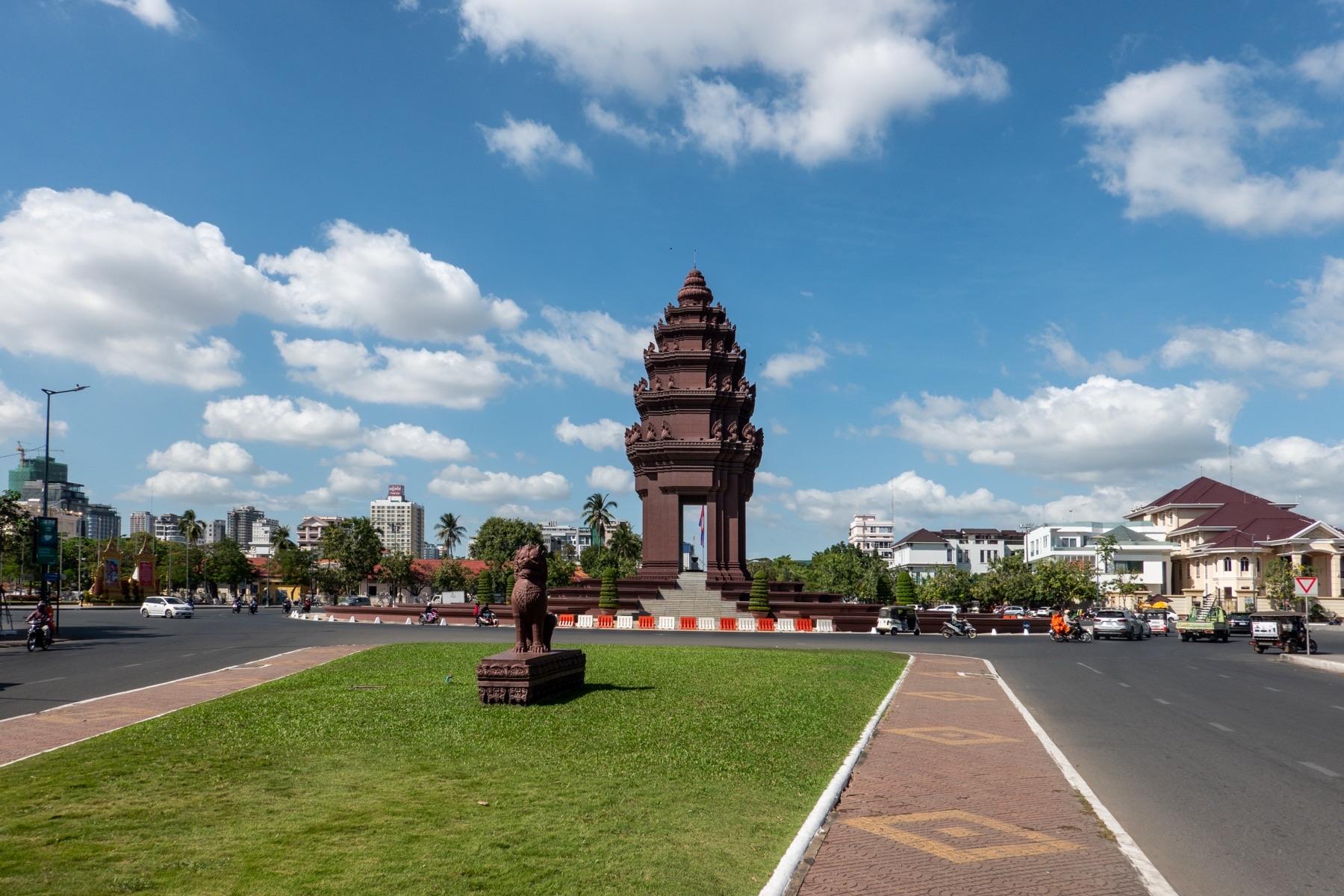
The Business Meetings to Watch as Canada’s Asia Trip Moves to Phnom Penh
Carney’s Phnom Penh stop runs through Monday evening. Track FrancoTech follow-ups, the RFAQ–CanCham session, and the MoU titles after the Hun Manet meeting before treating anything as operational.
6 min · Nov 15, 2026
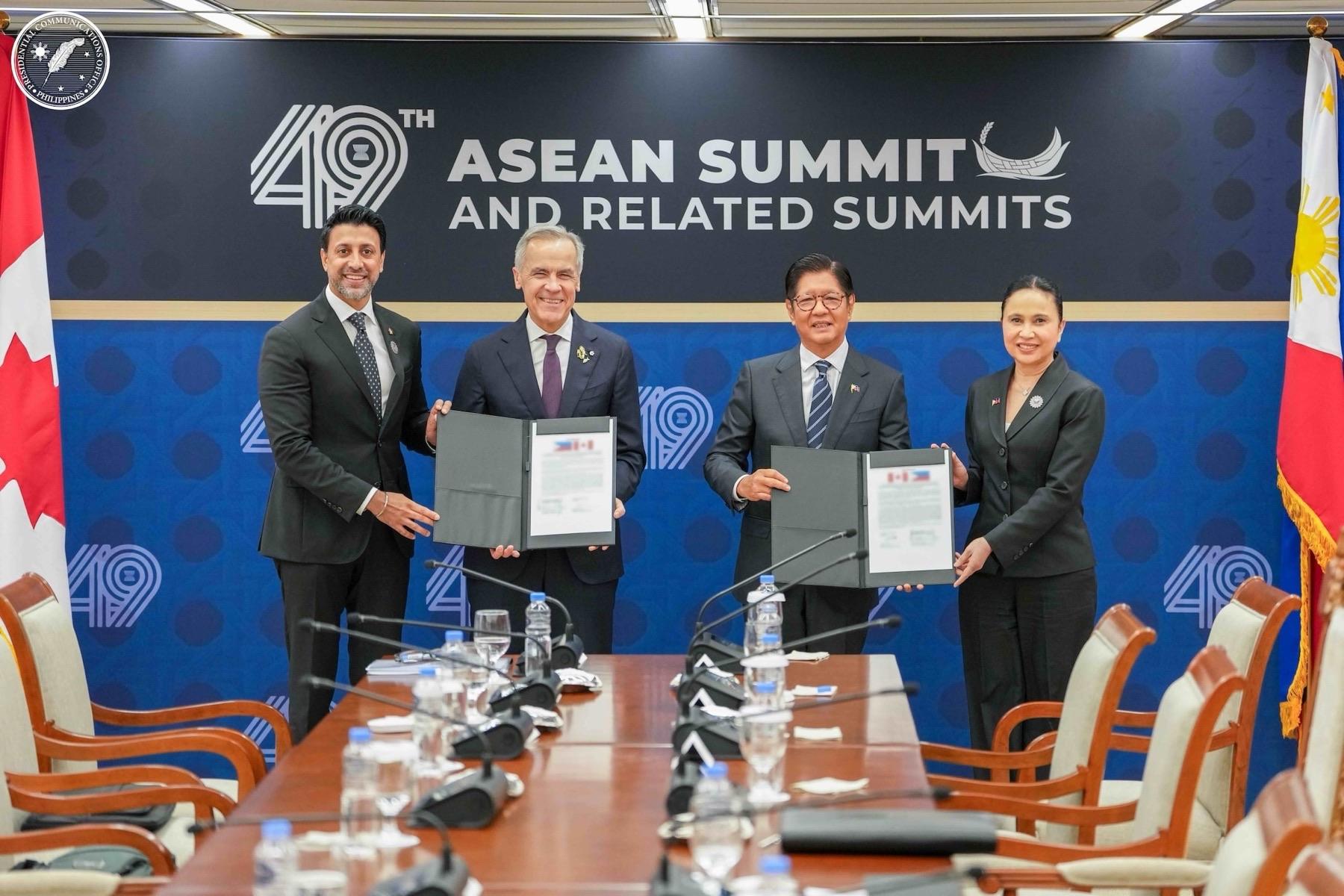
Canada and the Philippines Finished Trade Talks. What Can Businesses Prepare Before the Deal Takes Effect?
Bilateral talks are finished; ASEAN talks are substantially finished. Signature is aimed for 2027. Hold preferential quotes until the schedules and entry-into-force dates exist.
6 min · Nov 14, 2026
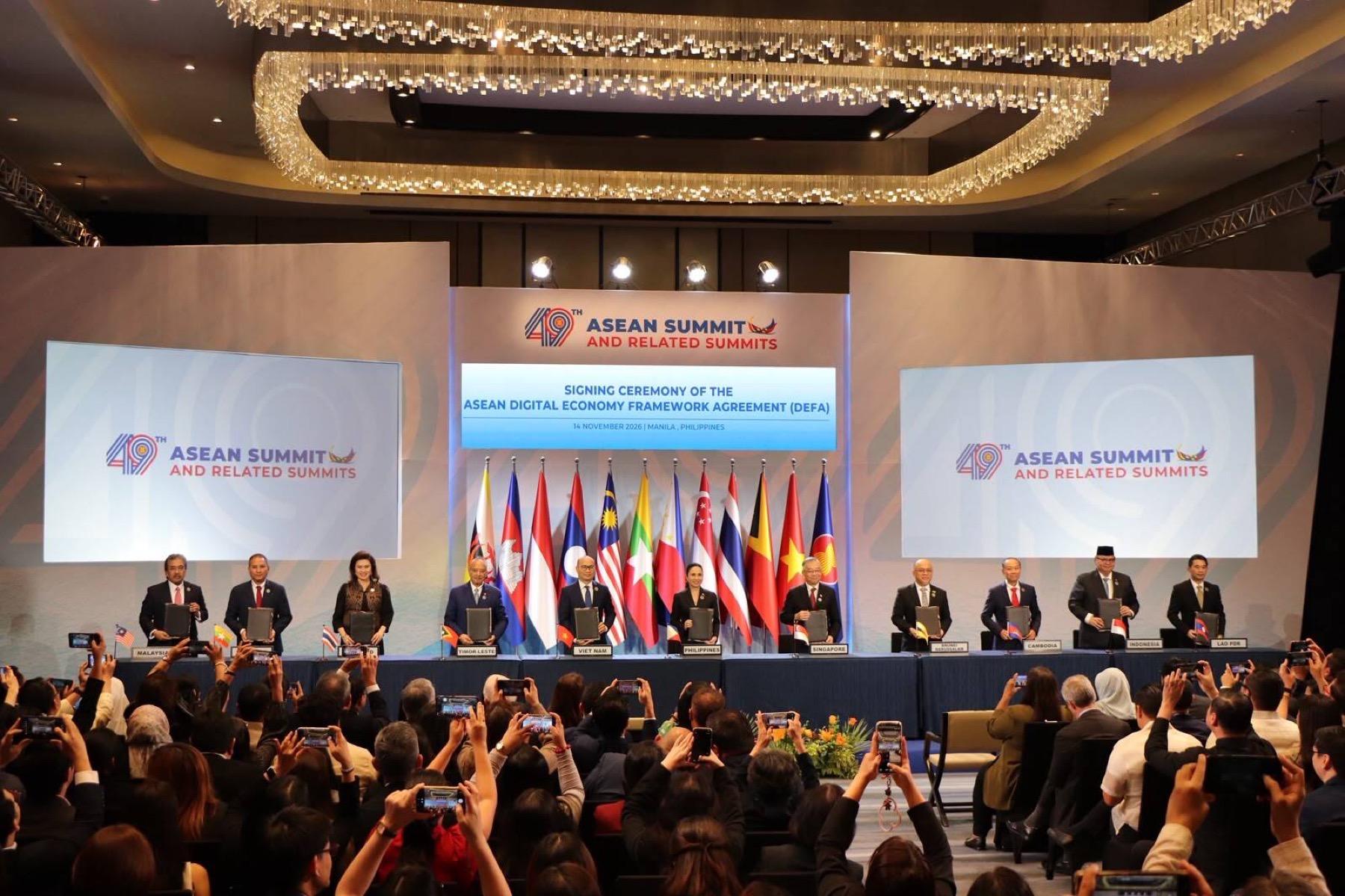
ASEAN Has Signed Its Digital Economy Agreement. What Does a Cross-Border Seller Watch Next?
DEFA is signed. Entry into force is aimed for early 2027, about 180 days out. Watch the published text and country notices on e-documents, payments, and digital IDs before you rebuild a workflow.
6 min · Nov 15, 2026

Canada’s Indonesia Trade Deal Starts Dec. 1. What to Check Before You Quote
Walk one Canadian product through Indonesia’s tariff schedule, origin rules, and importer handoff, then price a sample container with the assumptions written out.
8 min · Nov 11, 2026
Related global reads
Transpacific Bound
The Business Meetings to Watch as Canada’s Asia Trip Moves to Phnom Penh
Transpacific Bound
Canada and the Philippines Finished Trade Talks. What Can Businesses Prepare Before the Deal Takes Effect?
At the Banquet
The Banquet guide to Hong Kong
At the Banquet
Three nights at Rosewood Hong Kong
My Gold Scene
Vancouver city guide