
Cathay Pacific Just Posted Its Best First-Half Profit Since 2010. What Does That Mean for Transpacific Travelers?
Profit up 71% to about HK$6.24 billion on strong passenger and cargo demand, with roughly 10% more passenger capacity planned for 2026—here’s the booking read for North America–Asia itineraries over Hong Kong.
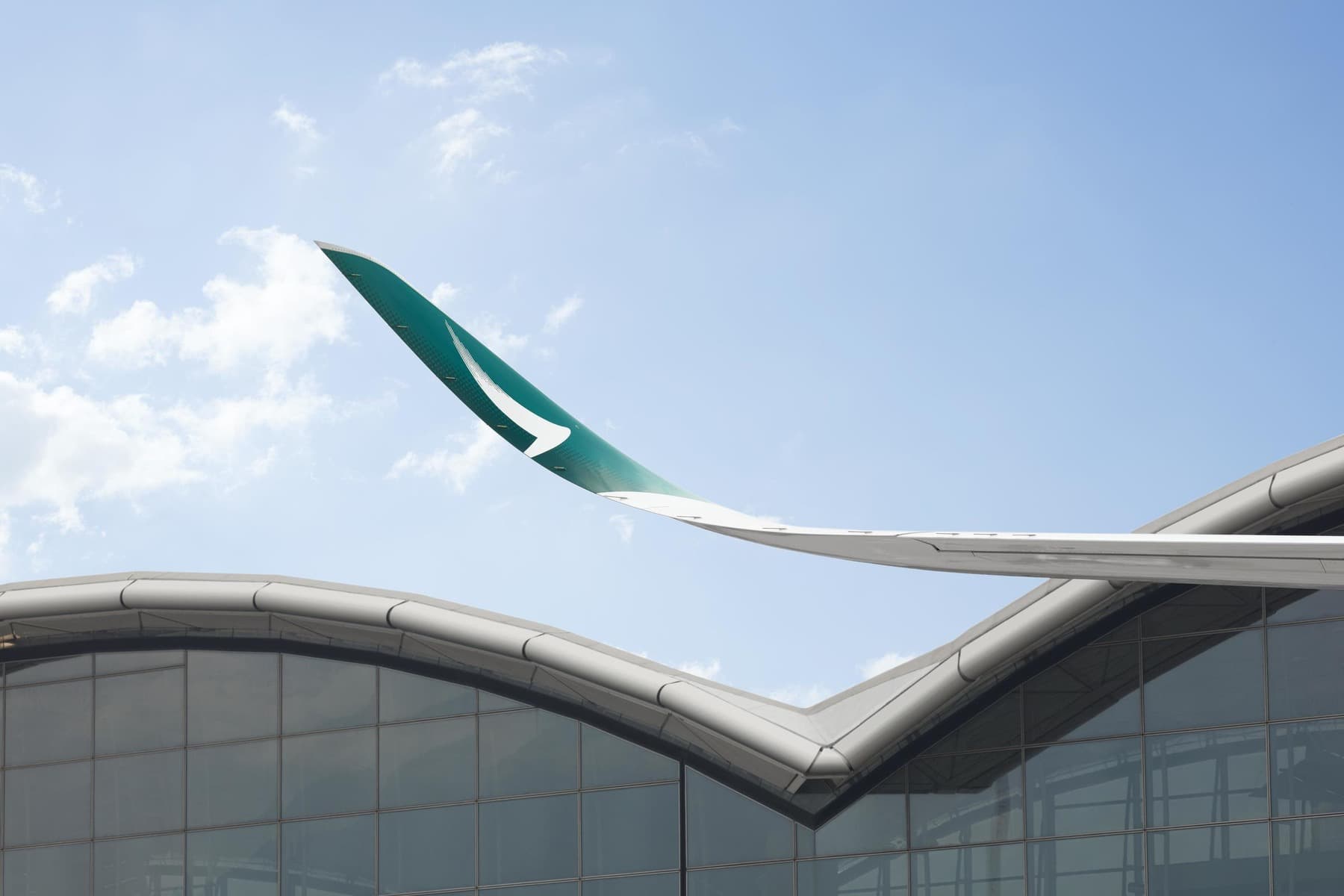
Cathay Pacific’s parent group just reminded the Pacific desk why Hong Kong still matters on a North America–Asia ticket. On Wednesday, August 5, 2026, the Cathay Group reported attributable profit of about HK$6.24 billion—roughly US$796 million—for the six months ended June 30, up 71 percent from the first half of 2025. Reuters called it the airline’s best first-half result since 2010, and the second-highest first half in its history.
Read the victory lap with one footnote. Company materials put about HK$1 billion of the print in non-recurring gains, mainly from diluting its equity interest in Air China. The operating story underneath still looks strong: record first-half revenue near HK$68 billion, up about 25 percent, on passenger and cargo demand that kept growing even as jet fuel costs jumped.
For travelers, the useful question is not whether shareholders smiled. It is what more profitable metal at Hong Kong International does to connections, award space, premium pricing, and the fight for Asia–North America passengers.
Start with the numbers that touch a booking. Cathay Pacific’s own passenger revenue rose about 26 percent to HK$43.2 billion. The airline carried 16 million passengers in the half, up 17.5 percent—about 88,400 people a day. Chair Guy Bradley said the group remains on track for passenger capacity growth of around 10 percent for full-year 2026. That is the line to translate: more available seat-kilometers across a network that still treats Hong Kong as the hinge between North America, Greater China, Southeast Asia, and long-haul Europe and Oceania.
Hong Kong’s hub role is the second beat. Bradley and commercial leadership credited stronger transit traffic through the home airport, amplified when Middle East disruption pushed travelers toward alternative connections in the second quarter. Extra Europe flying helped soak up that flow. The same Reuters coverage warns the boost may soften as Gulf carriers restore schedules and compete harder for Asia–Europe traffic. For a U.S. or Canadian traveler, the durable point is simpler: Cathay is again selling Hong Kong as a serious same-day bridge, not only as a destination weekend—and the airport’s transfer product is getting the investment language to match, including lounge work at home and a first Cathay lounge planned for New York’s redeveloped JFK Terminal 6 later this year, subject to the terminal’s opening calendar.
Where could the extra capacity actually help you? Watch frequencies and aircraft gauge on the city pairs you already use—Los Angeles, San Francisco, New York, Vancouver, Toronto, and the thinner U.S. mid-continent points Cathay has been rebuilding—plus the Asia beyond Hong Kong that makes a connection worth the layover. Group materials also point to a multi-year spend already committed around HK$150 billion into fleet, cabins, lounges, and digital tools, with a decade target of 150 new aircraft and 150 destinations if market conditions stay favorable. Nearer term, Aria Suite retrofits on 777s continue, and Cathay says Aria Studio Business and a new Economy cabin arrive on regional A330s by year-end. More modern cabins do not automatically mean cheaper tickets. They do mean the Hong Kong product story is competing again with Singapore, Tokyo, Seoul, and Taipei for the same premium passenger.
Fuel is why you should not expect an instant fare collapse. Reuters and company briefings put jet fuel costs up about 59 percent year on year, almost doubling from the first quarter to the second as Middle East conflict pushed prices higher. Cathay says elevated fuel is likely to persist; IATA’s industry forecast cited in the same coverage puts jet fuel near US$152 a barrel for the year, nearly 70 percent above 2025 levels. Hedging and fuel surcharges offset roughly half of the second-quarter cost spike, per the CFO’s briefing math, with the airline only about 30 percent hedged on Brent for the next twelve months. In plain English: some of that cost already shows up as surcharges and fare floors, and management is not promising relief.
What should points travelers watch? More seats can loosen award calendars over time, especially in Economy on off-peak dates, because Cathay membership awards on its own metal remain a core Hong Kong tool for oneworld collectors. Do not assume Business and First soft space floods the market. Premium cabin demand was part of the earnings narrative, and profitable airlines protect those seats. Watch release windows on Cathay’s programme terms, partner award charts that price through Hong Kong, and whether capacity adds show up as extra frequencies you can actually hold with miles before cash buyers take them. Also watch cargo’s AI-hardware boom—Cathay Cargo’s strength is good for the airline’s balance sheet and a reminder that belly and freighter economics still compete with passenger priorities on some aircraft.
Competitive color for the Pacific desk is already in the rearview: STARLUX, EVA, China Airlines, United, and others are all selling Asia–North America with different hub logics. Cathay’s print says the Hong Kong option is financially healthy enough to keep adding seats and polishing the cabin. It does not say the airline will discount its way into your calendar.
So the traveler takeaway is measured. Prefer Hong Kong connections when the bank of flights, lounge plan, and onward Asia map beat the alternatives on your dates. Expect more choice as the 10 percent capacity plan lands. Keep checking fuel surcharges and premium cash prices as if the earnings call never happened. The best first half since 2010 buys Cathay room to invest. Your job is still to buy the itinerary that respects your sleep, your miles balance, and the real cost of crossing the Pacific.
Related stories

Asia’s Airports Want to Be Your First Destination
Book the connection like a city stop. Jewel’s landside campus and Incheon’s airport-island resorts are competing for your first hours in Asia.
4 min · Aug 3, 2026

Flying to Asia for Work? How to Turn a Business Trip Into a Smarter Extended Stay
Split the calendar, pay the incremental personal costs, pick a hub that rewards two free days, and protect the flight home from becoming a second jet-lag week.
7 min · Aug 4, 2026
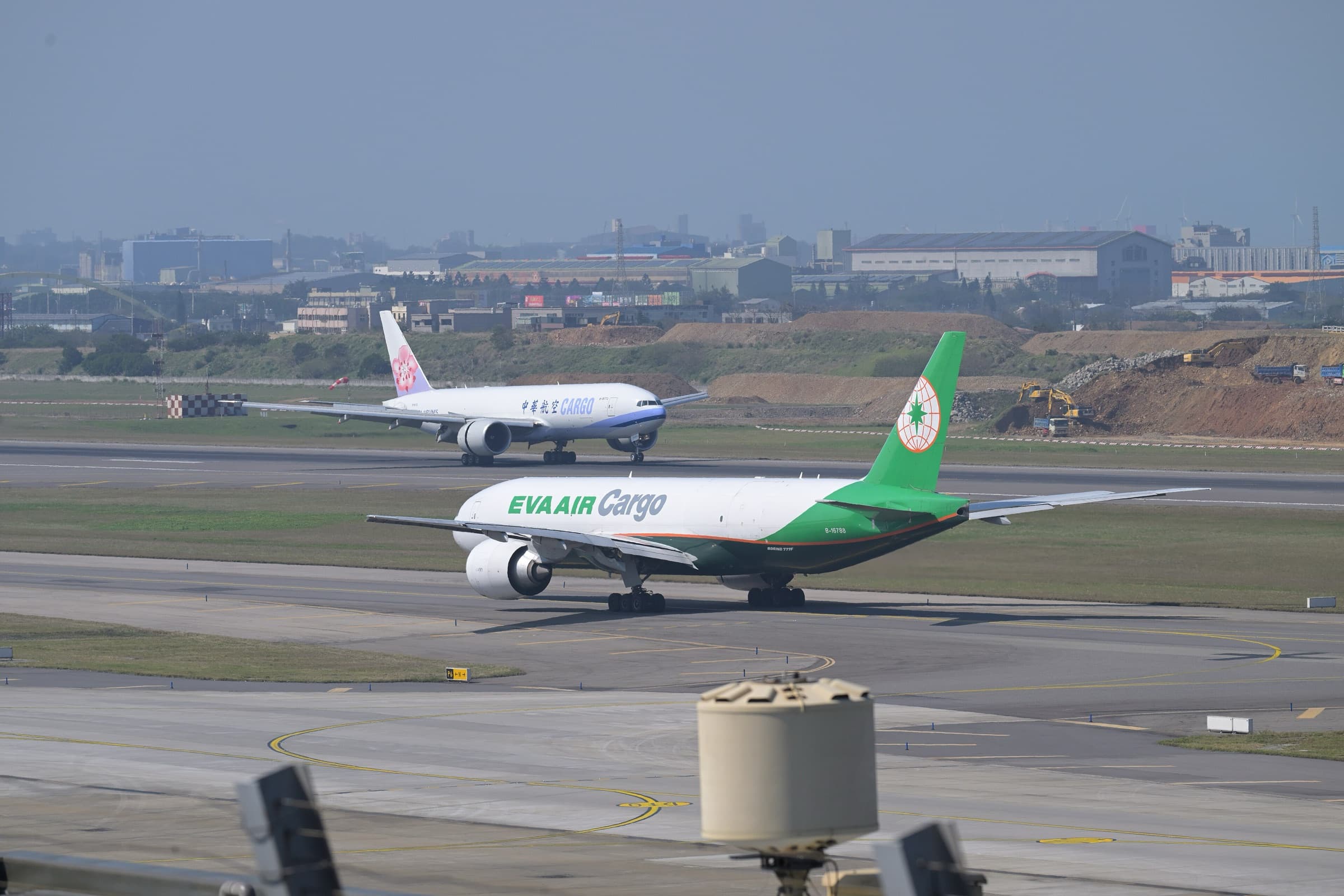
AI Chips Are Redrawing Asia’s Air-Cargo Map
The Jul 29 story is geographic: freighters are being rewired around Taipei, Bangkok, Hanoi, and other chip hubs as e-commerce growth cools.
4 min · Jul 29, 2026

Hong Kong Beyond the Harbor: A First Week for Cantonese Diaspora Travelers
Hong Kong works when you mix one harbor ritual with neighborhoods you repeat at different meal hours.
6 min · Jun 1, 2026
Related global reads
Transpacific Bound
Asia’s Airports Want to Be Your First Destination
Transpacific Bound
Flying to Asia for Work? How to Turn a Business Trip Into a Smarter Extended Stay
East Table
East Asia cold noodles field guide
At the Banquet
The Banquet guide to Hong Kong
At the Banquet
Three nights at Rosewood Hong Kong