
C.C. Wei Waited Twenty-Six Years for These Chairs
Born in a Nantou tea township, he rotated through every room Morris Chang thought a successor needed. Now he holds both jobs at TSMC, and has to put the foundry in other countries without losing Taiwan.
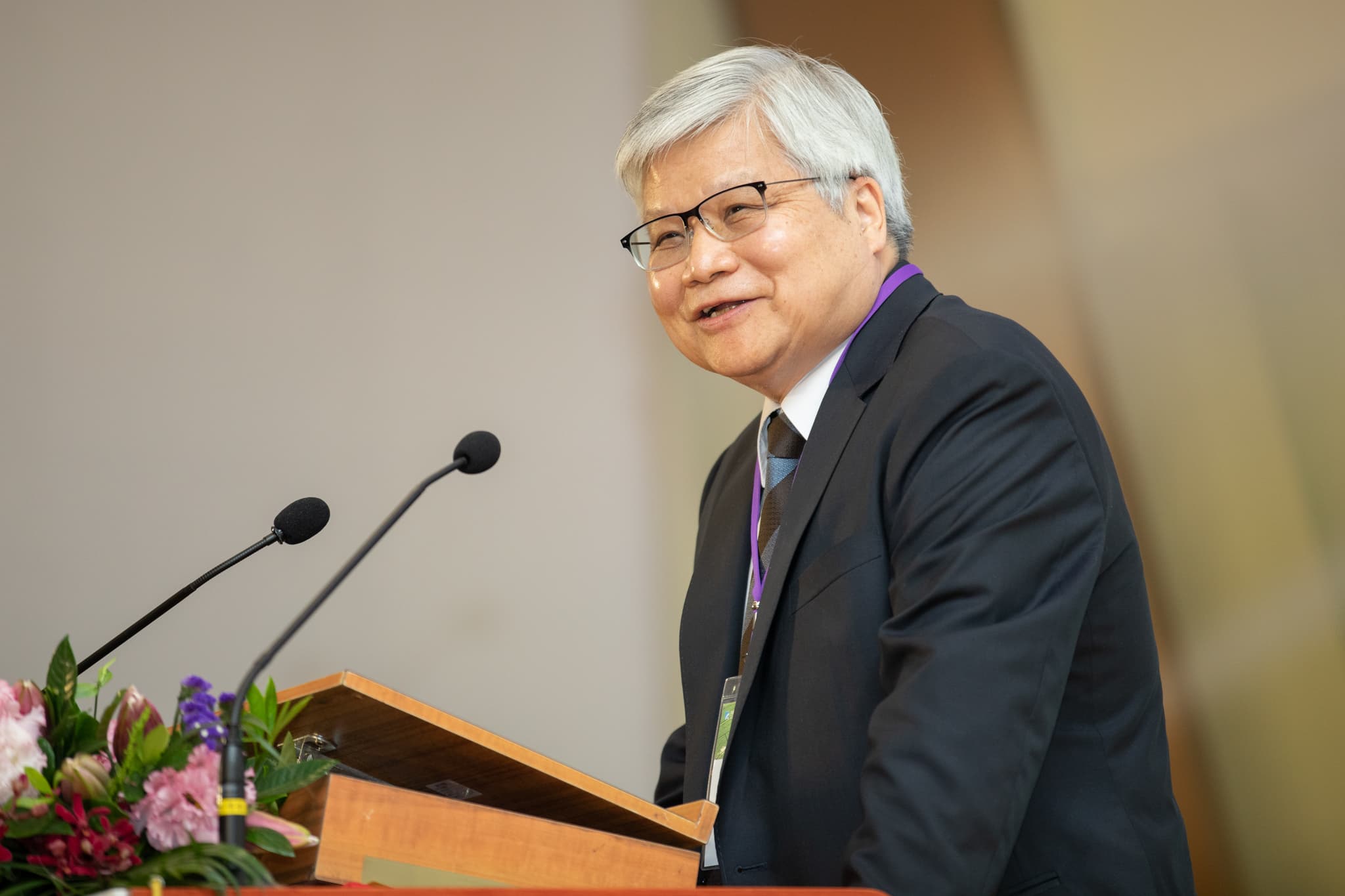
C.C. Wei was born in 1953 in Lugu Township, in the tea hills of Nantou County—the middle of Taiwan, a long way from the science parks that later made the island famous.
The family moved to Taichung when he was still in elementary school. He went to Taichung Municipal First Senior High, then, in 1971, into the electronics department at National Chiao Tung University, now National Yang Ming Chiao Tung University, for a bachelor’s and a master’s. In 1985 he finished a Yale doctorate under Tso-Ping Ma, a semiconductor physicist, on how radio-frequency plasma can damage the tiny metal-oxide structures inside a chip. He was learning the ways a wafer fails.
Wei—Che-Chia Wei, 魏哲家—is now chairman and chief executive of Taiwan Semiconductor Manufacturing Company, the dedicated foundry that fabricates the logic chips almost everyone else’s designs depend on. He is the first person to hold both chairs since Morris Chang, who founded the company in 1987 and proved that a factory could exist only to manufacture other people’s silicon.
After Yale he joined the research staff at Texas Instruments, then ran logic and high-speed memory technology at STMicroelectronics, then became senior vice president of technology at Chartered Semiconductor Manufacturing, the Singapore foundry. On 2 February 1998 he came home as a TSMC vice president. His first brief was unglamorous on purpose: the older six-inch and eight-inch fabs, fingerprint sensors, automotive chips, a stubborn yield problem on a 0.13-micron copper process in 2003.
Morris Chang later explained why that tour mattered.
In February 2024, Wei’s old university gave him honorary doctorates in engineering and science. Chang stood up and said that after six years as chief executive, Wei was, in his opinion, the CEO with the most comprehensive preparation. He had been through the three rooms Chang thought a foundry needed—research, manufacturing, and customers. In the fabs he had run about twelve thousand people. When Chang wanted a company-wide business-development shop, Wei took a team of sixty or seventy. CommonWealth Magazine later put Chang’s verdict in a cleaner line: the best-prepared CEO there is.
Wei’s own remarks that day were quieter. He said he had learned to listen by watching Chang. He cited Jim Collins, the American management writer, and a warning in How the Mighty Fall: a company starts to slip when the chief executive forgets who he is. Regardless of the position he held, Wei said, he never forgot where he started.
He became president and co-CEO in November 2013, sharing the office with Mark Liu while Chang still chaired. In June 2018 Chang retired. Liu took the chair. Wei became CEO. On 4 June 2024, after the annual meeting, the new board elected Wei chairman and chief executive, unanimously. Liu retired. The succession Chang had designed for two men became one job.
The job is no longer only a factory in Hsinchu.
On 16 July this year Wei told investors that packaging—the work that turns finished wafers into usable AI chips—was so tight it was limiting customers’ growth. The same day TSMC raised its Arizona commitment by another $100 billion, to a planned total of about $265 billion, money not yet spent and still tied to demand. Japan Advanced Semiconductor Manufacturing, the Kumamoto venture, is already on the ground. A joint factory in Dresden is the European mark on the same map. He is building more advanced capacity in Taiwan at the same time. Other capitals want a piece of the foundry. He is the person who has to decide how much of it can leave the island without the island losing the company.
In February he was in Tokyo, received at the Prime Minister’s Official Residence—the sort of room a process engineer from Nantou does not expect to enter. He enters it now because a fab has become a matter of state.
At a company sports day in Hsinchu in October 2024, he told employees he had waited twenty-six years to stand where he was standing. He has the chairs. He also has a map Chang never had to manage. The test is whether the engineer from Lugu can still hear himself in rooms that are not Taiwan’s.
Related stories
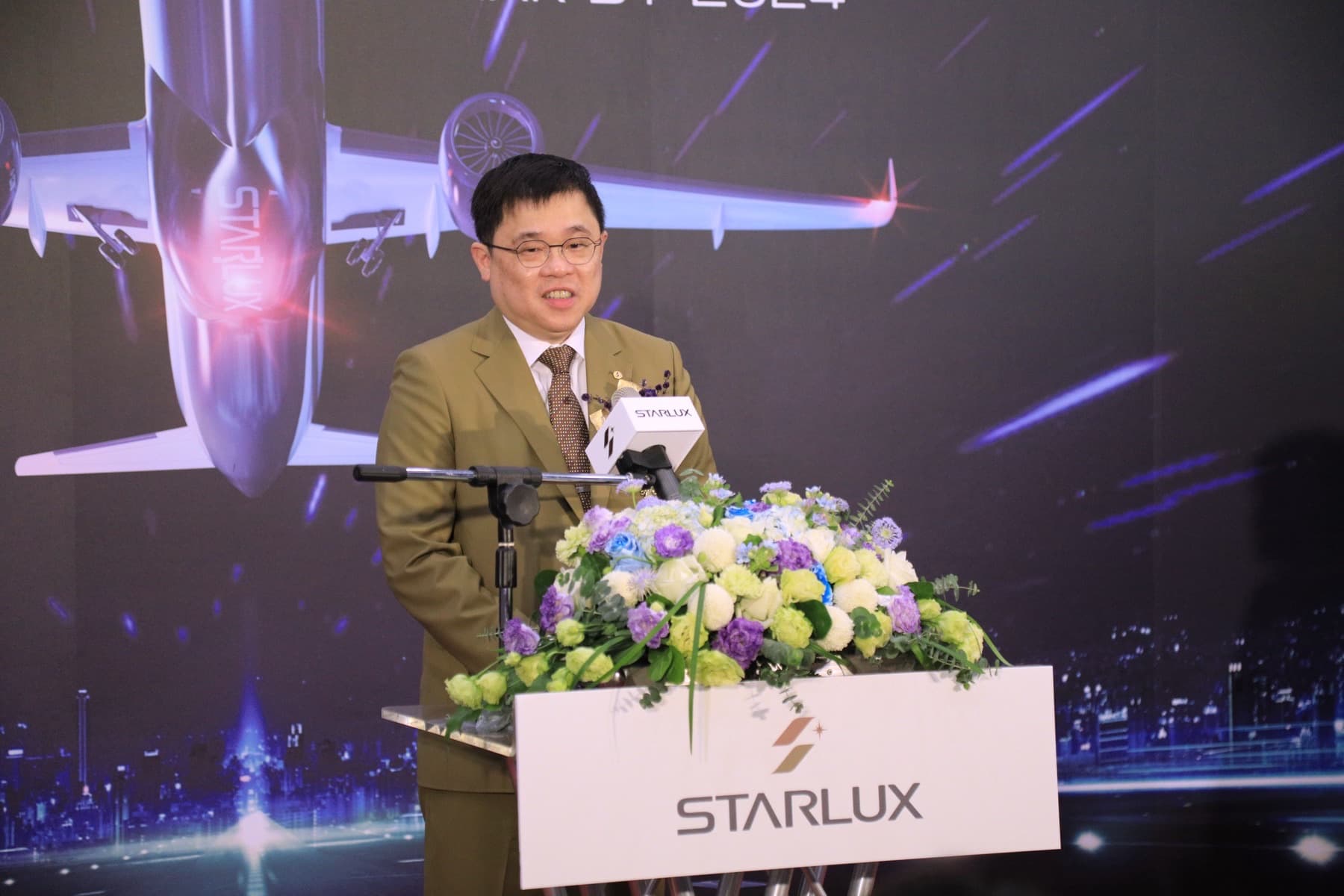
Chang Kuo-wei Still Flies the Airline He Built
The youngest son of Evergreen’s founder lost the family airline, then built STARLUX. The company is listed now. He is still the one who flies the new jets home.
8 min · Aug 17, 2026
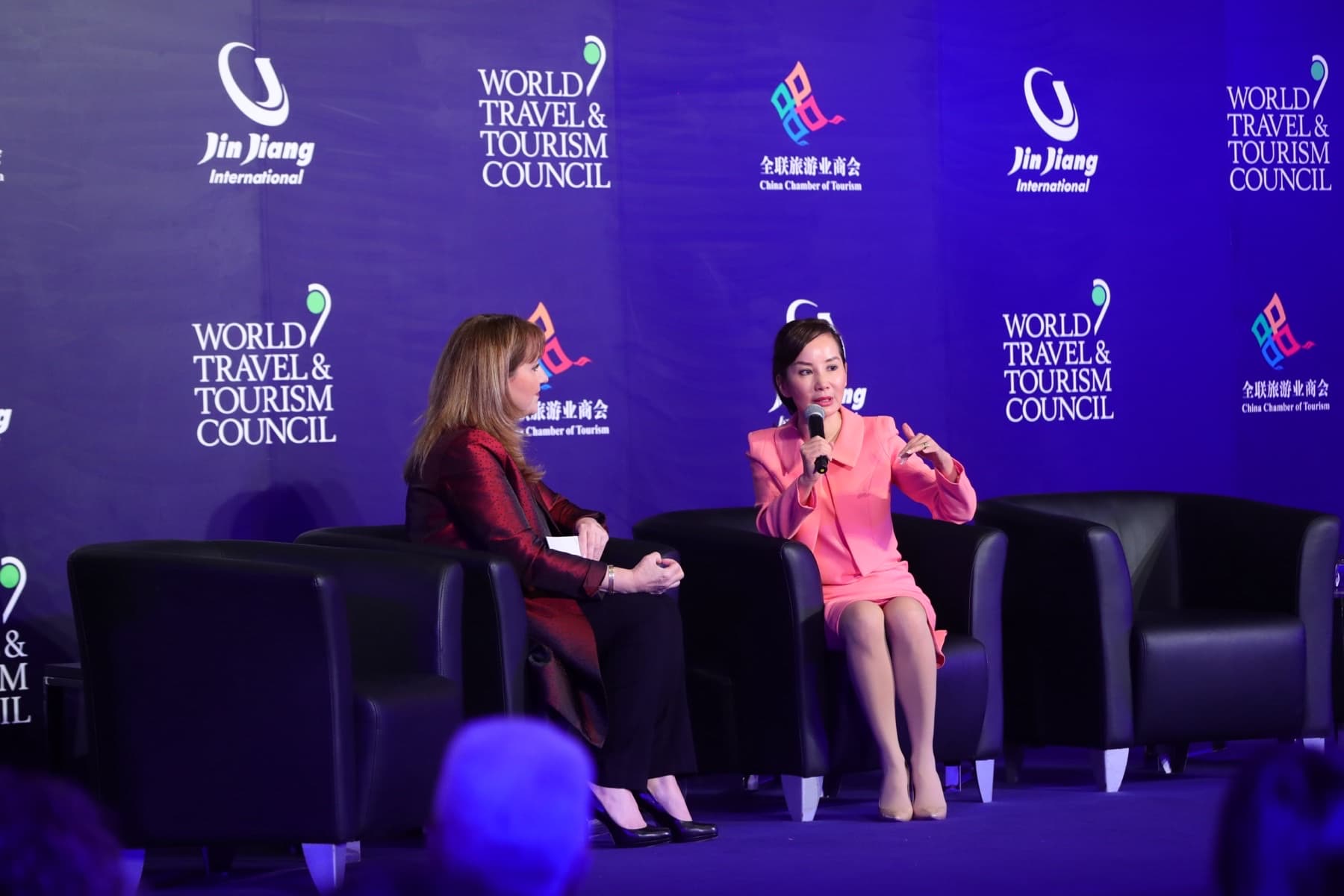
Jane Sun Crossed the Pacific, Then Bought the Search Bar
Jane Sun learned American public-company language in Silicon Valley, then spent twenty years making Ctrip—later Trip.com Group—legible far beyond China. This summer she also absorbed China’s first online-travel antitrust penalty.
8 min · Aug 17, 2026
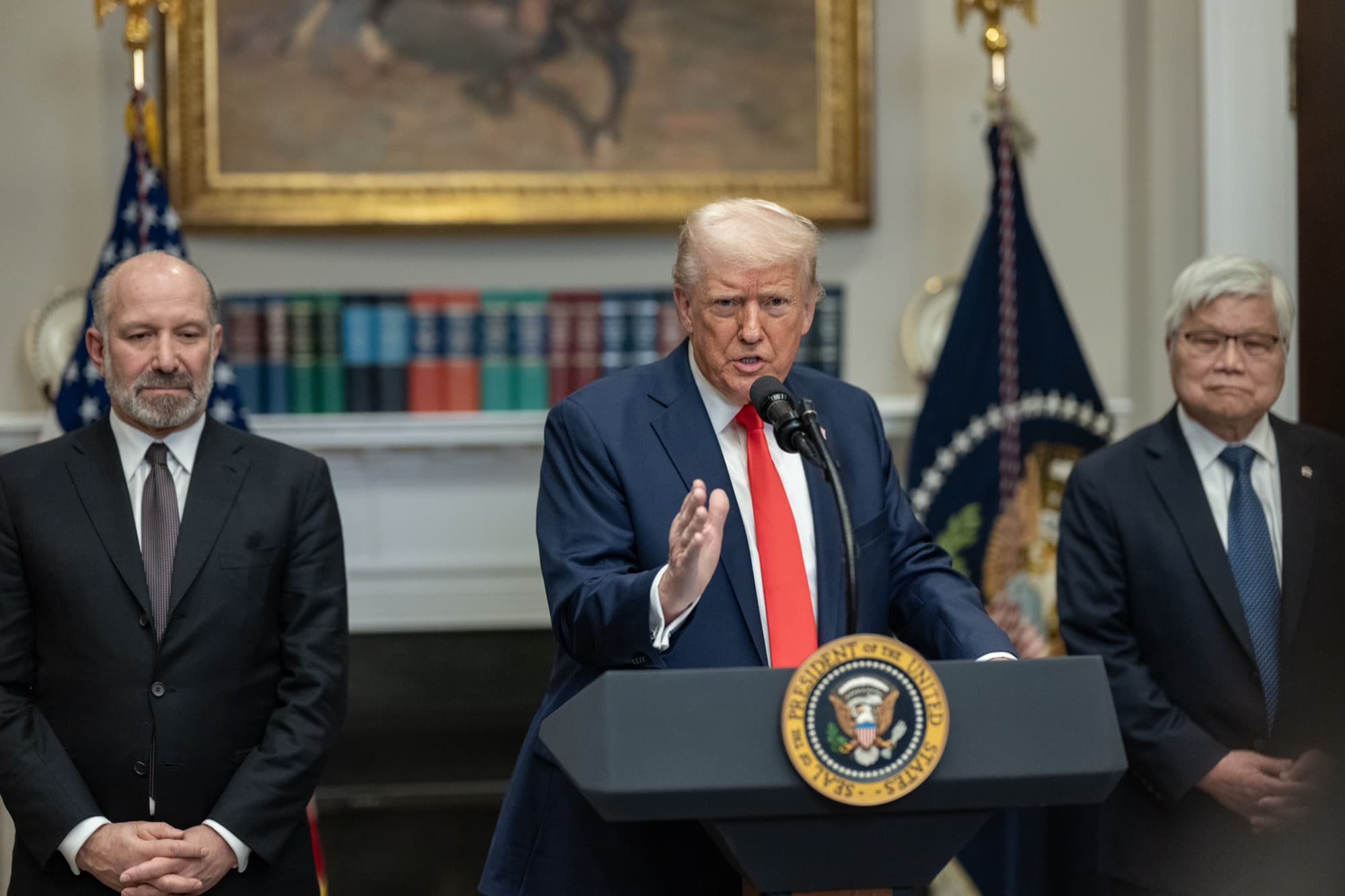
TSMC’s $265 Billion Arizona Bet Is Really About Packaging the AI Boom
On its July 16 earnings call, TSMC tied a fresh $100 billion Arizona commitment to packaging capacity so tight it is limiting customers’ growth.
4 min · Jul 16, 2026
TSMC’s Japan Fab Is on Utilities Again—Calibration Is the Slow Part
The useful chip-supply update from Kumamoto is operational: power and water are normal, tools are being checked and tuned, and TSMC has not posted a full-recovery date.
3 min · Jul 29, 2026