
TSMC’s Japan Fab Is on Utilities Again—Calibration Is the Slow Part
After a magnitude-7.1 tremor near its Kumamoto plant, TSMC says JASM’s structure held, utilities are normal, and the remaining work is equipment inspection and calibration as operations restart gradually.
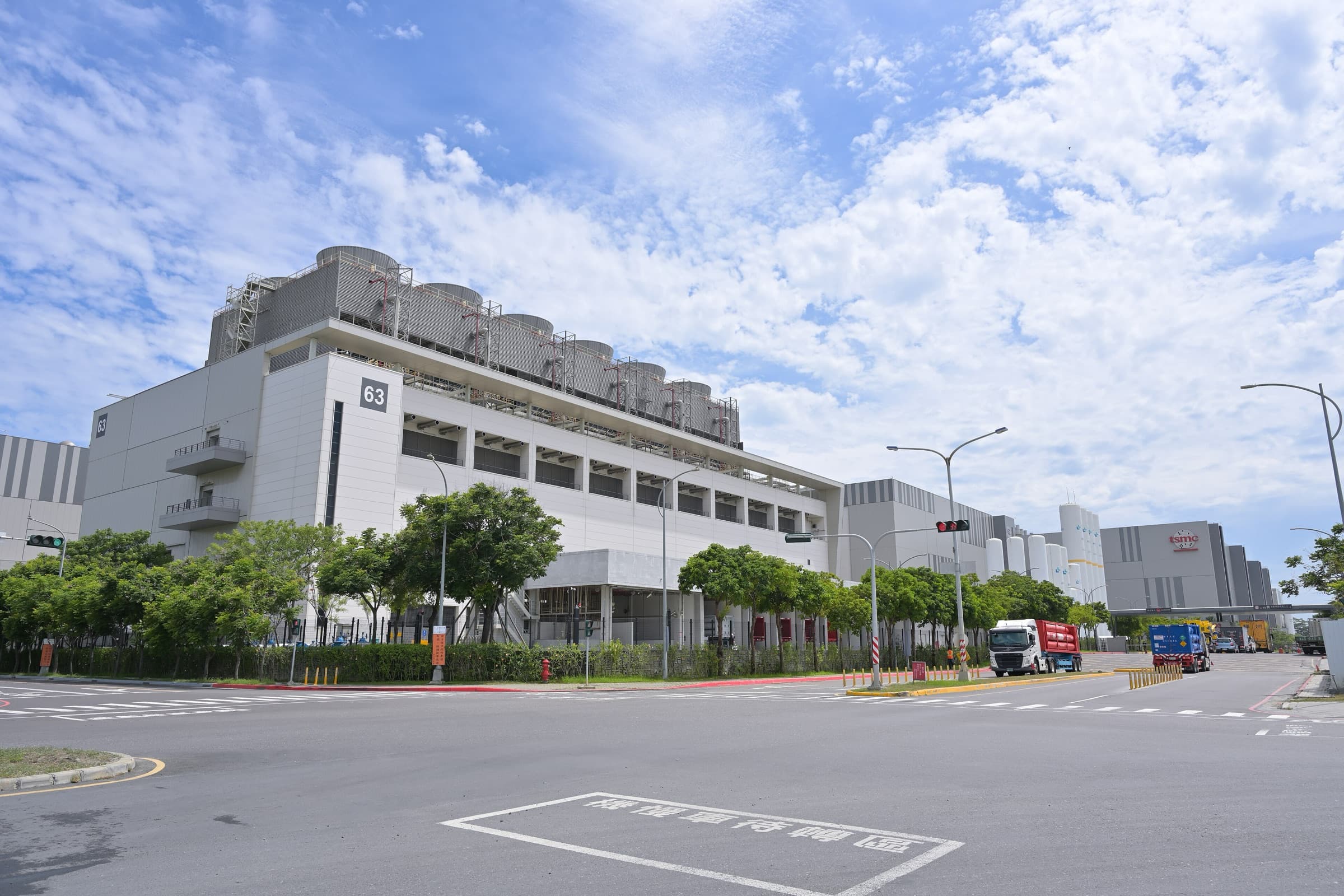
For anyone watching Japan’s chip geography, the useful question after Tuesday’s strong tremor in Kumamoto Prefecture is narrow: what did Taiwan Semiconductor Manufacturing Co. say about Japan Advanced Semiconductor Manufacturing Inc., the TSMC-led joint venture that runs the company’s first Japan fab. The answer across successive statements has stayed consistent: the plant structure held, personnel were accounted for after a precautionary evacuation, utilities are back to normal, and the remaining work is equipment inspection and calibration while operations restart gradually.
Focus Taiwan, citing a Tuesday-night TSMC statement, reported that an inspection found the JASM fab unscathed and that operations were gradually being restored. That update came with a limit, though: further examinations of the complex continue, and TSMC did not give a date for a full return to normal. NHK, via CNA, put the regional magnitude at about 7.1, with Kikuyō, where the fab sits, recording strong shaking on Japan’s intensity scale. Treat those numbers as context for why a fab pauses, not as a tour of wider regional damage.
By Wednesday, specialist reporting on TSMC’s third update pointed to a clearer ops checklist. DigiTimes framed it this way: utility systems at JASM operating normally, equipment inspection and calibration in progress, and construction activity moving again after safety evaluation. Secondary paraphrases of the same company line added detail: power, water, and safety systems normal; material supplies unaffected; additional resources deployed to support the site; close communication with customers. The important caveat sits inside that language, calibration after a large tremor can take extra time, and it’s worth reading literally rather than inventing scrap rates or yield hits TSMC has not published.
Why the plant matters for a Pacific business desk is already on the public map. JASM’s first Kumamoto fab entered commercial operations at the end of 2024 on specialty processes aimed at automotive and industrial customers, among others. Construction of a second fab is already underway, with mass production estimated for 2028 on advanced 3-nanometer work. TSMC said earlier that the Fab 2 construction site itself was not affected, even while some work was paused as a precaution against aftershocks; later company language suggests construction resumed after safety checks. Taiwan’s Ministry of Economic Affairs, via CNA, named Taiwanese firms in the Kumamoto area, including Advantech, Delta Electronics, Ucan, and a Tokyo Star Bank branch, as not hurt, which is useful color for supply-chain calm, not a full industrial census.
What travelers and investors should not do is treat "structure intact" as "every tool is already singing." Semiconductor tools are vibration-sensitive, and a gradual restart usually means utilities first, then tool-by-tool inspection, then calibration, then confidence in work-in-process wafers. TSMC’s silence on a full-normal date is itself the honest signal here. Customer communication and extra on-site support are the company’s way of saying continuity is being managed in public, while the private spreadsheet still waits on metrology.
What to watch next is operational and dull, which is the point. Whether TSMC posts a clearer recovery window once calibration finishes. Whether Fab 2's 2028 mass-production language holds without a schedule change. Specialty-process customers in auto and industrial are the near-term audience for any prolonged tool downtime. Arizona and Taiwan capacity stories remain parallel geography here, not substitutes for a Japan fab that still needs its tools re-certified.
The honest close is supply-chain hygiene. A major foundry in Kyushu paused, checked concrete and utilities, and put the hard work back where fabs always put it: on the tools. Treat the story as a calibration calendar, not as a finished all-clear on every wafer in the line.
Related stories
TSMC’s $265 Billion Arizona Bet Is Really About Packaging the AI Boom
On its July 16 earnings call, TSMC tied a fresh $100 billion Arizona commitment to packaging capacity so tight it is limiting customers’ growth.
4 min · Jul 16, 2026
Tower’s $3 Billion Japan Bet Is About Wiring AI, Not Building Another Logic Megafab
Tower’s dual-track Japan expansion puts silicon photonics and SiGe capacity behind AI optical interconnect, with about $3 billion net of roughly $1 billion in Japan grants.
3 min · Jul 23, 2026

AI Hardware Is Filling Transpacific Air Cargo to the Ceiling
Xeneta puts Asia–North America dynamic load factors at 90%. May Taiwan–U.S. rates hit $7.02 per kilo. Korean Air’s cargo yield jumped about 42% in the second quarter.
5 min · Jul 24, 2026

Korea Just Pre-Sold $950 Billion of Memory
Kim Yong-beom put ~$950B on Korean–US chip cooperation as advance memory orders, not investment. Here’s the SK–Nvidia, Samsung–Broadcom, and Naver split, and what still sits in unconfirmed.
4 min · Jul 25, 2026
Related global reads
Transpacific Bound
TSMC’s $265 Billion Arizona Bet Is Really About Packaging the AI Boom
Transpacific Bound
Tower’s $3 Billion Japan Bet Is About Wiring AI, Not Building Another Logic Megafab
East Table
East Asia cold noodles field guide
East Table
Japan food consumption tax cut
Medalist News
How Japanese football became a Europe export