TSMC’s $265 Billion Arizona Bet Is Really About Packaging the AI Boom
TSMC just raised its Arizona commitment by another $100 billion, to about $265 billion. The quieter story is advanced packaging, and what a Taiwanese chip culture means for Phoenix, U.S. AI supply, and Taiwan itself.
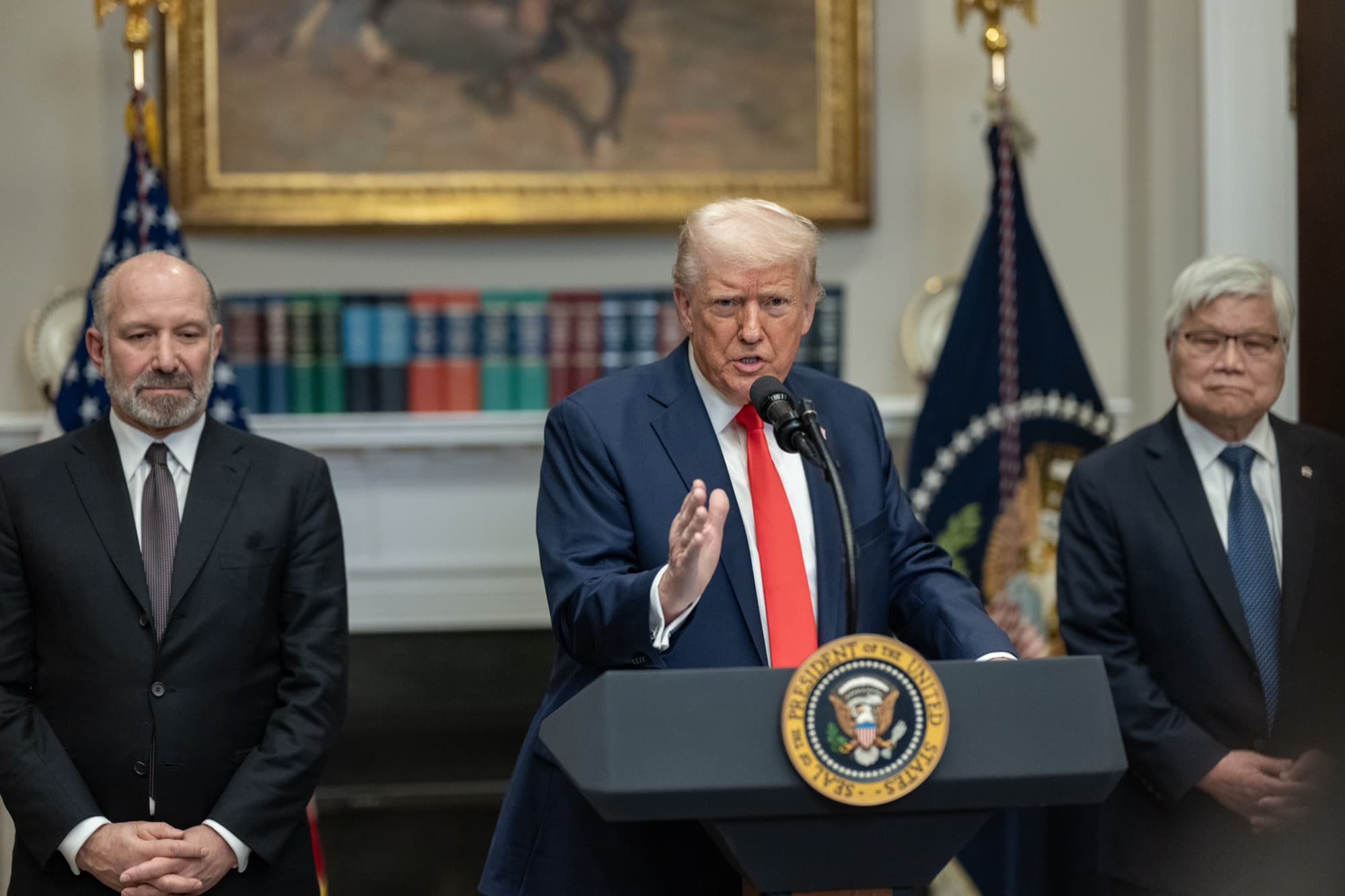
On its July 16 earnings call, TSMC Chairman and CEO C.C. Wei said packaging capacity is so tight that it is limiting customers’ growth. The same day, the company raised its Arizona commitment by another $100 billion, taking the planned total to about $265 billion. The quieter story inside that number is advanced packaging: the back-end work that turns leading-edge wafers into usable AI accelerators, and what a deeper Taiwanese manufacturing presence means for Phoenix, U.S. supply, and Taiwan itself.
The $265 billion figure is a multi-year planned investment, not cash already spent. Wei declined a firm three- or five-year timetable and said the pace depends on market conditions and customer demand. NIST framed the incremental $100 billion as adding four facilities and bringing the Arizona campus to twelve leading-edge semiconductor and packaging facilities. The Arizona Commerce Authority describes a future campus of ten wafer fabs, two advanced packaging facilities, and an R&D center, with roughly 30 percent of TSMC’s 2-nanometer and more advanced capacity in Arizona once the announced build-out is complete. Wei, answering questions, said the new money probably funds about four more fabs combining front-end and back-end work.
That packaging emphasis matters because wafer capacity alone no longer tells the AI-hardware story. Wei said the majority of TSMC’s advanced packaging today is still CoWoS, while the company develops alternatives. Sell-side and specialist reporting through 2025 and 2026 has treated CoWoS slots as a binding constraint on accelerator shipments; exact weekly capacity and customer allocation figures vary by outlet and date, so they belong as industry color rather than company disclosure. What TSMC itself confirmed is that packaging tightness is already slowing customers, and that Arizona’s new money includes packaging fabs alongside logic plants for 2-nanometer and below.
The campus is already real. Fab 1 entered high-volume production on N4 in the fourth quarter of 2024 with good yield, according to TSMC’s June 2026 annual general meeting minutes. Fab 2’s structure is complete and systems are being installed, with high-volume production pulled forward to the second half of 2027. Fab 3, aimed at N2 and A16-class technology, began construction in 2025 with production targeted by the end of the decade in CHIPS and NIST framing. The Arizona Commerce Authority says TSMC Arizona already employs more than 3,500 people.
Phoenix is absorbing more than concrete. The Greater Phoenix Economic Council has counted more than 140,000 occupations relevant to semiconductors in the metro area. Neighboring Peoria is getting Amkor’s expanded $7 billion advanced packaging and test campus, with production targeted for early 2028 and Apple among the customers named in Amkor’s groundbreaking materials. The cluster story is incomplete without that supplier layer: foundry wafers still need packaging and test nearby if the United States wants more of the finished AI stack onshore.
Taiwan is not emptying out. Wei said TSMC is building thirteen leading-edge and advanced packaging fabs in Taiwan over the next several years. Taiwan’s Cabinet and Ministry of Economic Affairs publicly treated that parallel investment as evidence the island remains the company’s manufacturing and technology center of gravity. Arizona can diversify geography for U.S. customers without relocating the foundry’s deepest process and packaging base.
Political pressure sits in the background without explaining the whole decision. A January 2026 U.S.–Taiwan trade and investment fact sheet linked semiconductor Section 232 treatment and tariff framing to large Taiwanese tech investment commitments in the United States. NIST’s July 16 statement tied TSMC’s incremental $100 billion to that January deal and to the March 2025 expansion that had already taken Arizona’s announced total to $165 billion. Company language still emphasizes customer demand and collaboration with U.S. customers and governments. Tariffs did not, on the public record, force a particular fab schedule.
The earnings backdrop helps explain why TSMC can keep writing larger Arizona checks. Second-quarter 2026 revenue reached NT$1,270.38 billion, or about $40.20 billion, up 36 percent year over year. Net income rose 77.4 percent. The company raised 2026 capital expenditure to $60–64 billion from a prior $52–56 billion range, with roughly 10 to 20 percent of that mix going to advanced packaging, testing, mask making, and related work, and raised full-year revenue growth guidance to slightly above 40 percent in U.S. dollars.
For readers who follow the AI supply chain across the Pacific, the useful reading is geographic and industrial at once. Phoenix is becoming a place where Taiwanese process discipline, desert construction crews, university pipelines, and packaging partners share a metro. The United States gains more leading-edge and packaging capacity on a demand-dependent schedule. Taiwan remains the densest node in the same company’s map. The July announcement is less a ribbon-cutting than a bet that the bottleneck after the transistor is assembly, and that Arizona will host more of that work as the decade closes.
Related stories
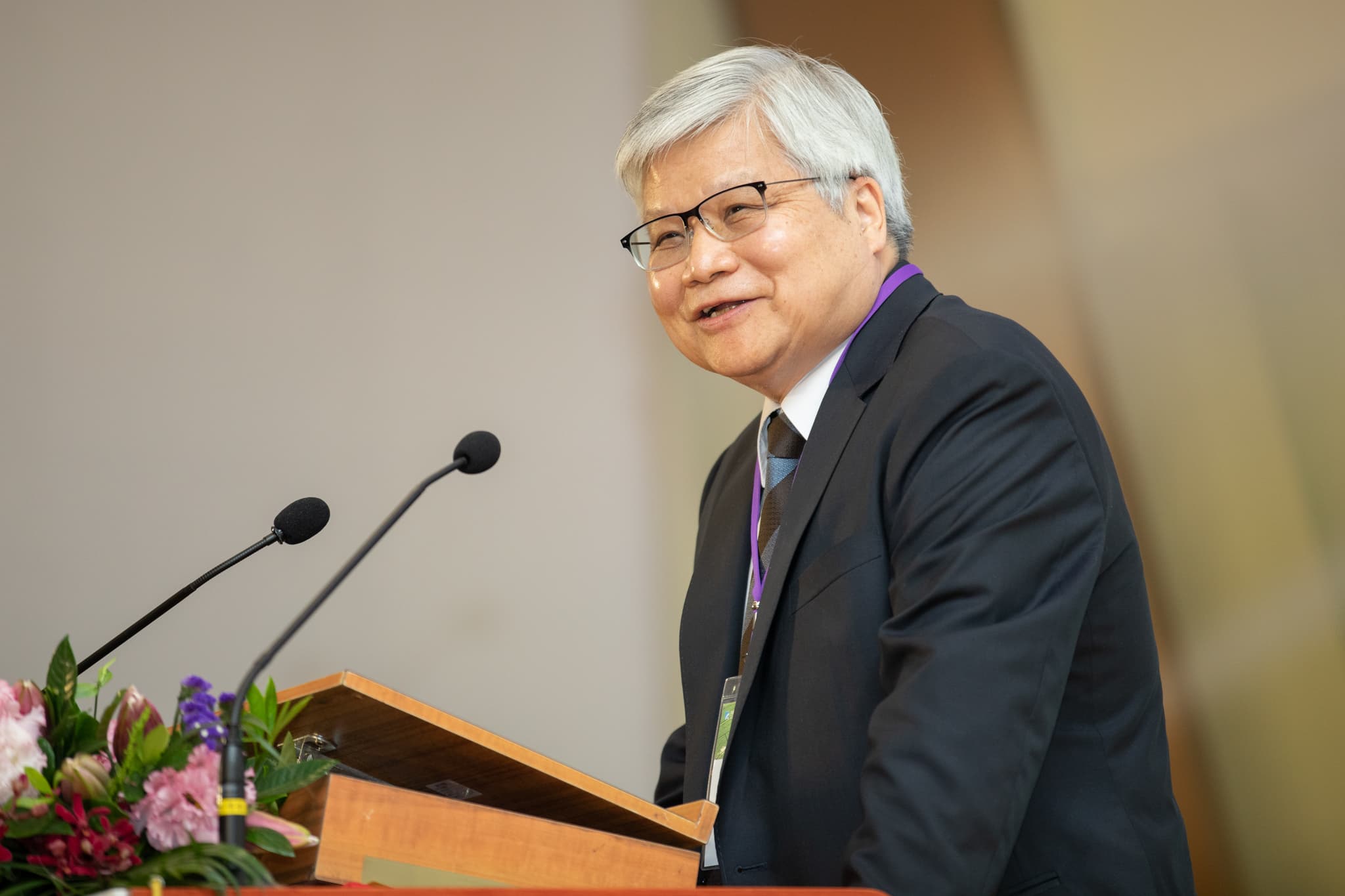
C.C. Wei Waited Twenty-Six Years for These Chairs
The engineer from Taiwan’s interior is the first person since Morris Chang to hold both chairs at TSMC. The job is to move the map without the island losing the company.
8 min · Aug 17, 2026
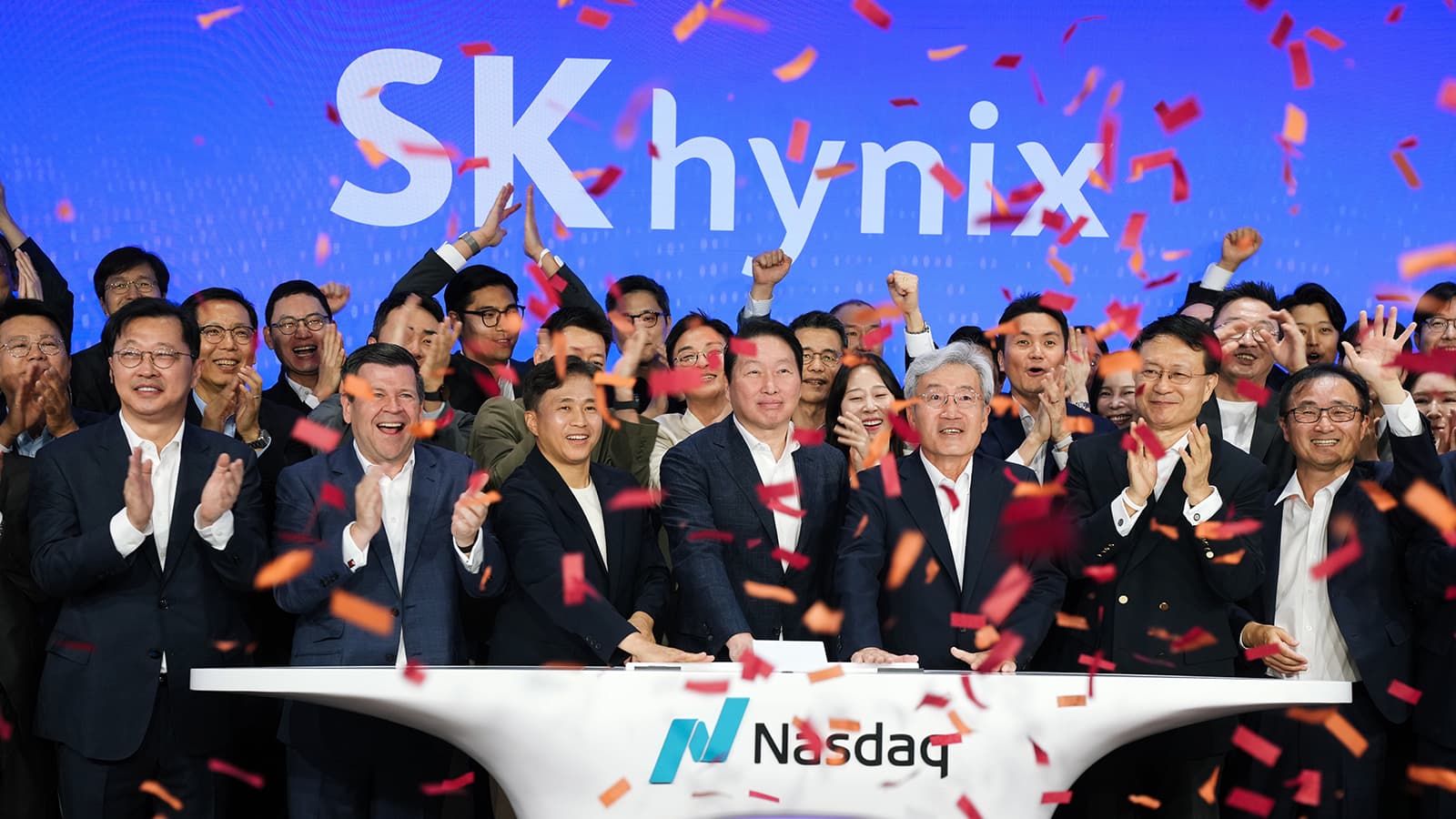
Why SK hynix Shares Are So Volatile After Its Nasdaq Debut
SKHY and Seoul-listed 000660 represent the same chipmaker, but July’s listing structure briefly made them look like different stories.
7 min · Jul 16, 2026
DHL’s Bangkok–Cincinnati Freighter Maps the New Asia–U.S. Air Cargo Story
A thrice-weekly Bangkok–Cincinnati freighter with up to 100 tons per flight shows how AI and semiconductor hardware are reshaping Asia–U.S. air cargo.
4 min · Jul 9, 2026

Google’s Finance Hub Shift: Practical Lessons for Building a Global Team
Google concentrated finance work in Bengaluru, Mexico City, Dublin, Chicago, and Atlanta. Smaller companies should study the handoffs as closely as the geography.
6 min · Jul 16, 2026