
China’s New Five-Year Entry Ban Makes Visa “Shortcuts” a Much Bigger Risk
From September 15, a false document or a false line on a China visa—or at the border—can keep you out for one to five years. Read every page before you—or an agent—hit submit.
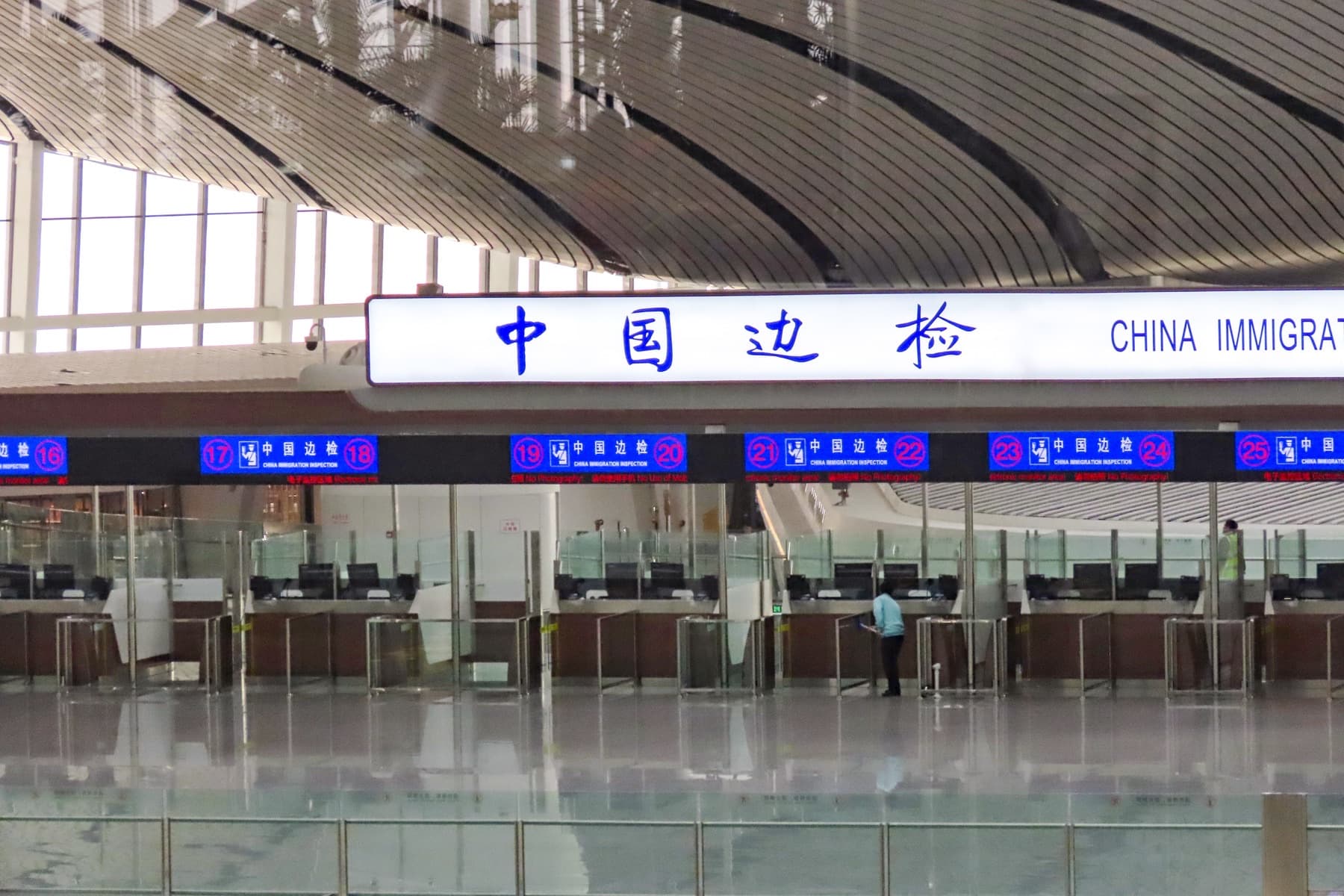
What changes on September 15
If you fly to China for work, family, or a holiday, September 15 is now a date to circle.
That is when a new State Council rule takes effect—Decree No. 841, published by Xinhua on July 31 after Premier Li Qiang signed it. China’s immigration agency posted the text and a Q&A the same day. The change is easy to say and easy to underestimate: if you provide false materials or make false statements when applying for a Chinese visa abroad, or when applying to enter at a port, immigration or visa officers may bar you from the country for one to five years.
The verb matters: they *may* bar you. A sloppy file is not automatically five years off the map. It can still be years, which is a different problem from being told to try again next month.
Officers can still refuse the document or turn you away on the spot if the file is false, without issuing a multi-year ban. That ruins this trip. The ban ruins the next several years.
A second track covers people already punished for border fraud or illegal exit or entry. In those cases, a ban can run from the day the punishment finishes. That is a different problem from a first-time visa file that simply does not match reality.
False statements, false documents, and officer discretion
The Chinese text uses two plain phrases: false materials and false statements. There is no tourist glossary. In practice that reaches fabricated bank statements, doctored employment letters, invented itineraries, and answers that contradict the supporting file. It also reaches a travel purpose that does not match what you actually intend—tourism paperwork for a work trip, or a “visit friends” story that is really a job hunt.
The rule never draws a bright line between a careless typo and intentional fraud. A separate clause punishes obtaining visas by deception, which is heavier language. The one-to-five-year ban still does not say “only if you meant it.” How long you stay out is left to the officers.
So do not assume a small error is harmless. Do not assume every error equals five years either. Erickson Immigration Group, a U.S. firm that wrote a client note on the decree, described the package as tighter scrutiny of identities, purposes, and supporting documents, with bans among the possible outcomes. Until China’s immigration agency issues more implementing guidance, treat copied agent language and unverified PDFs as if they could be read as false materials.
Agents, invitation letters, and who is on the hook
The shortcut economy is what the decree is trying to shrink. Visa agents and document shops will have to file with local immigration—new firms within fifteen days of opening, existing ones within ninety days of September 15. Overseas companies are not allowed to sell those intermediary services inside China. Agents are barred from supplying false materials, or helping someone else do it, and from misleading ads.
None of that washes you clean. You still sign, or you still stand at the counter. If an agent pastes last month’s “factory visit” itinerary onto your leisure trip, the false statement is yours when the file goes in.
Invitation letters are the other trap. Hosts—companies or individuals—are responsible for the truth of what they certify. A false invitation can bring fines on the order of 5,000 to 10,000 yuan for a person, or 10,000 to 50,000 for a company, plus confiscated gains. A Chinese friend who “helps” with a letter they cannot stand behind is now in the same risk pool as you.
If you use an agent after September 15, ask whether the firm has completed immigration filing, and read every page in a language you actually understand before it is submitted.
Appeals are thinner than you want
Here the decree gets thinner. There is a written-notice and relief clause—but it is written for people barred from *leaving* China. A three-ministry Q&A repeats that point. It does not spell out a clear, traveler-facing appeal if you are hit with a one-to-five-year *entry* ban.
Other Chinese appeal routes may still exist. This decree just does not hand you a playbook. Do not plan on talking your way out after a false file lands. Do not assume a travel agent can fix it quietly. Watch for implementing measures before September 15. Until those appear, treat a ban as something you may have to challenge later, slowly, and without a guaranteed timeline.
Enforcement will also show up at the port, not only at a visa window abroad. A refusal at the booth can now sit next to a multi-year bar, depending on how officers read the case.
A pre-submission check for business, family, and tourist trips
Do this before anyone hits submit—visa, port visa, or a thick invitation pack. It is slower than forwarding a PDF. That is the point.
**Everyone:** Names, passport numbers, and dates of birth match the bio page exactly. Travel dates match tickets you actually hold or can truthfully intend. Hotel or host address is real. You can explain every document in the folder without reading an agent’s script. Photos and scans are of *your* papers.
**Business visitors:** The invitation comes from a company that exists, on letterhead you can verify, with a contact who will pick up the phone. The stated purpose matches the meetings on your calendar—not a recycled “inspect the factory” paragraph. Your employer letter and the Chinese host letter tell the same story. If you will be paid locally or stay past a visit, you need the right visa class, not a tourist workaround.
**Family visitors:** Relationship evidence is consistent—names, spellings, prior visas. The inviter’s identity documents and address are current. You are not quietly planning work or study on a family-visit narrative.
**Tourists:** Itinerary cities are places you can name. Bookings are cancelable or clearly marked as intended, not fabricated. You are not carrying a second story for immigration that contradicts the application.
If any line was written by someone else, rewrite it in your own words or strike it. A refused visa is a delay. A false file, after September 15, can be years.
Refused, banned, or visa-free
A refused visa means you do not get that stamp this time. You can often correct the file and try again. A ban under this rule means you may not enter China for a stated period. Do not let an agent blur those outcomes with “worst case they just say no.”
China’s visa-free opening track is still running separately. Transit visa-free for many nationalities—240 hours at designated ports, with an onward ticket to a third place—has not been repealed. Unilateral visa-free entry for many ordinary-passport holders sits on its own calendar. The new decree does not cancel those programs.
You still clear immigration. False statements at a port still sit inside the new wording. Use visa-free routes only when you truly qualify: confirmed onward seat, permitted activity, right port. Do not use them to skip telling the truth about why you are there.
Slow the paperwork down. If a shortcut needs you not to read the invitation, do not buy it. September 15 makes that advice expensive to ignore.
Related stories
U.S. Visa Rules Are Tightening Just as Asian Travel Demand Accelerates
As the U.S. locks in visa bonds for fifty countries and caps student admissions at four years, Asian travelers still want American trips—but friction is shifting bookings toward Europe, the Gulf, and easier Asia.
7 min · Aug 7, 2026

Asia’s Airports Want to Be Your First Destination
Book the connection like a city stop. Jewel’s landside campus and Incheon’s airport-island resorts are competing for your first hours in Asia.
4 min · Aug 3, 2026

Flying to Asia for Work? How to Turn a Business Trip Into a Smarter Extended Stay
Split the calendar, pay the incremental personal costs, pick a hub that rewards two free days, and protect the flight home from becoming a second jet-lag week.
7 min · Aug 4, 2026

AI Planned My Asia Trip. Here’s What Still Breaks.
Chatbots will sketch Seoul or Taipei in seconds. Entry rules, last trains, and closed Mondays still need a human check before you treat the itinerary as a ticket.
4 min · Aug 3, 2026