
Japan Is Off China’s Golden Week Top 10. Bangkok Took First.
Last year Japan led Tuniu’s overseas list for this holiday. This week it is gone from the charts. Tongcheng’s cities start Bangkok, then Kuala Lumpur, then Seoul.
Article
Last October, Japan was the Chinese Golden Week trip. This week, on the booking lists that used to put Tokyo and Osaka near the top, Japan is simply missing.
China’s National Day holiday opened October 1 and runs through Wednesday the 7th. Plenty of travelers stapled Mid-Autumn leave onto the front and stretched the break to thirteen days. Length was never the surprise. The map is.
Tuniu, one of China’s big online travel agencies, put Japan first on its overseas Golden Week list in 2025. On October 1, Kyodo News reported that Japan has fallen out of Tuniu’s top ten for 2026. Indonesia, Turkey, and South Korea are among the places Tuniu says are selling hardest instead.
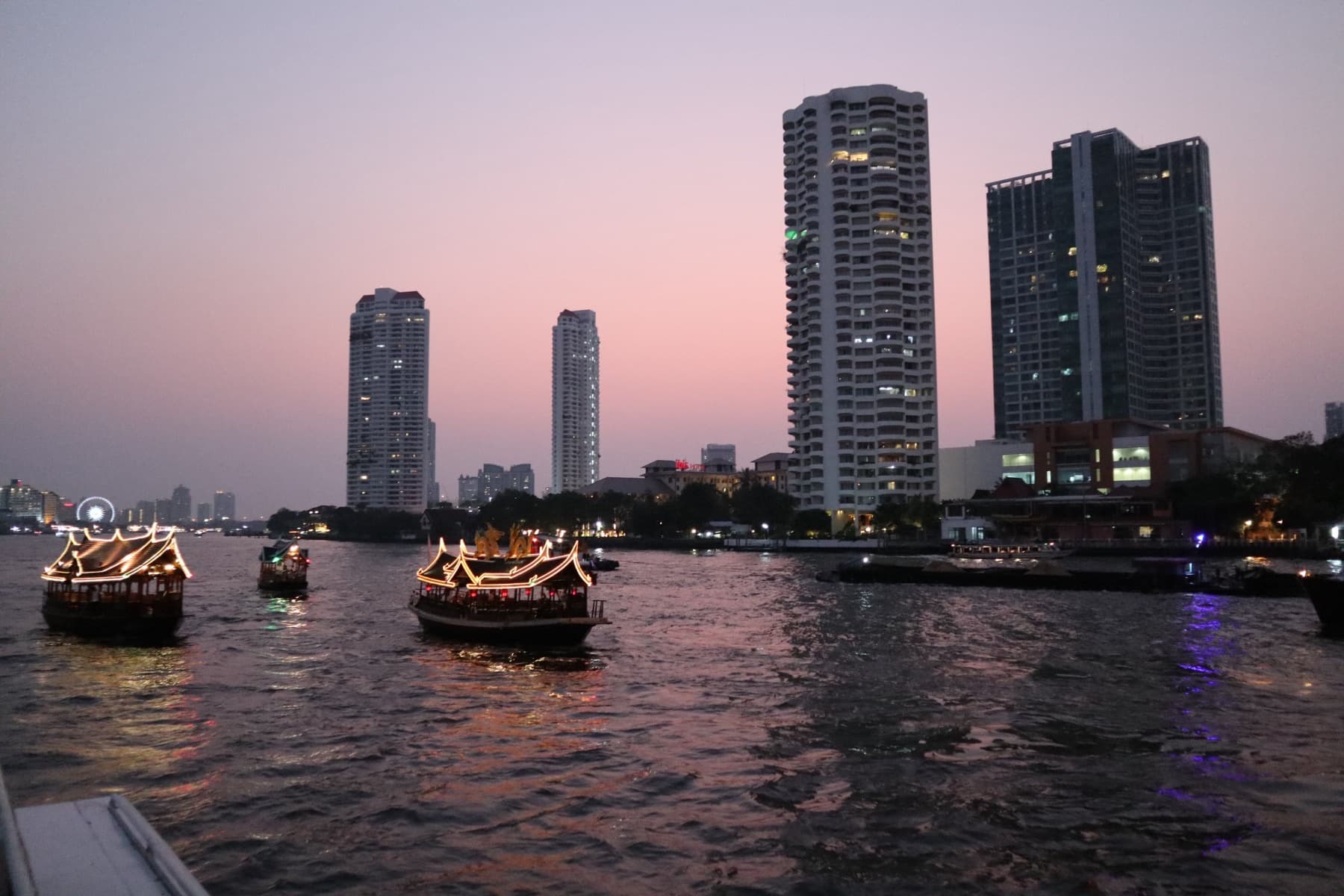
Tongcheng Travel, another major Chinese platform, ranked cities outside the mainland for the same holiday: Bangkok first, Kuala Lumpur second, Seoul third. Singapore, Bali, and Ho Chi Minh City also made the cut. No Japanese city did. Nation Thailand and Travel Weekly Asia both carried that order this week.
A year ago, Japanese cities still belonged on these charts. The same Thai reporting put Tokyo third and Osaka eighth in Mid-Autumn and National Day bookings. The absence this week is the story.
Who took the seats
Seoul did not invent this holiday. It absorbed it.
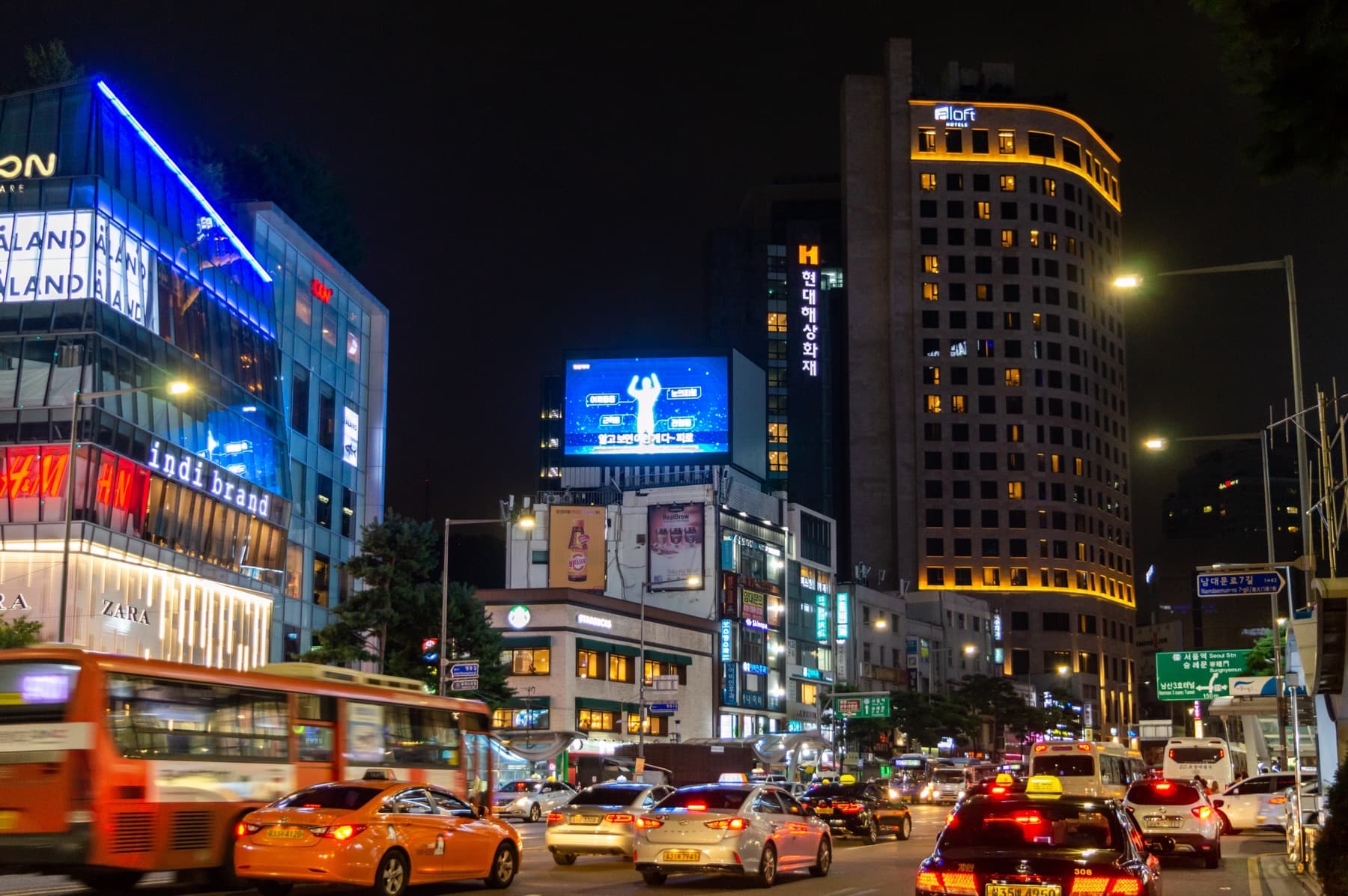
Trip.com Group, the Chinese company behind the Trip.com and Ctrip apps, said in its September 20 release that Seoul was the top overseas destination for the official October 1–7 window, with flight bookings up 91 percent from the same stretch last year. Busan, Cheongju, and Daegu posted three-digit gains on the same report. We covered that booking rush before the holiday started.
What the midweek lists add is where the Japan-shaped hole went. Bangkok leading Tongcheng is familiar Chinese short-haul muscle memory: food, shopping, a warm night, a flight that does not need a visa argument. Kuala Lumpur in second place is the sharper tell. The overflow is stacking into Korea and fanning across Southeast Asia.
China’s civil aviation authority, cited in the same holiday coverage, said international flight bookings for the period were up about 22.5 percent, and flights from China to Thailand, Malaysia, Vietnam, and Laos rose about 20 percent. Thailand’s tourism authority has talked about roughly 250,000 Chinese arrivals for the holiday, up about 24 percent from last year. Treat that as a forecast, not a counted gate total.
If you are already in Bangkok or Seoul through Wednesday, plan for Chinese holiday density. The popular dinner, the temple courtyard, the night-market aisle: those are peak-season rooms this week for a reason.
Why Japan went quiet on these lists
The corridor did not cool overnight.
After Japanese Prime Minister Sanae Takaichi’s late-2025 remarks about a possible response if China attacked Taiwan, Chinese foreign-ministry and culture-ministry notices in November urged citizens to avoid travel to Japan. Kyodo, the Japan Times, and other regional desks have tied that advisory, and the thinner flight schedules that followed, to the drop in Chinese leisure demand.
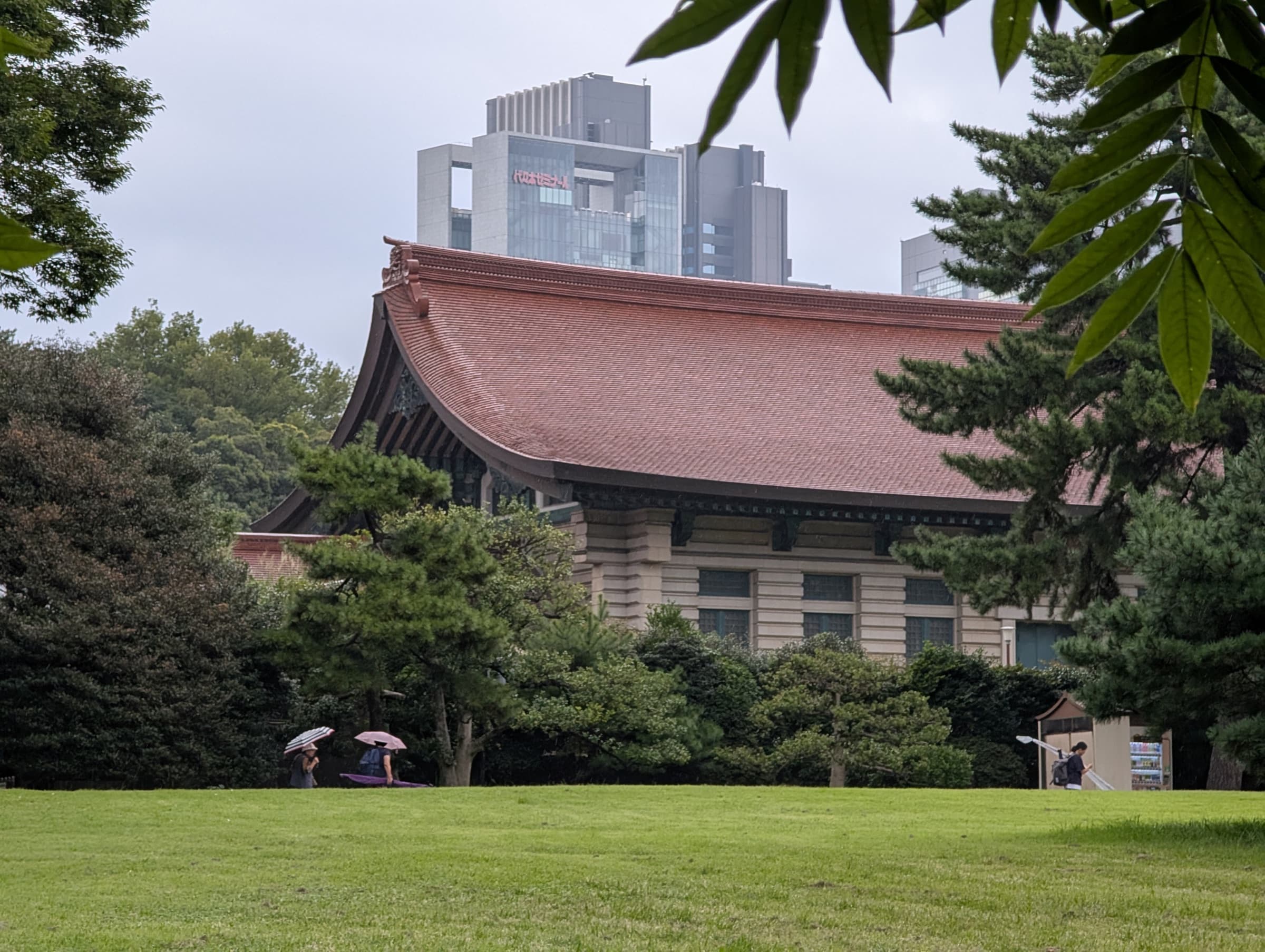
The Japan National Tourism Organization’s tallies match the booking lists. In the first half of 2026, mainland Chinese arrivals fell about 56.4 percent. In August alone, JNTO estimated 418,000 Chinese visitors, down 59 percent from August 2025: roughly six hundred thousand fewer people than the same month a year earlier. Overall foreign arrivals in August still ran about 3.1 million, lifted by Korea, Taiwan, and Hong Kong. Japan did not empty. The Chinese share of the sidewalk did.
A Shanghai traveler quoted in Thai coverage of the Tuniu list put the practical problem simply: they had wanted Japan for the holiday, then watched fares rise as China–Japan flights thinned. That is the traveler version of the same chart. Less inventory, higher stickers, fewer people willing to fight both.
What to do before Wednesday
If your Japan nights are already booked this week, keep them. Chinese Golden Week crowds are not the 2025 story in Kyoto or Osaka right now. Americans, Koreans, and Taiwanese travelers are still filling the classics. Book the meal that matters. Leave one afternoon without a checklist. Do not mistake a quieter Chinese corridor for an empty country.
If you hold a Chinese passport and still want Japan, check the real flight inventory before you invent a last-minute hop. Schedules are thinner than last National Day, and prices move with that scarcity.
If you are choosing among short-haul cities for the last days of the holiday, Bangkok and Seoul are absorbing the demand Japan used to take. Expect queues, or wait until Thursday, when the official holiday ends and the sidewalks start to sound local again.
Wednesday, October 7, is the last day of the break. Thursday is the first day that feels like a normal week.
Related stories
China's Golden Week Is Booking Seoul First
China can turn Mid-Autumn and National Day into a thirteen-day trip. More than half those outbound flights leave before October 1. The next rush is Tuesday, and Seoul is the city on the ticket.
6 min · Sep 27, 2026
Japan’s Visitor Map Is Changing, Even If the Sidewalk Still Feels Full
JNTO’s first-half numbers show China down more than half while Korea and Taiwan surge. Spending barely budged. Here’s what that shift feels like on the ground.
4 min · Jul 24, 2026
Why Koreans Are Traveling to Japan This Chuseok More Than Last
Last year’s long Chuseok could hide a Vietnam loop or a first look at Europe. This year’s four days cannot. Japan is 52.5 percent of Nol Universe’s holiday flight bookings, up from 42.2 percent a year ago.
6 min · Sep 25, 2026

The Symbolism of Getting Hitched on National Day in China
Golden Week fills planes and hotel apps. It also fills marriage registries, when cities reopen them for October 1 so the anniversary starts on National Day.
6 min · Sep 30, 2026
Related global reads
Transpacific Bound
China's Golden Week Is Booking Seoul First
Transpacific Bound
Japan’s Visitor Map Is Changing, Even If the Sidewalk Still Feels Full
Goldsea
Asia’s 8 most romantic places and the great love stories behind them
East Table
East Asia cold noodles field guide
Goldsea
What I loved doing in Japan