
Japan’s Visitor Map Is Changing, Even If the Sidewalk Still Feels Full
First-half arrivals slipped two percent as Chinese visitors plunged, and Korean, Taiwanese, and American travelers kept Japan feeling busy. A warm read of the new inbound map.
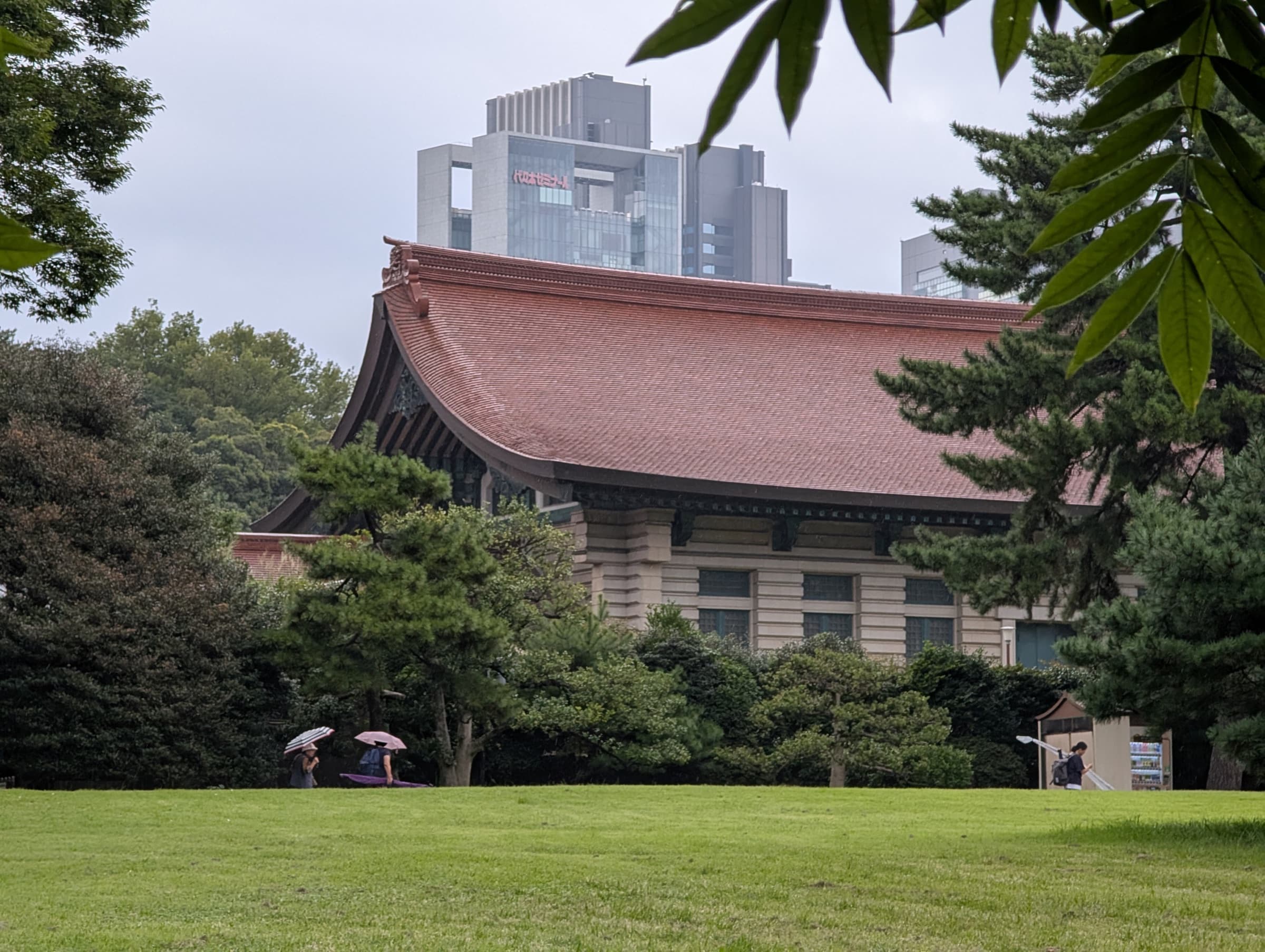
If you have walked through Meiji Jingu on a weekend morning, or waited for a table in a small Kyoto alley, the national tourism headlines can sound like they belong to another country. Japan’s first-half visitor total slipped. The sidewalks did not empty.
On July 15, the Japan National Tourism Organization released preliminary figures for January through June 2026: about 21.08 million foreign arrivals, down 2.0 percent from the same stretch of 2025. It is a mild national dip after years of post-pandemic climb, and it arrives with a sharper story underneath. Visitors from mainland China fell to about 2.06 million, down 56.4 percent. South Korea rose to about 5.68 million, up 18.6 percent, and remained Japan’s largest source market. Taiwan climbed to about 3.97 million, up 20.9 percent, moving ahead of China into second place. June alone was down 6.8 percent overall, even as JNTO noted record June totals for fifteen markets including Korea, Taiwan, and the United States.
Those percentages matter because China had been one of the pillars of Japan’s inbound boom. Press reporting across Japan, Korea, and English-language outlets has tied the prolonged drop to a chill after remarks by Prime Minister Sanae Takaichi in late 2025 about a possible Taiwan contingency, followed by Chinese official encouragement for citizens to hold off on Japan travel. Chinese arrivals have now fallen for seven straight months in the June reporting. Note the diplomacy carefully; the visitor ledger is clearer than any single speech.
What softens the panic is spending. Japan’s Tourism Agency estimated that foreign visitors spent about ¥2.51 trillion in April through June 2026, up 0.2 percent from a year earlier, with average spending per person up 3.3 percent to ¥244,000. The United States led total spend in that quarter at about ¥384.8 billion, ahead of Taiwan, then China, then Korea. Volume from China collapsed; money from Americans, Taiwanese, and Koreans helped keep the cash register nearly flat. For a North American reader planning a fall or spring trip, that is oddly reassuring. You are not arriving into a hollowed-out tourism economy. You are arriving into a Japan where the mix of fellow travelers has shifted.
On the ground, that mix has texture. Korean and Taiwanese visitors often move on short-haul rhythms: long weekends, familiar food cues, confidence with rail apps, and a comfort with Japan that can look like local fluency from a few seats away. American and other long-haul travelers still show up jet-lagged, phone maps open, collecting the first konbini breakfast with a kind of quiet delight. The useful traveler lesson is not to pick a favorite nationality on the platform. It is to expect crowded classics to stay crowded, and to plan as if the popular hours never got the memo about a two-percent national dip.
If you are choosing cities, the shift does not rewrite the map so much as it asks for manners. Tokyo, Kyoto, and Osaka remain the main stage. Book the meal that matters. Go to Fushimi or Meiji earlier than your jet lag wants. Leave one afternoon without a checklist so the city can feel like a place people live, not only a place people count. Diaspora travelers who grew up on Japan through food and media may feel the same tenderness either way: the country still teaches humility, and it still rewards people who slow down.
A cooler China corridor also means Japan’s inbound story is less of a single-engine machine. Korea, Taiwan, Hong Kong, Southeast Asia, and North America are carrying more of the emotional and commercial weight. That diversification is healthy for hotels and shopkeepers. It is also a reminder for visitors not to treat every packed train as proof that “overtourism ruined everything,” or every soft national number as proof that you should cancel. Both readings are too loud for the actual street.
The honest close is small. Japan in mid-2026 is still a wonderful place to land hungry and a little nervous. The headline says the visitor map changed. Your job is the same as last year: pick fewer neighborhoods, eat well, and leave room for the version of the trip that only appears when you stop racing the statistics.
Related stories
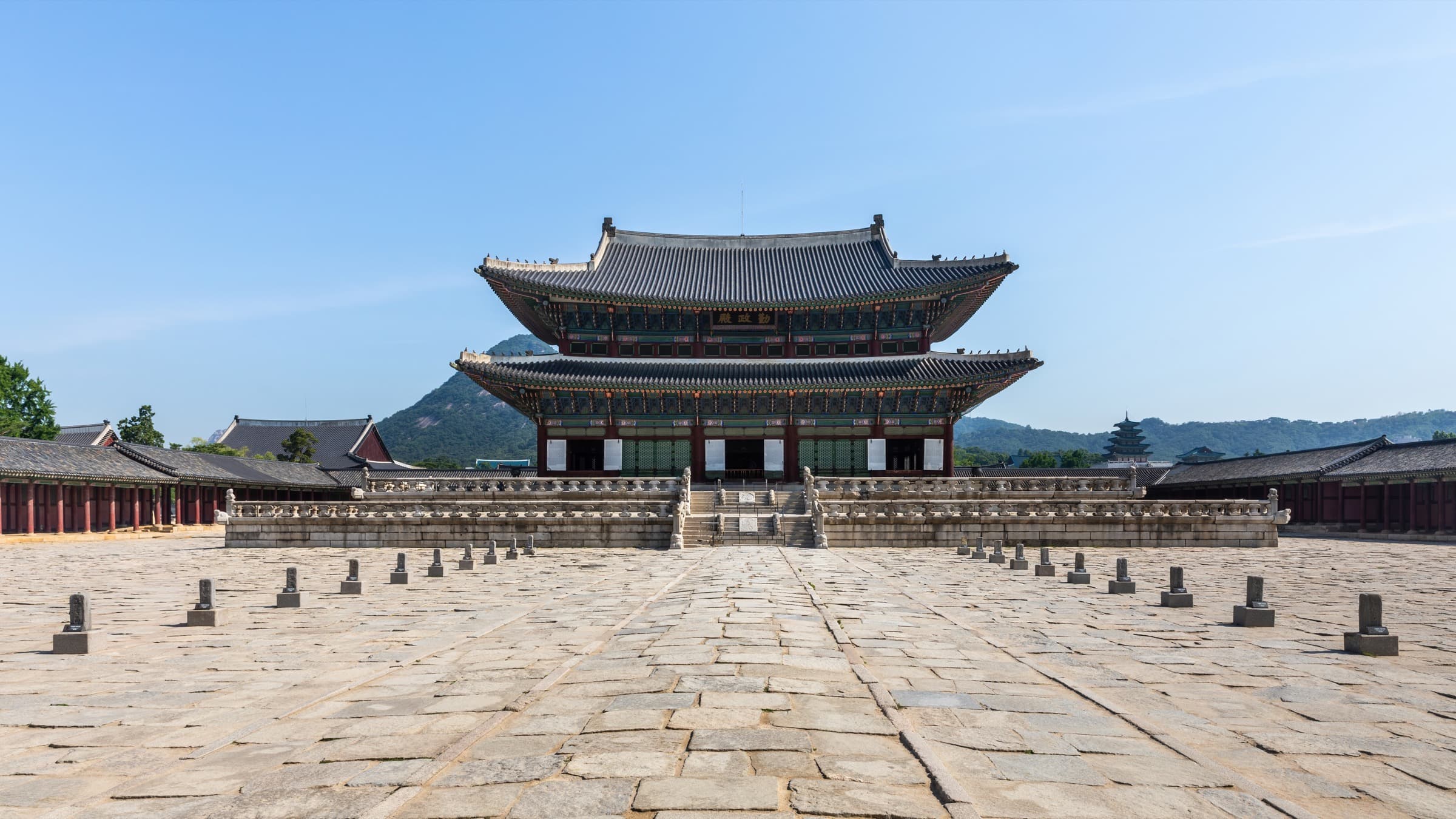
Korea’s Sidewalks Are Crowded for a Reason
KTO’s H1 numbers show China still leading while Taiwan and the US sit far above 2019 baselines. Here’s what that density feels like in Seoul, and why Busan belongs on the map.
4 min · Jul 25, 2026
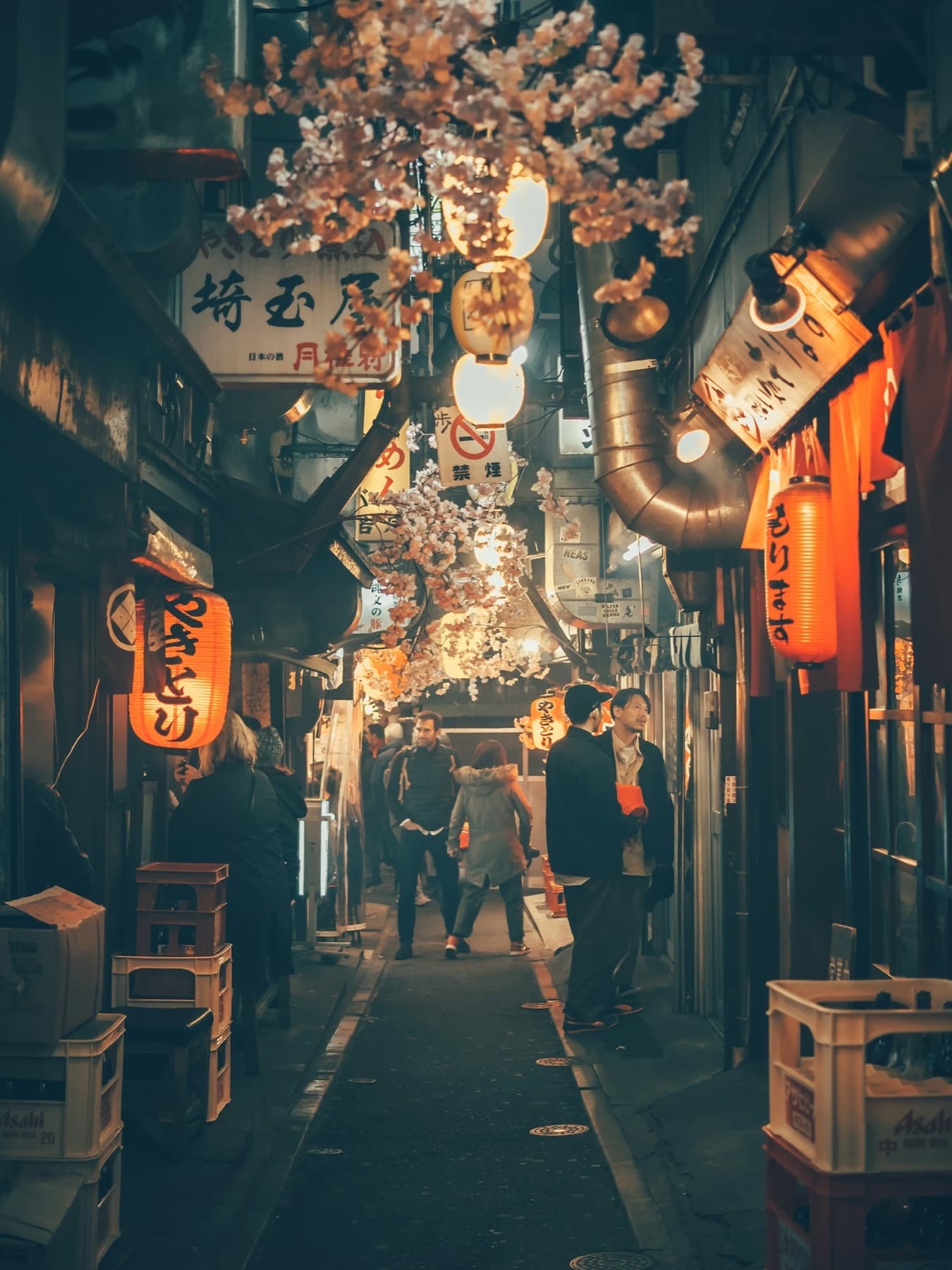
Tokyo Is Not a Beginner City, and That Is the Point
Tokyo punishes checklist tourism and rewards travelers who can tolerate not seeing everything.
8 min · Jun 1, 2026
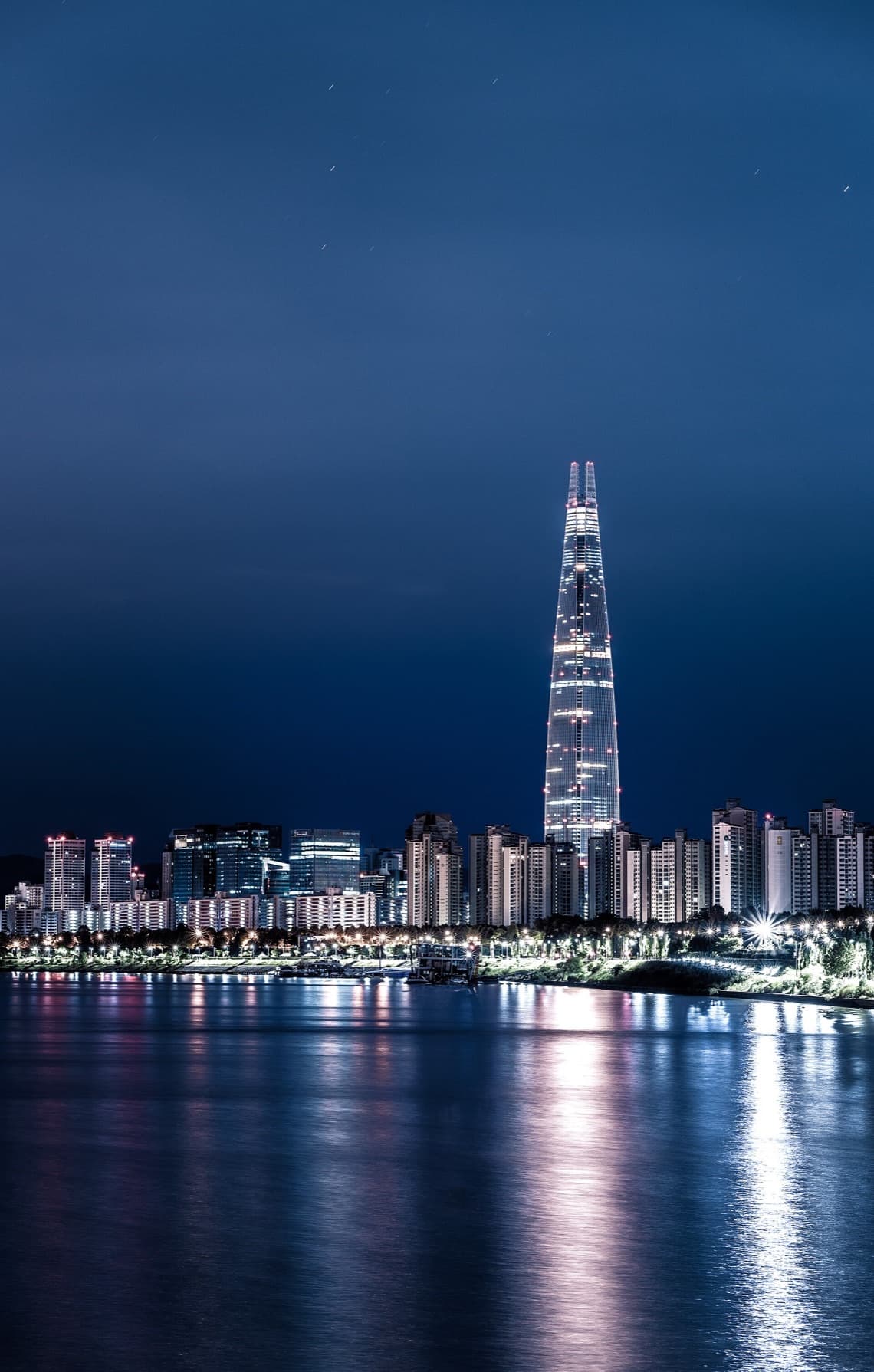
Seoul After the Hype Cycle
Beyond the export narrative: neighborhoods, markets, and meals that reward travelers who skip the trend checklist.
8 min · May 18, 2026
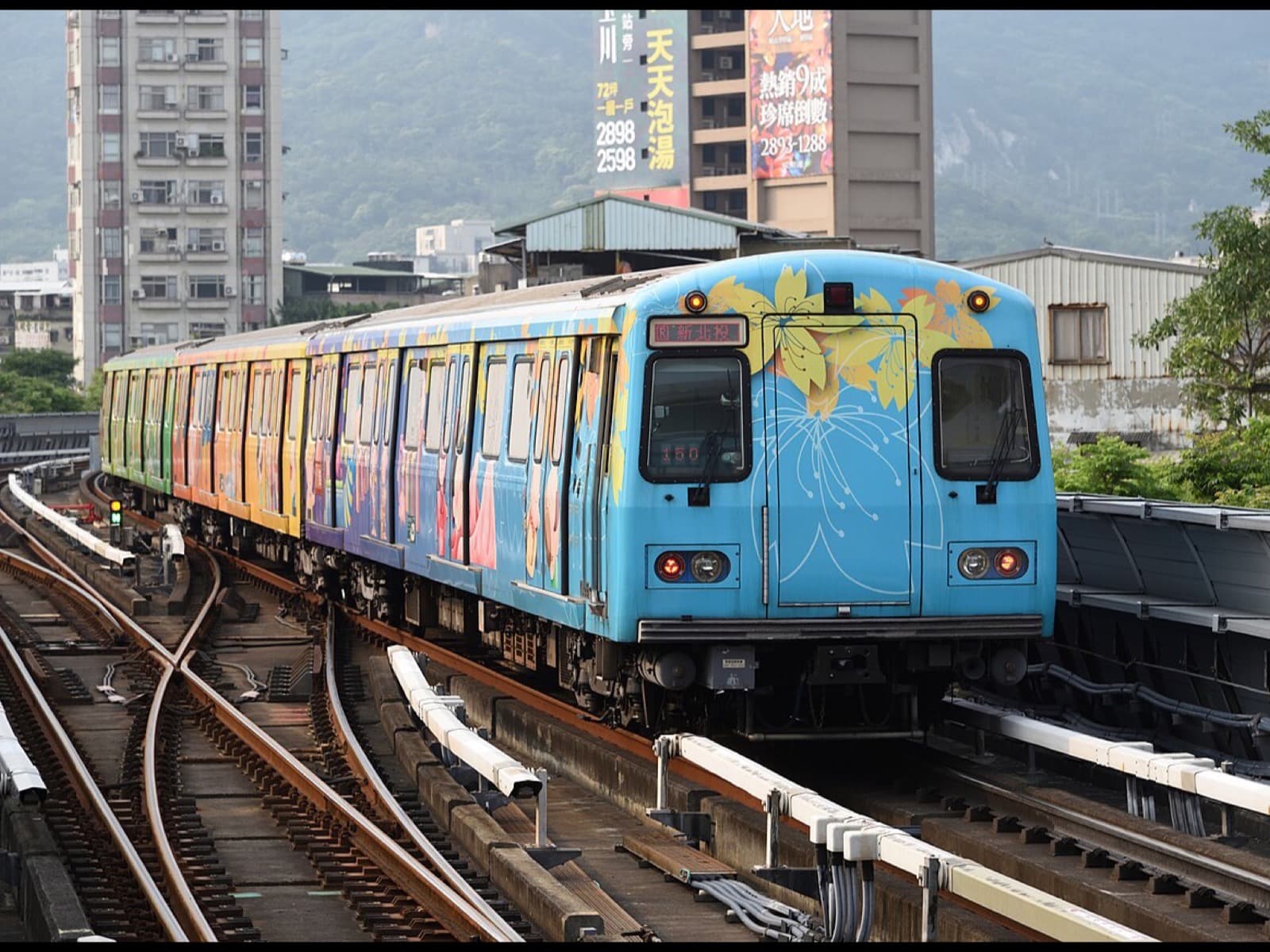
Taipei Is the Soft Landing More Asian Travelers Should Choose First
Why Taipei teaches you how to travel Asia before harder cities test you.
7 min · May 12, 2026