
GIC Reportedly Paid Roughly $800 Million for Midscale Japan Hotels
Sixteen Four Points Flex by Sheraton properties across Tokyo, Osaka, Kyoto, and beyond. Singapore’s sovereign wealth fund is buying the Japan trip travelers actually book.
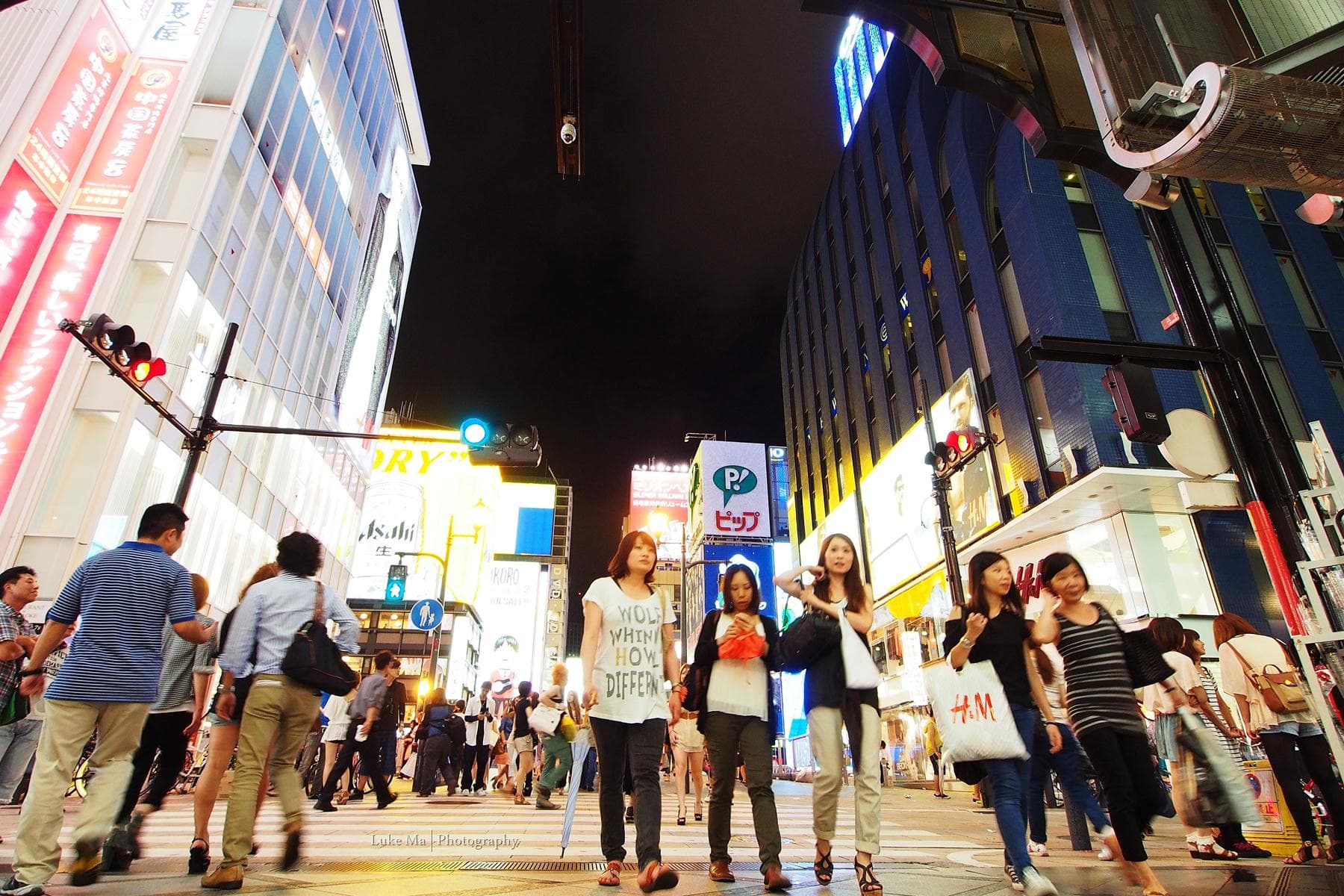
Article
The Japan hotels in this deal look a lot like the ones on a normal Marriott Bonvoy trip: midscale, near a station, priced for a week when the yen is weak.
People familiar with the matter told The Japan Times and The Straits Times that Singapore’s GIC, the city-state’s sovereign wealth fund, paid about ¥125 billion, or roughly $800 million, for sixteen properties operating as Four Points Flex by Sheraton. GIC declined to comment. KKR, the U.S. investment firm that sold the portfolio, said only that a “leading global institutional investor” had bought it, and withheld the price. Some Asia property desks have floated figures nearer $1.3 billion. Until a number is confirmed, roughly $800 million is the safer reading.
Four Points Flex is Marriott’s affordable midscale line. Clean rooms, Bonvoy points, eleven cities including Greater Tokyo, Osaka, Kyoto, and Fukuoka. That is the Japan itinerary a lot of visitors already walk.
What KKR built before the exit
KKR’s Asia real-estate team bought the core of the portfolio from Unizo Holdings in 2024, after the Japanese landlord’s court-supervised restructuring, then renovated and reflagged it with Marriott. On September 25, KKR said via Business Wire that the sale of all sixteen hotels was complete. David Cheong, who heads acquisitions for KKR’s Asia real-estate team, described the bet as Japan’s demand for “high-quality, accessible accommodation.”
Accessible is doing real work in that sentence. Ultra-luxury Japan still fills Aman and Ritz calendars. The larger inbound story has been travelers who want a reliable bed near the subway without spending the trip on the room. Hooking the assets into Marriott’s booking engine and Bonvoy was how KKR tried to catch that demand.
KKR is not leaving the building. KJRM, the Japanese asset manager it acquired in 2022, stays on as asset manager. K+ Hospitality Management, KKR’s Japan hotel operating platform, keeps running the hotels. The sale hands over ownership while the operating stack stays put, which matters if the new owner wants to add more rooms later.
Why a sovereign fund wants these rooms
The visitor numbers make the cash flow easier to underwrite. Foreign arrivals to Japan broke above 40 million for the first time in 2025, reaching about 42.7 million, according to the country’s land ministry figures cited in the deal coverage. A soft yen made stays cheaper for travelers paying in dollars or Singapore dollars. When streets stay busy, hotels can raise rates faster than many other property types, which is why funds have liked lodging in this cycle.
GIC already knows the market. Trade coverage links this purchase to an earlier Japan hospitality stack, including the large Seibu Holdings leisure portfolio it agreed to buy in 2022. Sixteen more midscale hotels deepen that bet at the price tier most travelers use.
Hotel deal volume across Asia-Pacific has been elevated all year, with Japan among the markets drawing both domestic and cross-border capital. Today’s deal is easier to picture: a reported sovereign buyer, a Marriott flag people recognize on a booking screen, and cities already on the standard Japan rail pass.
What changes for the guest
Probably not the app icon. Marriott stays on the door. Bonvoy stays in the checkout. The likelier change is an owner with the balance sheet to keep rooms refreshed and priced to a busy inbound calendar.
If you are shopping Tokyo, Osaka, or Kyoto for next spring, do not expect a sale price because a fund changed hands. Where tourist streets stay full, the pressure still runs the other way. Shinsaibashi, Umeda, and the Kyoto station belt are the districts this portfolio was built to serve.
For anyone watching Asia hotel capital, the point is simpler than another quarterly volume chart. Roughly $800 million is being reported against the midscale Japan stay. That is the product most visitors book when they say they are going to Japan.
Related stories
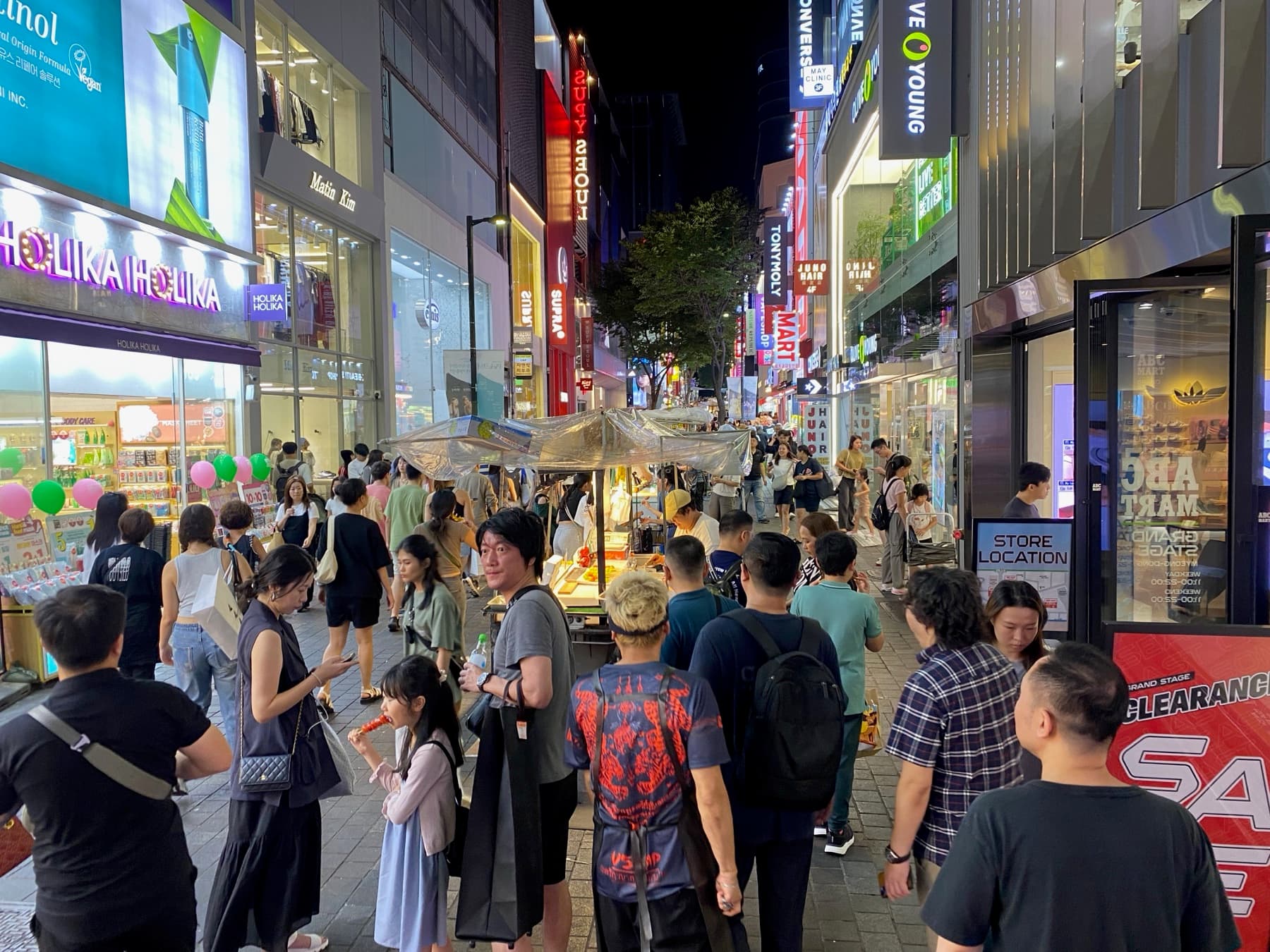
Asia’s Loudest Real-Estate Bet Is the Hotel You Already Book
Knight Frank put Asia-Pacific hotel investment at $5.4 billion in Q2. The Seoul and Singapore deals show what that means for rates, renovations, and the next flag on your booking screen.
6 min · Aug 17, 2026
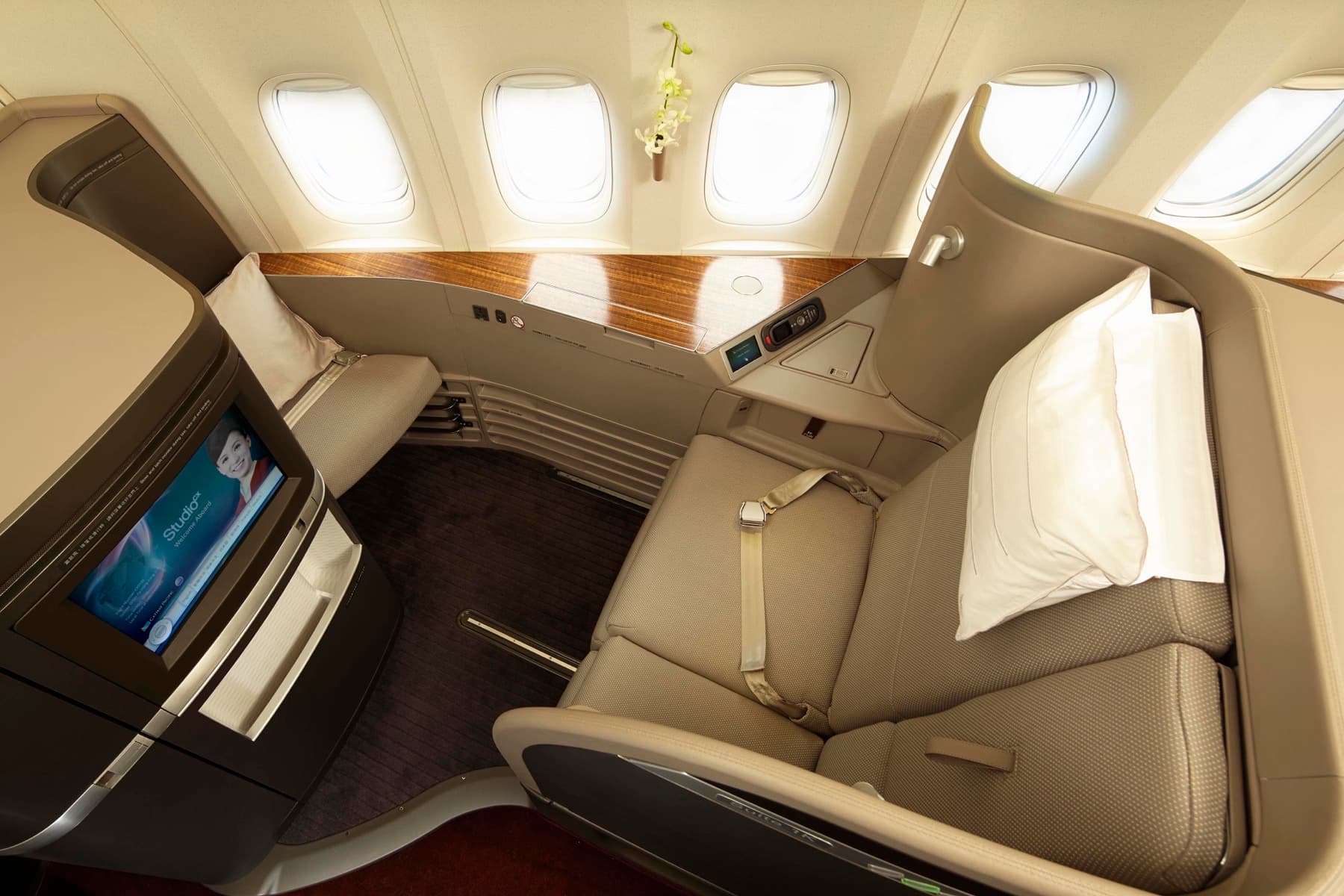
Why Asian Airlines' First Class Cabins Are So Much More Luxurious
By March 2027, none of the big three U.S. airlines will sell a separate international first cabin. Asian carriers still do. The luxury gap starts with that decision, then with bedding, crew density, and hospitality that is drilled into the job.
7 min · Sep 28, 2026
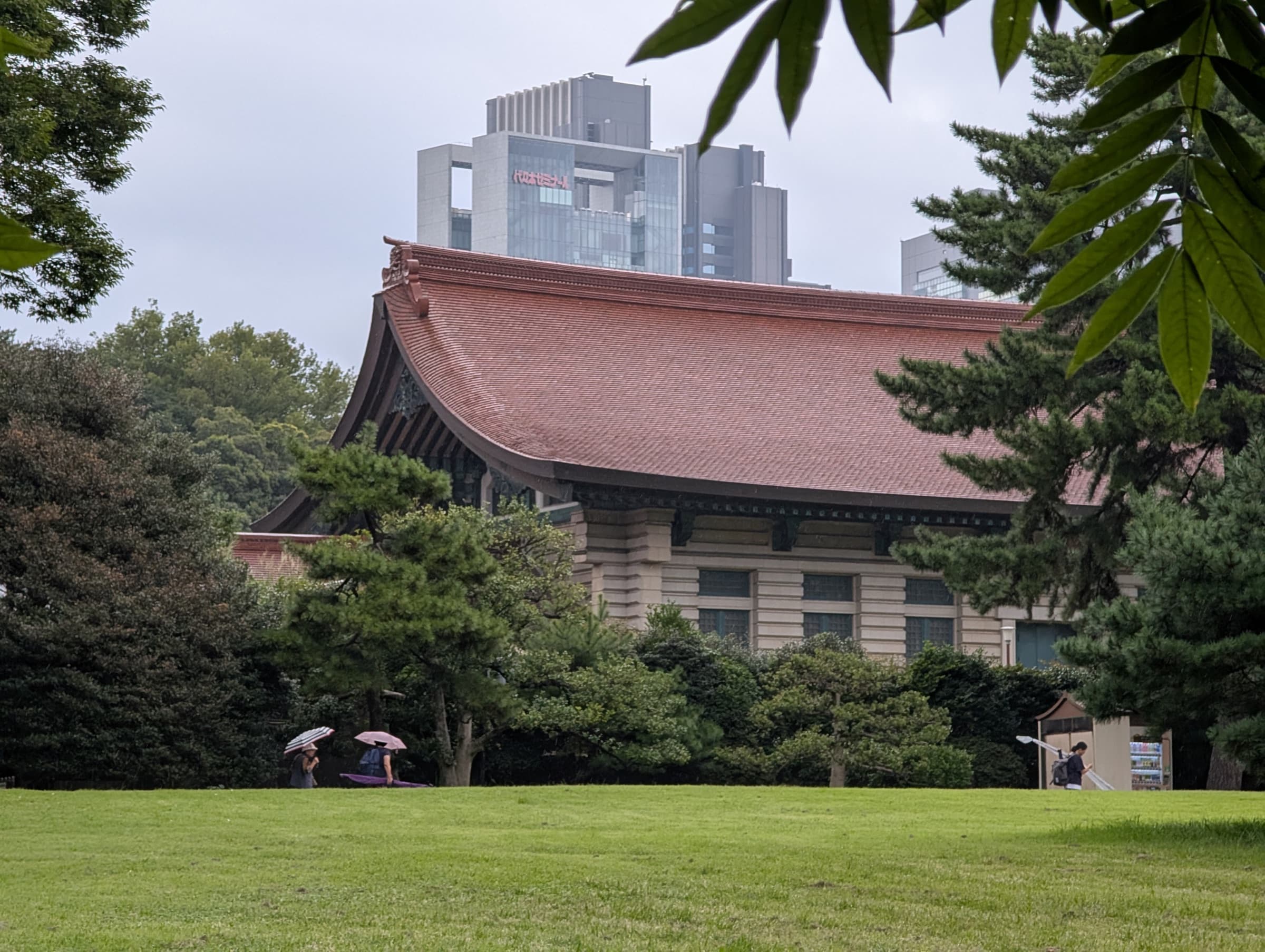
Japan’s Visitor Map Is Changing, Even If the Sidewalk Still Feels Full
JNTO’s first-half numbers show China down more than half while Korea and Taiwan surge. Spending barely budged. Here’s what that shift feels like on the ground.
4 min · Jul 24, 2026
Why Koreans Are Traveling to Japan This Chuseok More Than Last
Last year’s long Chuseok could hide a Vietnam loop or a first look at Europe. This year’s four days cannot. Japan is 52.5 percent of Nol Universe’s holiday flight bookings, up from 42.2 percent a year ago.
6 min · Sep 25, 2026