Hong Kong Extended Some APEC Cardholders’ Stays to 90 Days. Who Actually Qualifies?
From November 1, the longer visa-free stay only applies if Hong Kong already pre-cleared you on the APEC Business Travel Card. A U.S. or Canadian transitional card—and a faster airport lane—are different tools.
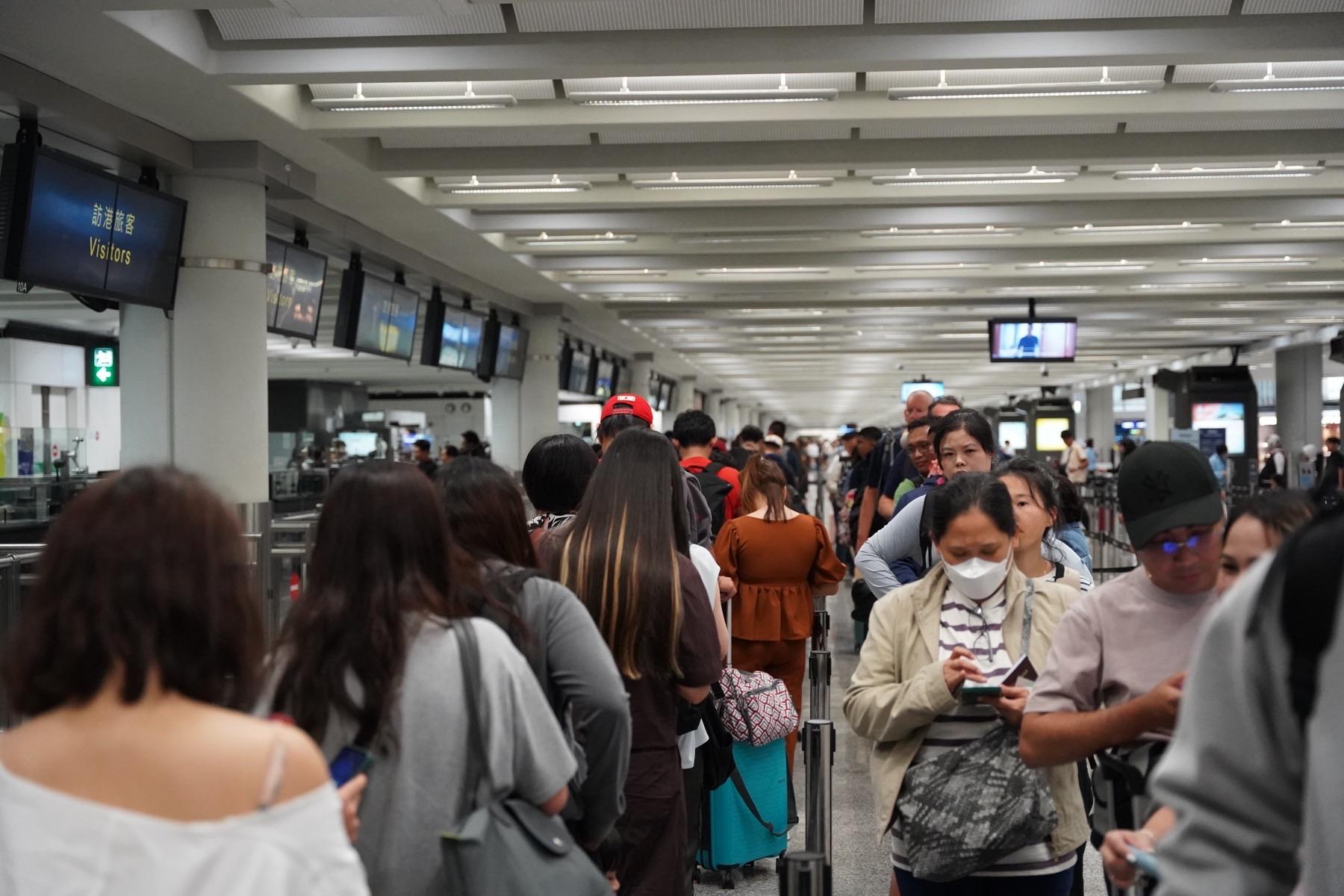
A longer stay for a narrower group
If your feed said Hong Kong just gave APEC cardholders ninety days, slow down before you rebook the project calendar. On October 30 the Immigration Department said that from November 1, 2026, Asia-Pacific Economic Cooperation Business Travel Card holders who already have Hong Kong SAR pre-clearance may stay visa-free for up to 90 days. For that group, the old ceiling was 60.
The rest of arrival life is unchanged. You still present a valid passport. Officers can still say no. The announcement lengthens the stay for people Hong Kong has already cleared under the ABTC scheme. It does not hand three months to everyone carrying APEC-branded plastic.
Hong Kong is moving with a small club. The APEC Business Mobility Group said China, Hong Kong, Indonesia, the Philippines, and Singapore would each raise the visiting ABTC maximum from 60 days to 90, on their own clocks. The Mainland and Hong Kong both flipped the switch on November 1.
Flip the card before you trust the headline
An ABTC does two jobs, and travelers keep mixing them up. It can steer you toward a special immigration lane at some airports. Separately, full participating economies can pre-clear you for short business visits so you skip a separate visa application to those places.
Hong Kong’s ninety days hitch only to that second job. ImmD’s sentence is careful: the longer stay is for cardholders “who have obtained pre-clearance from the HKSAR.” On a full-member card, that usually means Hong Kong is printed on the reverse with the other cleared economies. If Hong Kong is missing, this November change does not extend your ABTC stay—even if you sail through a priority queue.
You still owe whatever else ImmD asks at the counter, including a visa when your nationality needs one. Pre-clearance is a scheme permission. It is not a second passport.
Why a U.S. or Canadian card looks different
Nineteen economies run the full ABTC machine—Australia, Japan, Singapore, Korea, the Philippines, Chinese Taipei, and the rest of the roster ImmD published with the announcement. They issue cards to their own business travelers and, in the ordinary course, process pre-clearance requests from one another. Those are the cards whose backs fill with codes.
The United States and Canada are transitional members. ImmD says they do not process pre-clearance applications referred by the others. APEC’s business-mobility FAQ says the same thing in plainer English: full members join pre-clearance; transitional members do not. Turn over a U.S. or Canadian ABTC and the reverse is blank. U.S. Customs and Border Protection tells American cardholders that foreign economies will not treat the U.S. card as a visa, and that passport and visa rules at the destination still govern.
Picture two colleagues on the same flight to Chek Lap Kok. The Singaporean’s card may list Hong Kong on the back. The Canadian’s card says APEC on the front and nothing useful for this stay rule on the reverse. Same airline seat. Different entitlement.
A faster lane still leaves the old calendar
Hong Kong lets ABTC holders use resident counters where those lanes exist. ImmD also notes that special service lanes at selected control points in the wider scheme can be open to cardholders even when that economy never pre-cleared them. After a twelve-hour flight, a shorter queue is real help. It does not mint ninety days.
Land without Hong Kong pre-clearance and you clear the ordinary way: passport first, plus a visa or entry permit if you need one. Plenty of nationalities already visit Hong Kong visa-free on the passport alone, with day limits ImmD publishes in its visit tables. Keep that path on its own shelf. The ABTC-plus-Hong-Kong-pre-clearance track—now capped at 90 days—is a different shelf.
What to do before the next long Hong Kong trip
If Hong Kong already sits on your pre-clearance list, November 1 gives you room: a longer client block, fewer artificial exits to refresh the clock, a little less calendar gymnastics. Confirm it on the physical reverse, or in the online pre-clearance status tied to your application number, before you tell finance the company now gets three months automatically.
Hold a U.S. or Canadian transitional card? File the headline under “useful for colleagues with full cards.” Keep the lane perk where airports offer it. Follow ImmD’s rules for your passport. Apply for a visa when you need a visa. Hong Kong will not invent pre-clearance that never made it onto the reverse.
Indonesia, the Philippines, and Singapore will publish their own ninety-day start dates. Read those when they land. For Hong Kong this month, the jet-bridge question is smaller and sharper: does this card show Hong Kong pre-clearance? Answer that, then plan the stay.
Related stories
Kyoto’s Kiyomizu-dera Night Visits Run November 21–30. Plan the Evening Around Them.
Kiyomizu-dera lights up November 21–30. Get in by 9, see Jojuin before 8:30 if you want the garden, and settle dinner before you start climbing.
7 min · Nov 9, 2026
Cathay Returns to Adelaide November 10. When Does Hong Kong Make Sense?
Cathay’s Hong Kong–Adelaide season restarts November 10. Compare the night bank, the December–February five-weekly bump, and United’s shortened SFO nonstop before you book South Australia.
7 min · Nov 6, 2026
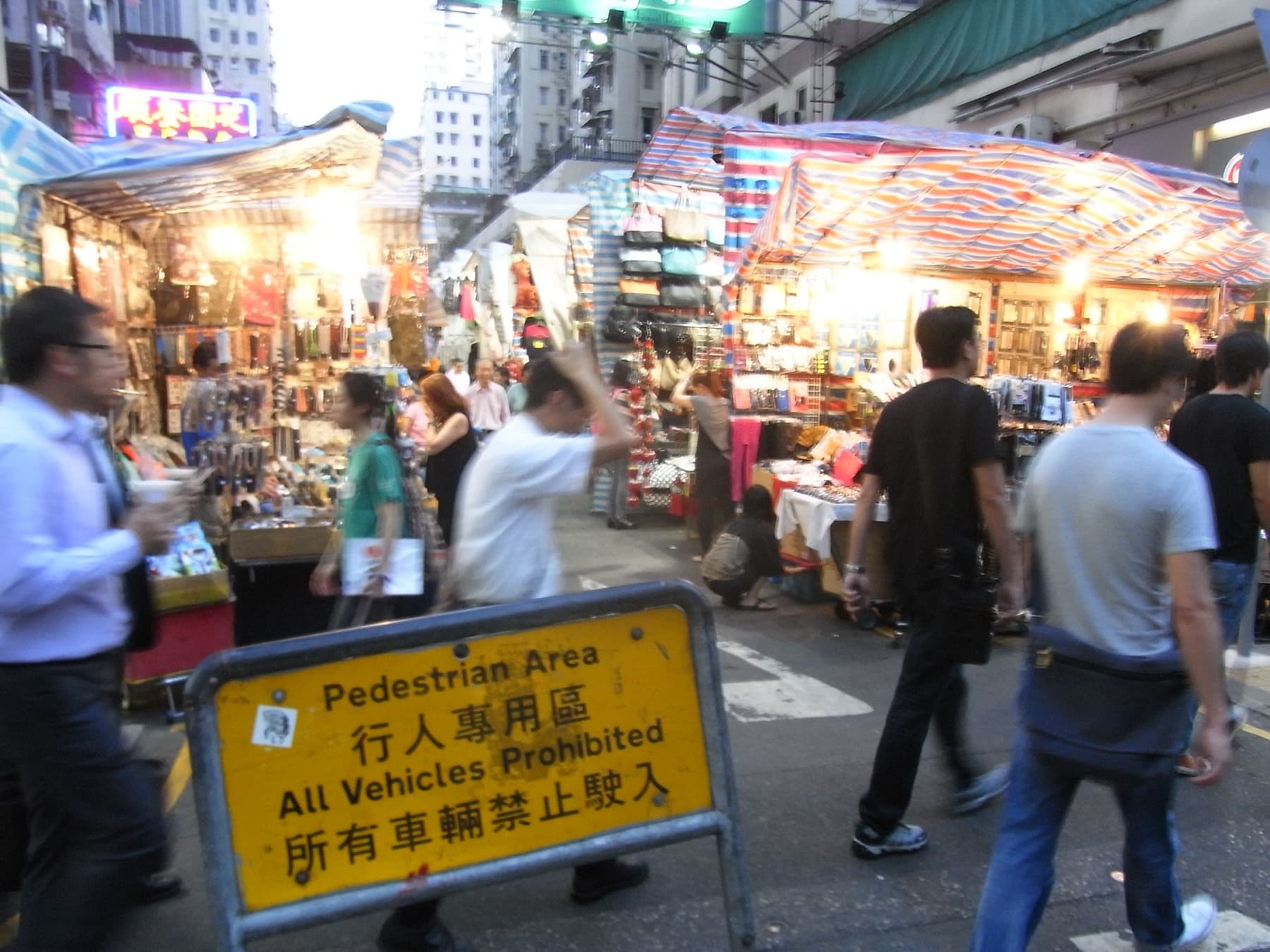
A Quick Visitor's Guide to Three Days in Hong Kong
Three days in Hong Kong work when you stop collecting districts. Stay on one line, eat cha chaan teng early, cross the harbor once on purpose, and leave Macau and Shenzhen for another ticket.
7 min · Oct 1, 2026
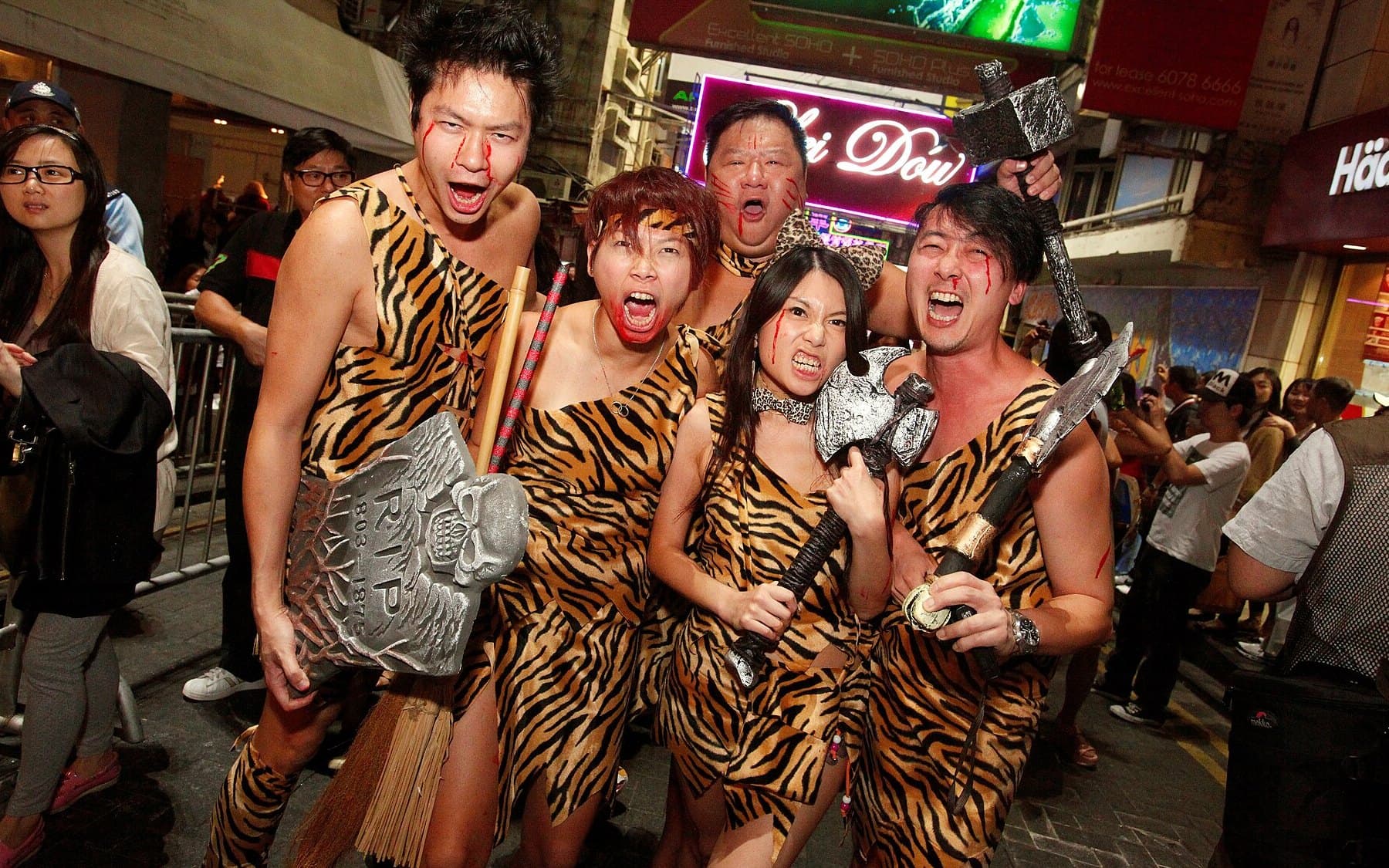
Saturday Is Lan Kwai Fong’s Last Halloween Night
A visitor from Shenzhen came as the Monkey King. Saturday night in the lanes is the last of the three parties.
6 min · Oct 29, 2026
Related global reads
Transpacific Bound
Kyoto’s Kiyomizu-dera Night Visits Run November 21–30. Plan the Evening Around Them.
Transpacific Bound
Cathay Returns to Adelaide November 10. When Does Hong Kong Make Sense?
East Table
East Asia cold noodles field guide
At the Banquet
The Banquet guide to Hong Kong
At the Banquet
The Banquet guide to Singapore