
Kyoto’s Kiyomizu-dera Night Visits Run November 21–30. Plan the Evening Around Them.
From 5:30 to 9:30 p.m., last entry at 9, no reservation needed. The useful work is fitting Jojuin’s garden window, the bus up the hill, and dinner into the same night.
Ten lit nights on the Higashiyama hillside
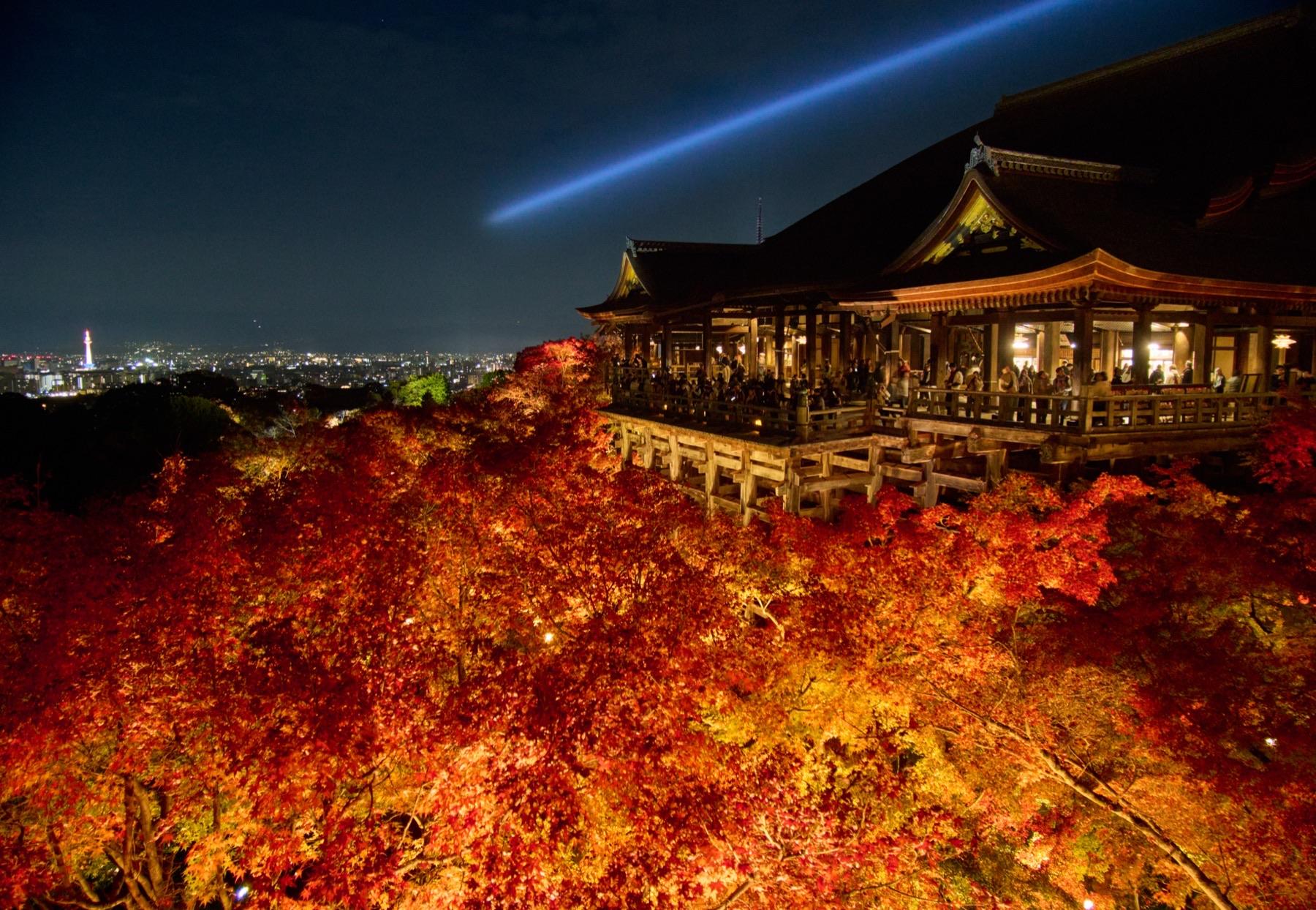
If you will be in Kyoto in late November, put a circle around the evenings of the 21st through the 30th. Kiyomizu-dera—the wooden-stage temple above Higashiyama—keeps its grounds open those nights from 5:30 to 9:30 p.m. for the autumn evening special visit. Last entry is 9:00. You do not need a reservation.
Adults pay ¥500 at the door; elementary and junior-high students pay ¥200, the figures Kyoto City’s tourism listing carries for this run. Inside, the halls and maples take the lights, the city spreads out beyond the stage, and a blue beam the temple calls Kannon’s merciful light points west across the basin. Roughly a thousand momiji trees fill the valleys below when the color cooperates. Some years that peaks mid-window; some years your night is earlier or later. Go for the night visit either way.
The hard part is never the ticket line. It is leaving the hotel without a plan for the hill, the garden, and dinner, then realizing at 9:15 that you are still hungry and everything good nearby has a wait.
Jojuin runs on its own clock
Jojuin is the garden attached to a sub-temple in the same complex, and it is easy to treat as an afterthought until you are standing outside a closed gate. On those same ten nights it opens for autumn viewing from 6:00 to 8:30 p.m., last entry at 8:30. There is a daytime window too—9:00 a.m. to 4:00 p.m. last entry—if you would rather see the garden in natural light and keep the evening for the main grounds alone.
The garden ticket is separate: ¥600 for adults, ¥300 for elementary and junior-high students. You still pay the temple grounds fee. No reservation.
So the night has two endings. Miss 8:30 and you can still enter the main illuminated grounds until 9:00. Want both, and you need an order of operations before you leave for the bus.
Getting up the hill while you still have evening
Most people take a Kyoto City Bus to Kiyomizu-michi or Gojo-zaka, then walk about ten minutes up through the souvenir slope. Route 206 is the one the city’s event page points to for Kiyomizu-michi. On the Keihan Line, get off at Kiyomizu-Gojo and walk or grab a short taxi for the last climb. From Kyoto Station in late afternoon, a taxi for three or four people often costs less frustration than a standing-room bus.
Leave the rental car elsewhere. The temple has no visitor parking, and the city’s paid lot on Kiyomizu-zaka fills early when the leaves are good. Wear shoes that forgive stone and crowd. Sannenzaka and Ninenzaka stay packed and slick after dark.
On a busy night, budget half an hour or more from downtown Kyoto to the ticket window. Saturdays and Sundays in this stretch are the loudest; a weekday inside the ten-night run usually feels human.
Put dinner on the timeline before you climb
Start with Jojuin’s 8:30 cutoff, then decide when you eat.
One clean shape: a late lunch or an early, lighter meal in Gion or near Yasaka Shrine, Jojuin soon after 6:00 while the garden still has room to breathe, then the main grounds for the stage and the blue light, in line before 9:00. When you come down the hill, sit for a real dinner on Hanamikoji, in Gion, or toward Pontocho. First-timers who care about the garden usually like this order.
The other shape flips the lights and the meal. Be at the temple for the 5:30 opening, when the stage is lit and the crush has not fully arrived. Cross to Jojuin before 8:30. Eat afterward—noodles, izakaya, or a table held for 9:00 or 9:30. Keep the long kaiseki for another night. A 7:00 tasting menu downtown and a hopeful shuffle up the hill is how the garden disappears from the plan.
Either sequence beats improvising at the bottom of the slope with a hungry group and a phone full of “open now” pins.
On the grounds, then home
Take the stage view, then make room for the next person. The west-facing platforms are where the blue beam reads clearest against the city. The maple valleys under the hall are the autumn shot everyone wants—enjoy them, and keep the railing moving.
When the paths jam, peel onto a quieter loop instead of refreshing the same corner. Hold tickets and the garden receipt until you are outside; checks happen as people reverse near closing. Last entry at 9:00 means you are already in the queue, not still negotiating the bus stop at 8:50.
If the garden feels like one ambition too many, skip it and do the main night alone: arrive by 6:30, walk until close, eat after. If you want both, lock the order tonight and put November 21–30 on the shared calendar. The temple has already done its part. Your job is to give the garden and the meal a place that survives contact with the hill.
Related stories
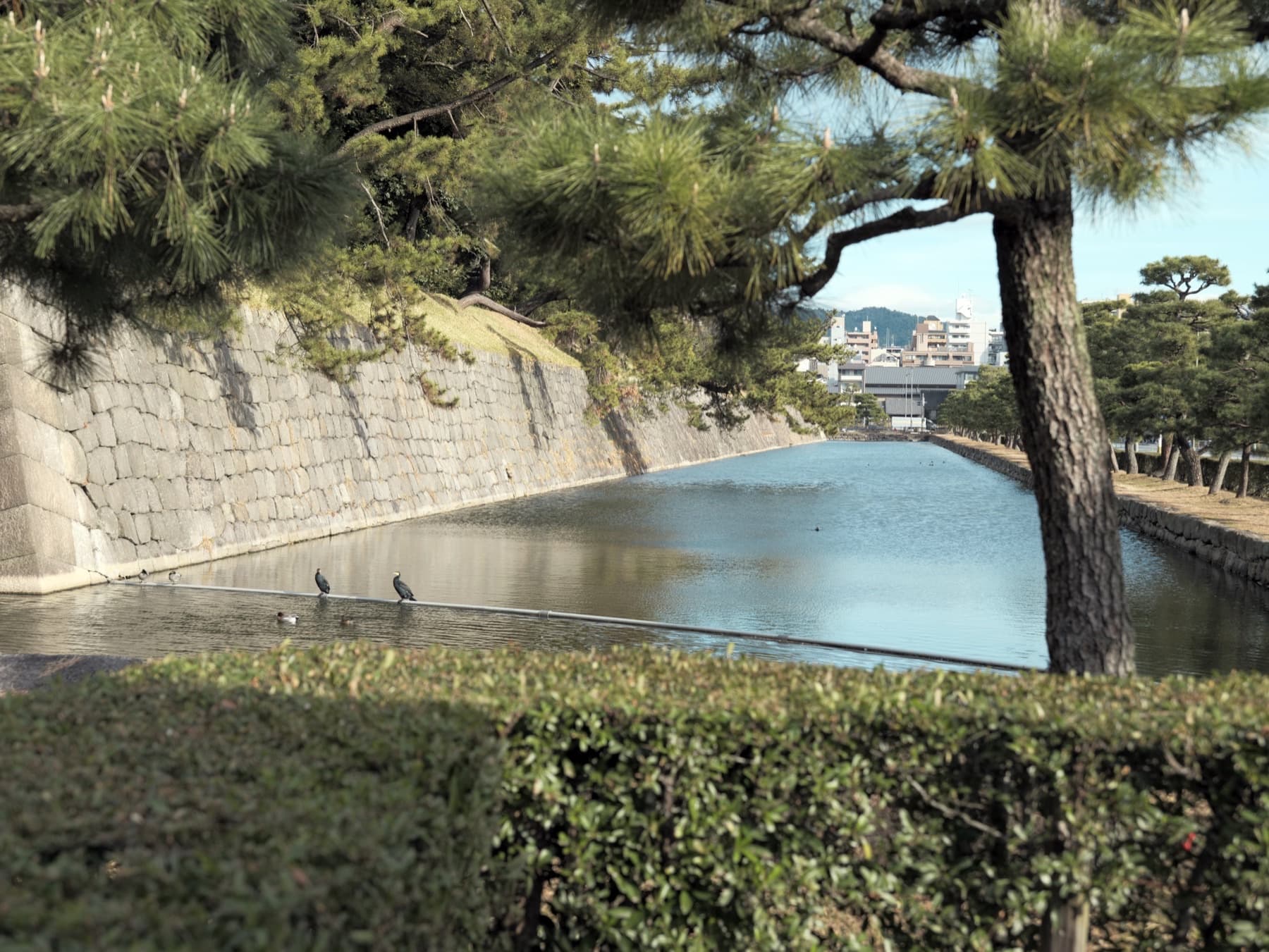
Kyoto Wants Visitors to Pay More at Nijo Castle—and on the City Bus
Mayor Koji Matsui told the city assembly Kyoto wants dual pricing at Nijo Castle and on municipal buses in fiscal 2027. Keep your 2026 nights. Budget 2027 differently.
6 min · Oct 2, 2026
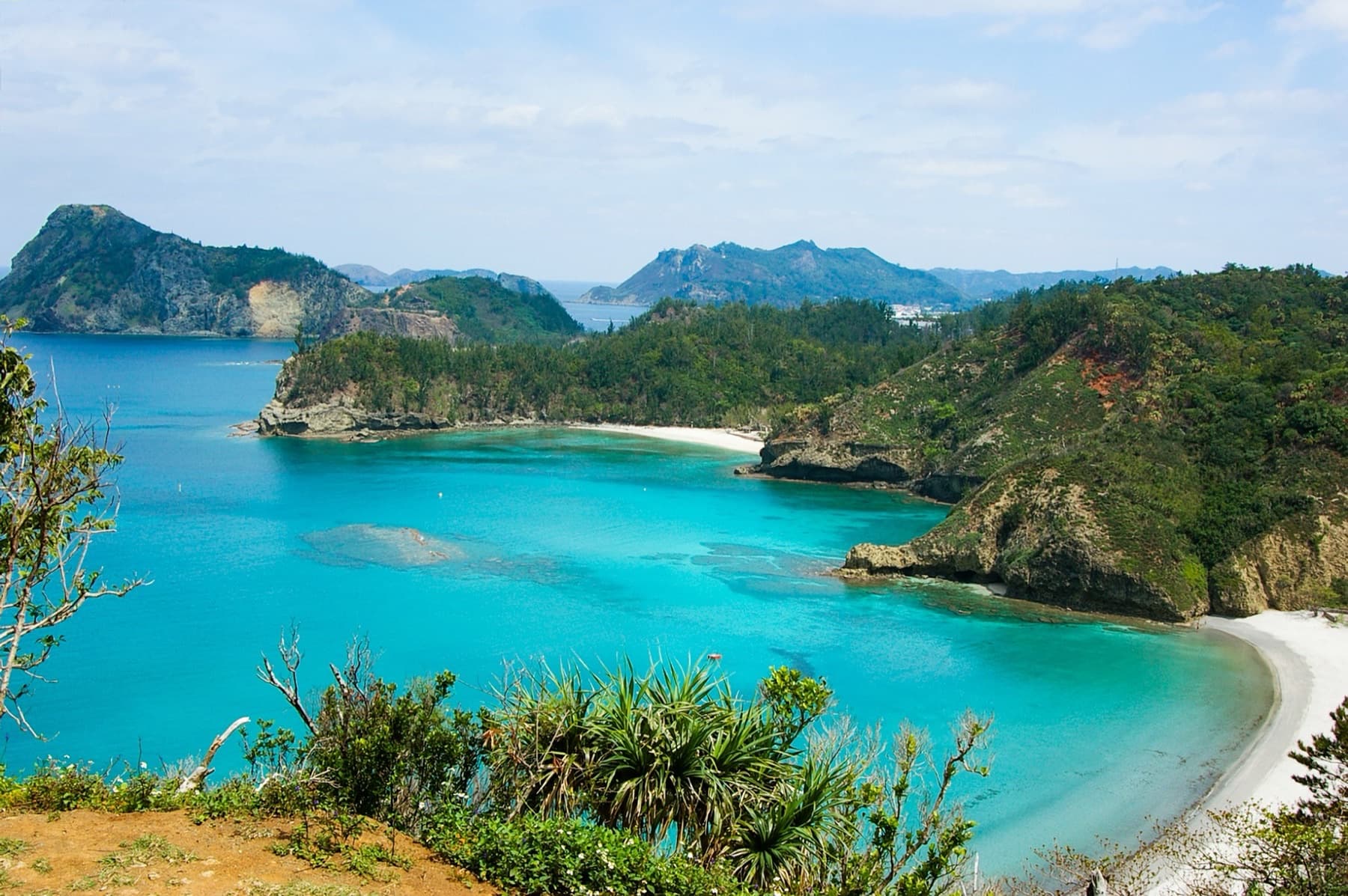
High Waves for Japan’s Three-Day Weekend
Monday is Sports Day. The swell is the problem, on the Ogasawara and Izu islands and along the Pacific beaches. A Tokyo plan can stay.
5 min · Oct 10, 2026
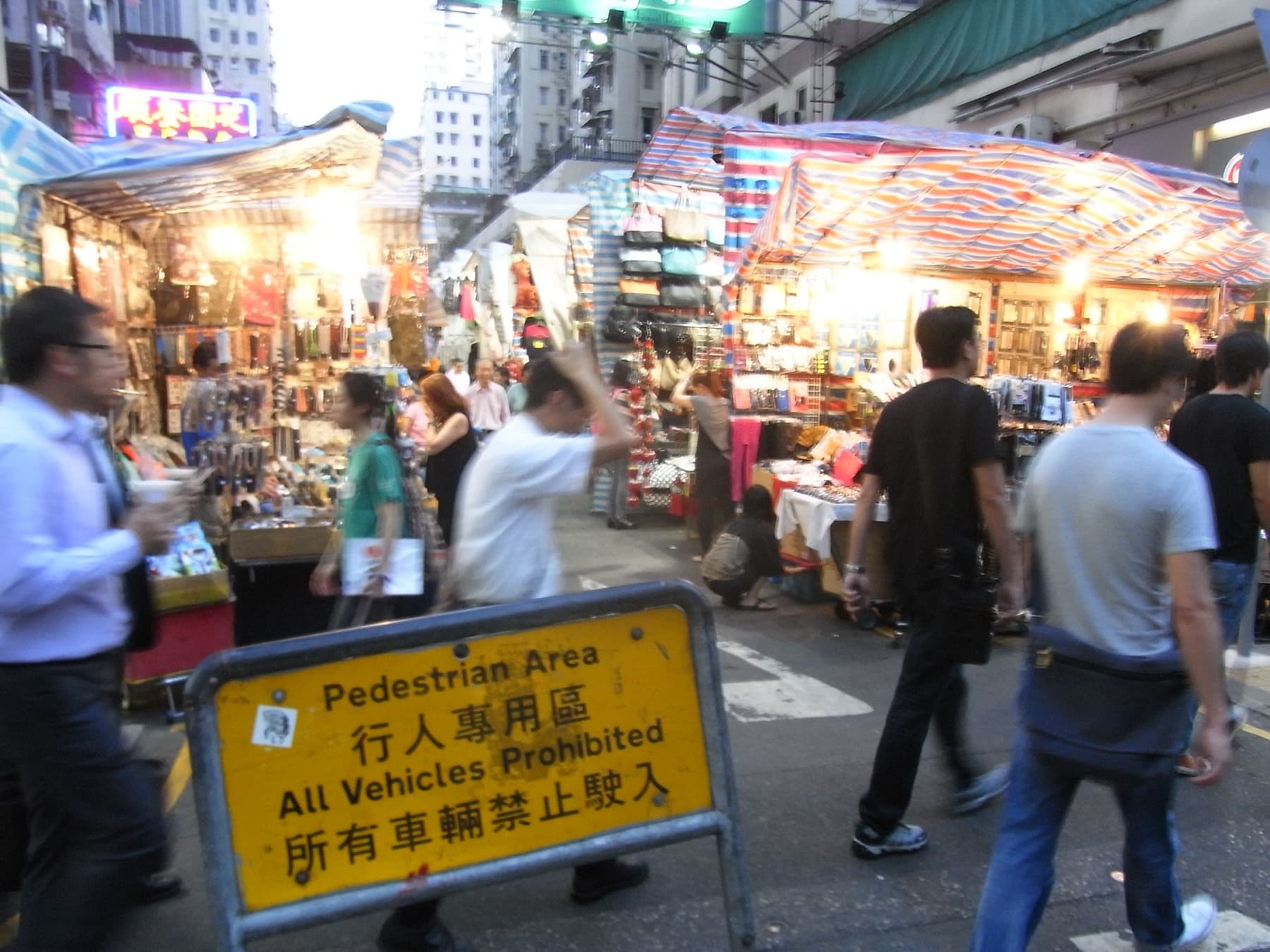
A Quick Visitor's Guide to Three Days in Hong Kong
Three days in Hong Kong work when you stop collecting districts. Stay on one line, eat cha chaan teng early, cross the harbor once on purpose, and leave Macau and Shenzhen for another ticket.
7 min · Oct 1, 2026
AirAsia’s 11.11 Fly-Thru Sale: When a Cheap Connection Is Actually Worth It
AirAsia’s 11.11 Fly-Thru sale books through November 15. Treat the PHP13,899 Jaipur headline as a starting number—then price the layover and the bags.
7 min · Nov 8, 2026