Hong Kong’s Visitor Recovery Is No Longer Just a Mainland Story
The tourism board counted about 31.22 million arrivals through July, up 11 percent. Mainland visitors still dominate the headcount. Long-haul demand is what is filling the rooms.
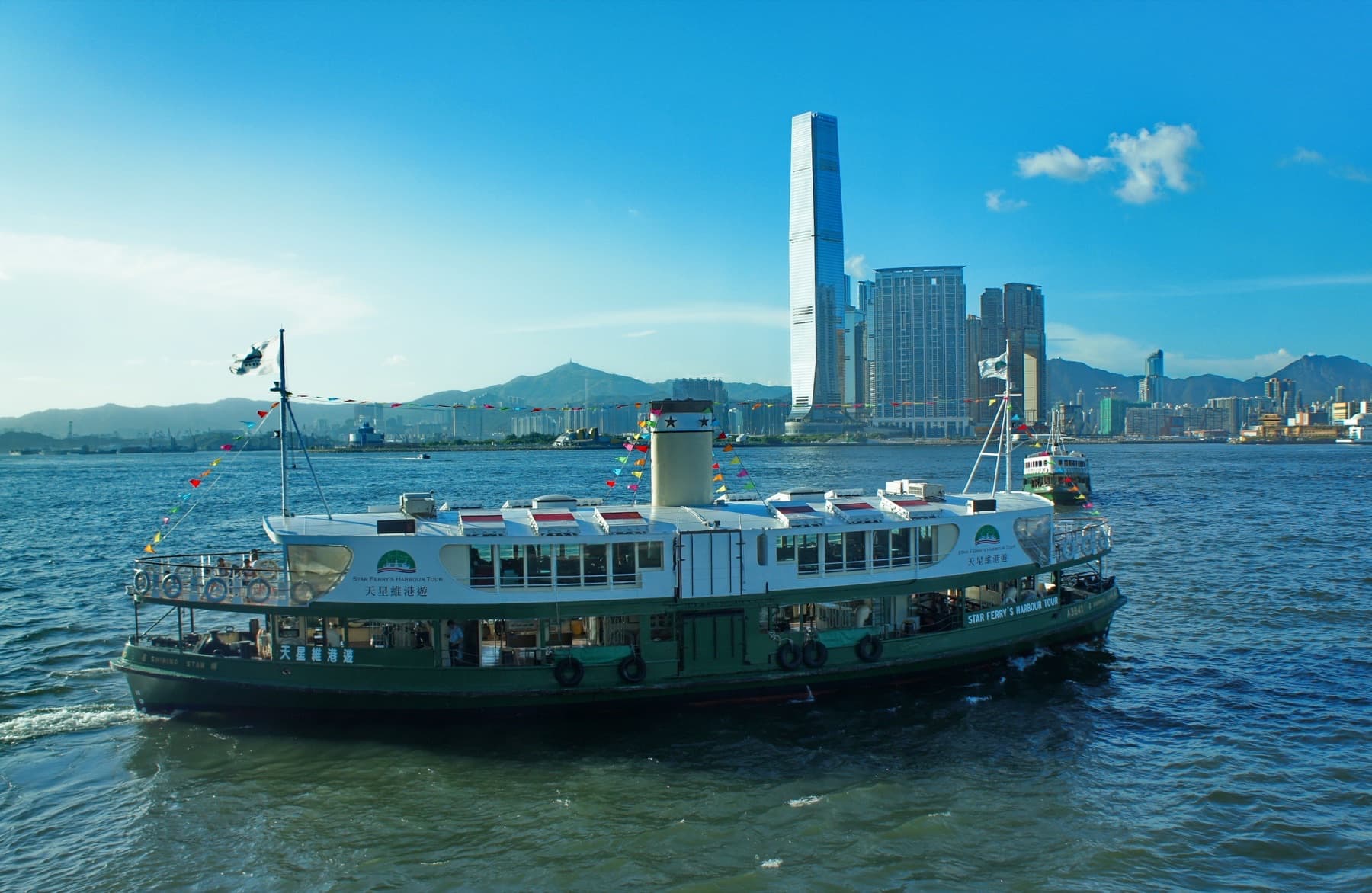
The Hong Kong Tourism Board said on Monday that about 31.22 million visitors arrived in the first seven months of 2026, 11 percent more than the same stretch of last year. The city is filling up again, and most of the people filling it still come from the Mainland.
Of those arrivals, 24.16 million came from the Chinese Mainland, up 13 percent—roughly three visitors in four. The figure that changes a hotel search sits next to that one. Long-haul arrivals, the flights from North America, Europe, and Australia, rose 19 percent through July. Short-haul Asia slipped 3 percent, squeezed by thinner schedules, higher fuel costs, and a Hong Kong dollar that has been expensive against some neighboring currencies.
If you are flying from Los Angeles or Toronto, you are in the growing slice. If you are hoping the sidewalks feel empty because “international” is back, you will be disappointed. The Mainland day trip never left. What returned beside it is the overnight guest who books a room.
July already showed the limit of a straight-line recovery. About 4.5 million people arrived last month, only 3 percent more than July 2025, and the board blamed weeks of severe weather for slowing Mainland growth to that same modest pace. A stretch of typhoon days can flatten a single month without changing the shape of the year.
The mix explains how a city can feel crowded on the street and behave completely differently in a hotel search. Mainland visitors have always padded Hong Kong’s totals with same-day shopping trips—cross the boundary, walk Tsim Sha Tsui, go home. In the record year, 2018, more than 65 million people arrived and more than half of them never stayed the night. Last year’s count was about 50 million, with overnight guests averaging 3.1 nights.
Set the current pace against that. If July’s slower rate carries through December, 2026 finishes somewhere around 52 or 53 million—a little under 2019, still well under the 2018 record. Treat 31 million as a forecast for how busy the MTR feels at 6 p.m., not as 31 million people bidding against you for a harbour-view king.
The long-haul arrivals are the ones that price the room. Through the first half of the year, Hong Kong hotels ran about 86 percent full, a hair above last year, at an average achieved rate of about HK$1,300 a night—a little over a hundred and sixty U.S. dollars. That is no longer the bargain market of the reopening years. It is a city selling rooms at something like full price, especially in weeks when a convention or a harbourfront festival is on.
The board counted more than a hundred large meetings and trade shows in the first half. The biggest were the Lions International Convention, the annual gathering of the global service-club network, and LEAP East, a technology exhibition that has committed to staying exclusive to Hong Kong for the next three years.
If you want a quiet Tuesday rate, do not arrive the week a hall in Wan Chai is full. Book the hotel before you fall in love with an event listing.
The airport is part of the same build-out, and it is the easiest piece to over-read. Hong Kong International Airport opened the departure side of a rebuilt Terminal 2 on 27 May. About fifteen airlines, mostly regional, moved their check-in there through mid-June—Hong Kong Airlines first, then Greater Bay Airlines and HK Express, with some Cathay Pacific flights in the mix. You still board from Terminal 1. An automated train ties the two buildings together. The T2 gates themselves are scheduled for the end of 2027. The authority’s hundred-million-passenger talking point is design capacity, not this year’s traffic.
Confirm which terminal your airline uses. For a long-haul arrival, Terminal 1 is still the building that matters. For a cheap regional hop, read the ticket. The extra walk is what the new capacity costs you. Do not plan a tight transfer as if T2 were a finished second airport.
Beyond the Mainland majority, the board’s first-half breakdown put Taiwan, the Philippines, and the United States at the top of the non-Mainland list, with South Korea and Japan behind them. American visitors are nowhere near the largest group. What they do is take a room and stay several nights, which is why roughly half a million U.S. arrivals in six months matter more to a hotel than that ranking suggests. Japan and South Korea are short-haul markets, and short-haul is exactly where thinner flight schedules and unfriendly exchange rates have been biting.
That mix is worth holding onto when you pick dates, because Hong Kong in 2026 is running an events calendar on purpose. Mid-Autumn lanterns fill Victoria Park in late September. The Cyclothon takes West Kowloon on 11 October. China’s National Day holiday, 1 to 7 October, is the week when Mainland outbound travel piles into the same trains and malls. The Wine & Dine Festival occupies the Central harbourfront from 29 October to 1 November, then a month of restaurant promotions. WinterFest runs toward a New Year countdown over the harbour.
If you want the festival, book into it and pay for it. If you want the city without a queue at every crossing, look at the gaps: the days after Mid-Autumn and before 1 October, mid-November once the harbourfront tents come down, or late January after the countdown and before Lunar New Year on 6 February 2027. July and August are heat, rain, and, this year, a reminder that weather still moves the numbers.
What has actually shifted since the last time most travelers were here is quieter than the headline. More Mainland visitors now come from beyond Guangdong, so the accents in a Causeway Bay lift are less uniformly Cantonese. Conventions and festivals are doing official work that shopping tours used to do by themselves. M+ and the Palace Museum out at West Kowloon have stopped being novelties and become places locals take visiting cousins.
The Star Ferry still crosses the same harbour. The Peak is still a view. What is different is downstream of the 31 million: rooms have a real price again, certain weeks are already spoken for, and a Tuesday in November can still feel like an ordinary week in a working city.
So book the room before the flight, and pick the week before either. Whether Hong Kong is “back” is a question for the people counting heads. Yours is narrower and more useful—which seven days you can still move through comfortably.
Related stories
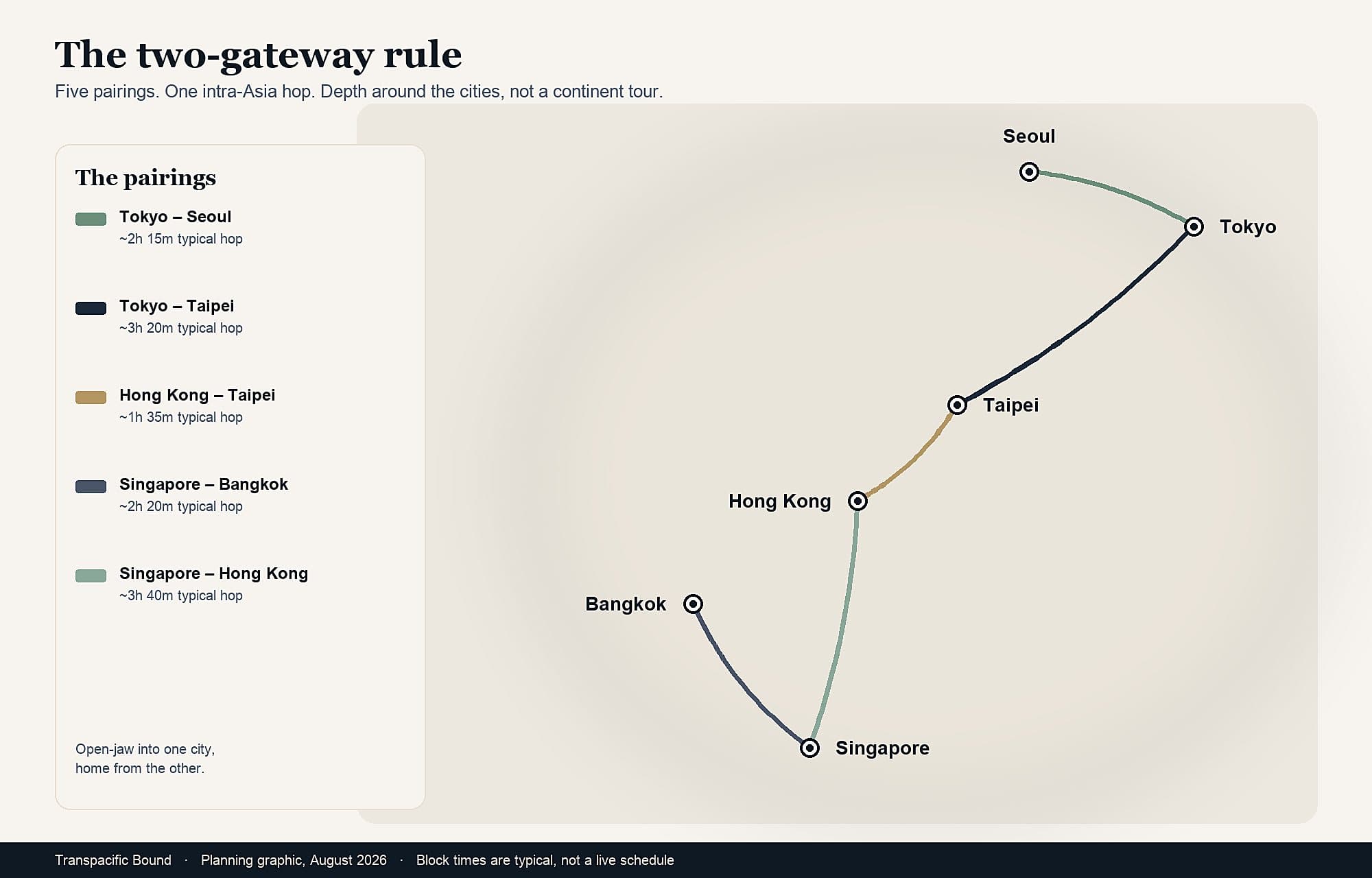
The Two-Gateway Rule for Planning a Transpacific Trip
Twelve days from North America is not permission to see Tokyo, Seoul, Bangkok, and Bali. Here is a planning rule, five pairings, and how 10-, 14-, and 21-day trips actually fit.
6 min · Aug 18, 2026
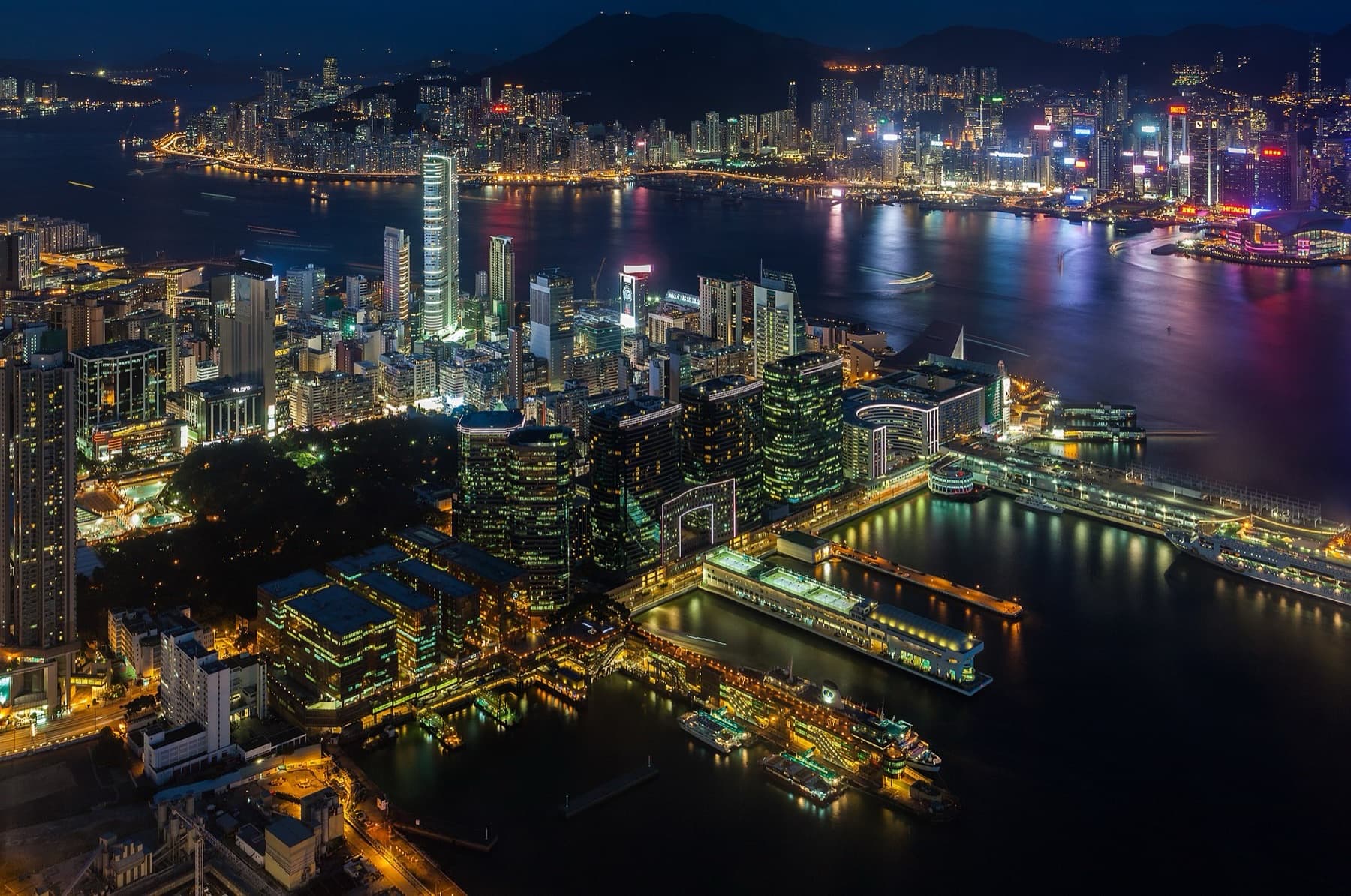
Hong Kong Beyond the Harbor: A First Week for Cantonese Diaspora Travelers
Hong Kong works when you mix one harbor ritual with neighborhoods you repeat at different meal hours.
6 min · Jun 1, 2026
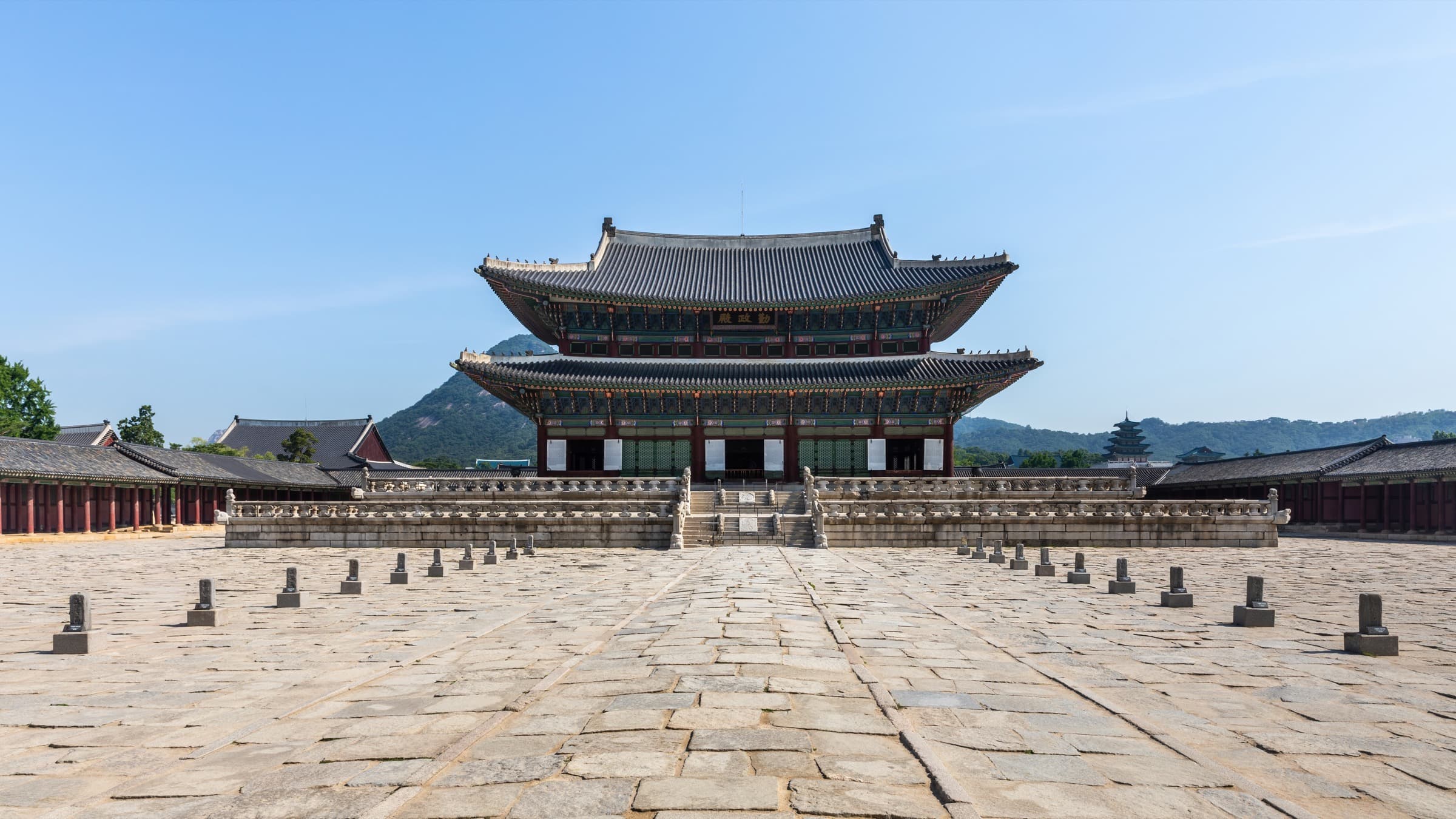
Korea’s Sidewalks Are Crowded for a Reason
KTO’s H1 numbers show China still leading while Taiwan and the US sit far above 2019 baselines. Here’s what that density feels like in Seoul, and why Busan belongs on the map.
4 min · Jul 25, 2026
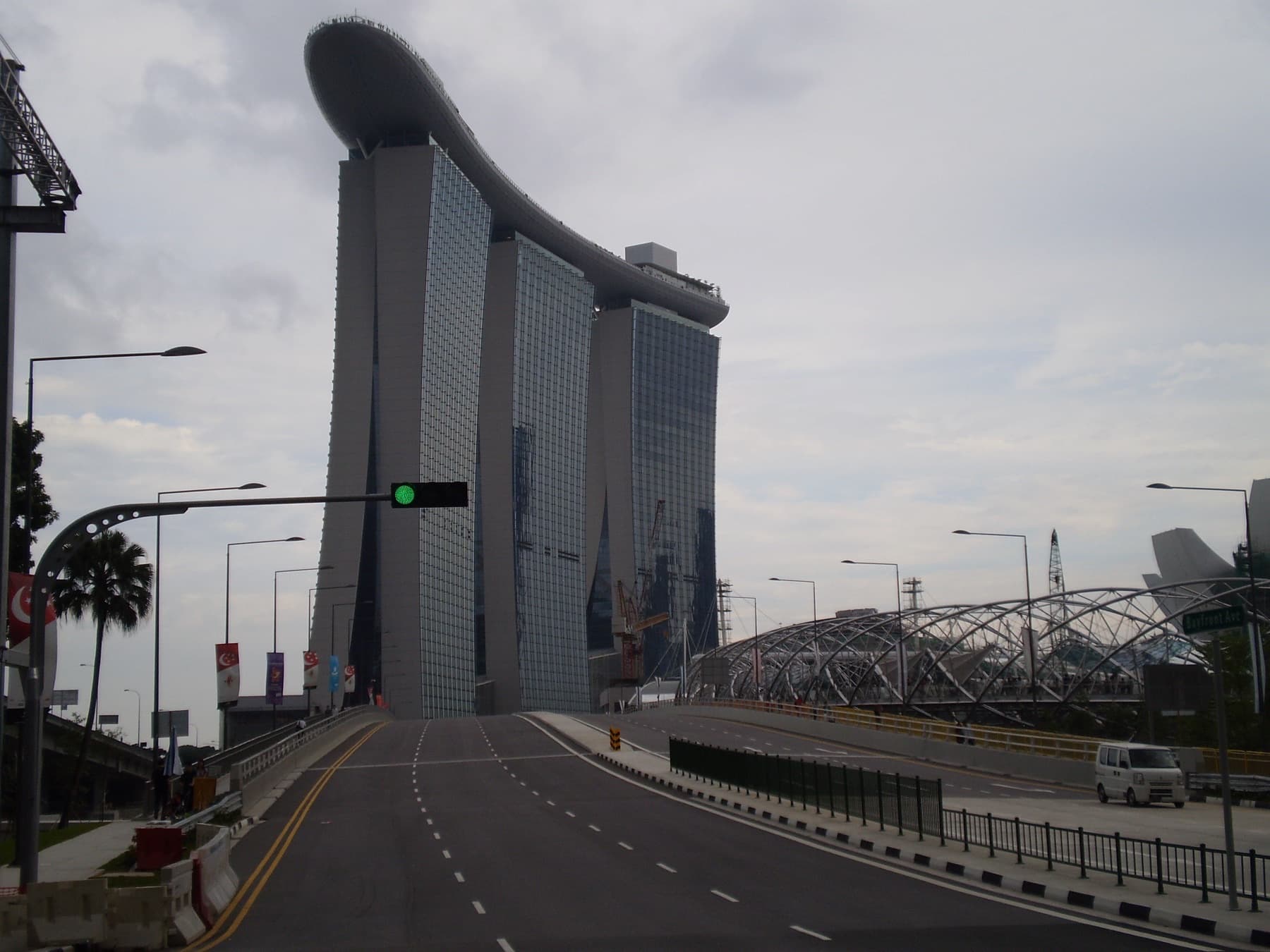
Singapore and Hong Kong Still Come First for Asia Entry
Founders still route through these two cities for infrastructure, English-friendly business, and capital markets.
3 min · Jun 8, 2026
Related global reads
Transpacific Bound
The Two-Gateway Rule for Planning a Transpacific Trip
Transpacific Bound
Hong Kong Beyond the Harbor: A First Week for Cantonese Diaspora Travelers
East Table
East Asia cold noodles field guide
Eastward Drive
Magarigawa Club: Japan’s private driving circuit
Goldsea
How much I really spent in Japan