Korea’s Sidewalks Are Crowded for a Reason
First-half arrivals hit about 10.7 million, up more than a fifth from last year and past 2019. A warm read of who is coming, where they go, and how to plan around the crush.
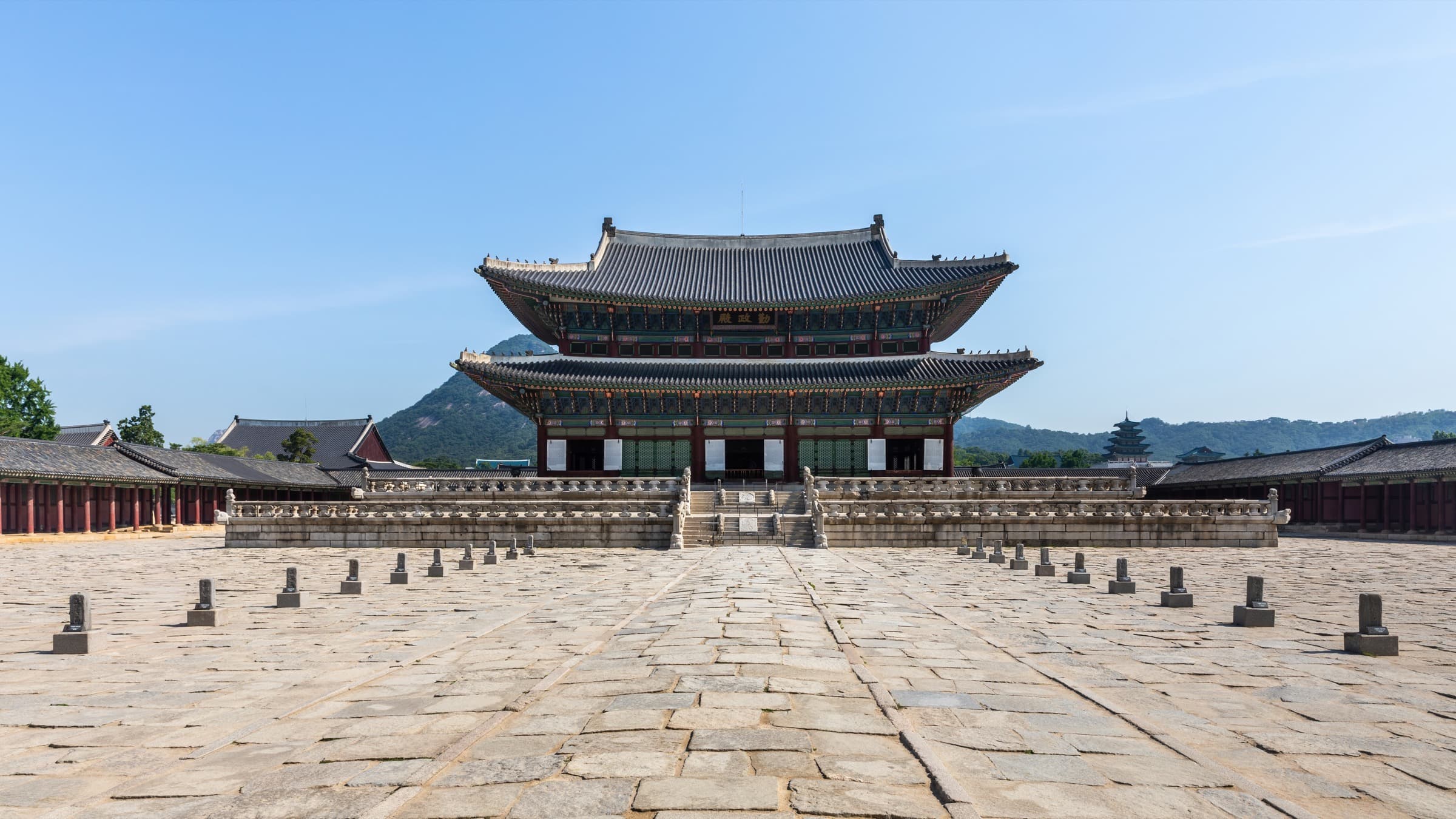
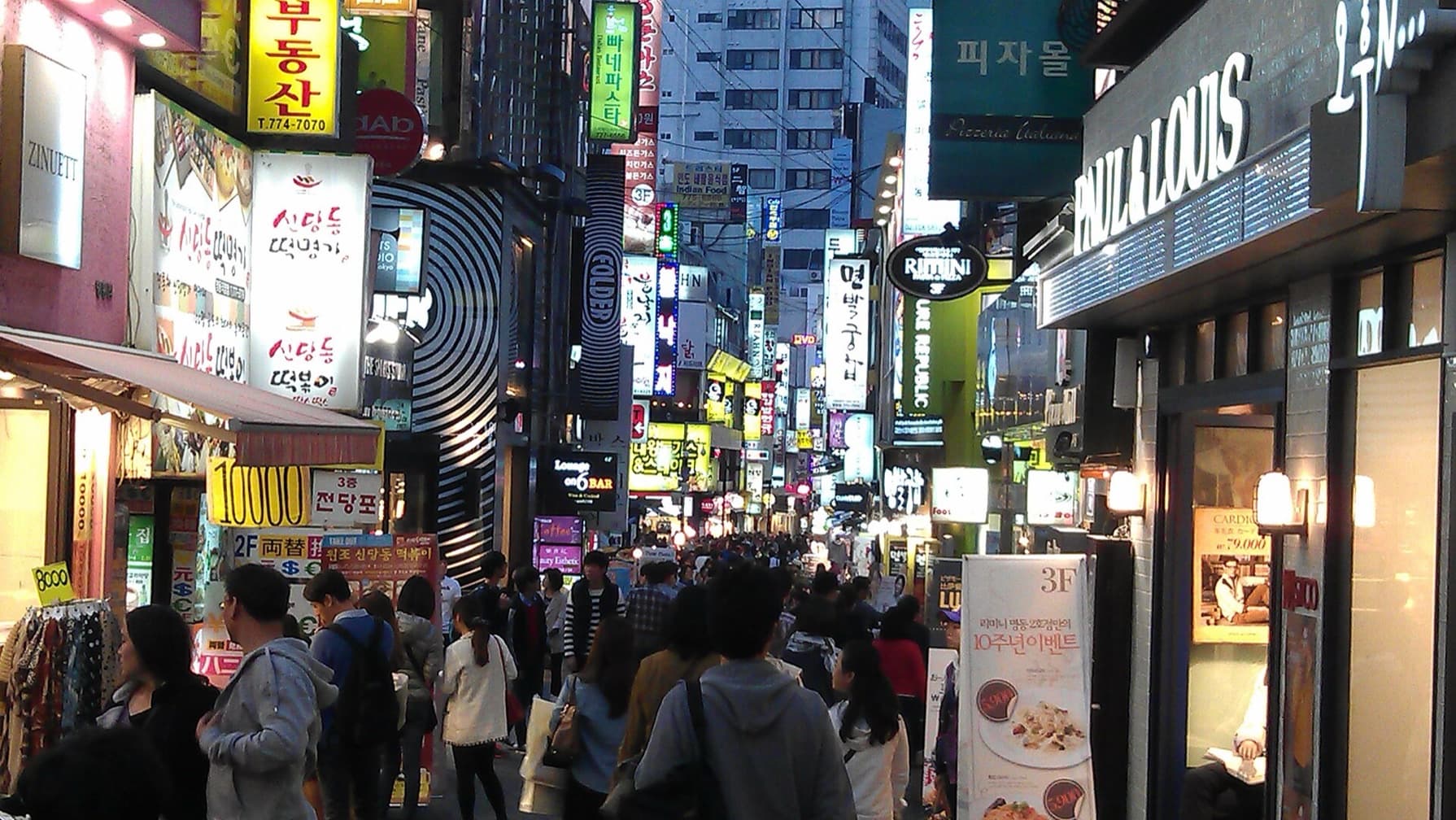
If you have stood in the Gyeongbokgung ticket line on a warm morning, or waited for a table in Seongsu while tour groups flowed past the same cafe windows, the national tourism numbers will sound less like a press release and more like an explanation. South Korea’s first half of 2026 was crowded on purpose.
On July 23, the Korea Tourism Organization released June 2026 tourism statistics that put January–June foreign arrivals at 10,709,919, up 21.3 percent from about 8.83 million in the same stretch of 2025, and 126.9 percent of the first-half total in 2019. Those figures describe growth past the pre-pandemic baseline, with the country crossing 10 million inbound visitors in late June, roughly a month earlier than it did in 2025. Government and industry talk of 22 million to 23 million visitors for the full year is a target, not a promise.
The mix matters as much as the total. China remained the largest source market at about 3.21 million arrivals. Japan followed at about 1.95 million, then Taiwan at about 1.15 million, the United States at about 810,000, and the Philippines at about 360,000. Taiwan and the United States, in particular, sit far above their 2019 first-half levels, about 188 percent and 169 percent of those earlier baselines, respectively. Read those carefully: they are not year-over-year jumps of nearly 200 percent. They are proof that the post-pandemic Korea trip has widened for travelers who used to treat Seoul as optional.
Policy is part of the backdrop. The Justice Ministry extended, around July 1, a group-tourist visa fee waiver through December 31, 2026, for organized groups from China, Cambodia, India, Indonesia, Vietnam, and the Philippines, roughly a fifteen-dollar fee set aside, not a universal visa-free free-for-all for every passport. Korean reporting also points to summer holidays, Mid-Autumn and National Day calendars, and more international flying into regional airports as second-half supports. Treat individual K-ETA and visa rules as passport-specific and recheck before you book.
For a North American or diaspora traveler, the useful question is how to move through a capital that already feels full. Book the meal that matters. Go to Gyeongbokgung earlier than your jet lag wants. Leave one afternoon without a checklist so Hongdae or a market can feel like a neighborhood rather than a queue. The Seoul AI Foundation tracks foreign visitors stretching beyond the classic palace strip toward markets and hiking. Gwangjang, Dongdaemun Design Plaza, Achasan and Gwanaksan among the places that posted strong year-over-year lifts in 2025 framing. Year-label those attraction shifts; use them as a planning hint, not a 2026 guarantee.
Widen the map if you can. Busan is no longer a footnote for travelers who already know Seoul’s subway rhythm: beaches, Jagalchi, and a slower coastal night after a capital week. Regional airport growth, in official optimism, is part of how the boom spreads beyond one city. Pairing Seoul with Busan asks for honest transfer time; treating every day as another palace circuit asks for patience you may not have when the courtyard is thick with hanbok rentals and phone cameras.
There is a quiet regional contrast worth holding lightly. Japan’s first-half inbound story this year softened as Chinese arrivals fell sharply while Korea and Taiwan filled much of the emotional and commercial weight. Korea’s ledger is the other side of the same summer: Chinese volume still leads, Taiwan and the United States punch above their 2019 weight, and the sidewalks feel it. Skip picking a favorite national narrative on the platform. Pack a hotel near a line you will actually ride twice, and a dinner reservation that survives the crush.
The honest close is small. Korea in mid-2026 is still a wonderful place to land hungry and a little nervous. The headline says more than ten million people got there before July. Your job is the same as last year, only with more company: pick fewer neighborhoods, eat well, and leave room for the version of the trip that only appears when you stop racing the statistics.
Related stories
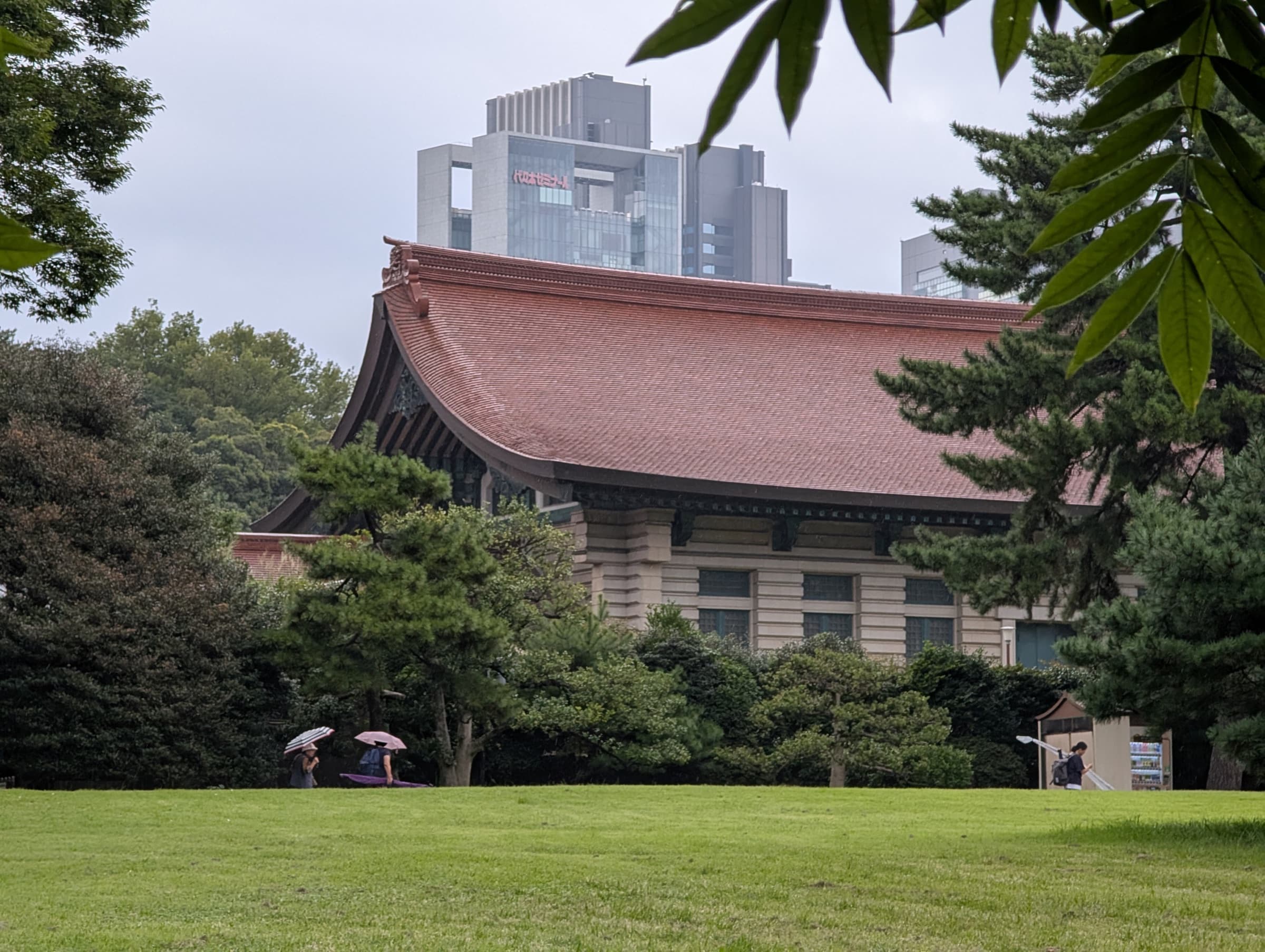
Japan’s Visitor Map Is Changing, Even If the Sidewalk Still Feels Full
JNTO’s first-half numbers show China down more than half while Korea and Taiwan surge. Spending barely budged. Here’s what that shift feels like on the ground.
4 min · Jul 24, 2026
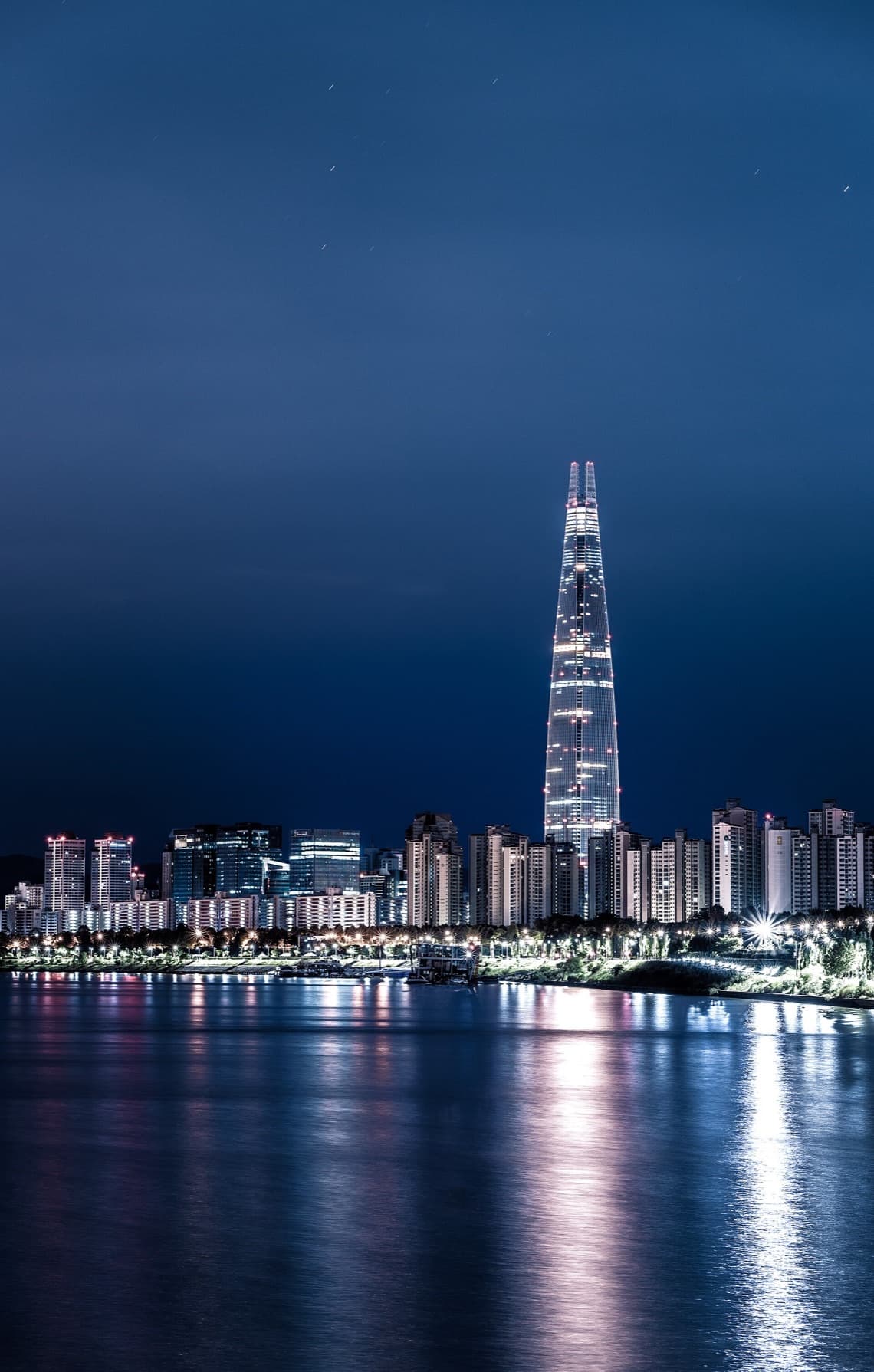
Seoul After the Hype Cycle
Beyond the export narrative: neighborhoods, markets, and meals that reward travelers who skip the trend checklist.
8 min · May 18, 2026
Seoul as a First Trip to Asia: Energy Without the Spreadsheet
Seoul is not the softest first Asia trip, but for the right traveler it teaches appetite, transit, and neighborhood rhythm fast.
5 min · Jun 7, 2026
Taipei Is the Soft Landing More Asian Travelers Should Choose First
Why Taipei teaches you how to travel Asia before harder cities test you.
7 min · May 12, 2026