
Willie Walsh Leaves IATA Today. On Monday He Runs IndiGo.
Walsh’s IATA term ends July 31. On August 3—IndiGo’s twentieth anniversary—he takes the CEO chair as the carrier pushes toward A350 long-haul and tries to keep its low-cost culture intact.
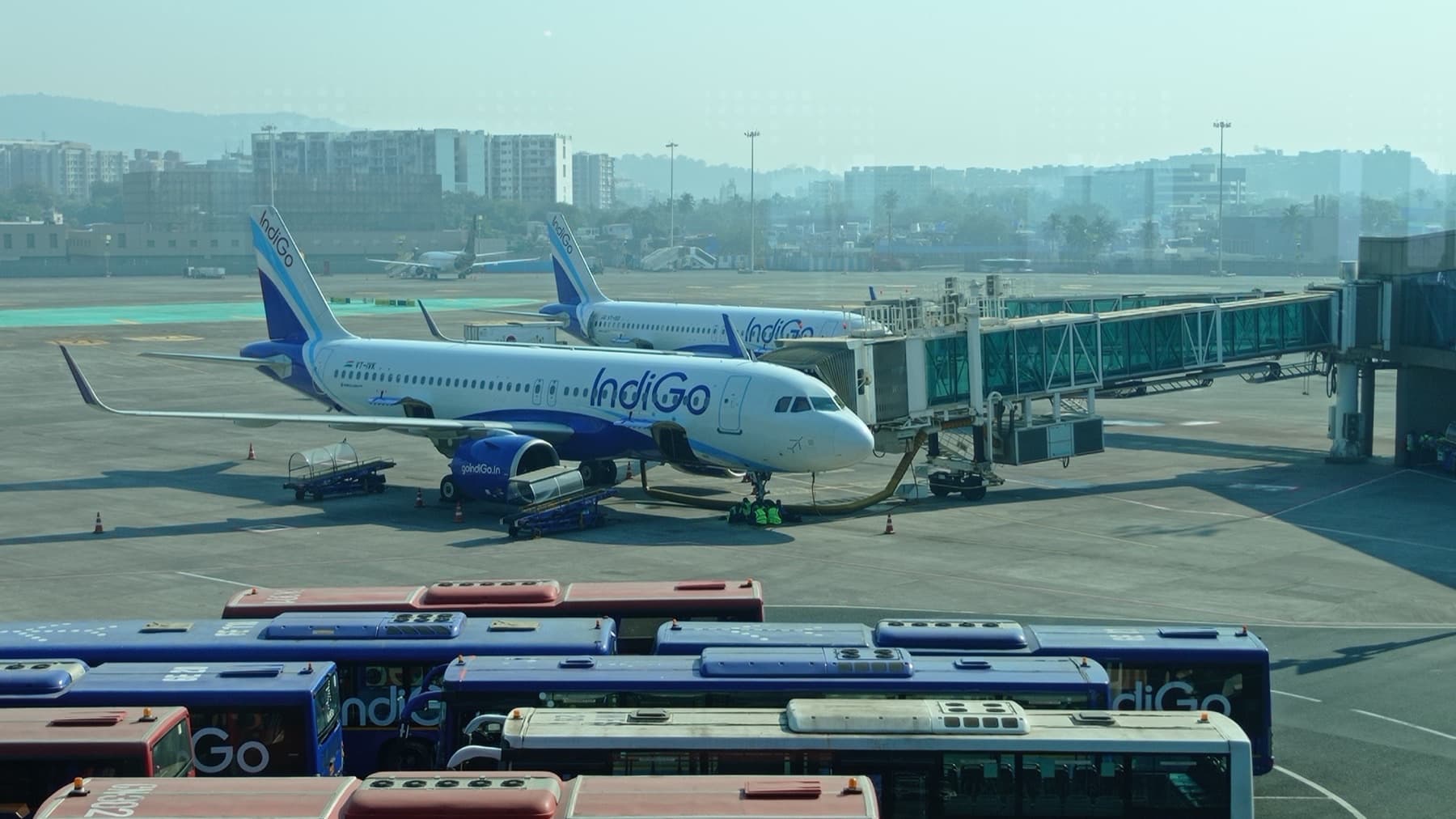
Willie Walsh’s last day as director general of the International Air Transport Association is today, July 31. On Monday, August 3, he is expected to take the chief executive chair at IndiGo, India’s largest airline by market share, on the same day the carrier marks twenty years of flying. The calendar is tidy. The job is not.
IndiGo’s board named him on March 31, subject to Ministry of Civil Aviation security clearance, with a join date no later than August 3. Business Today reported on July 28 that the clearance had come through. Managing director and co-founder Rahul Bhatia, speaking to PTI in comments carried July 31 by The Economic Times, framed Walsh as motivated to make a difference at the airline rather than treat the role as a résumé stop, and as someone deep enough operationally—pilot background included—to matter on the line, not only in the lobby.
That hire lands after a rough handoff. In December 2025, IndiGo’s network buckled as new pilot duty norms took effect. Indian reporting put the passenger impact above 900,000, with the Directorate General of Civil Aviation later fining the airline ₹22 crore and cutting its winter schedule by 10 percent. Pieter Elbers resigned as CEO on March 10. Bhatia stepped in on an interim basis. Walsh’s appointment three weeks later was the board’s answer to both the crisis and the next chapter: keep a low-cost machine intact while building a longer-haul identity.
The machine is already enormous. Recent company framing puts IndiGo at more than 400 aircraft in service, more than 2,100 daily flights, and a domestic market share above 66 percent, with more than 900 aircraft still on order. What Walsh inherits is not a turnaround of empty seats at home. It is a carrier that already dominates India’s skies and now wants to look like a global network airline without abandoning the cost culture that made the dominance possible.
The hardware for that bet is the Airbus A350-900. IndiGo firmed its widebody count at 60 aircraft in October 2025, with purchase rights left for 40 more, after doubling an earlier 30-jet commitment. Bhatia’s latest comments point to induction from early 2028 as the airline expands internationally; earlier IndiGo communications around the first batch had pointed to deliveries beginning in 2027, so treat the calendar as still in motion and confirm against the live fleet plan. A321XLR aircraft are already part of the medium-haul story. Walsh’s own public comments earlier this year, while still at IATA, cast India’s thin widebody base as the opening and warned that turning a sharp single-aisle low-cost operation into low-cost long-haul would be a rare trick. The useful traveler reading is simpler: more nonstops from Indian cities that foreign carriers underserve, on a timetable measured in years, not press-week routes.
Bhatia has been explicit about what he wants Walsh to protect. Culture, he told PTI, is the differentiator, and he wants Walsh to hold it fiercely. He also talked up Walsh’s experience across low-cost and full-service models, and across partnerships—the political half of international flying that slot fights and alliance math usually decide. Compensation, in Bhatia’s telling, never drove the recruitment conversation. Whether that warmth survives the first irregular-ops winter is a different test.
For anyone watching Asia–Pacific aviation from North America or the Gulf, the so-what is competitive, not ceremonial. Air India is rebuilding long-haul with its own Boeing and Airbus orders. Gulf hubs already harvest India–Europe and India–North America connecting traffic. IndiGo’s wager is that a domestic giant with Walsh’s rolodex can pull more of that traffic onto metal that wears its own livery. Monday does not deliver an A350. It delivers a CEO who has run Aer Lingus, British Airways, and IAG, then spent years speaking for the global industry, and who now has to prove the low-cost long-haul version works in India.
What to watch next is short. Does August 3 pass without another regulatory hitch. How quickly Walsh puts his own operations team stamp on a carrier still metabolizing December. And whether the A350 schedule stays near early 2028 once manufacturers and airports finish arguing about delivery slots. The IATA chapter closes today. The IndiGo chapter starts with a twentieth birthday and a much harder question than cake.
Related stories

Air India Plans Nonstop Delhi–Toronto on New 787-9 From August 1, If Airspace Cooperates
From August 1, a new line-fit 787-9, daily DEL–YYZ flying, and Premium Economy debut, with the Vienna stop removal still subject to airspace.
4 min · Jul 23, 2026
Philippine Airlines Returns to Boeing With Up to 20 Dreamliners
PAL’s Farnborough MoU for up to twenty 787-10s will not fly Chicago in 2026, but it signals how the airline plans to modernize after the A350s already on order.
4 min · Jul 20, 2026
Riyadh Air Picked Kuala Lumpur, Not Bangkok or Jakarta, as Its First Stop in Southeast Asia
A month after opening to the public, PIF-backed Riyadh Air begins direct Riyadh-Kuala Lumpur service, its first Southeast Asian route and an early test of its ambition to reach 100 destinations by 2030.
6 min · Jul 30, 2026
Delta Plans to Challenge Philippine Airlines on Los Angeles–Manila in 2027
Delta’s planned A350 service adds a U.S. airline and four cabin choices to Los Angeles–Manila, where Philippine Airlines currently flies 18 times weekly.
6 min · Jul 18, 2026
Related global reads
Transpacific Bound
Air India Plans Nonstop Delhi–Toronto on New 787-9 From August 1, If Airspace Cooperates
Transpacific Bound
Philippine Airlines Returns to Boeing With Up to 20 Dreamliners
Tadka Table
Indian breakfast map beyond dosa
Tadka Table
Beyond butter chicken: hyper-regional Indian cooking
At the Banquet
The Banquet guide to Mumbai