
Are Luxury Events the New Status-Symbol Getaways?
At The Quail during Monterey Car Week, a $3,500 resale ticket was only the cover charge. The real product is being there—and the same logic is quietly looking across the Pacific.
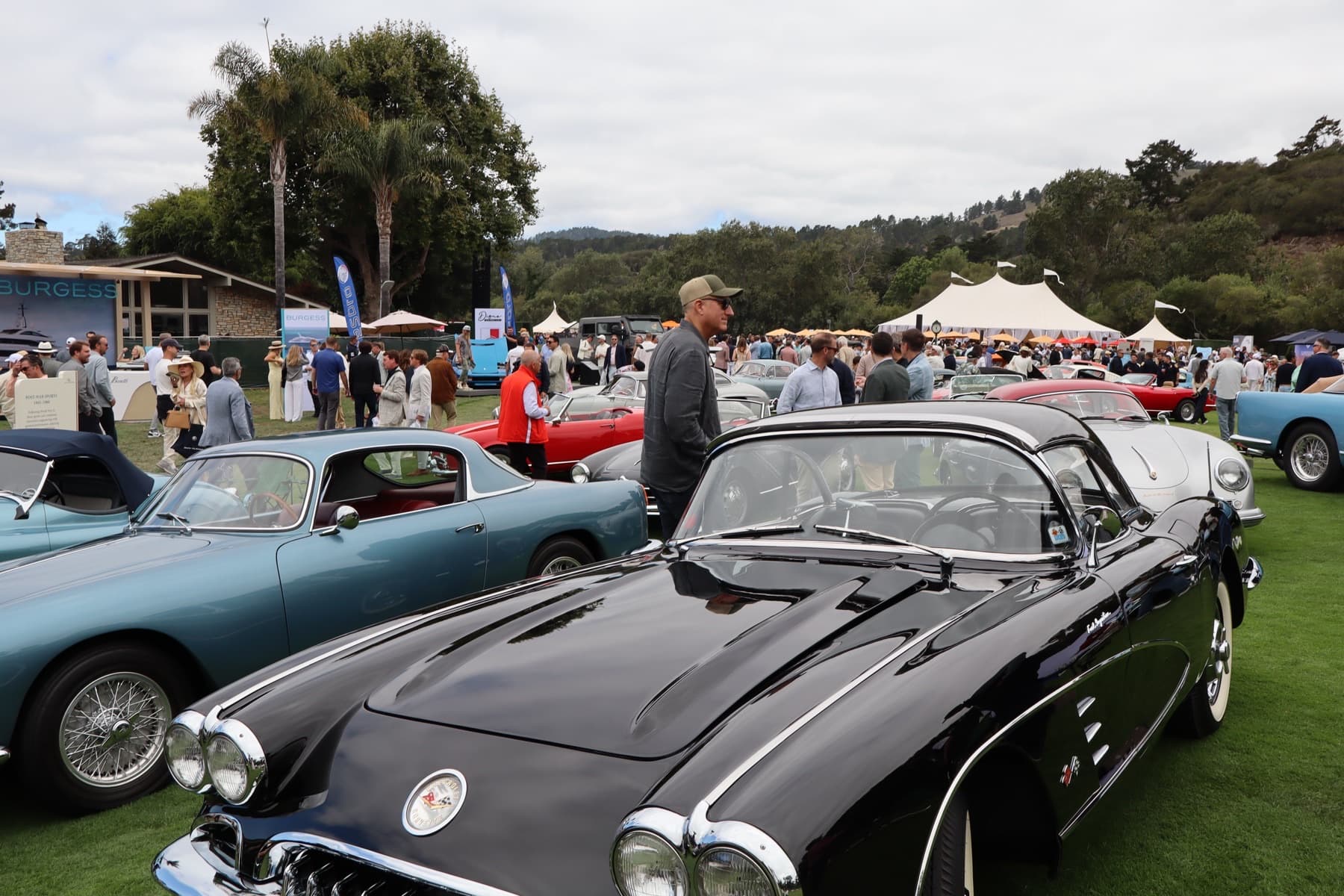
On a gray Friday in Carmel Valley, the lawn at Quail Lodge looked less like a car show than a temporary city with better shoes. Concours paintwork sat under soft cloud. A Burgess yacht tent rose behind a black Corvette. People drifted between manufacturer pavilions with the unhurried gait of travelers who had already cleared the hard part of the itinerary: getting in.
That hard part now has a market price. Face-value credentials for The Quail, A Motorsports Gathering, the Peninsula Hotels garden party inside Monterey Car Week, have lately sat near $1,500 when the public sale opens. On the resale boards that mop up what the lottery and the guest lists miss, Vivid Seats has been showing Quail tickets averaging about $3,500, with get-in prices often starting north of $3,000. Across the lawn last week, plenty of weekend budgets were already at $12,000 and up before anyone mentioned a seven-figure paddle at auction: peninsula hotel rates that jump for Car Week, dinners that do not print on the ticket, a second event badge, a drive from San Jose or a jet into Monterey.
The cars matter. The auctions matter. For a growing share of the crowd, though, they are the backdrop. You came to be inside the fence while the week happened.
Travel used to borrow prestige from places. Paris did the work. Kyoto did the work. The itinerary was the status object, and a museum ticket was a detail.
A parallel market has matured in the opposite direction. The scarce object is a dated credential—Quail on a Friday in August, a VIP preview in Miami in December, a table at Hôtel du Cap in May—and the city rearranges itself around whoever holds it. Hotels on the Monterey Peninsula book out months ahead at Car Week premiums. Miami Beach rates routinely double or triple for Art Basel week even when the public fair pass itself costs less than a nice dinner. Cannes’ Croisette inventory behaves like a film set with room keys: midrange nights that would be ordinary in April turn into several hundred euros, and the palace hotels disappear into studio and brand blocks.
You can still love the underlying culture. Plenty of Quail guests can talk camshafts until the oysters run out. The newer pattern is the traveler who cannot, and does not need to. Presence is the souvenir. The photograph with the right lawn in the background does more social work than a rental car ever did.
Start with Art Basel Miami Beach, because the entry math is almost rude. A public day pass is often in the range of a city museum ticket. The week around it is not. Collectors still move early money on the VIP days, and galleries still live or die on what leaves the wall. Walk the satellites in Wynwood after dark, though, and you will meet plenty of people whose relationship to the art market is closer to weather: they know a front is moving through town, and they intend to be under it. Fashion, crypto, real estate, and media have learned to treat Miami Art Week as a scheduled collision. Plenty of people buy the week first and the art second, if they buy art at all.
Cannes works the same way in a different register. The official selection matters if you are in the industry. If you are not, the festival is still a reason to pay Croisette prices, hover near screenings you may never enter, and collect the ambient glamour of a town that has briefly decided everyone important is within a twenty-minute radius. Hotel analysts tracking European cultural spikes have put Cannes Film Festival peak nightly rates in a different league from ordinary May inventory. The markup hits anyone with a Croisette booking confirmation, badge or no badge.
Then there is amfAR’s Cinema Against AIDS gala at Hôtel du Cap-Eden-Roc, which has become the sentence people lower their voices to say. Reuters put tickets starting at $25,000 for the 2025 edition, which raised roughly $20 million for HIV/AIDS research in a single night. Listings circulating for later editions talk in pounds and five-figure seats, with table packages that look like small-company payrolls. Nobody pretends the average guest flew in for a quiet interest in epidemiology. The cause is serious. The social physics are the same ones on the Quail lawn: scarcity, proximity, and a night that is expensive to explain away.
On the North Atlantic, that habit has a cheap on-ramp. Sale fares from the United States to Western Europe still drop into the low hundreds on the right Tuesday, which means a status weekend can look almost casual for a household that would never bid Quail resale. The flight is no longer the filter. The hotel and the ticket are.
The Pacific refuses to play along. Even on deal-heavy weeks, West Coast round-trips to Tokyo, Seoul, or Hong Kong more often live in a higher band than a throwaway Paris fare, and East Coast departures climb from there. Fuel, thinner ultra-low-cost competition, and long stage lengths keep the ocean expensive in a way the North Atlantic no longer is. For North American travelers, “I was at the thing” still has to clear a longer, pricier gate when the thing is in Asia.
That is why the next chapter is interesting. Asia’s ultra-wealthy population keeps growing in the public tallies. Altrata’s 2026 ultra-wealth reporting put the region’s UHNW count up about 16 percent in 2025, to roughly 142,000 people—about a quarter of the world total. Capgemini’s latest wealth tables showed Asia-Pacific leading major regions in HNWI growth. Visa’s readouts to the luxury travel trade have been blunt about where incremental affluent card spend is appearing: travel near the top, with new money hubs across Asia creating the guests hotels already know how to host.
The pieces are already on the calendar.
Art Basel Hong Kong drew about 91,500 visitors to its 2026 edition, and Hong Kong’s culture bureau locked a five-year deal to keep the fair as the brand’s exclusive regional stop. Public days for 2027 are already on the books for late March. The government talk around the fair is not shy: mega-event economy, high-end overnight guests, cultural capital as tourism strategy. The VIP preview lists and the harbour-side dinners will do what Miami’s previews do. Some guests will buy art. Others will buy the week.
Singapore’s Formula 1 weekend in October is further along the Quail logic. The 2026 race runs 9–11 October under the lights at Marina Bay, with concerts layered on top of the timetable. Ordinary walkabout tickets can look almost reasonable until you touch hospitality. Suite and Paddock Club packages climb quickly into the range where a Monterey weekend starts to feel familiar—especially once you add a Marina Bay hotel that has noticed the same calendar you have.
Around those anchors sit the supporting acts: Macau’s Grand Prix week, Seoul’s design and fashion migrations, Tokyo’s art-week satellites, Hong Kong’s racing season, the yacht and fair circuits that already treat March and October as migration months. None of these need to become “the Asian Quail” to matter. They need only remain scarce, dated, and expensive to reach from California or New York.
Standing on the Carmel Valley lawn, the clearer point is not that cars stopped mattering. It is that travel found a cleaner prestige unit than a destination slogan.
A beach can be photographed by anyone with a boarding pass. A credentialed afternoon on a capped golf course, a preview hour before Art Basel opens the doors, a gala seat that starts at twenty-five thousand dollars: those still cost something social as well as financial. The art and the cars help. The trip does the real work.
For readers on this side of the Pacific, the practical question is narrower. Europe will keep selling event weekends to anyone willing to pay the hotel bill, because the airfare stopped being a serious obstacle. Asia is where the same social habit meets an ocean that still charges rent. Watch the March fair calendars and the October race weeks. Watch how many people you know start describing trips by the event first and the city second.
If that sentence already sounds like your group chat, the getaway has finished changing shape. You are no longer going to Hong Kong and happening upon a fair. You are buying a fair, and Hong Kong comes with it.
Related stories
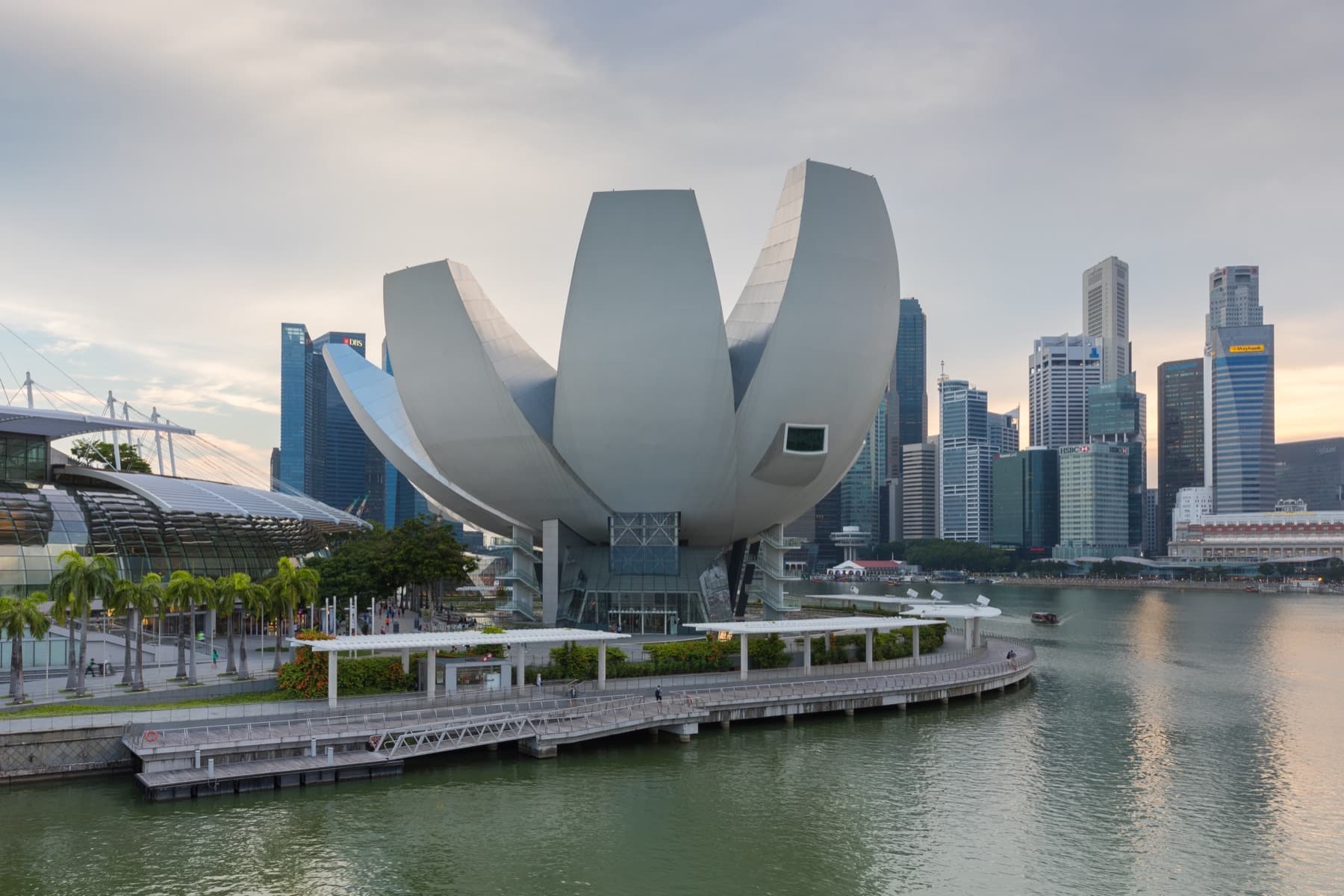
Singapore Is Not Sterile If You Know Where to Look
The city-state is curated, yes. It is also one of the world’s most serious eating capitals.
3 min · May 8, 2026
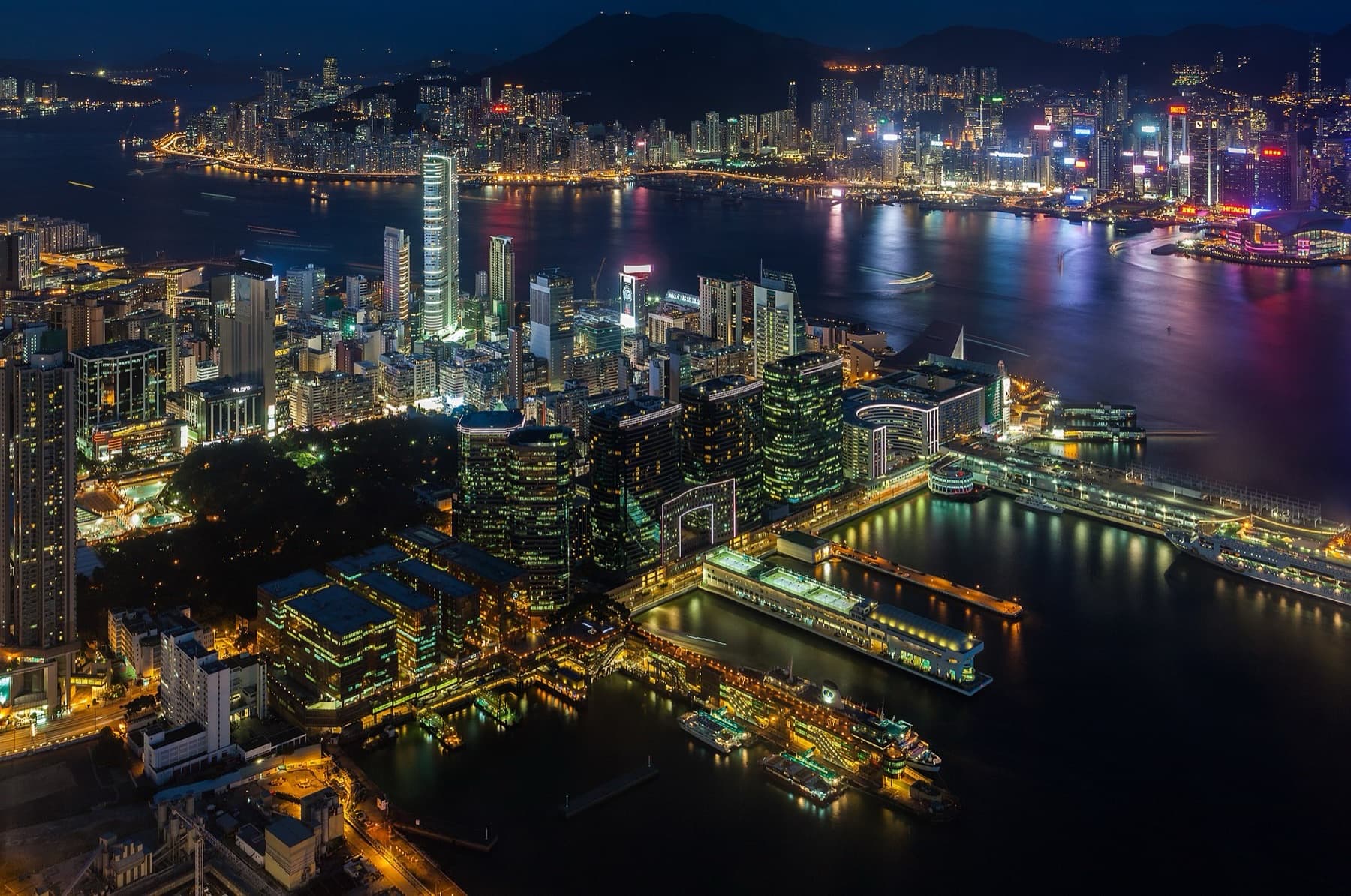
Hong Kong Beyond the Harbor: A First Week for Cantonese Diaspora Travelers
Hong Kong works when you mix one harbor ritual with neighborhoods you repeat at different meal hours.
6 min · Jun 1, 2026
Asia’s Loudest Real-Estate Bet Is the Hotel You Already Book
Knight Frank put Asia-Pacific hotel investment at $5.4 billion in Q2. The Seoul and Singapore deals show what that means for rates, renovations, and the next flag on your booking screen.
6 min · Aug 17, 2026
A First Two-Week Trip to Asia
Tokyo–Seoul, Taipei–Hong Kong, or Singapore–Bangkok: how to spend two weeks without turning the Pacific crossing into a continent tour.
9 min · Aug 19, 2026