
The Case for Planning a Trip Around One Reservation
Fine dining as legitimate travel architecture.
Why it works
A meal with stakes forces you to rest, dress, move through a city with intention, and build everything else as connective tissue instead of as competing headline.
One hard reservation organizes time: you cannot be on a day trip across the country if dinner is in Shinjuku at 7 p.m. You sleep earlier, shower seriously, walk the neighborhood before instead of after in panic.
The reservation is the spine. Flights, hotels, and daytime wandering attach to it naturally. Without a spine, trips become lists.
This works best when you actually care about the meal, not when you booked because the name sounded impressive and you forgot until three days out.
Stake means anticipation, preparation, and showing up present. Jet-lagged autopilot wastes the money.
Tokyo example
Sushi counter on night three after two days of walking, cash habits learned, and stomach ready for omakase rather than exhausted gratitude.
Tokyo rewards reservation-led trips because the city’s best rooms run on predictability. Book early, confirm policy, arrive on time, do not treat the chef’s counter like a backdrop.
Days one and two should teach the neighborhood around the restaurant: konbini breakfast, depachika grazing, a walk that ends near your hotel so you are not crossing the city in formal wear.
Prepayment and cancellation rules are serious. Read them like visa rules, not like hotel fine print you ignore.
If you are too tired by night three, cancel kindly and eat noodles without shame. Honoring the room includes not ruining it for yourself.
Paris example
Bistro versus salon. Know which you booked and dress accordingly. Paris dining weeks fail when travelers treat every reservation like casual walk-in culture.
A bistro reservation may still feel relaxed. A salon meal expects pacing, attention, and clothes that match the room. Confusing the two creates friction you will feel even if nobody says anything.
Build the day around walking to the arrondissement early, café sitting, not cramming Versailles before a dinner you paid for.
Market lunch on the same day as a serious dinner is often smarter than skipping lunch entirely and arriving faint.
Language helps but observation helps more. Watch service rhythm before you perform yours.
Family caveat
Parents may not care about your tasting menu. Give them a parallel great meal nearby instead of dragging everyone into a room where half the table is miserable.
Multigenerational trips need parallel excellence, not forced unity. You get omakase; they get the restaurant they actually wanted. Meet after for dessert or a walk.
Explain why the meal matters to you without implying it should matter equally to everyone. Different appetites are not moral failures.
Budget for two tables if needed. Peace is worth more than the story of eating together miserably.
Family memory may center their meal anyway. Let it.
When to skip
If you are too jet-lagged to honor the room, cancel kindly and eat noodles. If you do not care about food enough to build a trip around it, do not perform caring because the name was hard to get.
Skip reservation-led architecture when the trip’s real purpose is family obligation, outdoor difficulty, or rest. Forcing a tasting menu into a grief-heavy heritage week is theater.
Skip when your companions will resent the schedule every hour leading up to dinner. Resentment tastes louder than wine.
Keep the booking if it still excites you on day two. Cancel if it feels like homework.
The goal is intention, not expense. A perfect bowl of noodles chosen with focus beats a star meal eaten numb.
Related stories

Paris Is Still Worth It, but Only If You Stop Performing Paris
Paris rewards taste, not enthusiasm.
7 min · May 20, 2026

How Asian Travelers Read a Tasting Menu Differently
Fine dining literacy varies by what your grandmother cooked.
3 min · Aug 10, 2025
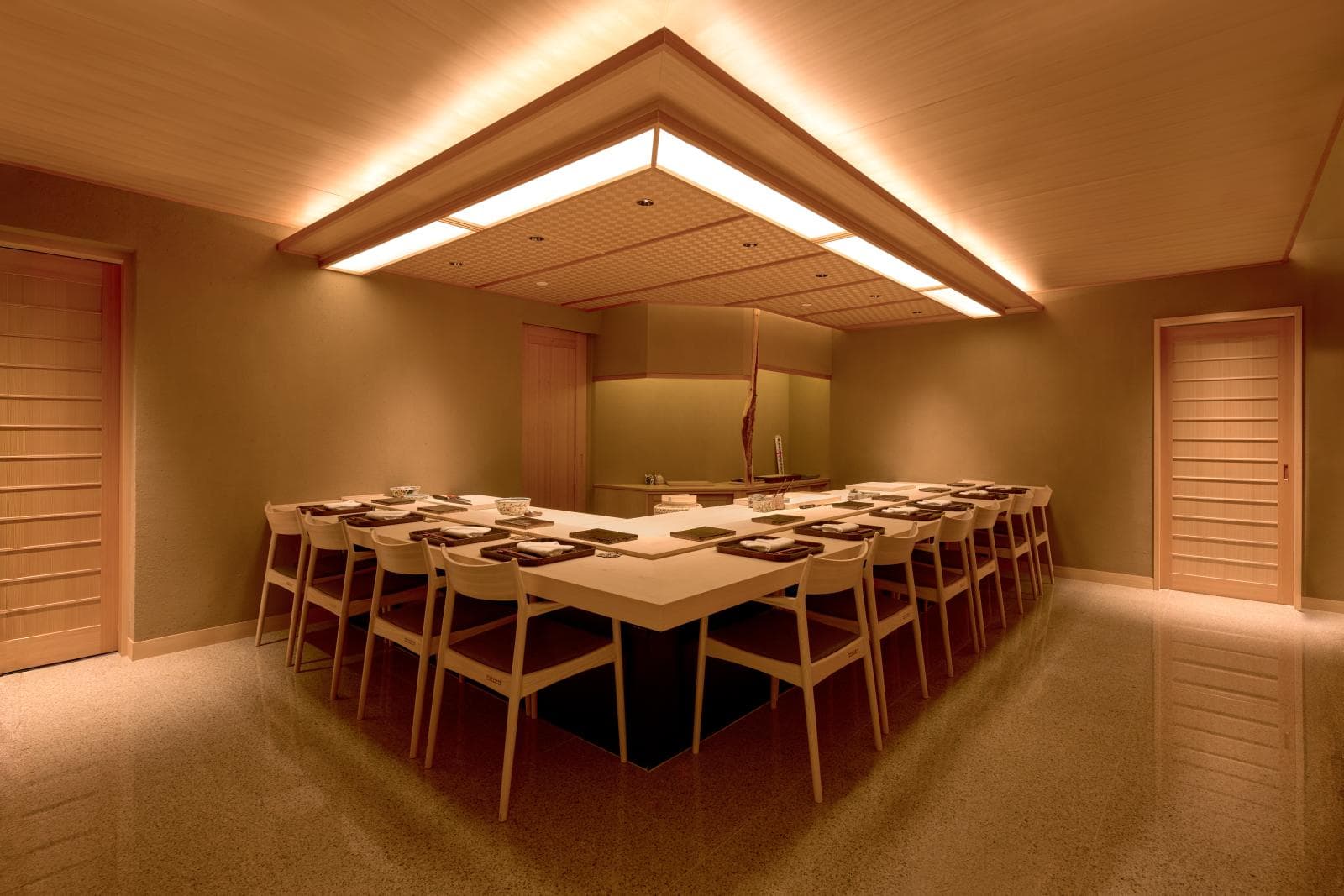
Sushi Ryujiro Returns to Singapore, Inside The Capitol Kempinski
A Tokyo one-star Edomae counter’s second Singapore chapter: ten hinoki seats, SevenRooms booking, and a clear warning not to confuse it with Shaw Centre’s Sushi Ryujin.
3 min · Jul 22, 2026
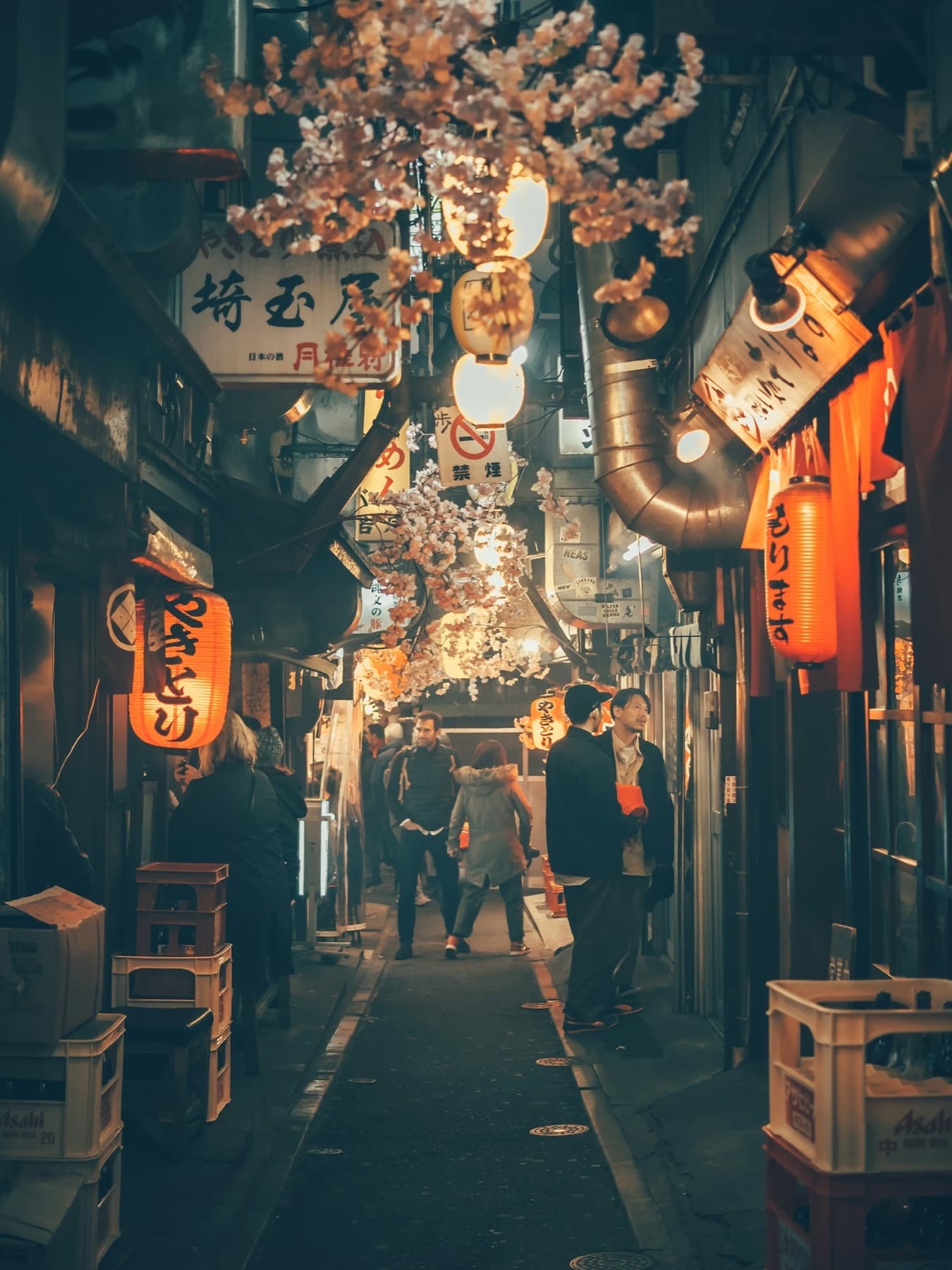
Tokyo Is Not a Beginner City, and That Is the Point
Tokyo punishes checklist tourism and rewards travelers who can tolerate not seeing everything.
8 min · Jun 1, 2026