
Pacific People
Pico Iyer Found Home After the House Burned Down
A Santa Barbara wildfire in 1990 sent him to a Big Sur hermitage. Japan, where he has been based since 1987, gave him another quiet. The writer who put the airport on the page now writes about silence.
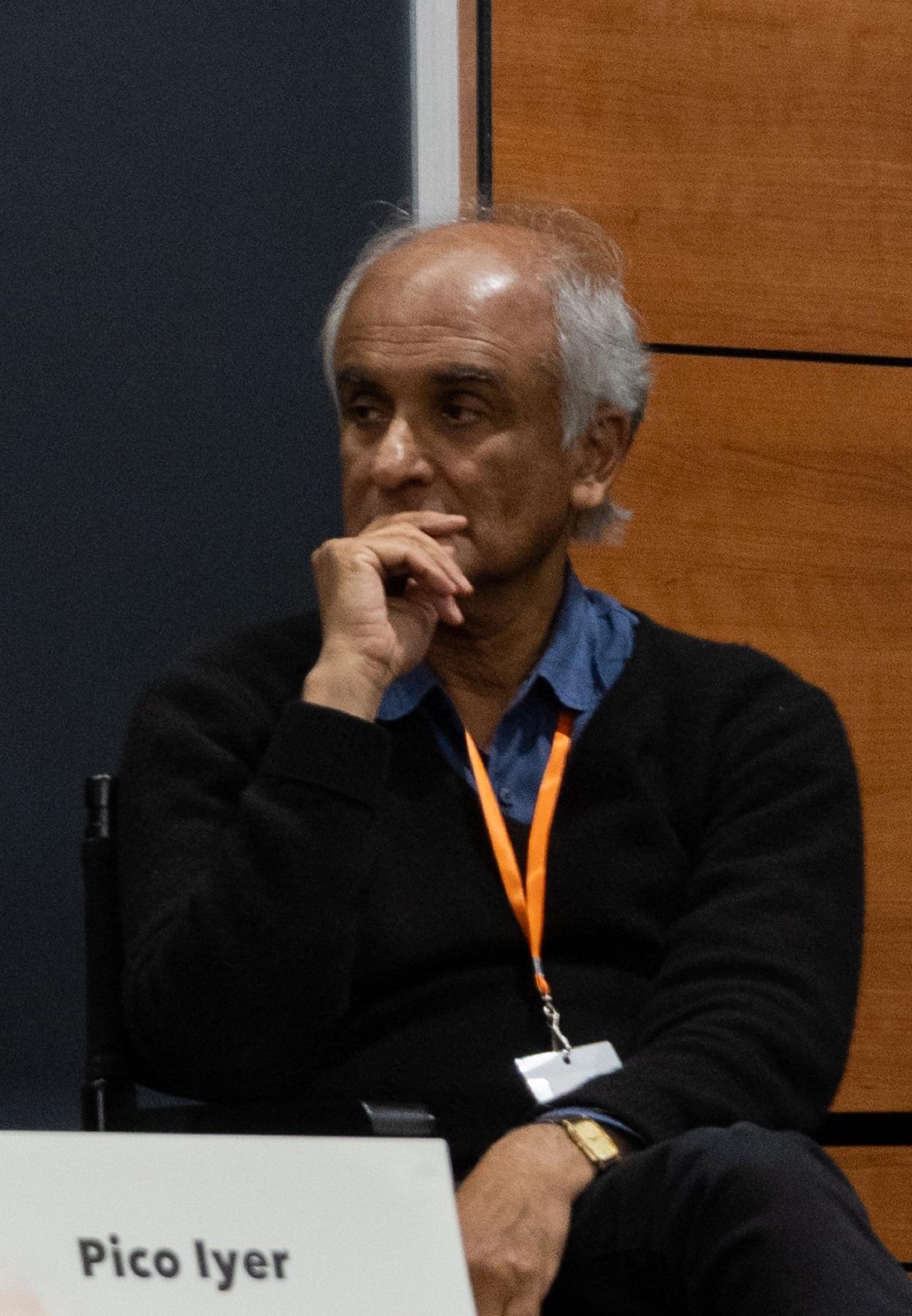
In 1990 a wildfire took the family house in Santa Barbara, along with the handwritten pages of a book Pico Iyer was writing on Cuba.
He drove north along the California coast looking for a bed. The place that took him in was New Camaldoli Hermitage, a Camaldolese Benedictine community high above Big Sur. He is not a Christian. He has said he arrived noticing the cross and the Bible and, within an hour, stopped noticing them at all. The silence felt like something arriving, not something missing. He has gone back more than a hundred times over three decades. In January 2025 he published Aflame: Learning from Silence, the book that finally puts those retreats where they belong: at the center of the shelf.
The travel writer people associated with airports found the place that mattered most by losing a house.
Iyer was born Siddharth Pico Raghavan Iyer in Oxford on 11 February 1957, to parents from Bombay. His father, Raghavan N. Iyer, was a philosopher and political theorist at Oxford; his mother, Nandini Nanak Mehta, a religious scholar. The boy’s names braided the Buddha and the Renaissance humanist Pico della Mirandola. He went through what his own site calls the classic English assembly line: Dragon School, a King’s Scholarship to Eton, a Demyship to Magdalen College, Oxford, a Congratulatory Double First in English literature with the highest marks in his year, then Harvard for a master’s and a teaching fellowship. The family settled partly in Santa Barbara when he was seven. India remained the parents’ origin and a place of visits. England and California did the raising.
The credentials said he was finished. He never felt finished anywhere. He has described Japan as an ideal place because he will never be a true citizen there. The outsider’s seat, in his telling, keeps the noticing sharp.
Since 1982 he has been a full-time writer. He joined Time on world affairs the same year and has filed for The New York Times, The New York Review of Books, Harper’s, and hundreds of other outlets, sometimes at a pace of nearly a hundred pieces a year to support a household. Video Night in Kathmandu (1988) watched Asia absorb American pop culture. In the fall of 1987 he went to Kyoto hoping, for a stretch, to become a Buddhist monk. He met Hiroko Takeuchi instead. The Lady and the Monk (1991) grew out of that season; the marriage and a life long based in Nara grew out of it too. His official bio dates the Japan base to 1987. Nara is where the ordinary days happen: desk work, table tennis at a local center, deer in the park, a deliberate smattering of Japanese kept thin so the foreignness does not go numb.
The Global Soul (2000) made the international airport a character: jet lag, shopping malls, the search for home after the fire. He has written Cuba, Sufism, the Dalai Lama, Graham Greene, Leonard Cohen liner notes, a Miramax screenplay. TED talks in the 2010s carried The Art of Stillness farther than most of the magazine work. By then the argument had flipped. The man who once treated planes like phone calls was saying the scarce resource was attention, not mileage.
Riverhead published Aflame on 14 January 2025. Iyer writes as a non-monastic guest among monks who have watched flame leap the ridge behind the hermitage and still keep a practice of companionship. He has called Japan and that Big Sur cell, together, the single most important destination of his life. In April 2025 the Los Angeles Times gave him the Robert Kirsch Award for lifetime achievement. In 2026 the American Academy of Arts and Letters elected him. He turned up on screen as Ram Sethi, head of the International Table Tennis Federation, in Josh Safdie’s Marty Supreme: a late joke that fits a man who takes the local paddle club as seriously as the passport stamp.
If you are stacking Kyoto, Osaka, and Tokyo into one short week, take the sentence he earned the hard way. Go less far. Leave a day empty. The Global Soul named the exhaustion of constant arrival. The hermitage and the Nara suburb are how he answered himself. The suitcase got smaller. The question did not.
Related stories
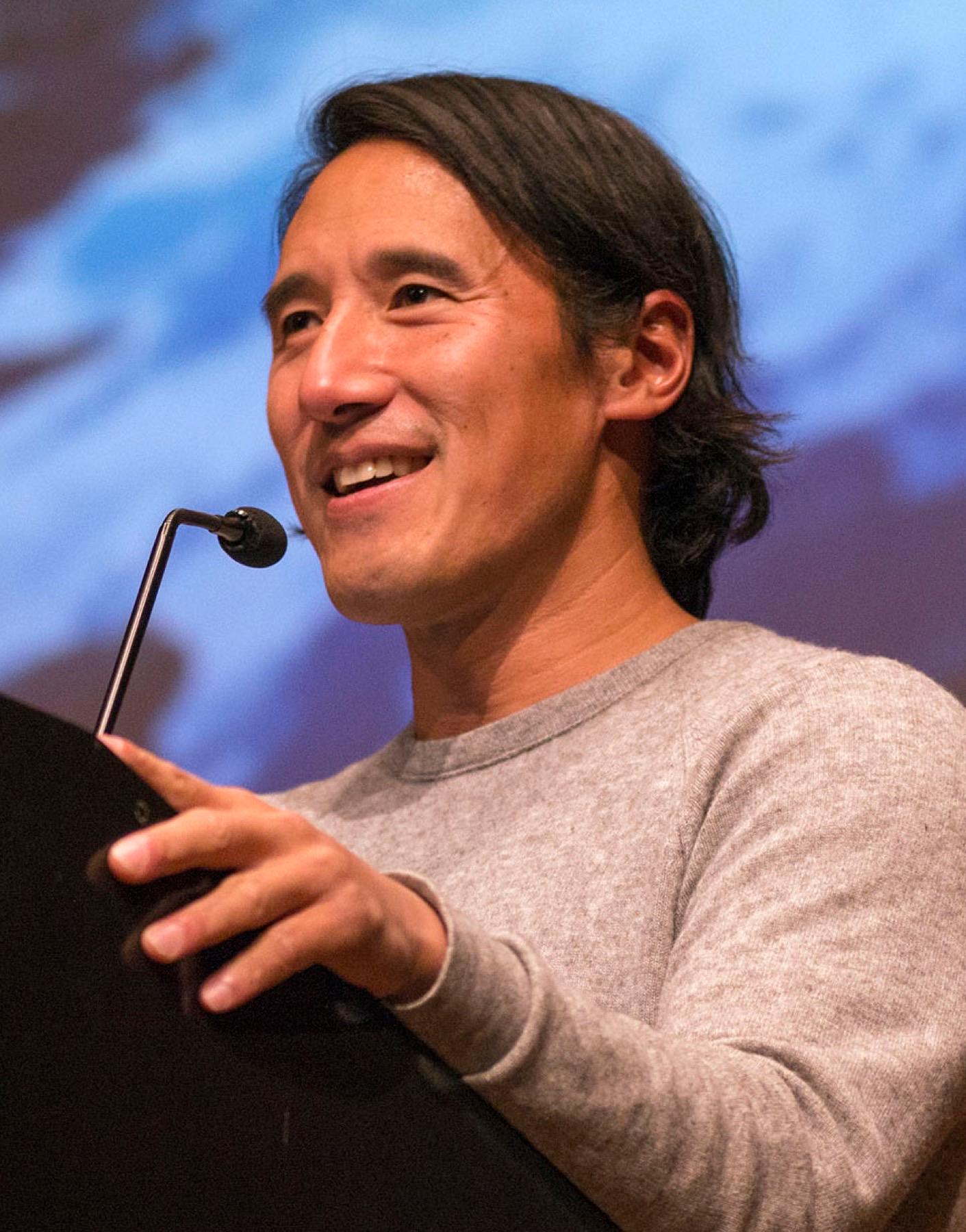
Jimmy Chin’s Parents Needed a Magazine Before They Believed the Climb Was a Job
Jimmy Chin grew up reading in flat Minnesota, then lived in a car to climb. Everest got headlines. The breakthrough at home was a magazine his parents could hold.
8 min · Nov 10, 2026
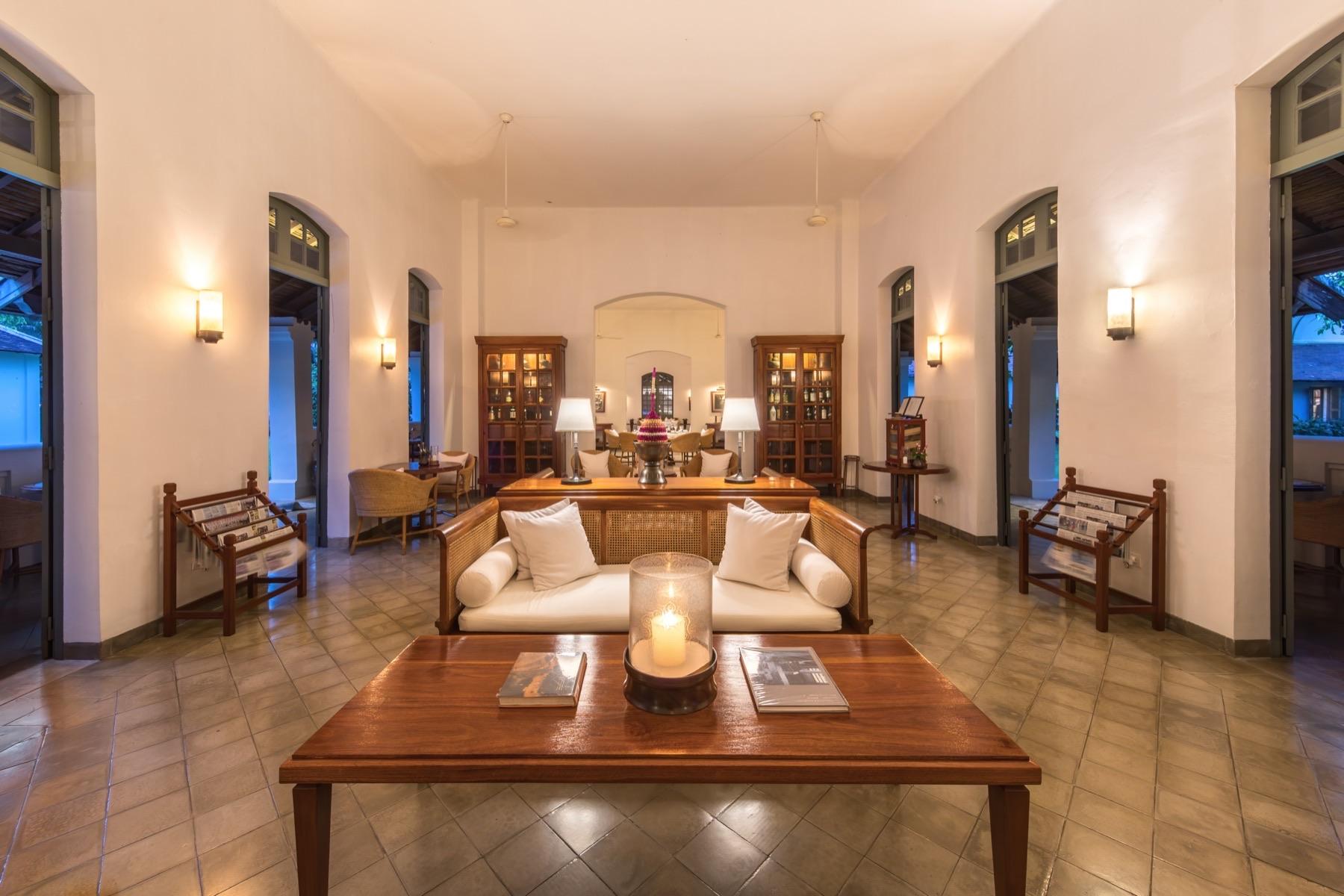
Adrian Zecha Keeps Opening Hotels Too Small for the Old Rule
Adrian Zecha founded Aman, left it, then kept building. Azuma Farm Koiwai is the latest small hotel from a man who never trusted the five-hundred-room rule.
8 min · Nov 10, 2026

David Chang Filled Empty Stools With Pork Buns, Then Kept Driving
David Chang’s East Village noodle bar remade what Korean American cooking could demand of New York. On The Detour he is still pulling over for dinner tips that are not on a list.
8 min · Nov 10, 2026

Jane Sun Crossed the Pacific, Then Bought the Search Bar
Jane Sun learned American public-company language in Silicon Valley, then spent twenty years making Ctrip—later Trip.com Group—legible far beyond China. This summer she also absorbed China’s first online-travel antitrust penalty.
8 min · Aug 17, 2026
Related global reads
Transpacific Bound
Jimmy Chin’s Parents Needed a Magazine Before They Believed the Climb Was a Job
Transpacific Bound
Adrian Zecha Keeps Opening Hotels Too Small for the Old Rule
Goldsea
What I loved doing in Japan
Goldsea
How much I really spent in Japan
My Gold Scene
Japanese dramas streaming in North America (2026)