
Pacific People
Jimmy Chin’s Parents Needed a Magazine Before They Believed the Climb Was a Job
Librarian immigrants in Mankato raised a son who parked a car in Yosemite. A National Geographic assignment made the path legible at home. Free Solo made filming the risk.
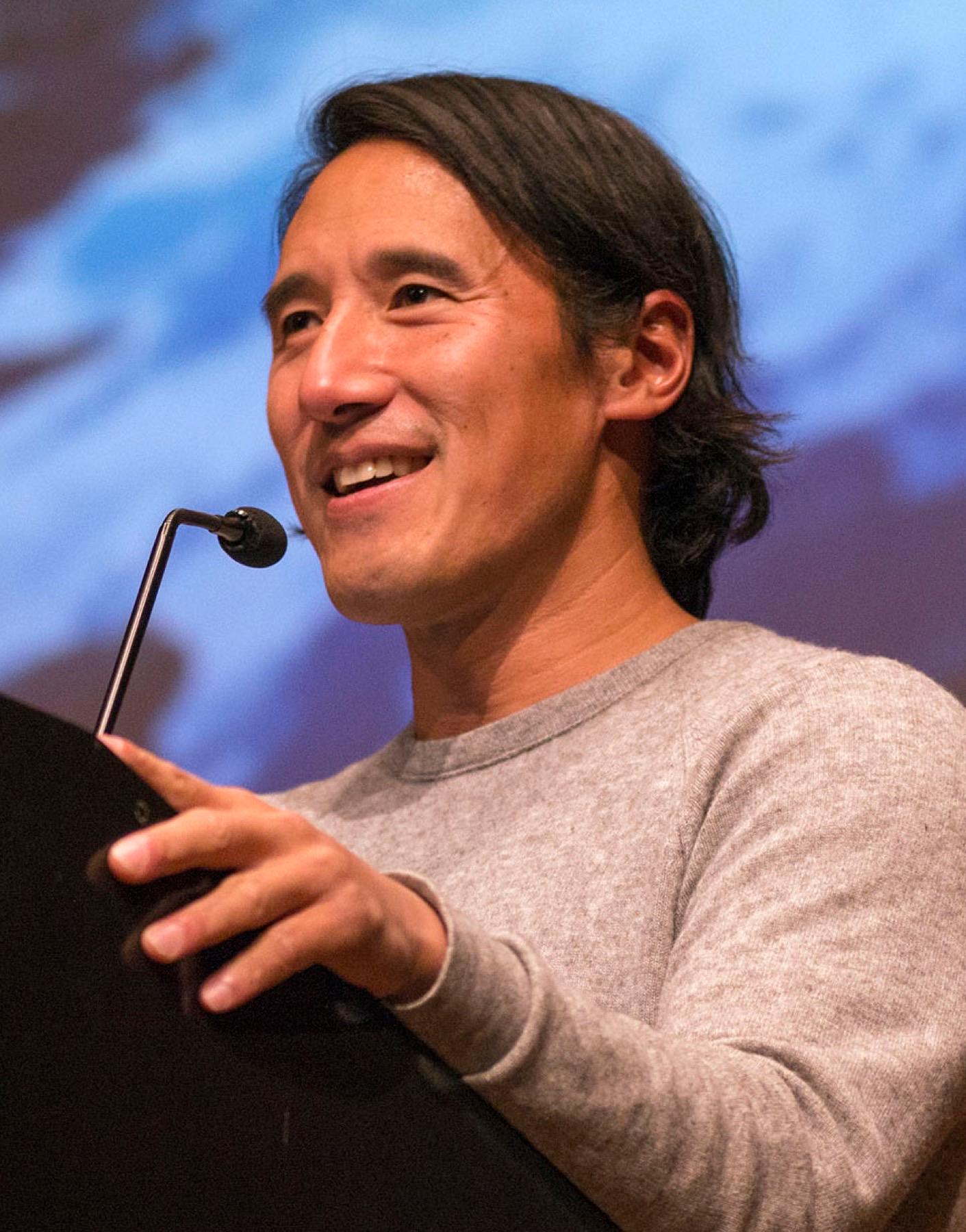
Jimmy Chin’s parents spent a life savings on boarding school and a private college, then watched their son move into the back of a car in Yosemite National Park.
“As far as they were concerned, I was a homeless person,” he told National Geographic years later. “And they had just spent their life savings putting me through school. They were mortified.” The climbs get the posters. That kitchen-table verdict is why he needed a camera that could bring proof home.
Chin was born in 1973 and raised in Mankato, Minnesota, by Frank and Yen Yen Chin, librarians at Minnesota State University. Both had fled mainland China for Taiwan after 1949, then immigrated separately to the United States in 1962 and met in Vanderbilt’s library-studies program. Frank came from a conservative military family in Wenzhou; Yen Yen from progressive Harbin stock. In Mankato the week ran on violin at four, straight A’s, swimming, martial arts, Chinese fluency, and Sundays at Mount Kato if he had stayed in line. Mount Kato rises about 240 vertical feet. It was enough. Chin has said The Hobbit got to him early. He wanted a quest with weather in it.
Authority did not stick. Middle-school fights with his father escalated until his mother sent him to Shattuck–St. Mary’s, an Episcopal boarding school in Faribault. At Carleton College he majored in international relations, class of 1996, and learned to climb. A comparative-religions seminar put the Tao Te Ching and the I Ching in his hands. Those books, he has said, taught him to stay with the process instead of a pre-drawn ending. Useful, for a kid who had already disappointed every ending his parents could name.
After graduation he parked in Yosemite and joined the dirtbag economy. He did not have a word yet for “professional climber” or “expedition photographer.” Those jobs were not in the family lexicon. His mother later told CBS that Chinese is five thousand years old and still has no word for what he does. He climbed anyway. In 1999 he sold a photograph to Mountain Hardwear for $500. The North Face put him on the athlete team in 2001. Conrad Anker invited him onto an unsupported crossing of Tibet’s Chang Tang plateau with Galen Rowell and Rick Ridgeway. Chin’s photographs ran in the April 2003 National Geographic. He still marks that assignment as the breakthrough. The plateau was hard. Harder, for him, was watching his parents hold a magazine and see a profession where they had seen a rebellion.
In 2006 he skied from the summit of Mount Everest with Kit and Rob DesLauriers, part of the first American team to do it. In October 2011, with Anker and Renan Ozturk, he finished the first ascent of the Shark’s Fin on Meru Peak in India’s Garhwal Himalaya after an earlier attempt had beaten them. Meru, the documentary he made with Elizabeth Chai Vasarhelyi, premiered at Sundance in 2015 and won the U.S. Audience Award for documentary. Partners turned the lens on Chin. For once he could not hide entirely behind it.
Then came the day the frame could kill someone.
On 3 June 2017, Alex Honnold free-soloed El Capitan in Yosemite: nearly three thousand feet of granite without a rope. Chin led the camera team. Free Solo, again with Vasarhelyi, won the Academy Award for Best Documentary Feature in 2019, a BAFTA, and a run of Emmys. Awards are simple to count. What stays harder is the question the Oscar never grades: what it means to keep filming a friend who dies if a hold fails. On those shoots Chin has ordered the priorities out loud: friends first, climbers second, filmmakers third. Free Solo put that order on a public stage.
Later films kept the Chin–Vasarhelyi partnership working after the big walls: The Rescue, on the Tham Luang cave operation in Thailand; Return to Space; the scripted Nyad. His 2021 book There and Back put decades of mountain stills between hard covers and onto the New York Times bestseller list. A second book, Rules to Live By, arrived in 2026. He remains on The North Face athlete team more than twenty years after the first contract. He lives in Jackson, Wyoming.
Most travelers will only ever see Everest or El Cap from a seatbelt. Chin’s gift to them is still the one he practiced for his parents: carry someone else’s risk into the room without sanding it down. The car is gone. The magazine that calmed the kitchen table is yellowing. The question that followed him from Yosemite to Meru is the one that still matters when you book toward a mountain you will never climb. What are you willing to carry up, and who is watching if you drop it.
Related stories
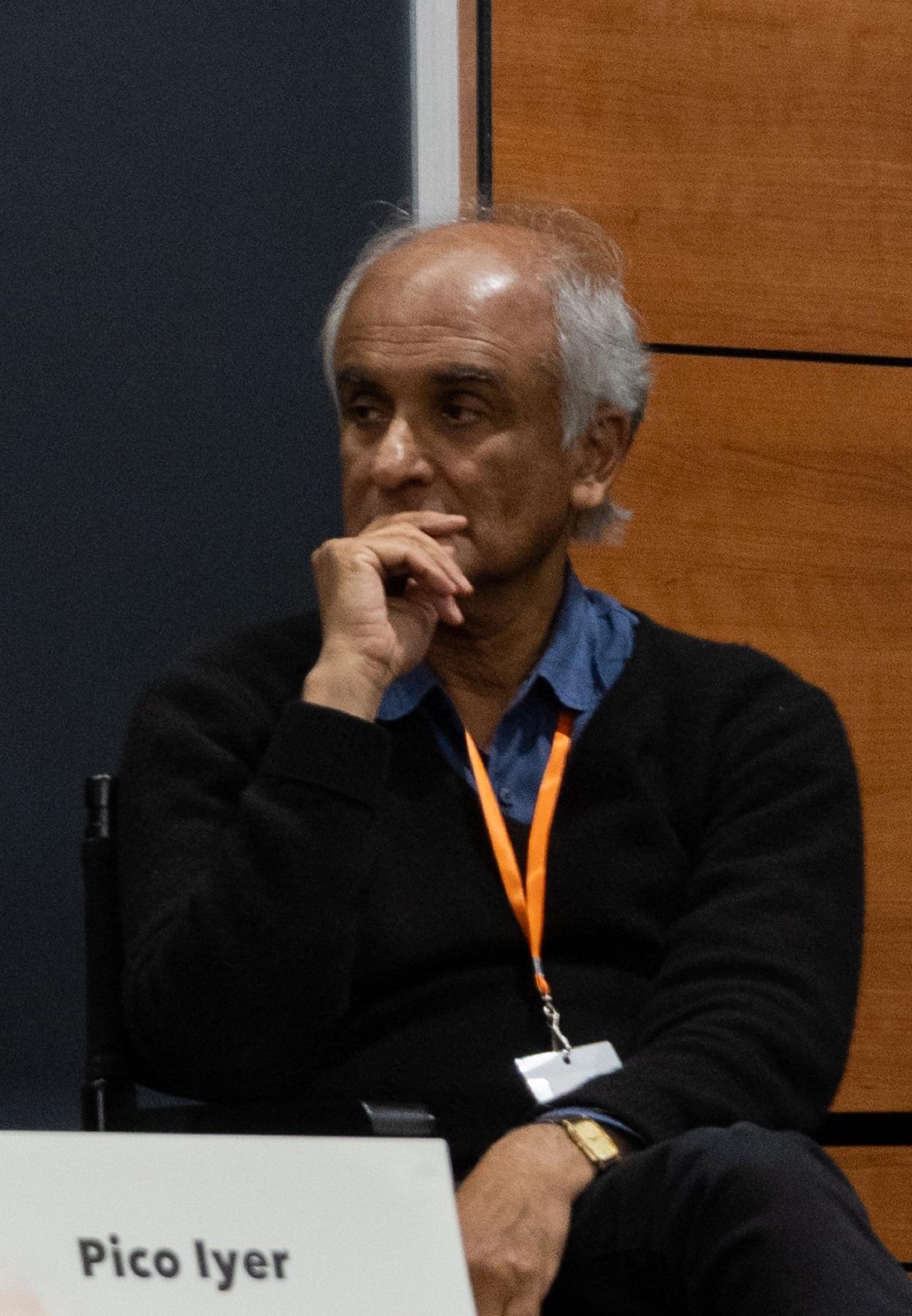
Pico Iyer Found Home After the House Burned Down
Pico Iyer made his name in motion. After the family house burned, he kept returning to a Benedictine cell in Big Sur, and to Nara, until stillness became the story.
8 min · Nov 10, 2026
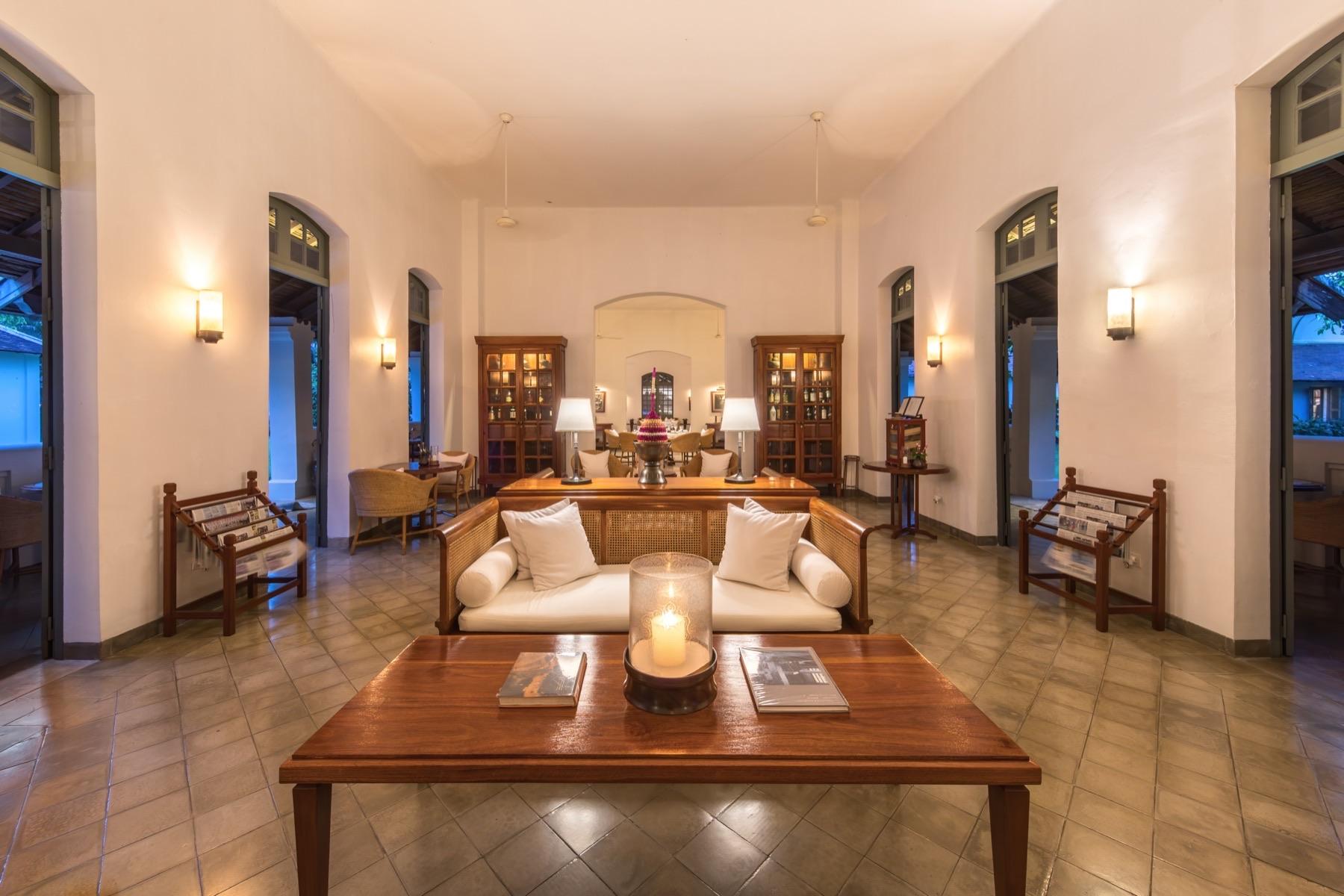
Adrian Zecha Keeps Opening Hotels Too Small for the Old Rule
Adrian Zecha founded Aman, left it, then kept building. Azuma Farm Koiwai is the latest small hotel from a man who never trusted the five-hundred-room rule.
8 min · Nov 10, 2026

Before Grab, Tan Hooi Ling Texted Her Mother Every Landmark Home
Tan Hooi Ling co-founded Grab so a late taxi ride in Kuala Lumpur stopped feeling like a gamble. She left Grab’s operating roles at the end of 2023 and now sits on boards from Wise to Sonova.
8 min · Nov 10, 2026
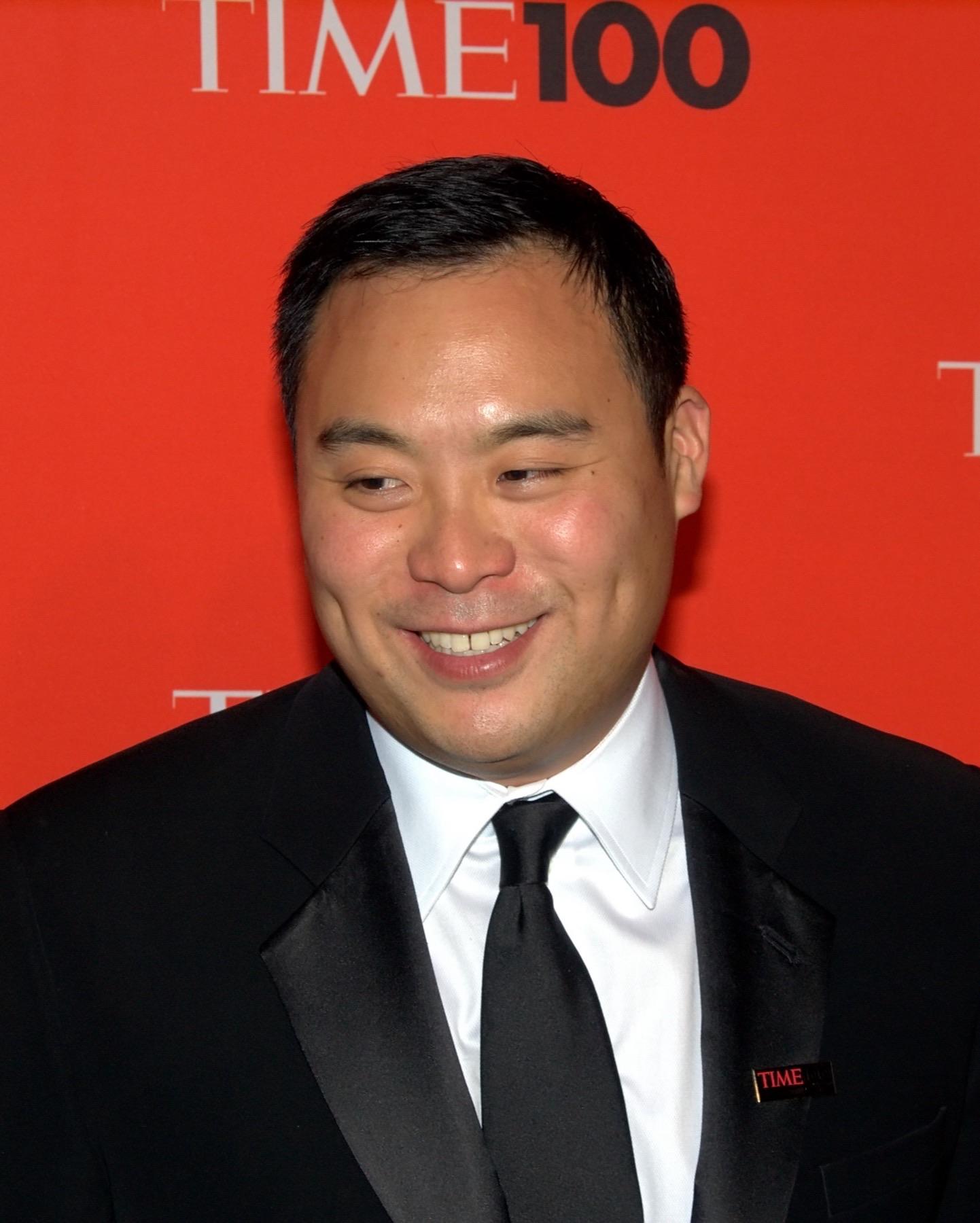
David Chang Filled Empty Stools With Pork Buns, Then Kept Driving
David Chang’s East Village noodle bar remade what Korean American cooking could demand of New York. On The Detour he is still pulling over for dinner tips that are not on a list.
8 min · Nov 10, 2026