
Pacific People
Adrian Zecha Keeps Opening Hotels Too Small for the Old Rule
In April he helped open a 24-villa farm retreat in Iwate. In 1988 he opened Amanpuri with about forty rooms on a Phuket coconut plantation. He still calls himself a journalist.
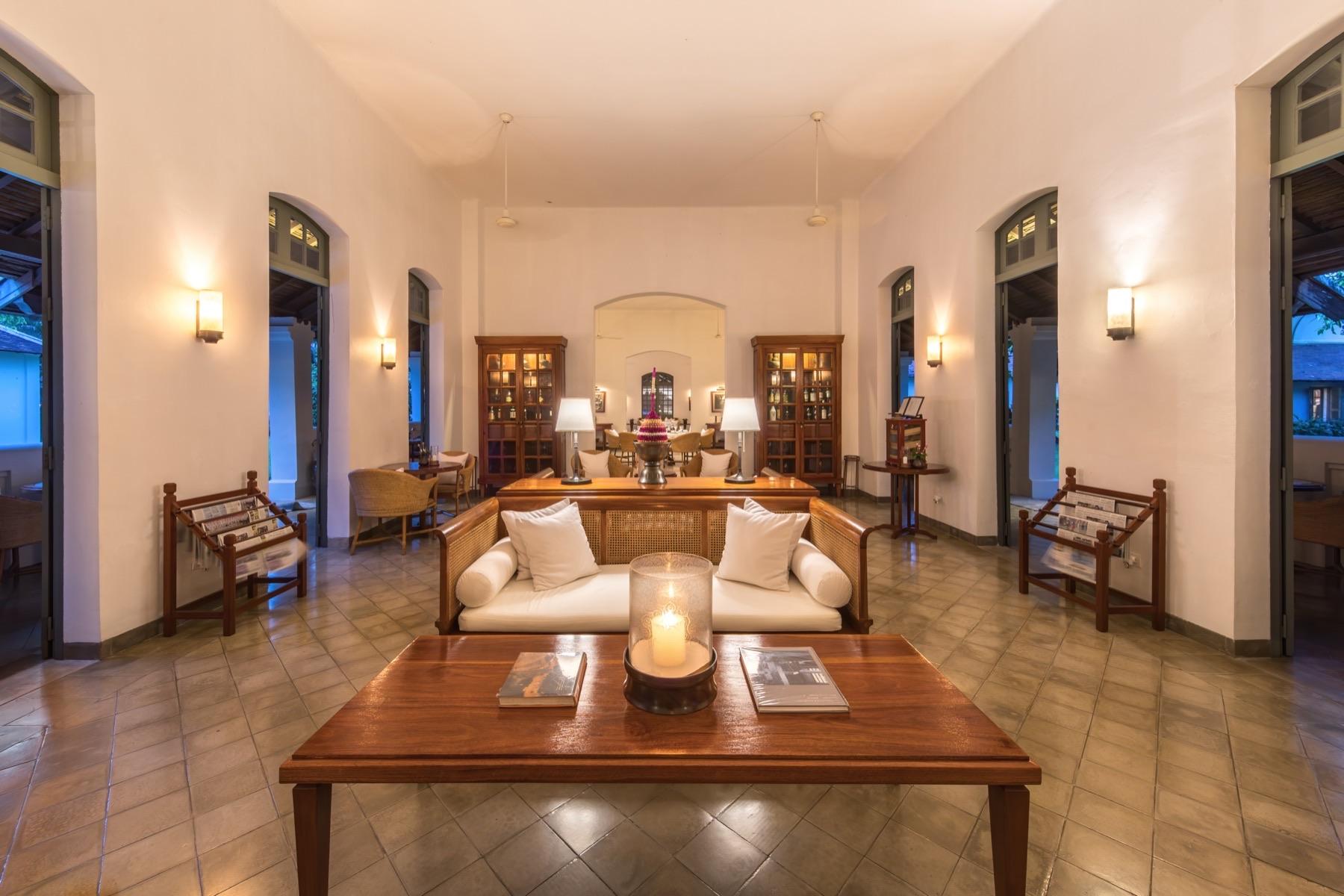
On 23 April 2026, Azuma Farm Koiwai opened on a corner of Koiwai Farm, a dairy estate in Iwate Prefecture that has been working the land for more than a century. Twenty-four villas. About two hours north of Tokyo by shinkansen to Morioka, then a short road transfer. Adrian Zecha, ninety-three around the opening, is a partner with Fumitomo Hayase of Kyoto-based Naru Developments and East Japan Railway. AFAR’s first guest report put rates from about $1,500 for two with meals. The draw is Tohoku: pine country, farm roads, and a stretch of Japan most Tokyo–Kyoto itineraries skip.
He still describes himself as a journalist.
Adrian Willem Ban Kwie Lauw-Zecha was born in 1933 in Sukabumi, in what was then the Dutch East Indies. He reached the United States as a teenager, finished a bachelor’s at Dickinson College in 1952 at nineteen, started medical school at Johns Hopkins because his father wanted a doctor, then took a master’s at Columbia in 1953. Time hired him instead. In an interview later published by Azumi, the ryokan-minded brand he helped launch in Japan with Hayase, he said the magazine sent him to Cuba, India, Japan, and Thailand over roughly six and a half years. Tokyo, from 1956 to 1958, is the posting he still calls the place where he “basically learned life.” He resigned from Time on 1 October 1960 to start Asia Magazine, a cultural title he wanted Asians to read about Asia. Publishing held him into his late thirties. Hotels started at thirty-nine.
Dickinson’s 2019 commencement citation later counted more than a hundred hotels across brands he helped found or shape. The name travelers still say first is Aman.
In the mid-1980s he was in Phuket looking for a holiday-house site when he walked a coconut plantation on Pansea Beach. With his friend Anil Thadani, the house idea became a small resort. Banks would not lend for so few keys, so the partners largely put up the money themselves. Amanpuri opened in January 1988 for about US$4 million with roughly forty rooms on a ridge above the Andaman Sea. Amandari in Bali followed. Speaking to Monocle years later, Zecha put the industry rule in one sentence: when he entered the business, the mantra was that you could not make money on a new hotel without five hundred rooms. “We proved that wrong.”
What guests noticed was simpler. Fewer rooms. Buildings that sat inside the site instead of flattening it. Staff who treated the place like a private house with better people behind the desk. Collectors started calling themselves Amanjunkies and chasing the next property. Before Aman he had already been a founding partner of Regent International Hotels. In 1992 he helped establish GHM, home to brands such as The Chedi. A stake in Rafael Hotels later moved to Mandarin Oriental. Those are useful lines on a CV. Aman is the one that changed how a booking felt.
Control of the company never stayed tidy. Ownership of Aman’s parent shifted through the 1990s; he resigned as chief executive in 1998 during a fight involving Colony Capital, returned around 2000, and left executive leadership in 2014 as Vladislav Doronin’s era took hold. In 2017, in his eighties, he opened Azerai: first a courtyard hotel in Luang Prabang, then properties in Vietnam’s Can Tho and Hue. An earlier Bali experiment called The Serai had tested whether Aman regulars would accept a lower price point; that work later fed the Alila brand. Dickinson quoted him saying he does not believe retirement is an option if you still have the energy. Azuma Farm is what that sentence looks like in 2026.
You do not need an Aman rate to notice the habit he installed. When a Japan or Thailand plan starts talking about fewer keys and a hotel that stays quiet on purpose, that is his argument traveling without his name on the door. If you want the current version with his name still on it, the train is already running: Tokyo to Morioka, then the shuttle into the trees.
Related stories
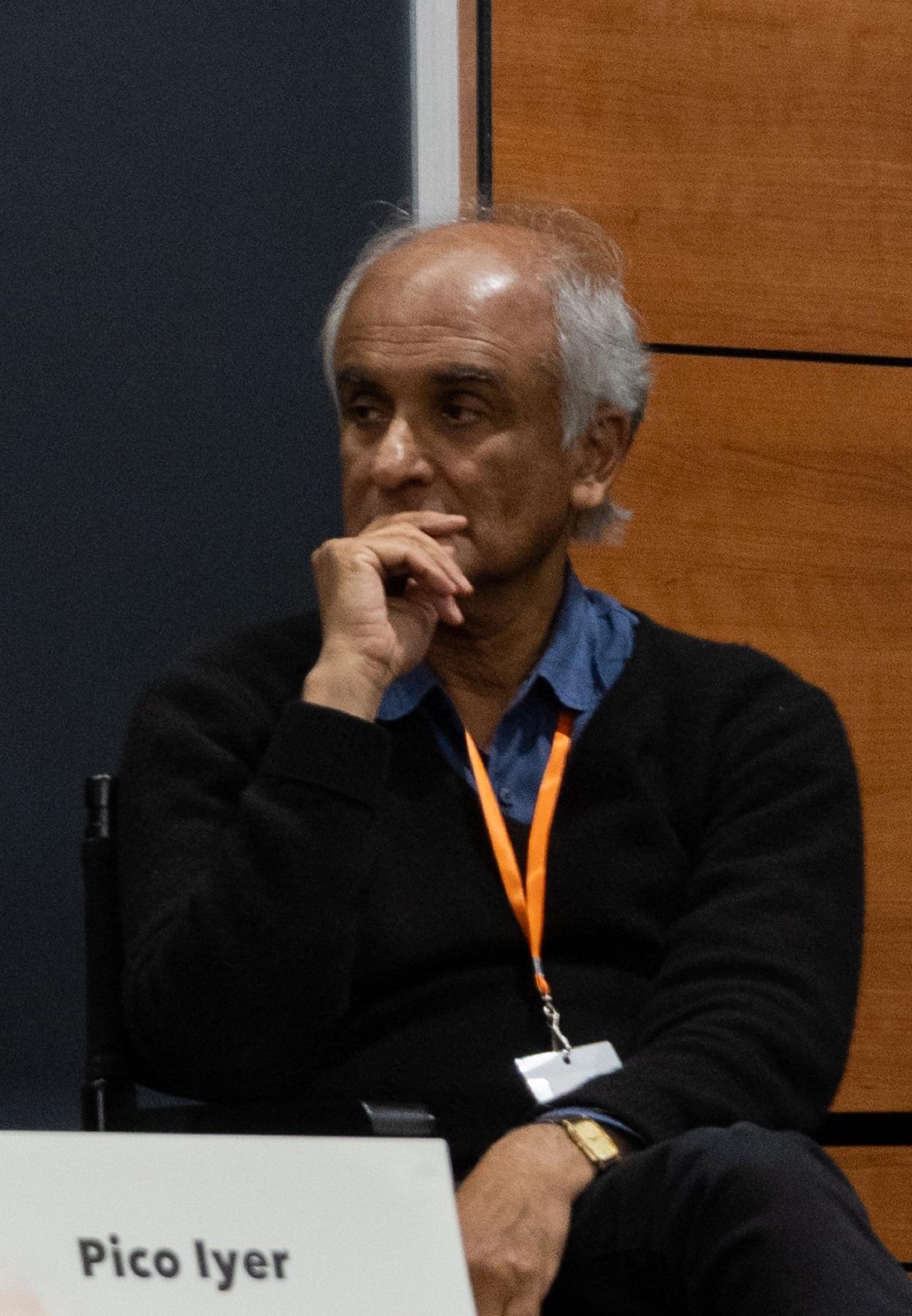
Pico Iyer Found Home After the House Burned Down
Pico Iyer made his name in motion. After the family house burned, he kept returning to a Benedictine cell in Big Sur, and to Nara, until stillness became the story.
8 min · Nov 10, 2026
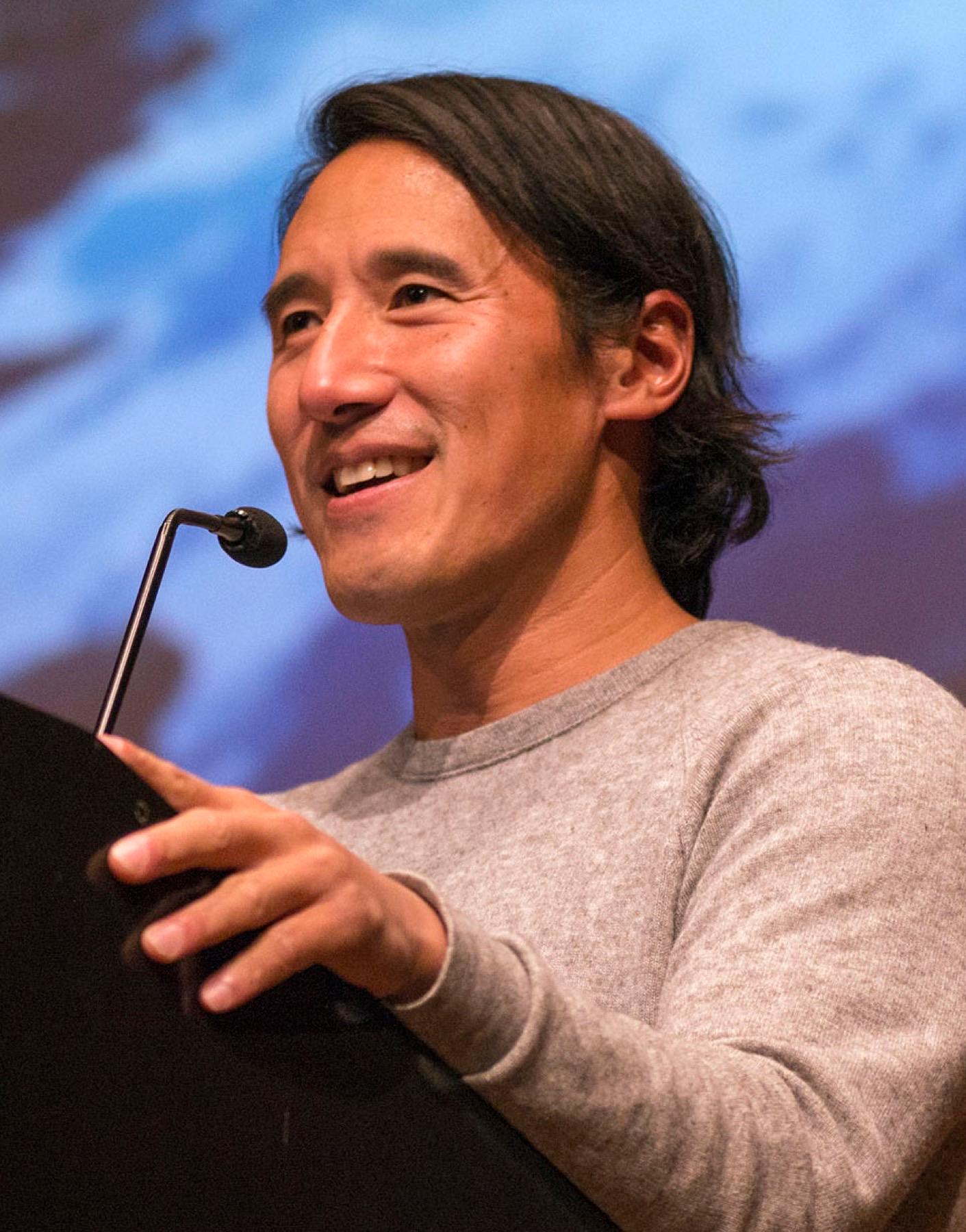
Jimmy Chin’s Parents Needed a Magazine Before They Believed the Climb Was a Job
Jimmy Chin grew up reading in flat Minnesota, then lived in a car to climb. Everest got headlines. The breakthrough at home was a magazine his parents could hold.
8 min · Nov 10, 2026
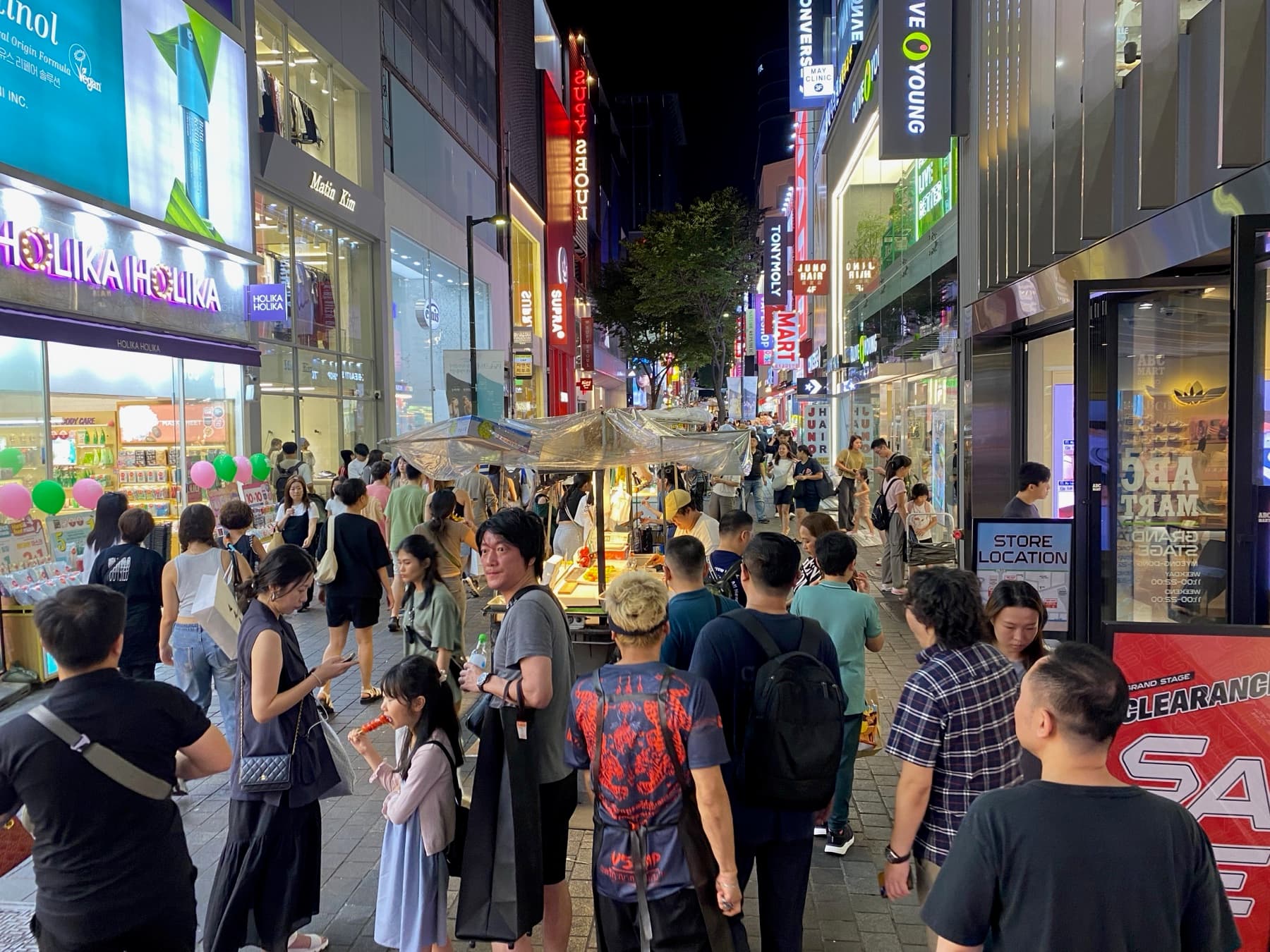
Asia’s Loudest Real-Estate Bet Is the Hotel You Already Book
Knight Frank put Asia-Pacific hotel investment at $5.4 billion in Q2. The Seoul and Singapore deals show what that means for rates, renovations, and the next flag on your booking screen.
6 min · Aug 17, 2026
This New Banyan Resort Sits at the Base of a UNESCO Mountain
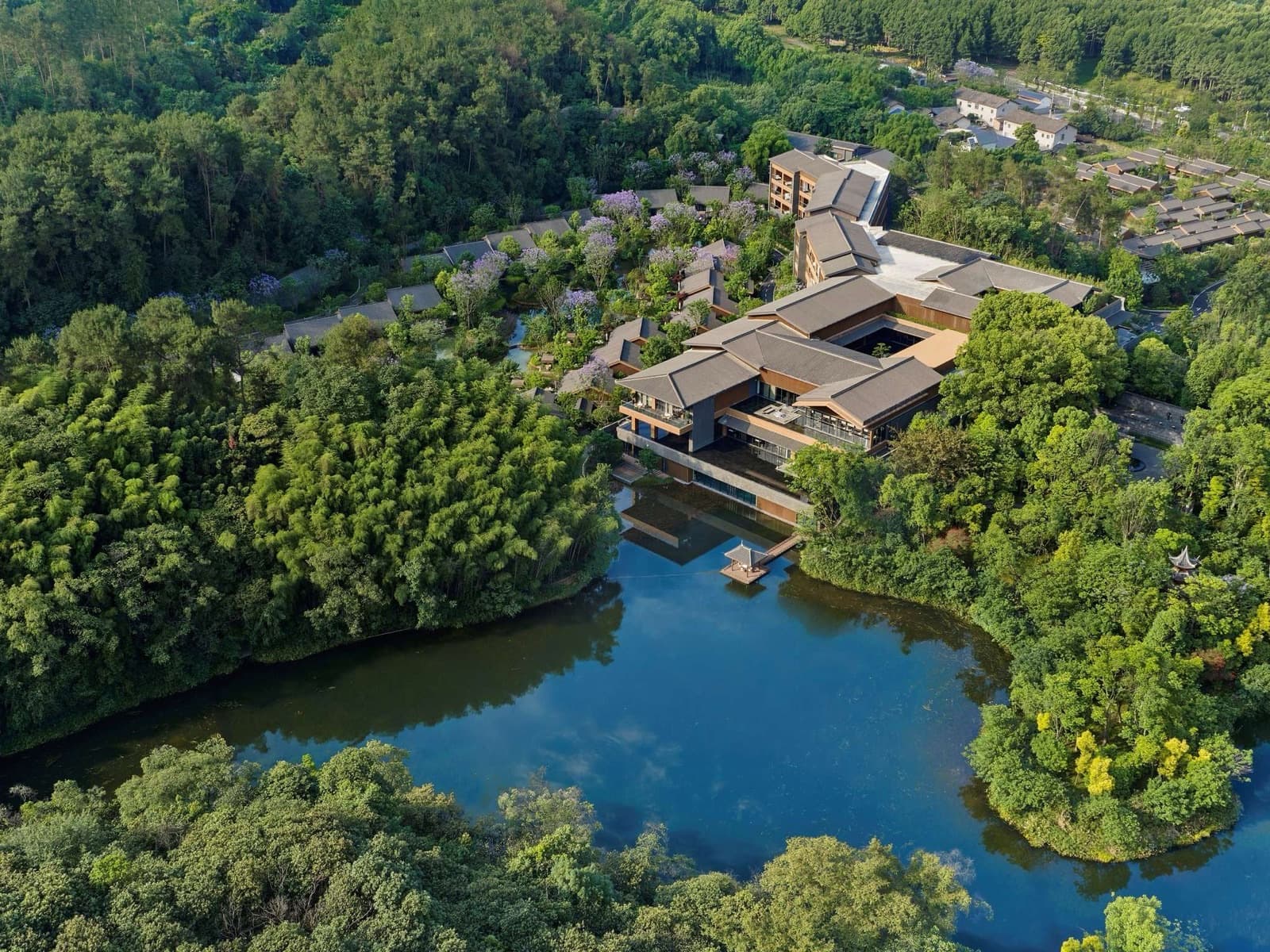
Banyan Tree Mount Emei opened in August at the foot of a dual UNESCO mountain. Book it from Chengdu by train if you want the soak and the gate. Skip it if the city is the trip.
6 min · Sep 23, 2026