San Francisco Is a Diaspora Weekend You Can Walk
Chinatown, the East Bay, and the corridors Chinese American travelers already half-know.
Why SF rewards walking
San Francisco is not LA. You cannot eat the whole metro in a weekend, and you should not try.
What you can do is pick two neighborhoods, walk them at different hours, and let the city teach you through repetition rather than coverage.
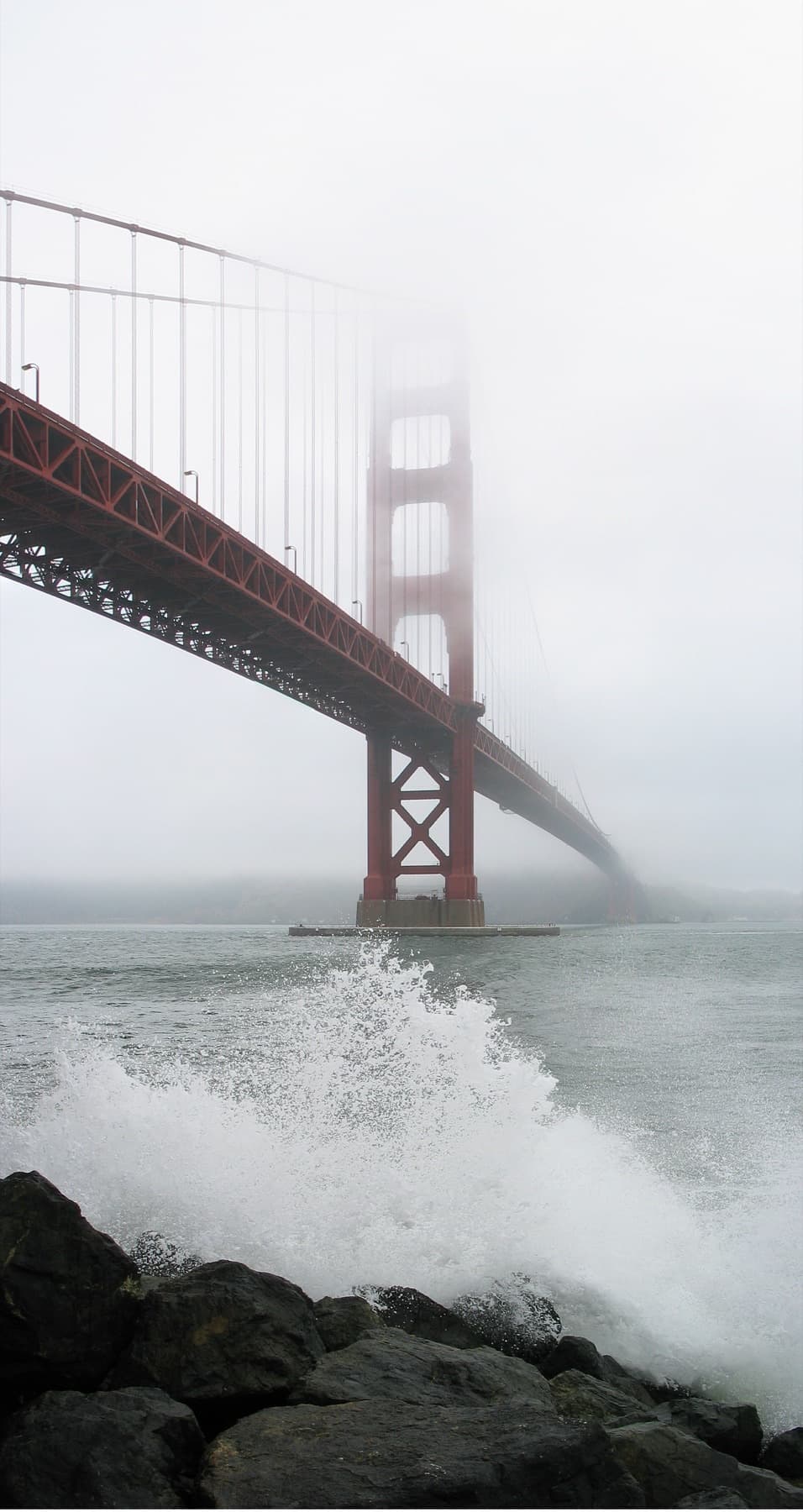
The hills are real. So is the fog.
Both are constraints that accidentally improve diaspora weekends by forcing geographic honesty. You will not cross town three times for three hype meals unless you enjoy watching someone you love suffer on a steep block in wind.
For Chinese American and broader Asian American travelers, San Francisco often arrives with preloaded meaning: Chinatown as origin story, the Bay as tech money, the Golden Gate as wallpaper. The better weekend strips the wallpaper and eats where families actually shop, bakery cases, dim sum halls, East Bay corridors that never needed a postcard.
Start with less ambition than New York and more walking than LA. Success is knowing which side of the Bay you would return to for food alone.
Chinatown beyond the gate
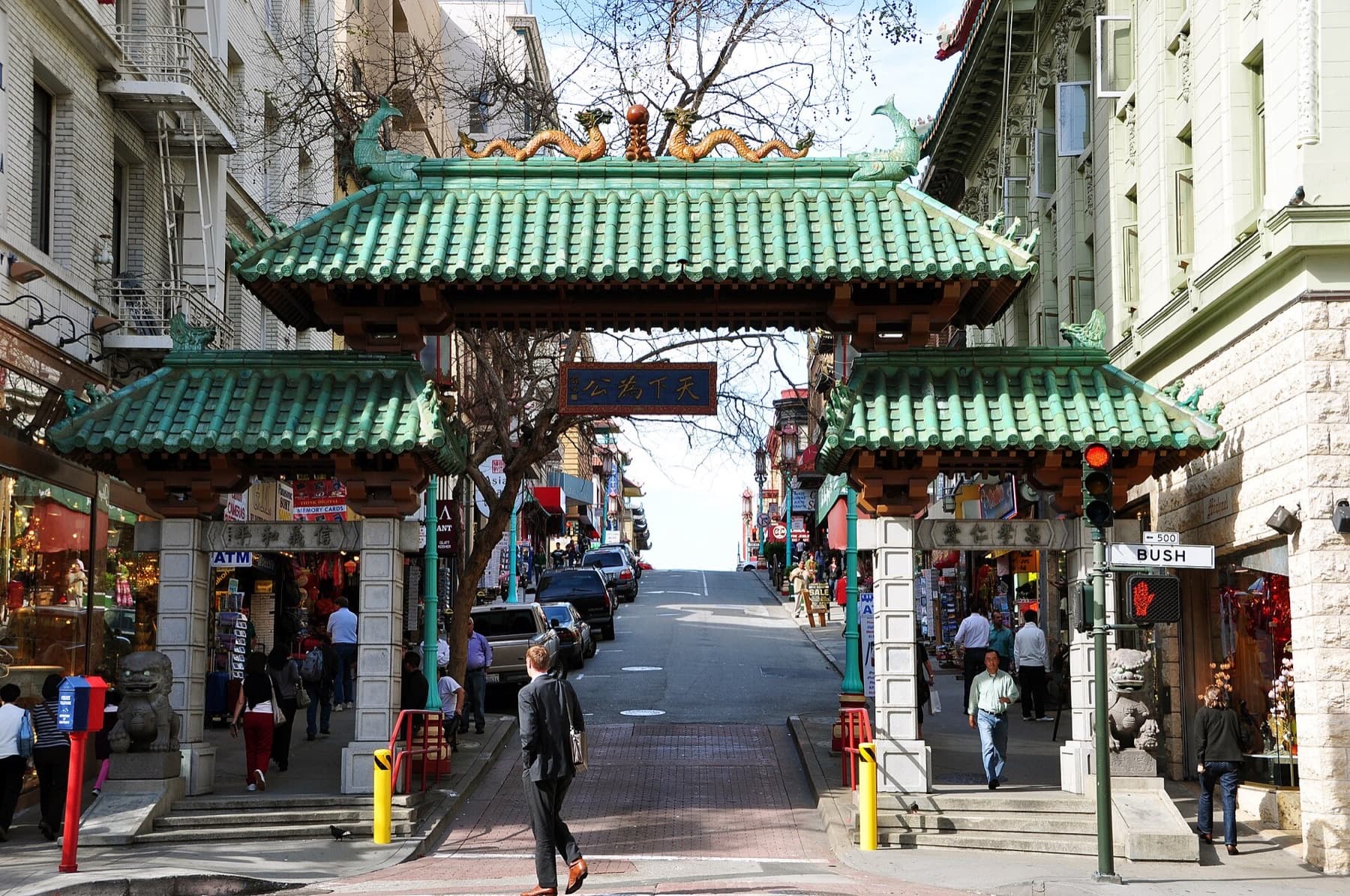
Grant Avenue is orientation, not destination. The diaspora weekend starts one block off the tourist spine: association buildings, herb shops, bakery windows with queues that move on trust rather than English.
Chinatown here is vertical and old in American terms. You can feel layers without a guided history tour if you pay attention to signage, weekday lunch crowds, and which shops serve residents versus visitors.
That distinction is the whole editorial case.
Do not reduce the neighborhood to one gift shop block or one famous restaurant name you saw online. Walk morning for buns and coffee logic.
Return evening if you want a different rhythm. Repeat the same bakery on day two if it worked, that is how Chinatown becomes knowable.
For travelers raised around Chinatowns elsewhere, San Francisco can feel like a deeper cut of the same archive. Notice what is familiar, what is specific to this city, and what your family narrative assumed without evidence.
Oakland is half the trip
Many visitors treat Oakland as optional. For diaspora food, it is often the main event.
East Bay corridors carry Vietnamese, Korean, Chinese, and broader Asian American daily life at a scale San Francisco proper cannot fit in its square miles.
Take BART across the harbor with intention, not as a novelty. Pick one stretch.
International Boulevard logic, Telegraph pockets, whichever corridor matches your appetite, and stay long enough to eat sitting down twice. Oakland rewards planners who accept that the best room may look unglamorous from the street.
Safety and perception vary block by block, as in any American city. Read the city like a local: daytime food runs, known corridors, rideshare at night if that matches your comfort.
The editorial point is not to romanticize Oakland. It is to stop treating it as a footnote to a San Francisco photo.
If you leave the Bay without an East Bay meal you would repeat, you did the brochure version.
Sunset and Richmond
West of downtown, the Avenues hold a quieter diaspora rhythm: dim sum on Tuesday, grocery runs that double as lunch, neighborhoods where Cantonese and broader Chinese American life looks like Tuesday rather than ceremony.
Inner Sunset and Richmond District logic suits travelers who want food without theater. Lines mean turnover.
Empty counters at peak hours mean something too. Learn which hours your body wants heavy food and which hours want soup.
Staying in the Avenues makes sense when eating is the itinerary and hills are the tax. You will trade postcard views for repeatability, and for many diaspora travelers, that is the correct trade.
Fog can arrive without warning. Layer clothing and accept that outdoor plans are negotiable. The bakery will still be there.
BART as itinerary
SFO connects to the city without a rental car if you plan around BART corridors. For a diaspora weekend, that matters: parking in core neighborhoods is expensive and scarce, and alcohol plus hills plus driving is its own fatigue category.
Build days around BART lines you will actually use: SF to Oakland, SF to Richmond if you stay west, return paths that do not strand you at midnight without a plan. Download offline maps.
Buy Clipper or use contactless payment as current policy allows.
A car becomes optional, not mandatory. That shifts the trip from LA-style routing to New York-style subway logic at Bay Area scale. Treat BART as the spine of the weekend: not a tourist ride between photo stops.
If you are traveling with parents, minimize transfers and maximize elevator awareness. Diaspora weekends fail when transit becomes the story instead of the meal waiting at the end.
Chinese American continuity
San Francisco carries Chinese American history in street layout, institutions, and daily food culture without requiring you to perform discovery. You can honor that history by eating seriously and walking respectfully: not by turning every meal into a lesson for social media.
Many travelers arrive with family stories tied to Gold Rush migration, exclusion-era resilience, or West Coast branches of a tree rooted elsewhere. The city may confirm some narratives and complicate others.
Both outcomes are useful if you let them be data rather than verdicts.
You do not need to visit every museum to take the history seriously. Notice who shops in which grocery, which language you hear at which hour, how Chinatown relates to newer suburban diaspora hubs you may know from home.
Heritage weekends here work when familiarity and surprise coexist. The city is not a mirror. It is a place that kept changing while your family story froze at an emigration date.
Family weekend logic
Multigenerational Bay Area trips need pacing more than options. Parents may want familiarity; kids may want movement; you may want both food depth and sleep.
San Francisco punishes the plan that assumes everyone can walk the same hills at the same speed.
Build one serious meal per day you control. Let another meal be flexible near the hotel. Assume fog and wind change outdoor plans. Assume someone needs a hotel afternoon while someone else wants one more bakery.
East Bay versus SF proper is also a family negotiation: transit time, comfort with neighborhoods, language confidence at counters. Rotate who leads each half-day so one person is not always translating and navigating.
Success is everyone willing to eat again tomorrow: not everyone seeing the bridge from the same angle.
Closing takeaway
Leave knowing which neighborhood you would return to without an audience. San Francisco diaspora weekends are not about proving you saw California.
They are about recognizing a city that helped teach America what Asian food could be, and still does, daily, in rooms with no view.
Repeat one bakery. Repeat one East Bay corridor if that is where the best meal lived. Skip the guilt about not crossing the Golden Gate if you crossed the harbor for soup instead.
The Bay Area compares every other diaspora city on the continent. Use this trip to update your personal ranking with evidence, not nostalgia.
Then go home, or fly onward, knowing SF is smaller than LA but denser with the story you came to eat.
Related stories

Vancouver Is the Asian Diaspora City Americans Underestimate
The most Asian city in North America is not in California.
4 min · Apr 22, 2026
Los Angeles Is a Better Food Trip Than Almost Anywhere
LA is a continent compressed into a county.
4 min · Apr 18, 2026
New York Is Still the Diaspora Weekend Standard
Every diaspora city is compared to New York eventually.
3 min · Mar 12, 2026
London Diaspora Weekends: Southall, Chinatown, and the City Beyond the Thames
London’s diaspora map is borough-scale. A good weekend picks two corridors and repeats them.
6 min · Jun 1, 2026