
Seoul Approaches 102°F as South Korea Mobilizes Against an Extreme Heatwave
Seoul is forecast near 39°C / 102°F, with tropical nights and canceled outdoor events. Here’s how to rebuild a visit around the hardest hours, indoor swaps, heat safety, and official updates.
How severe this Seoul heatwave is
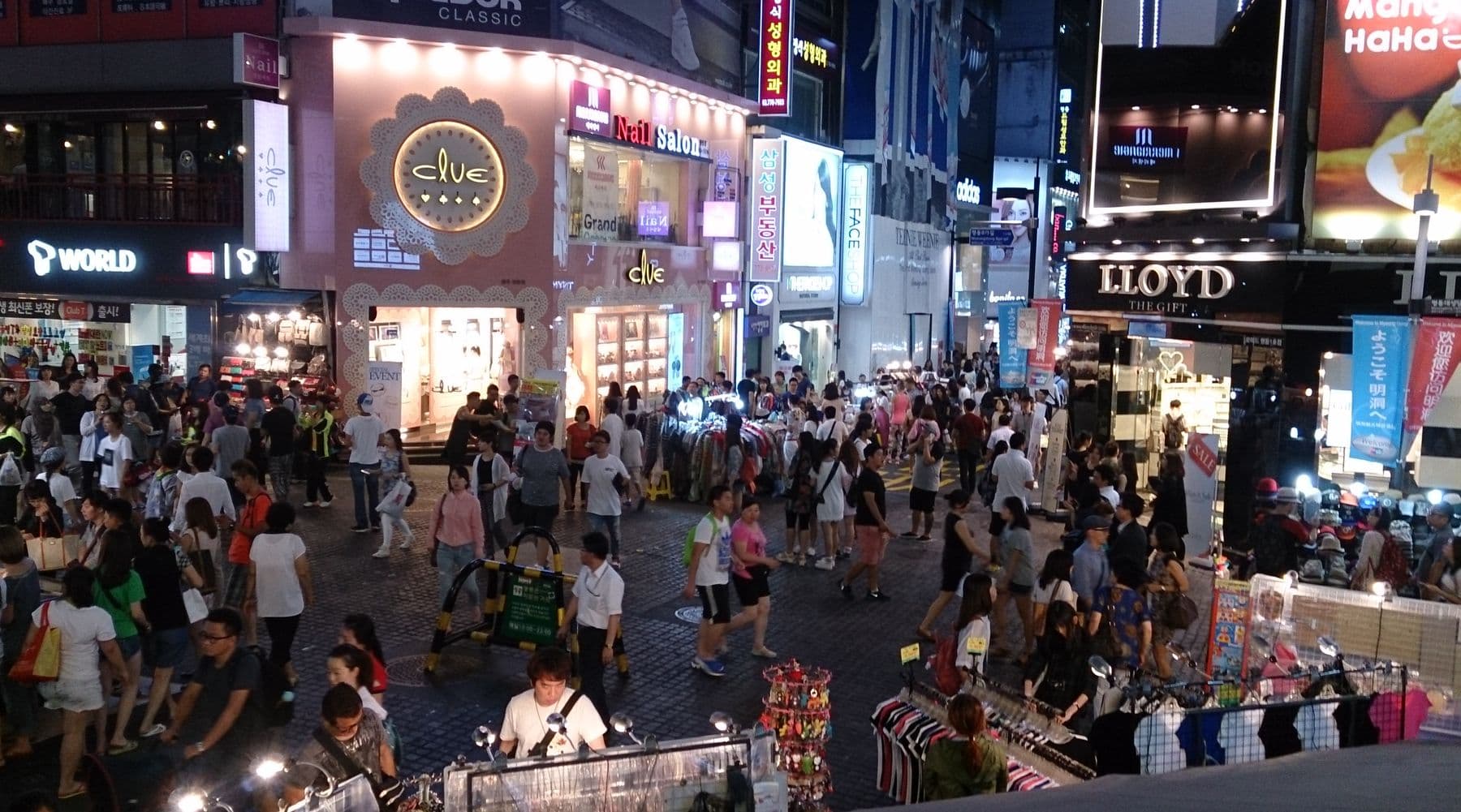
On August 6, Seoul was forecast to reach about 39°C—roughly 102°F—close enough to the capital’s modern record of 39.6°C from August 2018 that officials treated the day as a near-historic peak. Central Seoul’s Yongsan District was reported as high as 39.9°C on Thursday afternoon, while a severe heat-wave emergency warning covered the metropolitan area.
President Lee Jae Myung told a heatwave response meeting that extreme heat “once seen only in foreign news reports” had become Korea’s reality, and ordered ministries and local governments to run an all-out response until the wave eases. The brief included stronger protection for vulnerable residents and stricter enforcement of rest breaks for outdoor workers in the hottest hours.
The human cost is already measurable. The Korea Disease Control and Prevention Agency put cumulative suspected heat-related deaths this summer at 23 and heat-related illnesses at 2,665 as of Thursday’s briefing—figures that rise as surveillance catches up, not as a final tourist tally. Overnight, some neighborhoods barely slipped below 30°C, according to the Korea Meteorological Administration, which is why the city feels unrelieved even after sunset.
Meteorologists also pointed to Typhoon Dolphin as an indirect amplifier: no landfall threat for Korea, but stronger easterly winds crossing the peninsula’s spine and descending as hot, dry air over the west, including Seoul. Treat that as context for why the west feels stuck, not as a reason to cancel an inbound flight on typhoon logic alone.
Outdoor events already bending
Professional baseball is the clearest visitor-facing cancel. The Korea Baseball Organization scrubbed its slate from Wednesday through Sunday after spectators fainted in the heat—including a collapse at a game in Incheon—the first time in KBO history that an entire day’s games were called for weather. If baseball tickets were the emotional center of your week, check the league and club channels before you rebook; schedules can still move as the warning lifts.
At Gyeongbokgung, all royal-guard programs—including the changing of the guard and standing duty—were suspended under Ministry of the Interior and Safety emergency-warning guidance, the first full halt of standing duty since the program began in 2002. The Korea Heritage Service said the shows resume when the government lifts the heat-wave emergency warning. Palace grounds may still admit visitors; the spectacle you planned at 10 a.m. or 2 p.m. near Heungnyemun is what is paused.
Expect other outdoor labor and events to thin under the same warning: shorter outdoor shifts, more shade tents at heritage sites, and local festival calls that change without English press releases. Build one backup for every outdoor headline on your calendar.
The hardest hours for sightseeing
Treat late morning through late afternoon—roughly 11 a.m. to 5 p.m., with the sharpest load after noon—as indoor or transit time while the emergency warning is active. Pavement, palace courtyards, and bridge walks store heat; the forecast high is only the start of what your body feels between buildings.
Early morning still works for short outdoor sets if you hydrate first and keep the route short: a palace perimeter walk, a market breakfast, a neighborhood slope before the asphalt cooks. Evening can feel socially alive and still medically hard—tropical nights mean the city does not reset. If you go out after dark, keep water, cut walking loops, and treat a department-store basement or subway transfer as a cooling stop, not a failure of stamina.
When the Korea Meteorological Administration’s highest heat alert is up, official guidance for the public is blunt: stop nonessential outdoor activity, move somewhere cool, and check on people who cannot easily do either. Visitors should read that as permission to abandon the midday outdoor checklist without apology.
Rebuild the day around indoor Seoul
Flip the usual Seoul script. Put air-conditioned culture and food in the middle of the day, and save outdoor neighborhood time for the cooler edges.
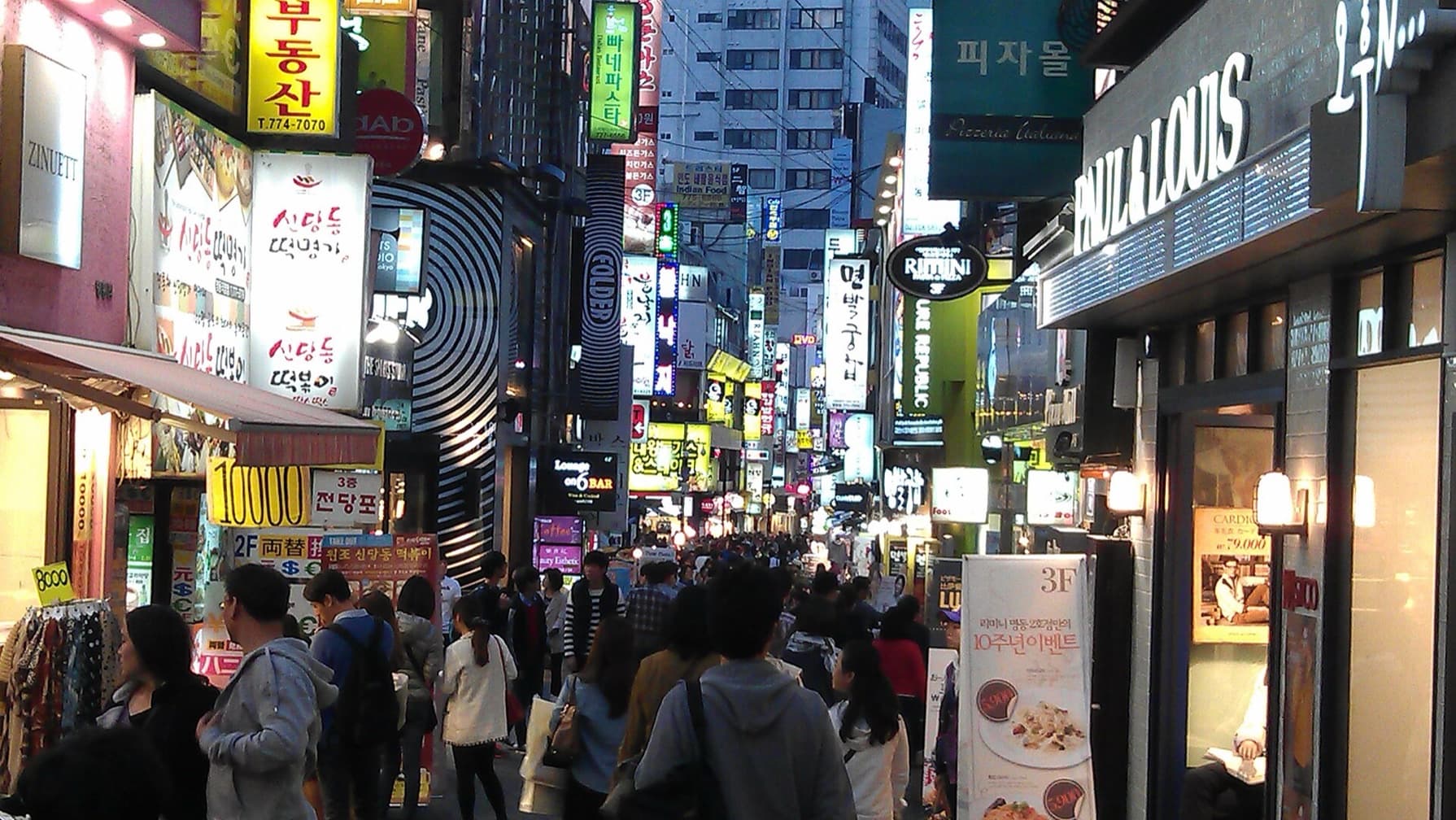
Strong midday anchors: the National Museum of Korea in Yongsan for hours of climate control and context; major department-store food halls and shopping floors in Myeongdong and attached to big stations; large malls and aquariums when you need a longer cool block; contemporary museums on your list only if tickets and hours still match. Subway Line 2 and the rest of the metro are not just transport—they are the city’s free heat corridor between stops.
Jjimjilbang culture still helps as recovery if you treat it as rest, not another athletic event: shower, soak, nap on heated floors, leave before you feel depleted. Skip long Han River bike loops, Namsan climbs at midday, and multi-palace marathons on consecutive peak days.
If your trip was built around K-drama outdoor locations or a full outdoor baseball night, swap in market stools under roofs, museum mornings that become museum afternoons, and one neighborhood you can exit into a mall within ten minutes. The city still rewards appetite and design; it just asks you to sequence them differently this week.
Heat safety for older travelers and children
Heat illness hits unevenly. Surveillance and hospital patterns in this wave have weighed heavily on older adults and people working or lingering outdoors. Traveling grandparents and young kids need a different day shape than a solo twenty-something with unlimited iced coffee tolerance.
Practical rules that travel well: start hydration before you feel thirsty; schedule a hotel or café cool-down every ninety minutes of outdoor time; prefer taxis or short subway hops over long exposed walks between sights; carry electrolytes if someone in the group sweats heavily or takes medications that affect fluid balance; never leave children in parked cars, even briefly, while someone “runs in.”
Watch for dizziness, confusion, nausea, unusually rapid breathing, or a child who suddenly stops complaining and goes quiet. Move to air conditioning, loosen clothing, offer cool water if they are alert, and call **119** if symptoms escalate—Korea’s emergency number for fire and medical help. Hotels can often help with ice and a quiet lobby; do not tough out a palace courtyard because the tickets were nonrefundable.
Multigenerational groups should write the split aloud: who gets the early outdoor window, who stays in A/C for the midday block, and who has veto power when the forecast and the family’s energy disagree.
Where to check weather and emergency updates
Make three sources habit for the rest of the stay.
First, the Korea Meteorological Administration’s English site and Weather app for forecasts, heat warnings, and tropical-night language. The three-tier heat system—advisory, warning, and the top-tier emergency warning—matters more than a single emoji in a hotel lobby display. The app follows your phone’s language settings for basic functions; the English web pages also carry severe-weather status.
Second, the Ministry of the Interior and Safety’s Emergency Ready App, which Seoul’s English city site recommends for foreign residents and visitors. It pushes disaster alerts in multiple languages and helps locate shelters and emergency medical points. Enable location and alert permissions when you land if you have not already.
Third, local operators for anything ticketed: KBO and club sites for baseball, the Korea Heritage Service and palace pages for guard ceremonies, and your hotel front desk for neighborhood cooling centers or temporary hour changes. Naver Weather is what many locals glance at between subway stops; use it as a second screen, not a replacement for KMA warnings.
If you are flying out in the next few days, protect buffer time for slower outdoor transfers to the Airport Railroad Express, extra water in the terminal, and a plan B if someone in the party needs a cool sit-down before security. The heatwave may ease slightly over a weekend and still leave warning-level days into the following week—confirm tomorrow morning before you lock an outdoor finale.
What to do with the rest of this trip
You do not need a perfect Seoul week to leave with a good one. Keep one early outdoor walk, one serious indoor museum or market hall day, and one evening that ends when bodies say so. Read our Seoul neighborhood and first-trip pieces for district picks once the temperature is no longer the main character.
The strategic move this week is simple: treat official heat alerts as itinerary infrastructure. Check, cool, revise—and let the city meet you in the air conditioning it already built for days like this.
Related stories
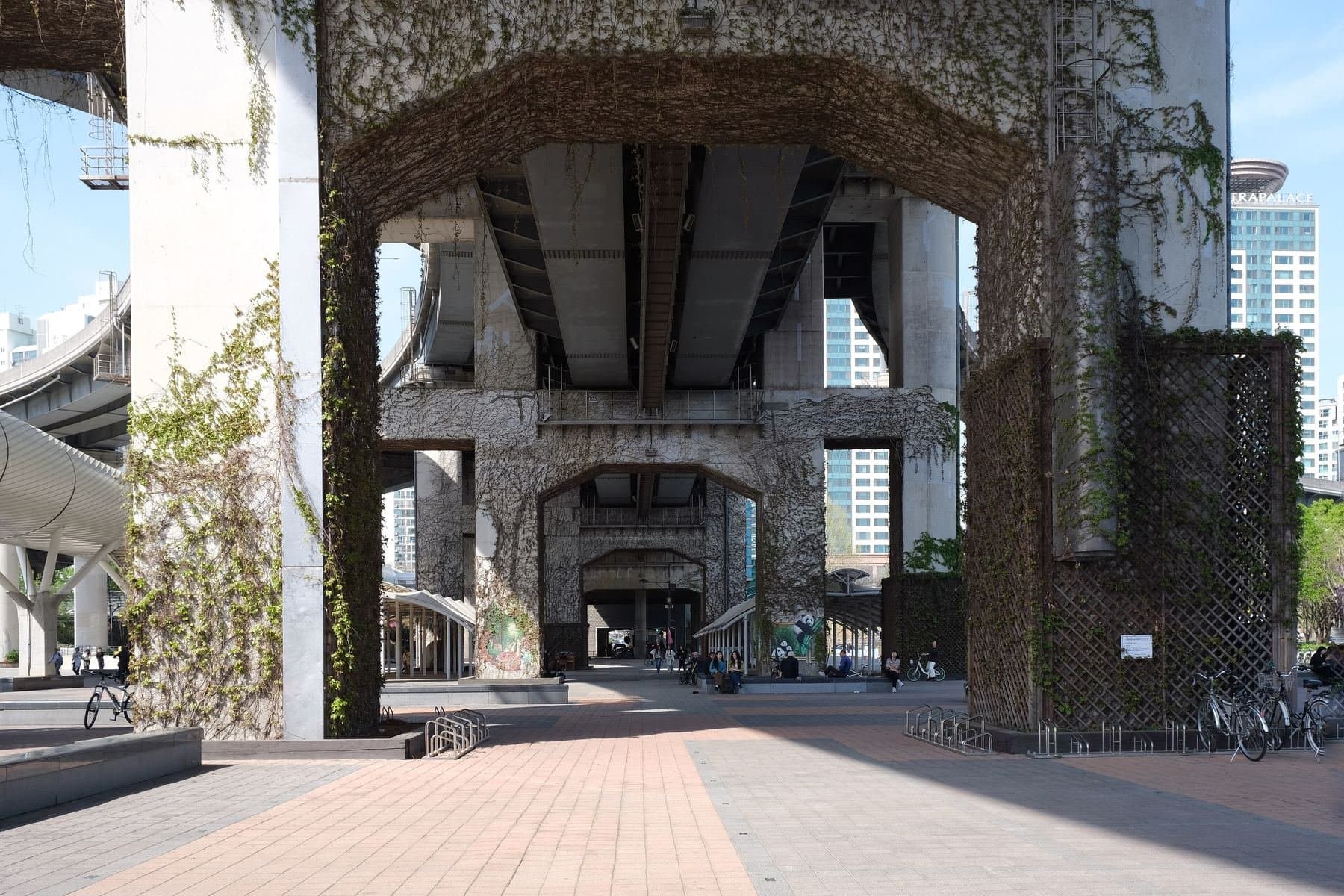
After the K-Drama: How to Do Seoul Without the Set-Jet Checklist
Ninety-four percent say K-culture sparked interest in Korea. Here’s a neighborhood-first week that does not turn into a location scavenger hunt.
6 min · Aug 3, 2026
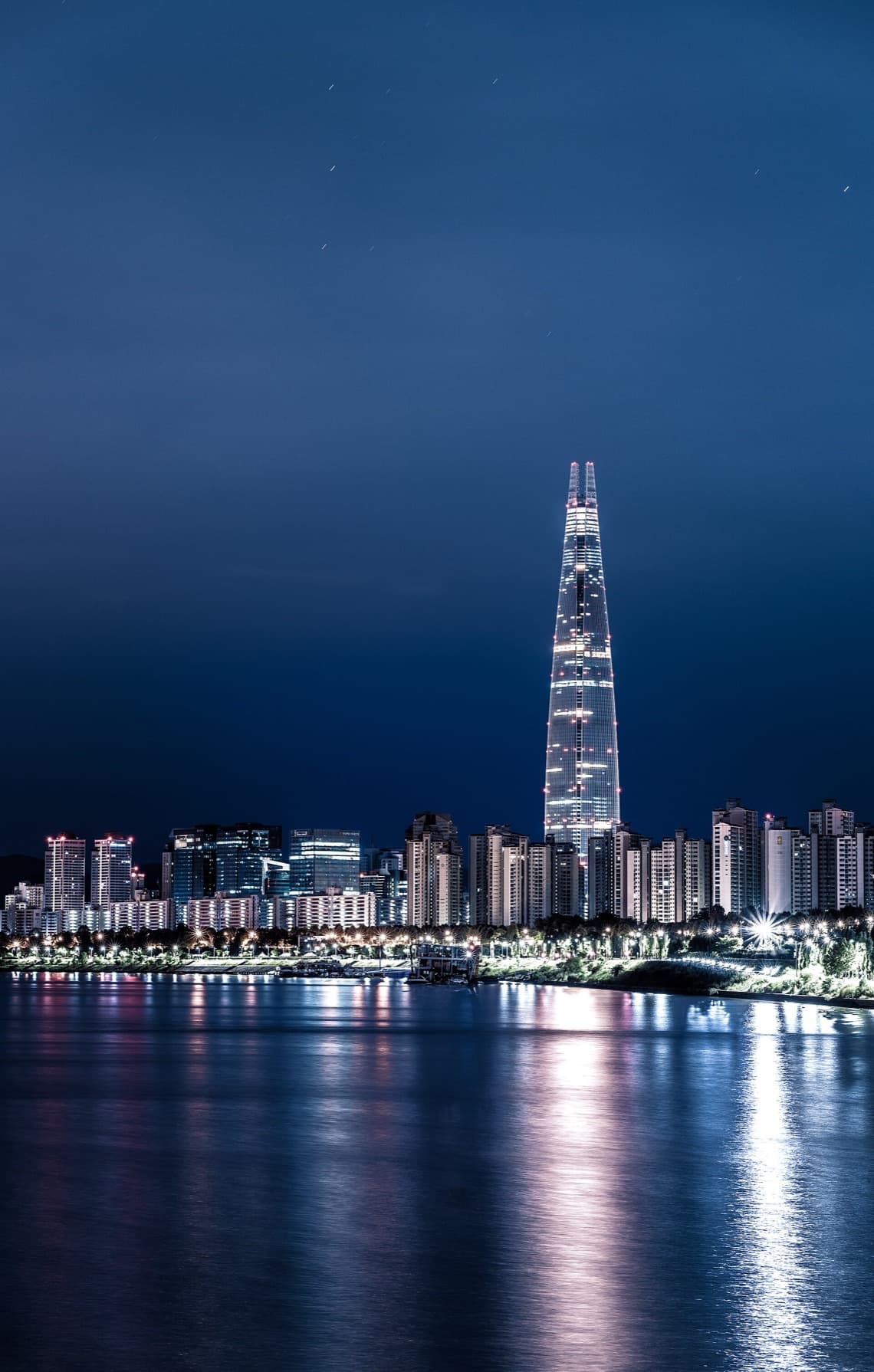
Seoul After the Hype Cycle
Beyond the export narrative: neighborhoods, markets, and meals that reward travelers who skip the trend checklist.
8 min · May 18, 2026
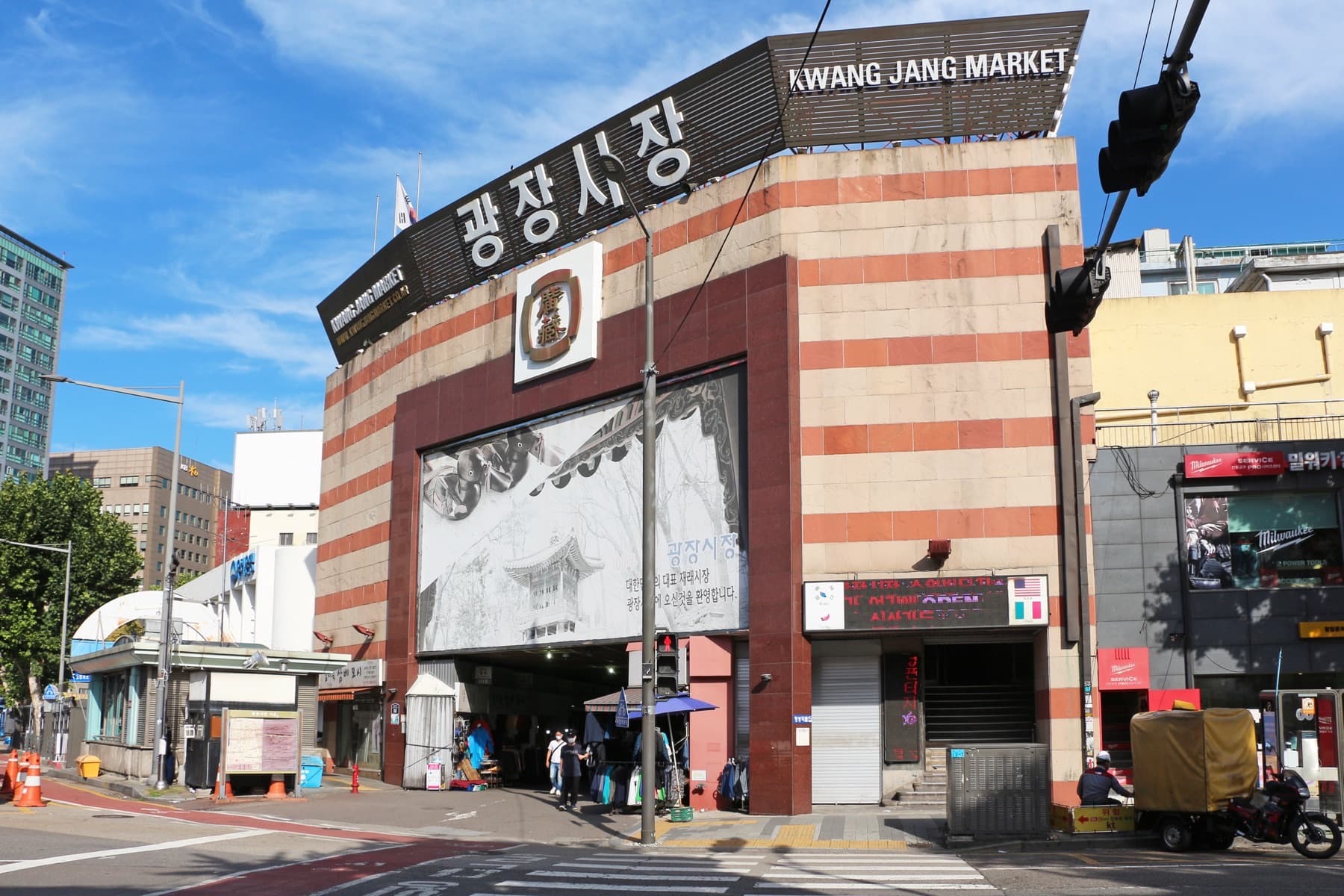
Diaspora Summer: Build a Heritage Trip Without the Guilt Itinerary
One relative day after you’ve slept. Then markets, subway, and empty afternoons—with jangma and typhoon season treated as logistics, not vibes.
6 min · Aug 3, 2026
Seoul as a First Trip to Asia: Energy Without the Spreadsheet
Seoul is not the softest first Asia trip, but for the right traveler it teaches appetite, transit, and neighborhood rhythm fast.
5 min · Jun 7, 2026