
Korea’s July Exports Hit Nearly $99 Billion as Chips Almost Tripled
MOTIE’s July print: $98.89 billion outbound (+62.8%), semiconductors about $41 billion (+179%), and a $30 billion surplus that sat under last week’s chip-stock swings.
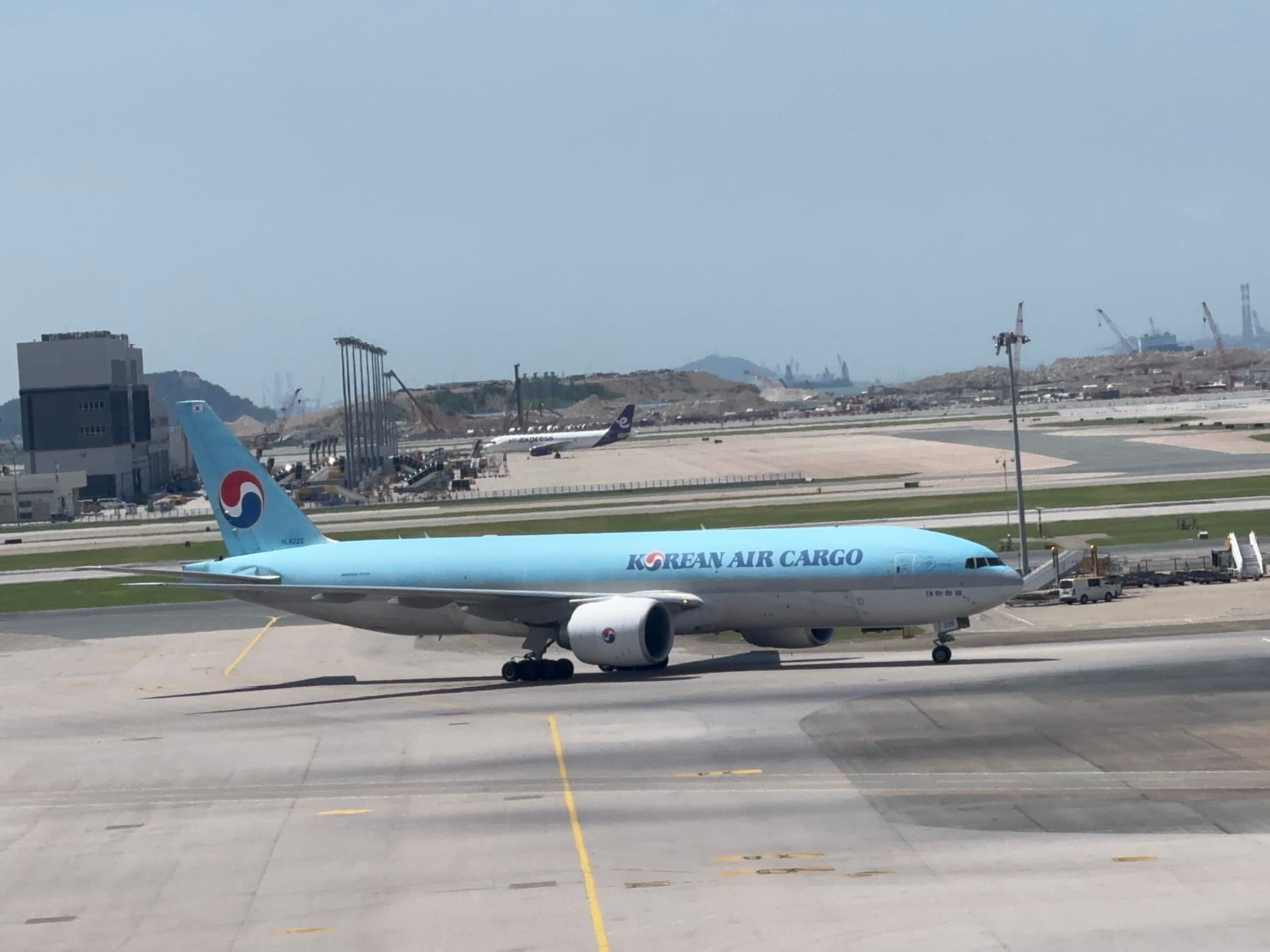
While Seoul spent the last week arguing about whether AI memory stocks had priced in perfection, the trade ministry published a quieter ledger. On Saturday, August 1, South Korea’s Ministry of Trade, Industry and Energy put July outbound shipments at $98.89 billion, up 62.8 percent from a year earlier. That is the second-highest monthly export print on the books after June’s roughly $102.2 billion haul—not the absolute record some English headlines floated, and still a month that would have looked fictional two years ago.
Semiconductors did the heavy lifting. Chip exports came to about $41.01 billion, up roughly 179 percent year over year, and stayed above $40 billion for a second straight month even as industry chatter swirled around Apple’s possible use of Chinese memory and a new Chinese AI model. Non-chip exports still rose 26 percent. Nineteen of the twenty major export items the ministry tracks were higher, which is Trade, Industry and Energy Minister Kim Jung-kwan’s preferred way of saying the print was broad, not a single SK hynix invoice with a flag on it.
Human scale helps more than the headline percentage. Working-day-adjusted daily exports averaged about $4.12 billion, the third month above $4 billion. Imports rose 26.5 percent to $68.56 billion, with energy alone up about 50 percent, and Korea still posted a $30.32 billion trade surplus—the second month above $30 billion. The January-through-July surplus sits near $168 billion. Those are customs-and-cargo numbers, the kind that show up as freighters leaving Incheon and containers at Busan, not as a closing print on the KOSPI.
The destination map matches the AI-infrastructure story already on this desk. Exports to China jumped 96.2 percent to $21.68 billion, staying above $20 billion for a second month on semiconductors, nonferrous metals, and petroleum products. Shipments to the United States rose 68.7 percent to $17.43 billion as semiconductors, computers, electrical gear, and steel rode data-center demand, even while auto exports softened with more local production. ASEAN and the European Union both hit July highs on the ministry’s framing, at about $18.8 billion and $9.38 billion. Treat those corridors as where the memory and server gear is actually going, and treat last week’s equity selloff as a separate argument about valuation.
Computers nearly quintupled on the back of enterprise solid-state drives. Wireless devices rose on premium phones including Galaxy S26 even as higher chip costs pressured cheaper models. Cars, ships, cosmetics, and biohealth all contributed. Petroleum and petrochemicals rose in value on price even as export volumes fell—useful for anyone who still thinks every green bar on a July chart is a volume story.
Kim’s caution at the end of the release is the part that belongs next to the celebration. He flagged new U.S. tariff measures under Section 301 of the Trade Act, stronger protectionism in major markets, and Middle East uncertainty as reasons the second half will not feel like a victory lap. That is the policy overlay on a print that otherwise says AI demand is still clearing Korean docks and runways.
For a transpacific reader, the so-what sits beside Roh Tae-moon’s Samsung share buy and SK hynix’s record-and-selloff week. Equities can argue about bubbles while customs still counts nearly $99 billion leaving the country. Pair the July print with the freighter map we have already tracked—Korean Air cargo yields, Taipei hub congestion, Narita’s chip-hub links—and you get an operational picture: memory and AI gear remain scarce enough to fly.
What to watch next is shorter than a full trade war. August will show whether chip exports hold the $40 billion band once summer holiday calendars normalize. U.S. and China tariff language will matter more for autos and steel than for the HBM that already has multi-year contracts. And Seoul’s next equity session will keep pricing AI memory as a mood, while MOTIE keeps pricing it as a bill of lading.
The useful read is the cargo ledger, not another day of arguing whether AI memory is a bubble. July’s nearly $99 billion print says the chips are still leaving Korea. The stock tape can catch up, or not, on its own clock.
Related stories
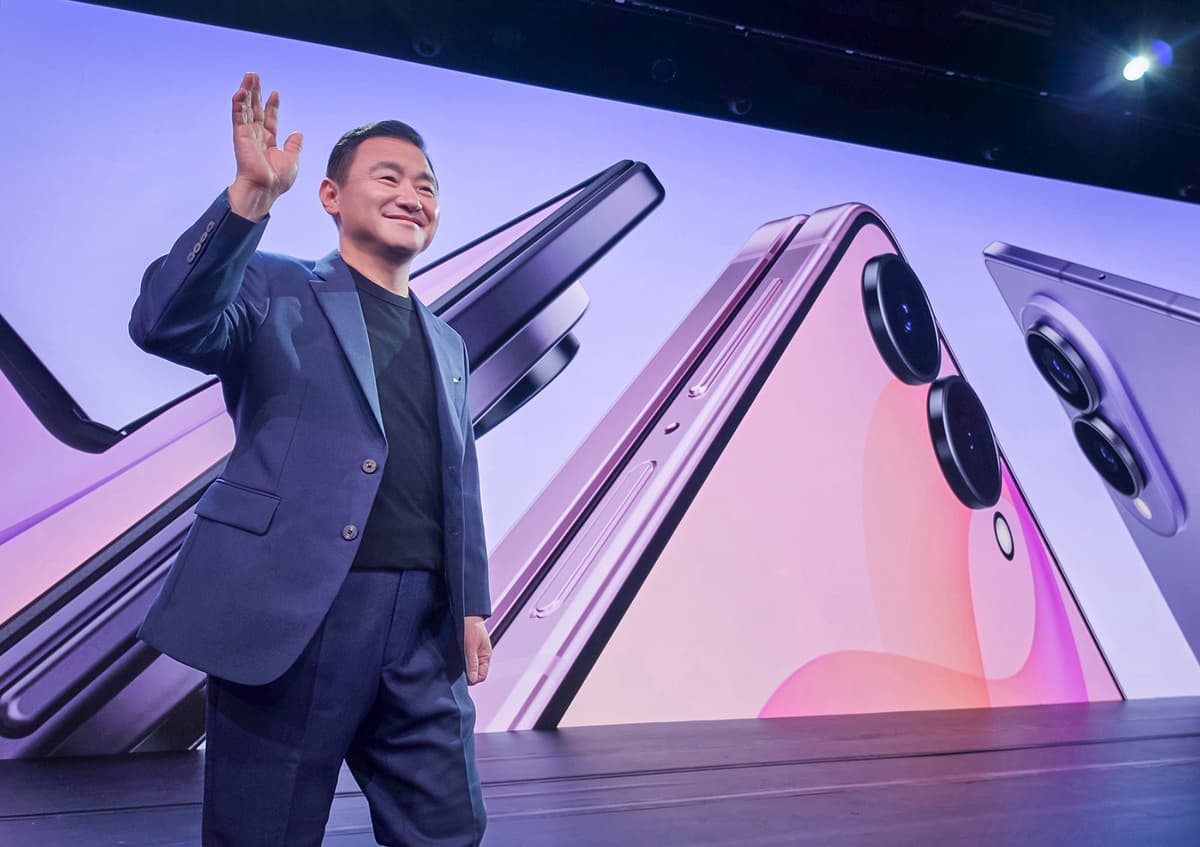
Samsung’s Phone Boss Just Bought the Dip After DX’s First Loss
TM Roh put personal money on Samsung after devices went red while memory printed a record. Here’s what the buy signals, and what it does not.
5 min · Jul 31, 2026
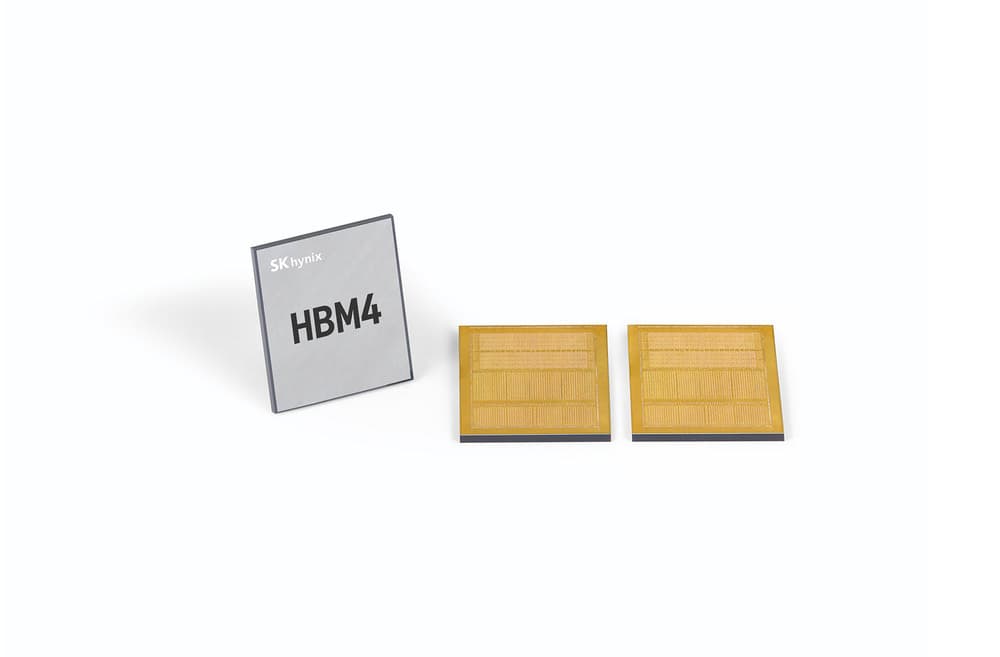
Why SK hynix’s Record Quarter Sent Its Stock, and Asia’s Chip Sector, Sliding
SK hynix posted the best quarter in its history on July 29. Investors sold anyway, joined by Samsung, Kioxia, and other Nvidia-linked suppliers across Asia.
7 min · Jul 30, 2026
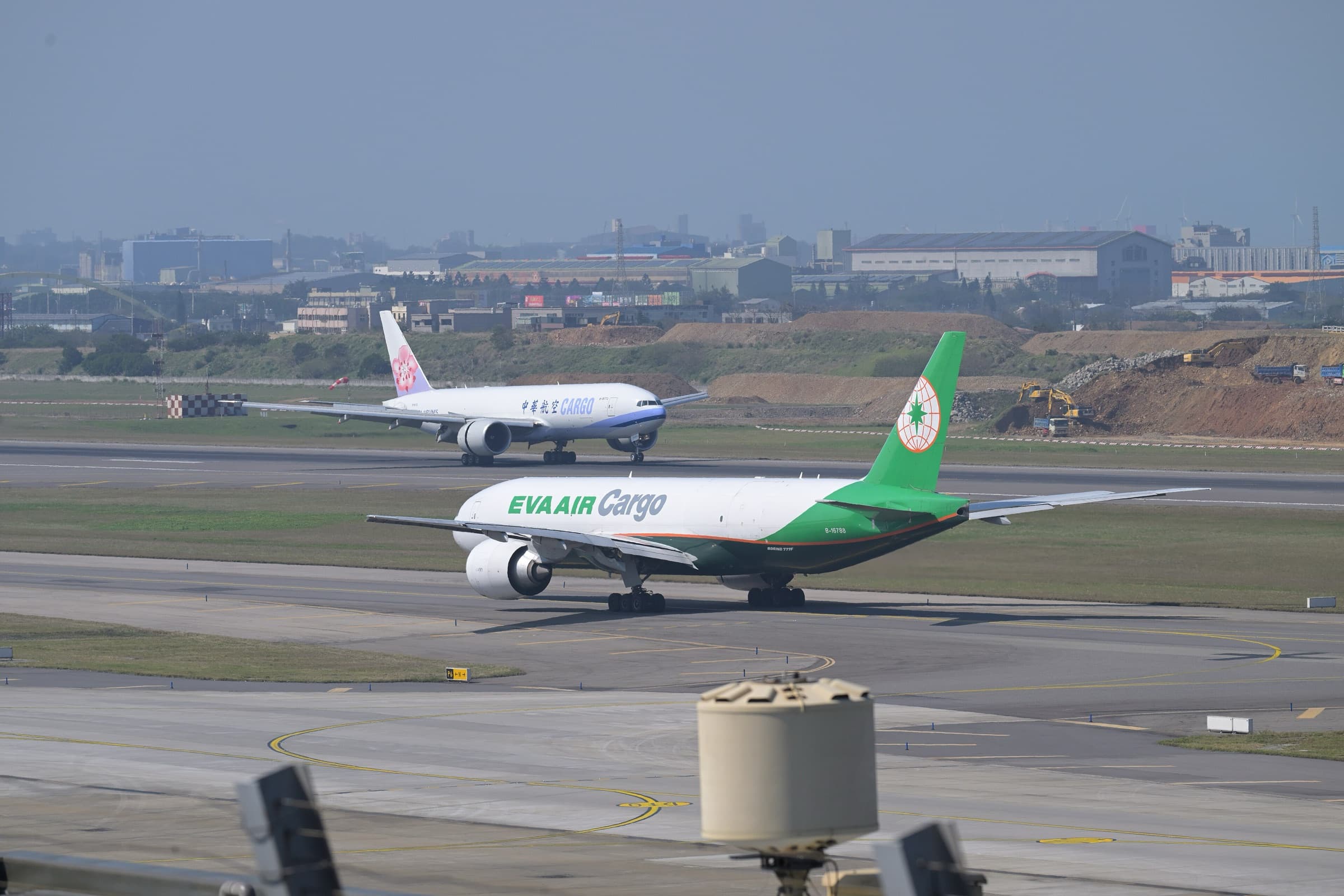
AI Chips Are Redrawing Asia’s Air-Cargo Map
The Jul 29 story is geographic: freighters are being rewired around Taipei, Bangkok, Hanoi, and other chip hubs as e-commerce growth cools.
4 min · Jul 29, 2026

AI Hardware Is Filling Transpacific Air Cargo to the Ceiling
Xeneta puts Asia–North America dynamic load factors at 90%. May Taiwan–U.S. rates hit $7.02 per kilo. Korean Air’s cargo yield jumped about 42% in the second quarter.
5 min · Jul 24, 2026
Related global reads
Transpacific Bound
Samsung’s Phone Boss Just Bought the Dip After DX’s First Loss
Transpacific Bound
Why SK hynix’s Record Quarter Sent Its Stock, and Asia’s Chip Sector, Sliding
AsiaMS
K-beauty crosses the $2 billion mark as U.S. household adoption triples
At the Banquet
The new Banquet: South Korea
East Table
East Asia cold noodles field guide