Why Mongolia’s Three Camel Lodge Belongs on Your Next Asia List
Forty gers on the South Gobi, package logistics from Ulaanbaatar, and Flaming Cliffs days, far outside the Tokyo–Bali–Seoul loop.
If your Asia list still runs Tokyo, Bali, and Seoul on repeat, put Mongolia on the next line. An independent East Asian country between Russia and China, it is one of the easier far-flung trips on paper for American and Canadian passport holders: United States citizens can enter visa-free for up to 90 days, and Canadians for up to 30, per current U.S. State Department and Government of Canada guidance. Register with Mongolian Immigration within 48 hours of arrival; hotels and lodges routinely handle this, and the State Department warns that skipping registration can mean fines at departure.
The timing is friendlier than the old "impossible destination" reputation suggests. Official figures reported in mid-2026 put foreign arrivals at 846,103 in 2025, a record and about 16% above 2024, with the first half of 2026 already running ahead again. Seat capacity into Ulaanbaatar remains the real constraint. Most North American itineraries land at Chinggis Khaan International Airport via Seoul Incheon on Korean Air, MIAT, or another carrier, overnight in the capital, then take the roughly 90-minute domestic hop to Dalanzadgad and an hour of desert road to the ger ring.
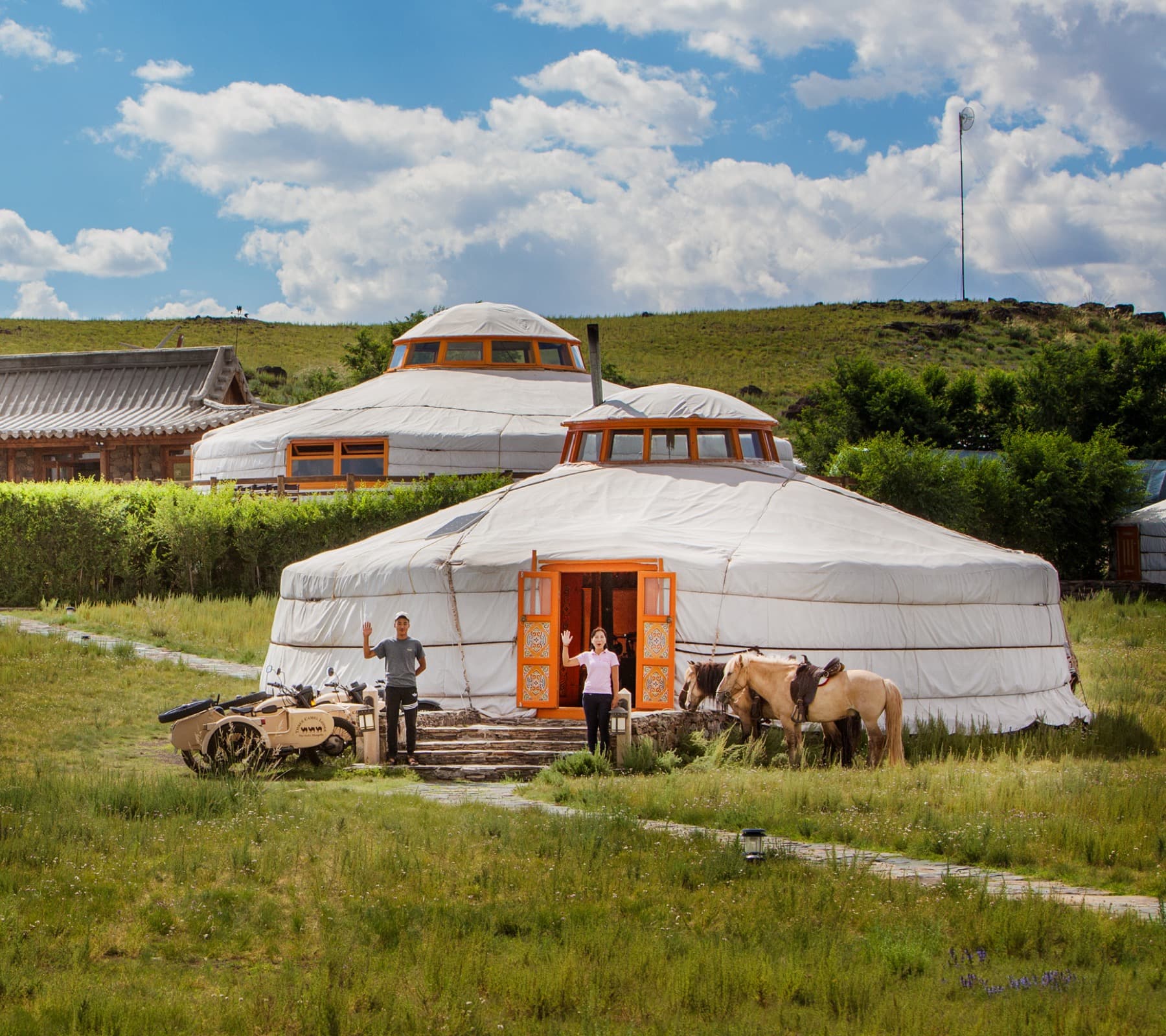
Three Camel Lodge is the property that makes that last stretch feel intentional rather than improvised. Mongolian-American founder Jalsa Urubshurow opened the lodge in 2002 after building Nomadic Expeditions in the early 1990s, when Mongolia’s democracy was new and Western lodging in the Gobi was thin. The camp still markets itself as the only luxury ecolodge in Mongolia’s Gobi Desert: 40 handmade gers with en-suite bathrooms, solar-powered LED lighting, wood-stove heat, and hand-carved furniture, staffed entirely by Mongolians and operated as a founding Beyond Green sustainable lodging member. Condé Nast Traveler has long treated Urubshurow as a Mongolia specialist; the lodge’s own story leans on that diaspora through-line without turning the stay into a TED talk.
Published 2026 land rates for the three-day, two-night package start at $2,885 per person for two or three guests in the May and late-October shoulder, rising to $3,295 in the main June-to-early-October band and $3,465 in the July 5 to 16 peak window that overlaps Naadam. Solo travelers pay far more; groups of four and up drop toward $2,500 to $3,025 per person for the same nights. Add about $380 per person for the Ulaanbaatar–Dalanzadgad roundtrip the lodge quotes for 2026, plus Ulaanbaatar hotel nights and international airfare. The enquire page also lists two-night stays starting at $2,425 as a marketing floor. Land packages include Deluxe ger lodging, meals on the itinerary, scheduled excursions, park fees, Gobi airport transfers, and an English-speaking Nomadic Expeditions guide. Alcohol, spa, laundry, tips, and insurance are extra. There is no room-only rate; the excursions are built into the product whether you take every one or not.
The two-night sample day list is the point of the place. Day one typically runs from Dalanzadgad into Yol Valley in Gobi Gurvansaikhan National Park, a cool canyon known for bearded vultures. Day two often pairs a sunrise walk near the lodge with horseback time and an afternoon at Bayan Zag, the Flaming Cliffs, where Roy Chapman Andrews’s American Museum of Natural History team documented the first scientifically recognized dinosaur eggs in 1923. You are buying guided desert days with a soft landing at night, not a spa resort that happens to have sand nearby.
Season runs May through November. July is busiest; the lodge itself suggests June, August, or September if you want fewer crowds. Wi-Fi exists in common areas and can drop; treat connectivity as a bonus. Cold snaps and shoulder-season weather are real, which is why layers matter even when midday sun feels generous.
Who is this for? Travelers who want nomadic landscape, paleontology history, and design-forward ger comfort without building a DIY Gobi itinerary from scratch. Couples and small groups who can absorb package pricing and a capital overnight on either side. People curious about diaspora-led hospitality that actually employs and sources locally. Less ideal if you need nightlife, winter travel, or a shoestring independent road trip.
Mongolia will not replace Kyoto or Bali on a first Asia itinerary, and it should not. It answers a narrower question: where can a U.S. or Canadian traveler get deep into East Asian steppe and desert culture, sleep in a real ger with a proper bathroom, and leave logistics to people who have been running this corridor for decades? Three Camel Lodge is the most documented luxury answer. Put it on the list.
Related stories
Why Gannan’s Norden Camp Belongs on Your Next Asia List
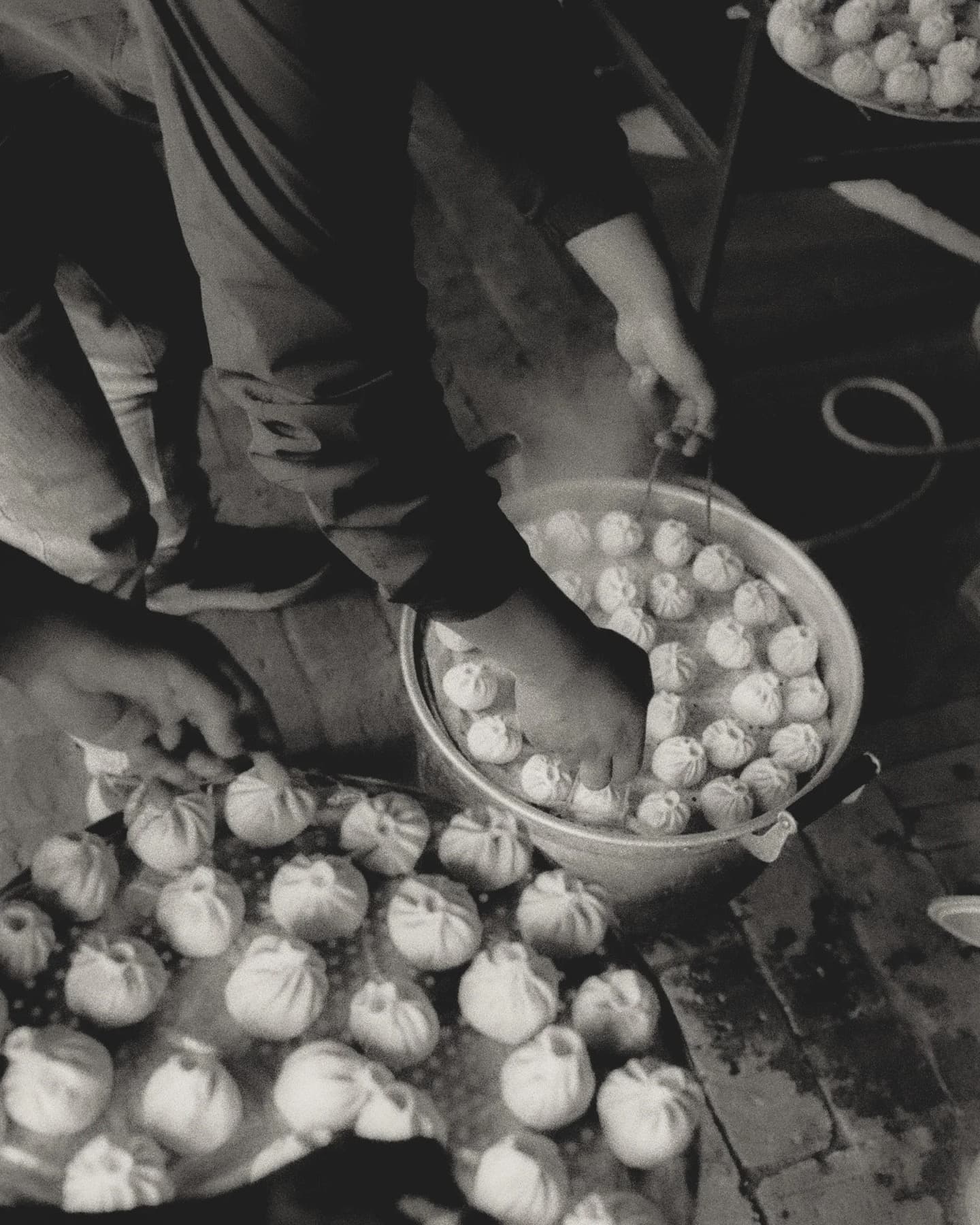
Nine cabins on Sangke Grassland, from $2,400 for two nights. Labrang, Norlha, and plateau silence two hours from Lanzhou by road.
5 min · Jul 6, 2026
Marble Is No Longer Enough for Asia’s Luxury Travelers
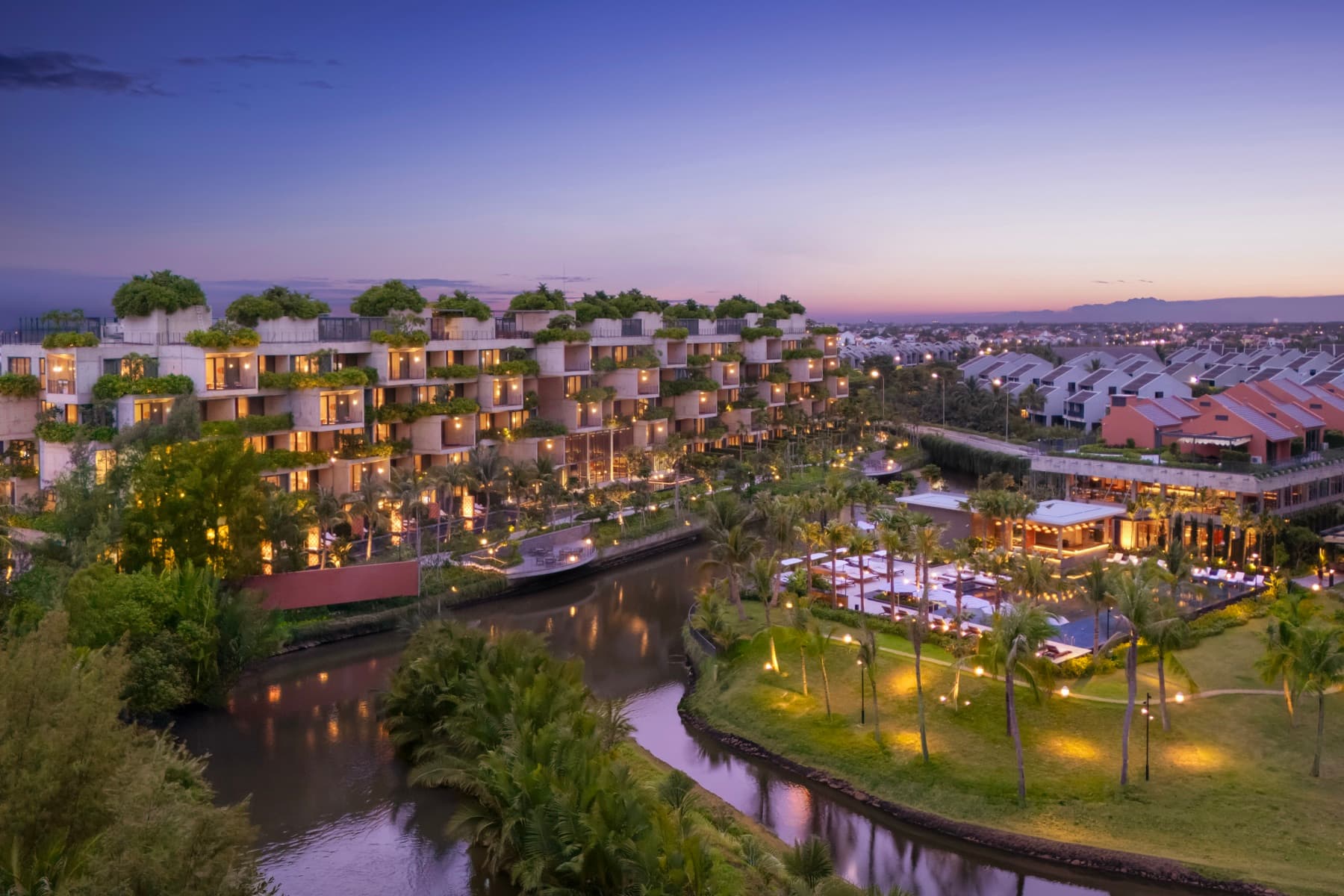
The lobby can still sparkle. The room rate now has to buy back time, solve family logistics, protect sleep, and connect guests to the place outside.
7 min · Aug 17, 2026
The First Heritage Trip Should Not Be a Performance
Land, sleep, eat in public, and do one relative visit after you can form sentences. Revelation, if it comes, can wait for a later ticket.
5 min · May 15, 2026
Your First Trip to Asia: A Culturally Fluent Starter Guide
How to pick your first Asian city, pace the week, and avoid turning the trip into heritage performance or continent tourism.
10 min · May 5, 2026