
Where to Stay in Tokyo: A Neighborhood Hotel Guide
Shinjuku, Nakameguro, Ginza, and why one hub beats hotel hopping.
Opening thesis
In Tokyo, your hotel is not a backdrop for photos. It is a transit decision wearing bedsheets.
The ward you sleep in determines whether last-call ramen is a ten-minute walk or a forty-minute train you will skip because you are tired and alone with your suitcase.
This guide is practical, not aspirational: where to stay for first trips, solo weekends, parent visits, and food-heavy weeks, without hotel hopping that turns Tokyo into luggage tax. We are not ranking properties by thread count.
We are matching neighborhoods to how you actually move.
Diaspora travelers often over-index on lobby spectacle because export media taught us that luxury is visible. Tokyo teaches the opposite: sleep, shower pressure, MRT proximity, and staff who solve problems quietly often beat a gorgeous atrium you will see twice.
Read our lobby guide for how cities argue through design. Read this guide for which train line you want to fall into at midnight. Book the line first. Then book the bed.
Shinjuku and Shibuya
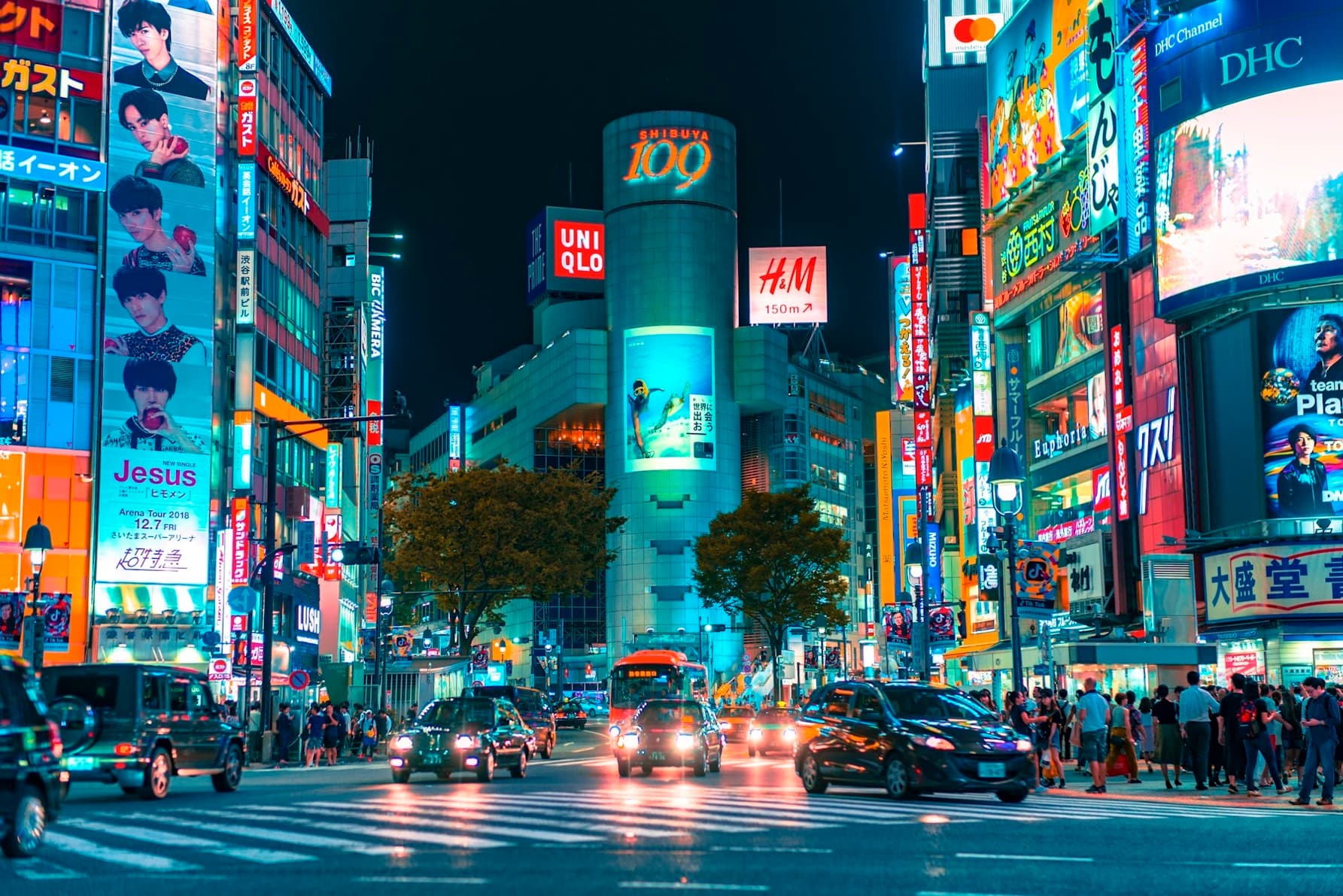
Shinjuku and Shibuya are the loud practical choice: major JR and Metro hubs, late food, konbini at every corner, and the kind of energy that forgives arrival-day mistakes because something excellent is always open nearby.
Shinjuku skews business-travel efficient, big hotels, dense signage, excellent last-resort noodles. Shibuya skews younger and trend-forward, more boutique options, more foot traffic, more temptation to treat crossing the scramble as personality.
Both work for first trips if you accept noise and crowds as tradeoffs for convenience.
Stay here when you want maximum transit flexibility, when you are solo and eating late, or when your itinerary is food-forward and you do not want a twenty-minute train after every dinner. Avoid expecting residential quiet.
These wards are machines that happen to have hotels inside them.
For families, proximity to major hubs matters more than boutique charm, elevators, rolling luggage paths, and breakfast within walking distance reduce daily friction more than a canal view you see once.
Nakameguro and softer stays
Nakameguro, Daikanyama, and nearby pockets trade efficiency for pleasant walks: canal paths, kissaten mornings, smaller hotels, and less pressure to perform nightlife every night.
Choose this rhythm when you want Tokyo to feel inhabitable rather than conquerable, repeat bakery runs, gallery afternoons, dinner in Naka-Meguro or Ebisu without living on the Yamanote Line chaos. Transit still exists; it is just not the only story outside your door.
Solo travelers and couples who want rest without leaving the city often do better here than in Shinjuku, if they accept slightly longer hops to major hubs when day trips call.
Soft stays fail when you pick beauty over MRT access and then resent every connection. Check the nearest station and last train times before you fall in love with a photo of a canal.
Ginza when parents visit
Ginza and nearby central wards make sense when parents are with you: elevators that usually work, hotels accustomed to multigenerational groups, bathrooms that matter more than thread count, and walking access to department-store food halls that solve breakfast without argument.
Parents may want dignity over discovery, shorter walks, familiar department-store logic, taxis when the subway stairs multiply. Ginza-adjacent stays cost more and buy calm transfers, predictable dining nearby, and less nightly navigation labor for whoever is translating the trip.
This is not the ward for cheapest ramen hunts at 2 a.m. It is the ward for sleeping well enough that everyone can eat again tomorrow.
Pair Ginza base with one adventurous dinner elsewhere: not every night cross-town. Emotional labor drops when the hotel neighborhood itself is legible to elders.
One hub all week
Hotel hopping in Tokyo is rarely educational; it is usually luggage tax. First trips should pick one hub and stay the whole week unless a mid-stay move teaches something specific, ryokan night, onsen town, family obligation in a particular ward.
Switching hotels mid-trip because a forum post said another neighborhood is cool often costs half a day and two arguments. Tokyo reveals itself through repetition: the same depachika at different hours, the same side street in rain versus sun.
Book seven nights in one place, then spend two days considering whether trip two needs a different ward: not whether Tuesday needs a new check-in desk.
Exceptions exist: one night at Narita transit hotel after a late arrival, one ryokan escape if budget allows. Those are tools, not default pacing.
Lobby height versus sleep
A soaring lobby can be an argument about arrival. Dubai scale, Park Hyatt calm, traditional craft in a palace hotel, but it cannot replace shower pressure, sound insulation, and a bed that fits your spine after twelve thousand steps.
Read lobby photos for competence signals: seating that is not only Instagram backdrop, staff density at check-in, elevator wait times in reviews, scent and AC noise mentioned more than once. A beautiful atrium with twelve-minute elevators fails night one.
Luxury travelers should prioritize sleep because Tokyo rewards walking. Budget travelers should prioritize location because Tokyo punishes cheap beds far from transit when you are too tired to enjoy the money you saved.
Lobby height is optional. Rest is not. Choose accordingly.
Solo versus family room logic
Solo travelers want small central rooms, 24-hour desks, and discretion: not honeymoon table pity or oversized suites priced for families. Request quiet floors when booking; carry earplugs anyway.
Families need two rooms or a suite with bathroom privacy more than a view. Parents need elevators and shorter walks.
Kids need konbini access and laundry. Couples need honest conversation about whether ryokan shared-bath logic fits both personalities.
Multigenerational trips fail when room logic is romantic default, one room, one bathroom, four adults, zero privacy. Parallel dignity beats forced togetherness.
Book for who is actually traveling, not for the room photo that would look best posted. Tokyo has hotels for every configuration if you search with the right keywords in Japanese and English.
Closing takeaway
Book the train line you will ride at midnight, not the view you will see once through glass. Shinjuku and Shibuya for practical hunger; Nakameguro for softer rhythm; Ginza when parents need calm more than discovery.
Stay one hub all week unless you have a specific reason to move. Test sleep and transit on night one, if both work, stop browsing hotel apps and go eat.
The best Tokyo hotel is the one that disappears into the trip, leaving you rested enough to queue, walk, and return to the same ward tomorrow without thinking about checkout policy.
Related stories
Tokyo Is Not a Beginner City, and That Is the Point
Tokyo punishes checklist tourism and rewards travelers who can tolerate not seeing everything.
8 min · Jun 1, 2026

A Hotel Lobby Can Tell You Whether a City Understands Itself
Lobbies are not decoration. They are arguments.
3 min · Feb 5, 2026
How to Choose a Hotel When You Are Traveling With Parents
Parent-friendly is not the same as boring.
3 min · Dec 10, 2025

The Case for Planning a Trip Around One Reservation
One hard-to-get table can organize an entire itinerary with purpose.
3 min · Apr 5, 2026