
The Tour Date Is Becoming the Trip Date
Trip.com Group and Live Nation Asia surveyed 1,768 concertgoers across six markets and found 65 percent had already crossed a border for a show. Hotels, flights, and ticket packages are where that fandom turns into inventory.
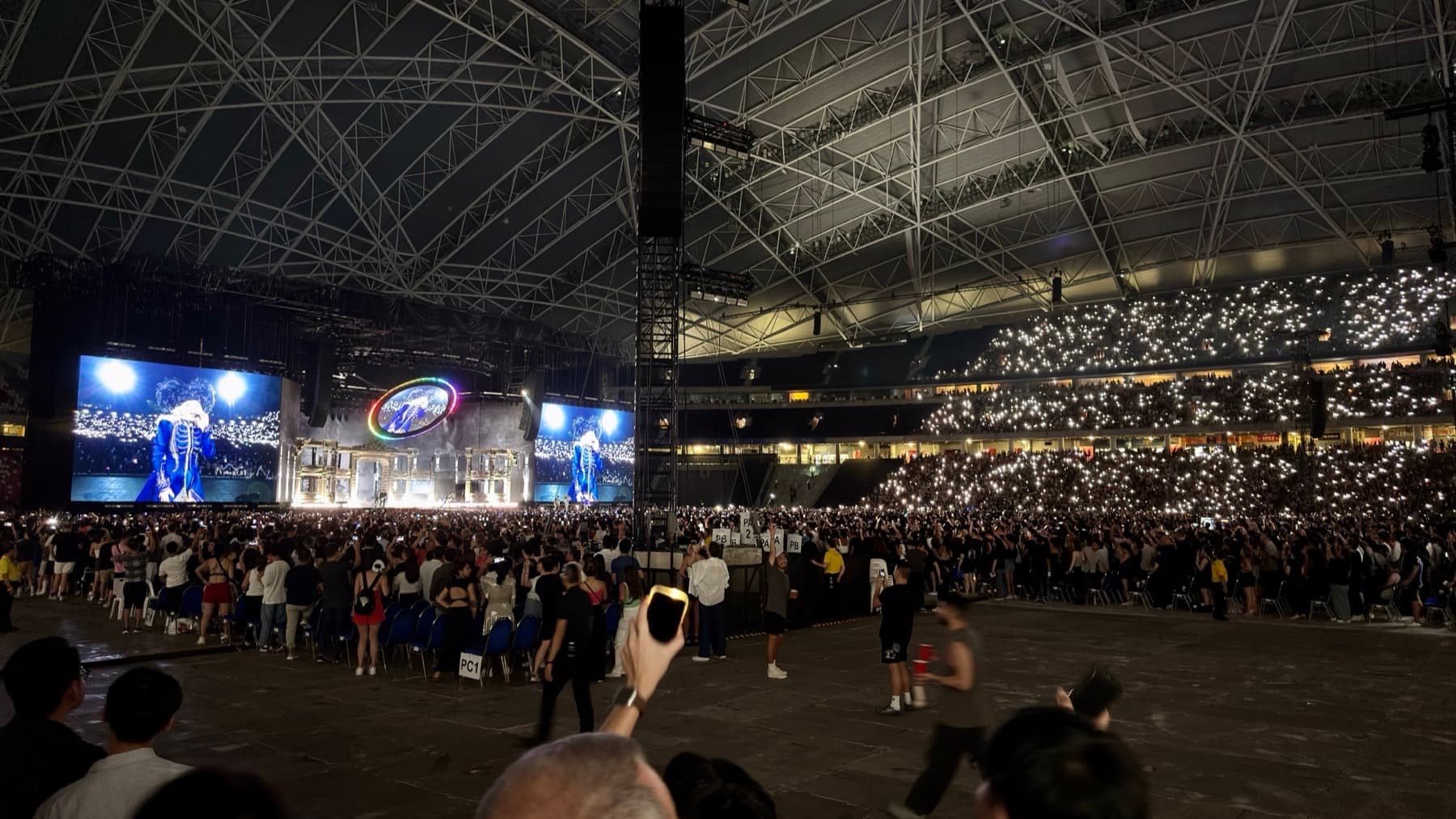
What the six-market survey actually measured
Trip.com Group, the online travel company behind Trip.com and Ctrip, and Live Nation Asia released The Concert Travel Effect in Asia this week. The consumer piece is a July 2026 survey of 1,768 concertgoers in Mainland China, Singapore, Hong Kong, Macao, Thailand, and South Korea, run through OnePoll and Live Nation’s Soundboard. The companies fold in their own Trip.com booking data and Ticketmaster ticketing. Read every percentage as that sample and those systems—not as a claim about every traveler in Asia.
Sixty-five percent of surveyed concertgoers said they had already traveled to another country or region for a concert. Seven in ten called live music one of the most exciting reasons to travel. More than seventy percent said music trips feel especially meaningful.
Cities already knew stadium weekends fill rooms. On this evidence, the tour calendar is becoming a travel forecast they can plan against.
Hotels and flights after the onsale
The ticket starts the clock. Hotels and flights get three days of compressed demand. Sixty-two percent of respondents said securing concert tickets was the biggest driver of their live-music travel planning. Once the seat is locked, just over half prioritize a hotel close to the venue. About the same share chase affordable flights or other transport. Ideal stay length averages four days across the six markets. Singapore respondents wanted closer to five; Hong Kong respondents sat a little over four.
Trip.com’s booking file shows how fast that clock runs. Within three days of the company’s BTS World Tour “Arirang” presales, it recorded more than a 440 percent jump in flight bookings to Bangkok. Hong Kong–Bangkok rose about threefold on the same window; Singapore–Bangkok roughly doubled. Treat those spikes as Trip.com’s own first-party counts around a named onsale—not as a permanent traffic rate.
Hotels already sit at the top of what fans say they want packaged. Sixty-two percent ranked hotels the most valued add-on. Flights came next, then attractions. Sixty-three percent said they choose five-star hotels when they travel for concerts. That is survey preference, not a guarantee every arena weekend clears at five-star rates.
The package is the product
Eighty-four percent of surveyed concertgoers said they are interested in packages that combine the show with travel products. Since launching their partnership in 2025, Live Nation Asia and Trip.com have bundled concert access with hotels, transport, and local experiences across those same six markets. Trip.com Group says bookings for bundled ticket packages rose 64 percent year on year in the first half of 2026.
Edison Chen, Trip.com Group’s vice president of global destination marketing and public relations, told Marketing-Interactive the company is pushing past ticket-plus-hotel into dining, attractions, and post-show transport. Getting home after a stadium let-out is the pain he named first. The company is talking to venues about shuttles, spelling out how far a hotel sits from the gate, and building room packages that include three- and four-star stock alongside the five-star preference in the survey.
James Dick, Live Nation Entertainment’s executive vice president of partnerships and media, put the supply side bluntly: build and run venues so artists have somewhere to play, then fans follow. Live Nation’s regional venue push includes Impact Arena in Bangkok, Grange House in Singapore, and a first Hong Kong site.
Artist choice changes the travel map. In Singapore and Thailand, K-pop acts including BTS and BLACKPINK drew the highest overseas ticket-demand shares in the report’s ticketing cut, ranging from 20 to 38 percent. In Bangkok, K-pop shows pulled nearly twice the overseas audience share of other concert acts, with visitors mainly from Hong Kong, Vietnam, the Philippines, and Malaysia. Thailand still fills most seats domestically—at least eight in ten, the report says—so the city is both a hometown crowd and a regional hub on the same night.
What cities can plan around
Two in three surveyed fans called their fan community core to the concert experience. That is why a single regional stop—Lady Gaga choosing Singapore, in Dick’s example—pulls people from Indonesia, Malaysia, and elsewhere who will not get another date nearby. The show gathers them. The destination has to hold them for the other three nights.
For tourism boards and hotel clusters near arenas, the planning unit is the onsale week, not only the performance night. Inventory the rooms within walking or short-transit range. Price the airport banks that fans actually use after a ticket drops. Work the last mile home when fifty thousand phones light up at once. Trip.com and Live Nation are packaging that stack because the survey sample already behaves like travelers who start with an artist and work backward to a city.
The 65 percent figure describes concertgoers in six markets, asked in July. Inside those borders, the business is clear enough: the tour date is becoming the trip date, and the money after the encore sits in hotels, transport, and the bundle that sells both.
Related stories

Oracle Scrapped the Tencent Chip Lease
The servers were supposed to sit in Southeast Asia. The pressure still landed on a U.S. cloud company.
6 min · Nov 4, 2026
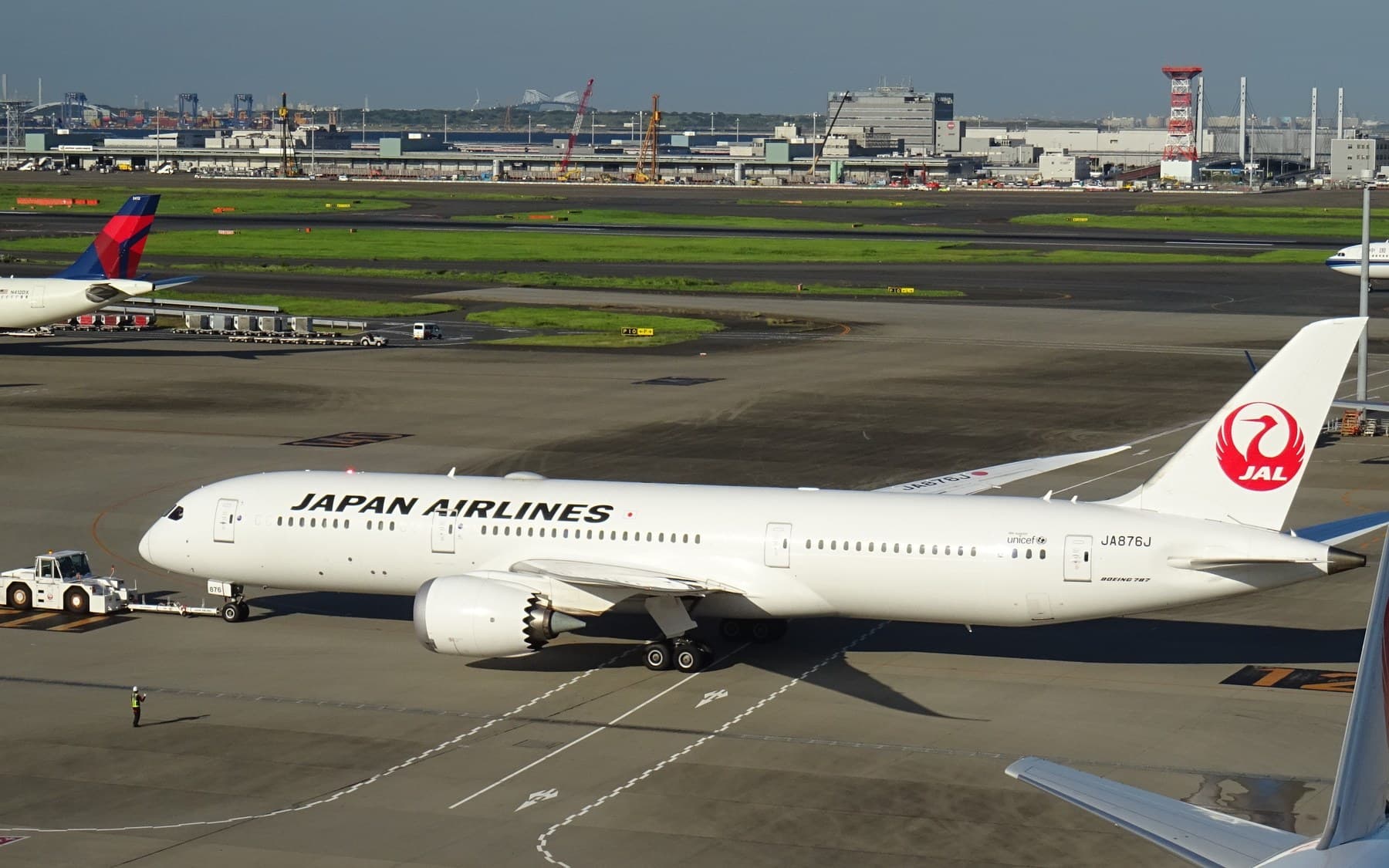
UN Tourism Cut This Year’s Arrival Forecast
Buy the U.S.–Japan ticket by Saturday if the date is set. The fuel line goes from $320 to $381 on Sunday.
6 min · Oct 29, 2026
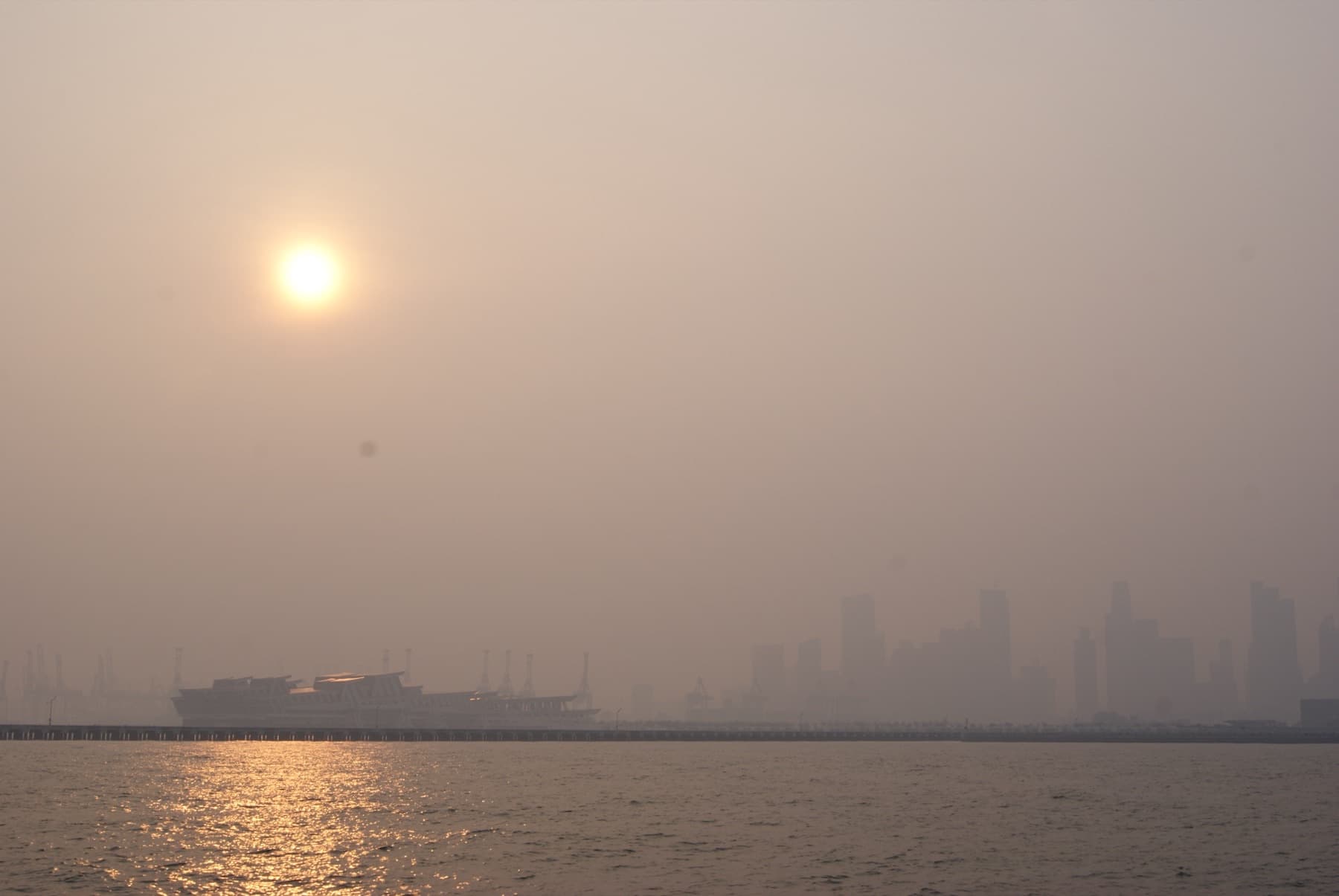
Unhealthy Air for Sunday’s Singapore Grand Prix
The sprint already ran in this haze. If you have a Sunday ticket, decide how long you will be outside, and who should skip the long hours.
6 min · Oct 10, 2026
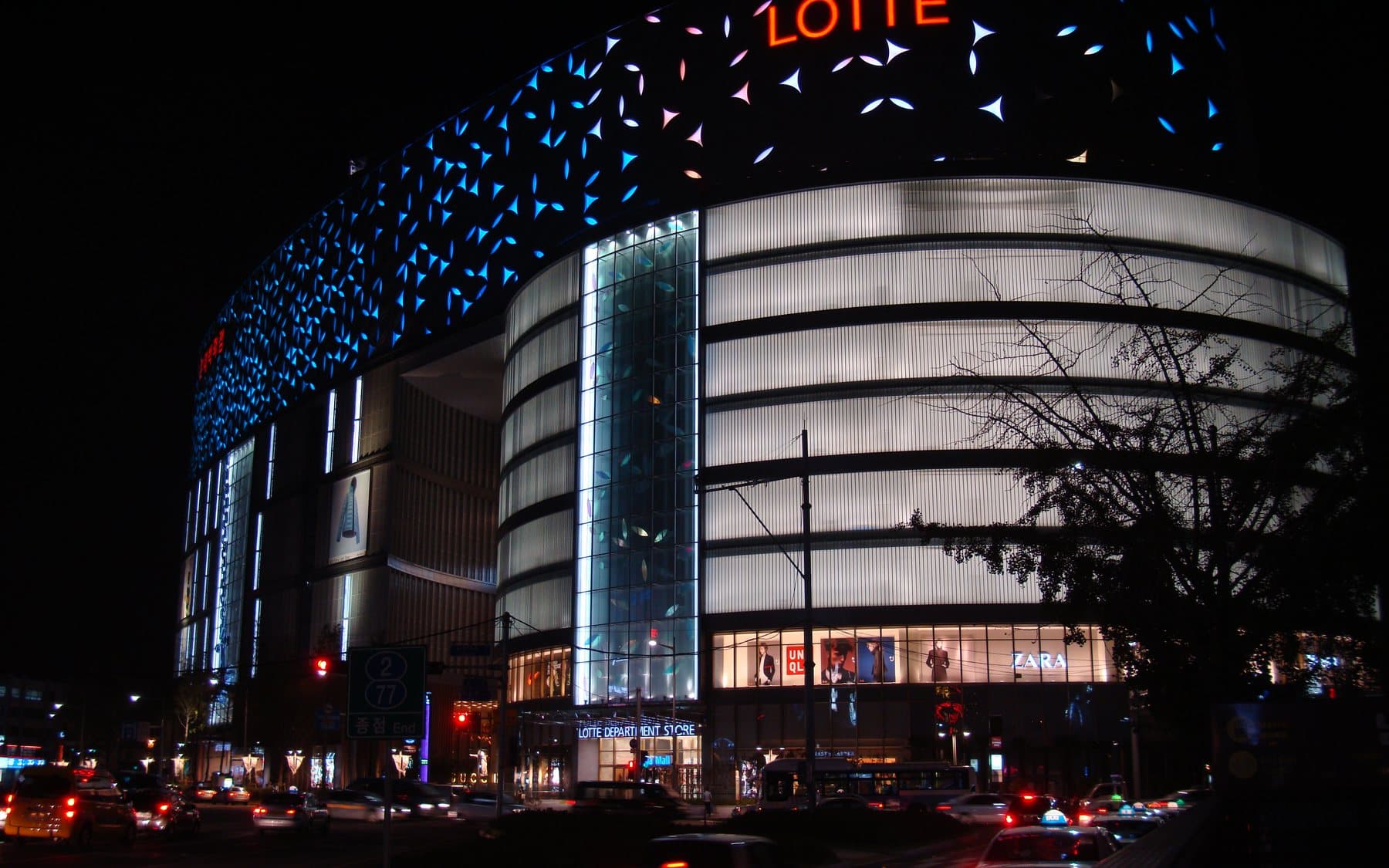
Korea’s Cards Grew More Than Twice as Fast
About 5.15 trillion won more moved through tourism cards than last year, roughly $3.9 billion. Online purchases are inside the total, and the average guest’s bill is not separated out.
5 min · Oct 23, 2026
Related global reads
Transpacific Bound
Oracle Scrapped the Tencent Chip Lease
Transpacific Bound
UN Tourism Cut This Year’s Arrival Forecast
Goldsea
Asia’s 8 most romantic places and the great love stories behind them
AsiaMS
K-beauty crosses the $2 billion mark as U.S. household adoption triples
Goldsea
Tuk tuks and Muay Thai: a Bangkok adventure