
Oracle Scrapped the Tencent Chip Lease
The Financial Times says a roughly $7 billion deal would have rented Tencent advanced AI chips through Southeast Asian data centers. The racks were abroad. Washington still reached the U.S. landlord.
A $7 billion lease, then nothing
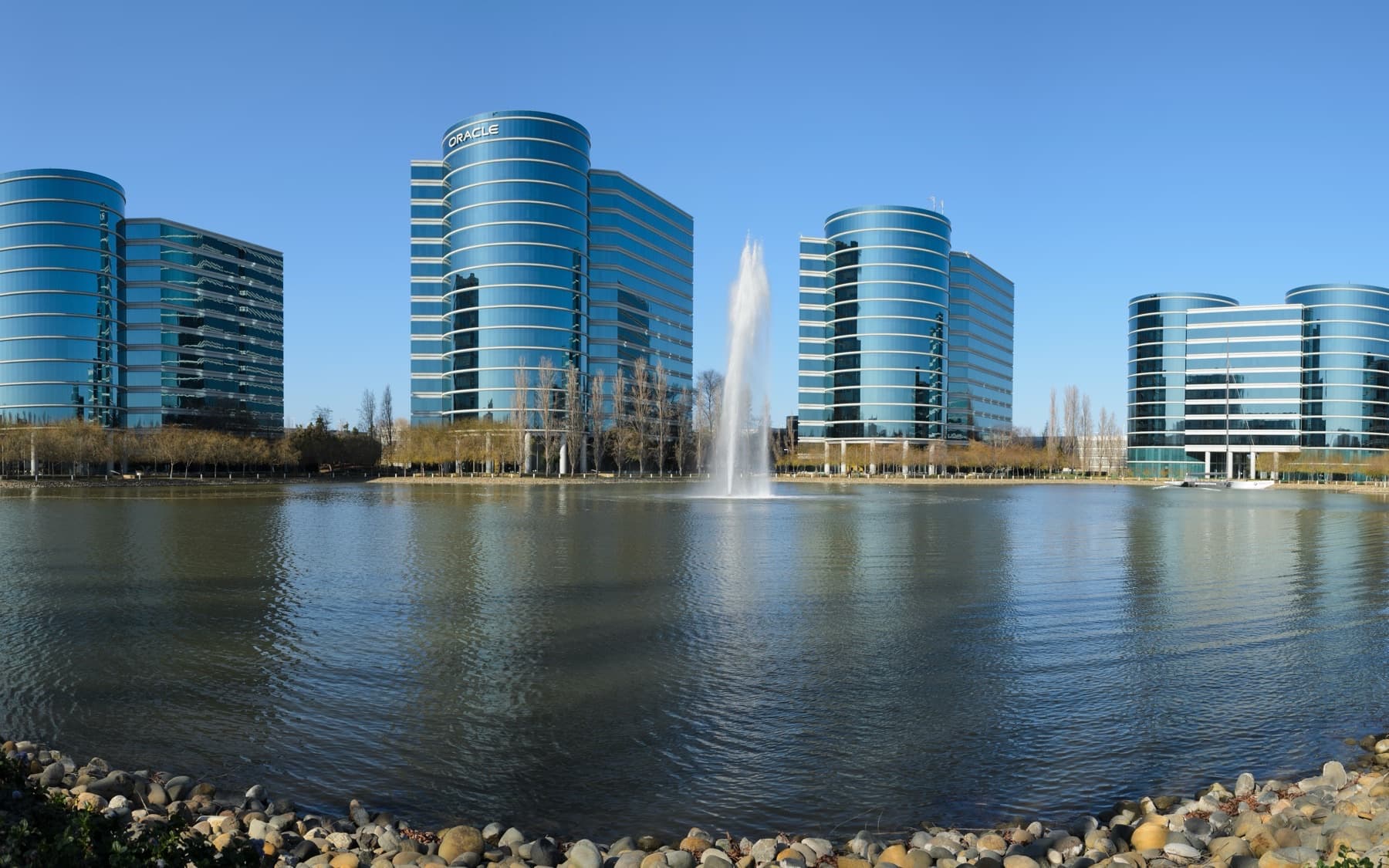
The Financial Times reported Wednesday that Oracle, the U.S. cloud and software company, has canceled a roughly $7 billion chip-leasing contract with Tencent, the Chinese internet group behind WeChat. According to the paper, citing people familiar with the matter, the five-year deal, signed earlier this year, would have given Tencent access to as many as 100,000 advanced artificial-intelligence chips hosted in Oracle data centers across Southeast Asia.
Reuters, carrying the FT account, said it could not independently verify the report. Oracle, Tencent, and the White House did not respond to Reuters requests for comment. Treat the cancellation as FT reporting until either company confirms it.
The structure was geographic on purpose. U.S. and Chinese curbs have limited which advanced AI chips can sit inside China. Renting them through a U.S. cloud company’s Southeast Asian sites was meant to keep the hardware outside the mainland while still feeding Tencent’s AI work. Washington still got to the contract.
Why Southeast Asia did not close the case
Export controls bite the chip and the American firm that moves it. A rack in Malaysia or Singapore is still a commercial product sold by a U.S. landlord to a major Chinese buyer. The FT says U.S. officials approached Oracle to raise concerns about the Tencent deal. Wire accounts of the same reporting call that Trump-administration pressure. Those accounts also say overseas AI-chip leasing remains permitted under existing rules. This contract died from political lean, without a fresh statute that banned Southeast Asian rental.
Beijing’s side of the squeeze showed up too. The FT reported that top officials in Guangdong, where Tencent is based, visited the company and asked it to support domestic Chinese chips. A deal built to route around one capital’s rules still had to answer both capitals.
The chips can sit in Malaysia. The lease still runs through an American landlord.
What the cancellation leaves open
The FT also reported this week that Nvidia has told cloud-computing clients they must sell at least 51 percent of capacity to non-Chinese companies. That instruction, if it sticks, tightens the same corridor Oracle and Tencent were trying to use. Alone, it does not explain Oracle’s move. It does show how informal guidance is shaping who gets to rent U.S. AI silicon.
Oracle is not exiting Chinese cloud customers wholesale in the reporting. The FT and wire accounts still describe the company as a major supplier to ByteDance in Asia, including data centers in Malaysia. ByteDance’s separate TikTok-related politics are a different file. The Tencent lease lesson is narrower: parking the boxes in Southeast Asia left the deal exposed when the supplier is American and the tenant is a Chinese tech giant Washington already watches.
For companies still shopping “neutral” Asian capacity as a workaround, Wednesday’s report is the caution. Map the nationality of the cloud landlord and the end customer before you map the city on the data-center brochure. The canceled Oracle–Tencent lease is what happens when those two names still set off Washington, even if the power bill is paid in Southeast Asia.
Related stories
Apple’s Memory Bill Just Hit the Holiday Guide
Apple can absorb some of the AI memory boom in its margin. Shoppers already paid higher stickers. More may follow.
6 min · Nov 3, 2026
AI Cargo Just Got a Weekly Freighter Loop
Chips and critical servers fly. Steel and transformers usually do not. The new loop is built for the first pile.
6 min · Nov 3, 2026
SK hynix Stopped Reviewing a Solidigm Listing
There is no Solidigm share to buy. The parent in Seoul still has a factory to pay for.
5 min · Oct 24, 2026
HBM4 Leaves the MOU Stage This Month
Hot Chips confirmed 12-layer HBM4 mass production. Company guidance points to a second-half volume push. KB Securities says Samsung and SK inventories are below ten days. Here is what that means for the Korea–Bay Area corridor.
6 min · Sep 9, 2026