
The U.S. and China Held Their First Board of Trade Meeting. What Can Importers Act On?
The first official session landed Friday. The September “30-for-30” product lists are already public. What still isn’t: new rates and effective dates. Here is what a small importer can do before those notices appear.
What Friday confirmed
The Office of the U.S. Trade Representative said Friday that it held the first official U.S.–China Board of Trade meeting with Chinese counterparts, with the U.S. Treasury joining. Reuters and South China Morning Post carried the same short statement. The administration said it wants to keep talking as it works toward “fair and balanced trade” between the two largest economies.
That is real progress on process. Trump and Xi agreed to form the Board in Beijing in May. Until Friday, it existed mostly as paperwork and September product lists. Now the principals’ channel has held a formal session.
Friday’s public U.S. note still left the money questions alone. No new product list. No published rate schedule. No effective date for lower duties. If you clear Chinese-origin goods, you are still on the rates CBP assesses today.
What September already settled
The documents importers can actually use came out on September 27. The White House posted the Board’s working procedures, the terms of reference for the “30-for-30” framework, and two product lists the principals had approved. U.S. Trade Representative Jamieson Greer and Treasury Secretary Scott Bessent oversee the Board for Washington. China’s side is led by Vice Premier He Lifeng, who runs Beijing’s economic talks with the United States.
The bargain is reciprocal and roughly matched on value: about $30 billion of imports on each side, measured against 2024 bilateral trade, recommended for reduced tariff treatment. In his September statement, Greer said the U.S. export side covers about 30 percent of American goods sold to China. The U.S. import list leans toward household goods and toys that American shelves already take from China.
China’s Ministry of Commerce is still treating the next step as unfinished business. Spokesperson He Yadong said this week that the two sides remain in close communication on putting the arrangement into effect. Under the deal they have described, more than 90 percent of the covered products are meant to drop additional tariffs and move to most-favored-nation treatment after each government finishes its domestic legal steps.
Read the White House language carefully. The governments “will consider” the lists “with a view toward” reduced tariff treatment, “consistent with their respective domestic laws and processes.” The terms of reference put the same condition on future cuts. Deputies are supposed to meet at least quarterly, watch the covered trade, and may propose list changes no more than once a year. An agricultural working group under the Board, co-led by China’s Ministry of Commerce and USTR, is scheduled to meet for the first time before the end of 2026. A line on a September PDF still does not change what you owe on an entry filed this week.
How to read the U.S. import list
For Chinese-origin consumer goods into the United States, open the White House “U.S. Import List.” It covers 77 Harmonized Tariff Schedule of the United States lines. The goods look like a retailer’s inbound spreadsheet: fireworks, plastic tableware, bed and table linens, electric blankets, microwave ovens, coffee and tea makers, toasters, Christmas-tree lamps, sporting and fishing gear, vacuum flasks, plus child products and toys.
Eight lines are marked Ex-Out. That means only the merchandise described in the list’s product text is covered, not every article that can sit in the eight-digit heading. Highchairs, booster seats, child safety seats, and play yards fall in that group. So does toys under 9503.00.00. Braumiller Law Group’s read of that entry, matching the list text, leaves out toys enabled with radio frequency, Wi-Fi, Ethernet, or Bluetooth. A connected toy needs a closer look before anyone parks it in the covered bucket.
China published a much longer counterpart list, about 1,619 lines, heavy on U.S. agricultural and food products, coal, cosmetics, wood, and medical devices. That file matters more if you sell into China. If you import into the United States, stay with the 77-line sheet and its Ex-Out column.
What a small importer should do now
Pull your Chinese-origin SKUs against those 77 lines with the Ex-Out descriptions open. If a match is fuzzy, ask your customs broker or counsel for a written classification before you change a landed-cost model or a customer quote.
Keep paying the duties that apply today. Being on the September list is not authority to claim a new rate in ACE.
Then watch for the implementing move in three places: the Federal Register, amendments to HTSUS Chapter 99, and Customs and Border Protection’s Cargo Systems Messaging Service. When something posts, write down the treatment or rate, the effective date, which duty layers it reaches, and any entry or protest instructions, including whether relief can run backward.
Keep entry packets for goods that sit on the list. If later guidance allows refunds or corrected entries, you will want that paper nearby.
If farm or food products are part of your book in either direction, mark the agricultural working group’s first meeting as well. Beijing and Washington have already said they want that session before year-end.
Talk to the broker before you rewrite quotes. Getting the classification right now beats a scramble the week a Chapter 99 line drops.
The next checkpoint that matters
Trump and Xi are due in Shenzhen next week, so Friday’s Board session will get folded into that summit coverage. For anyone pricing a container, the useful next date is quieter. Watch for an implementing notice that names a rate and an effective date, issued through each side’s domestic process.
Until that notice appears, the work is the list, the Ex-Outs, and those three government feeds. The Board has met. Your duty rate is still whatever CBP assesses on the entry in front of you.
Related stories
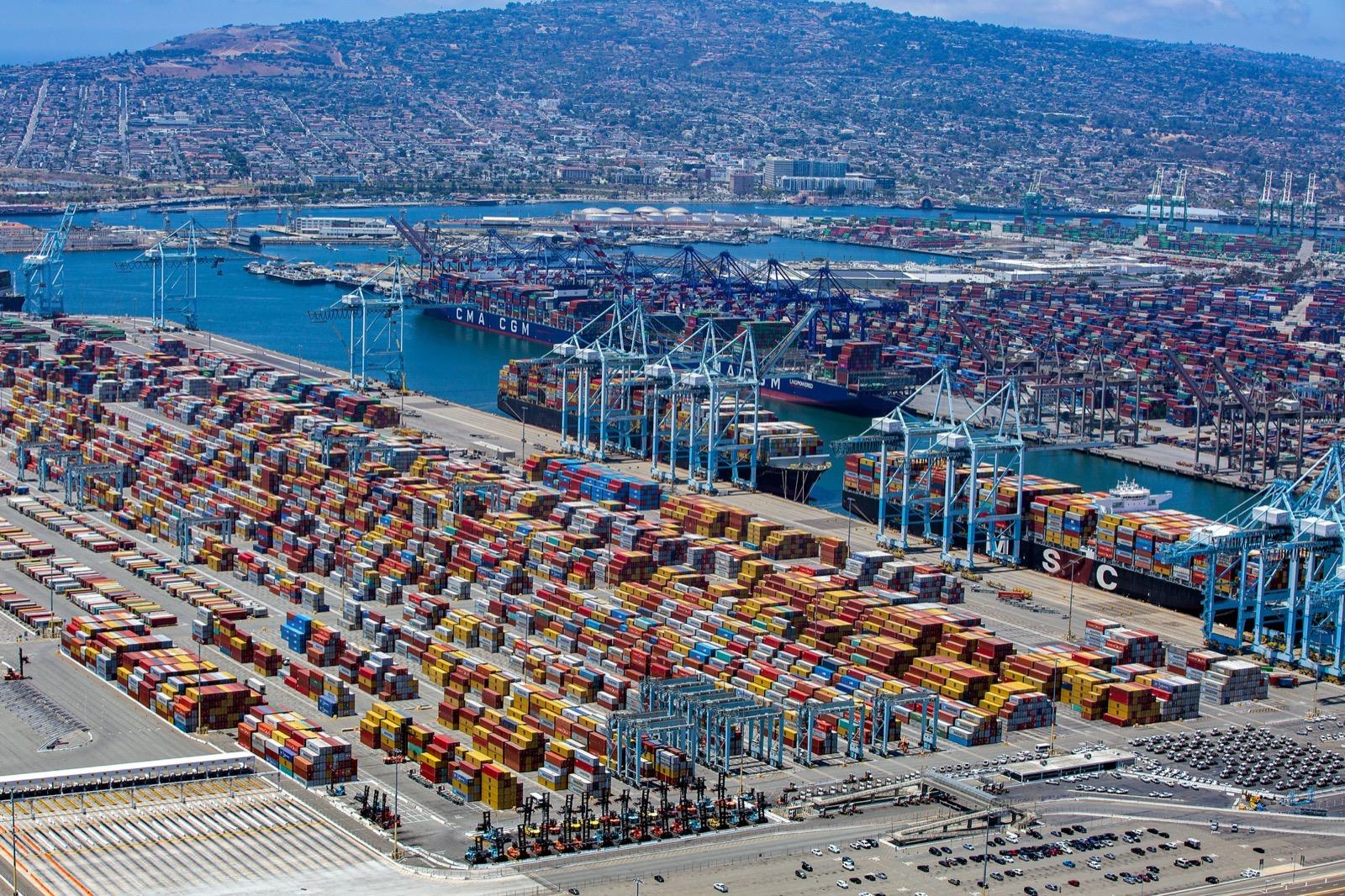
Import Volumes Are Easing. Do Small Shippers Get Any Rate Leverage?
Volume is coming off the peak. Two forwarder quotes for the same Asia–West Coast box still split on scope and fine print.
7 min · Nov 11, 2026

Canada’s Indonesia Trade Deal Starts Dec. 1. What to Check Before You Quote
Walk one Canadian product through Indonesia’s tariff schedule, origin rules, and importer handoff, then price a sample container with the assumptions written out.
8 min · Nov 11, 2026

The U.S.–China Trade Agreement Still Has a Rare-Earth Delivery Problem
Greer and Bessent pressed Beijing on Friday over rare earths and other critical minerals. A license on paper still has to become a tonne on the dock.
7 min · Nov 8, 2026
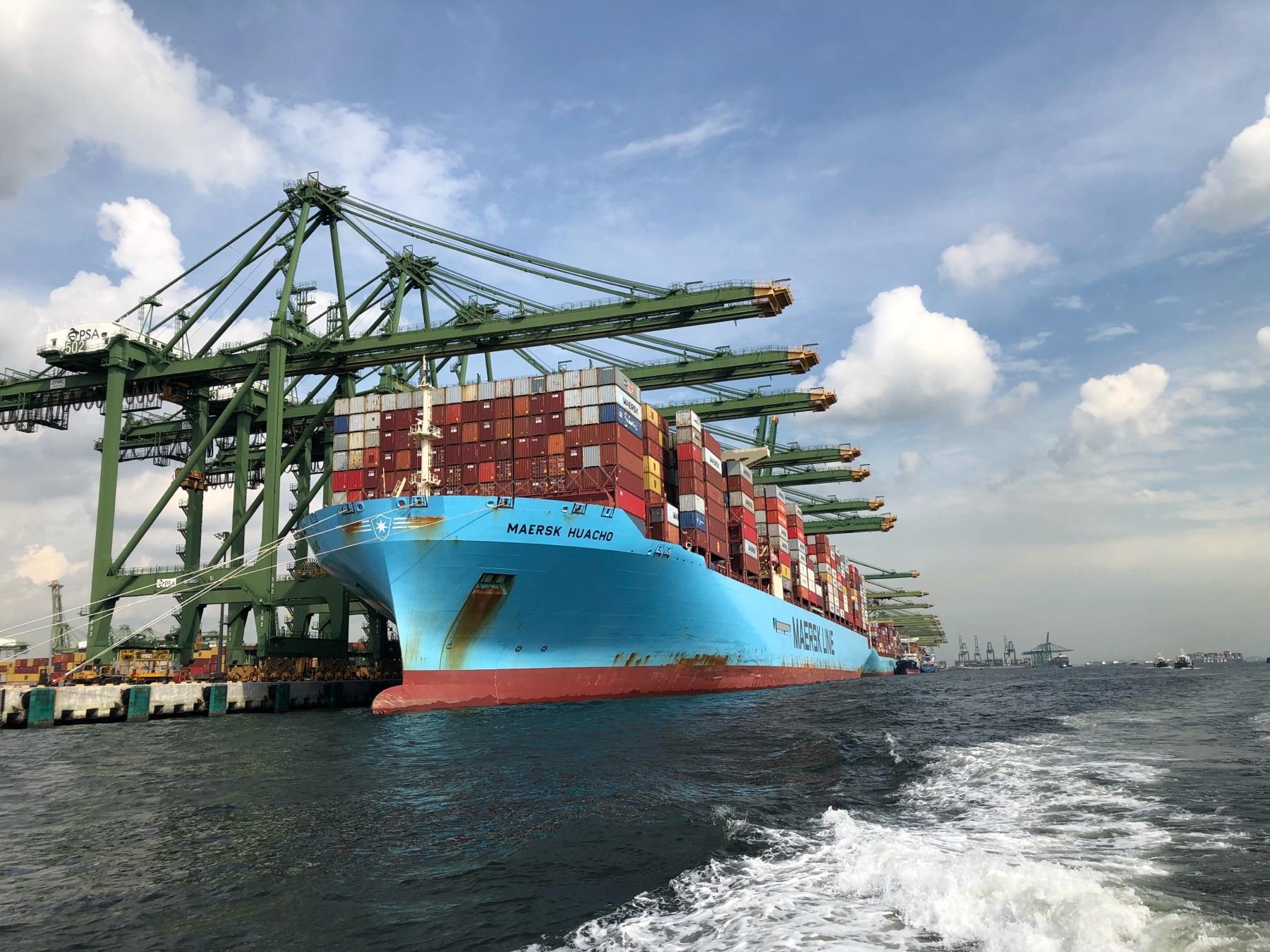
Your Lunar New Year Shipping Calendar Starts Before Christmas
Lunar New Year is February 6, 2027, eleven days earlier than last year. Maersk’s November 6 note is your cue to lock factory dates and sailings before Christmas.
7 min · Nov 8, 2026