
Import Volumes Are Easing. Do Small Shippers Get Any Rate Leverage?
NRF’s Nov. 9 Global Port Tracker says U.S. inbound boxes taper after a long peak. Shanghai–Los Angeles 40-high-cube quotes from CSL Globe and Warp, pulled for the same mid-November week, show where base freight, surcharges, free time, and inland delivery still diverge.
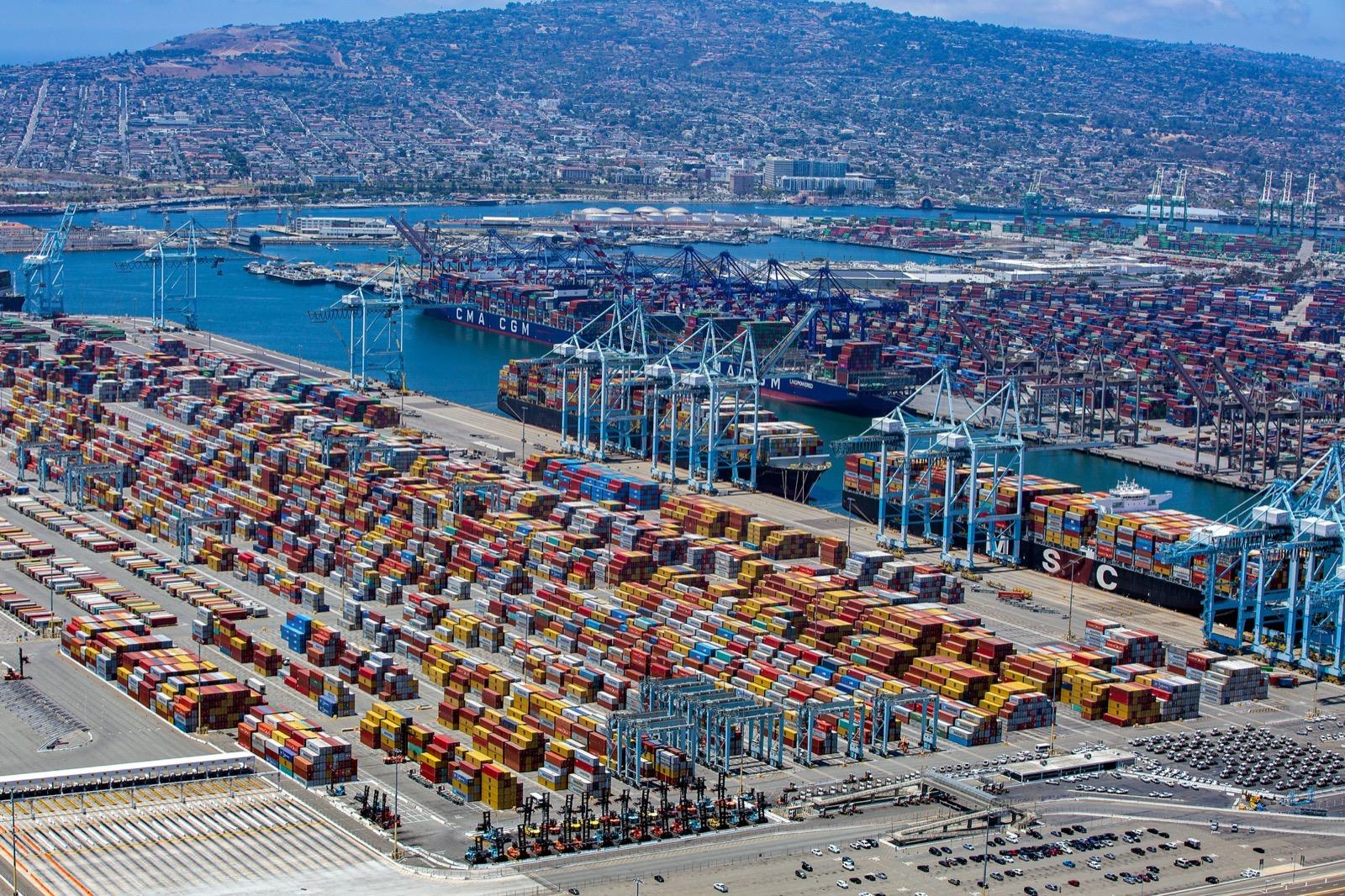
What the Nov. 9 tracker actually said
On November 9, the National Retail Federation and Hackett Associates released their Global Port Tracker with the line small importers have been waiting for. After a longer-than-usual peak, U.S. inbound container volume is expected to taper for the rest of the year.
September still set the high-water mark. Covered ports handled 2.37 million twenty-foot equivalent units of loaded imports, up 3.4 percent from August and 12.6 percent from a year earlier. That was the busiest month of 2026 and the third-busiest month in the tracker’s history. October is projected at 2.26 million TEU. The forecast then steps down: 2.05 million in November, 2.03 million in December. Full-year 2026 would land around 26 million TEU, up about 2 percent from 2025.
Jonathan Gold, NRF’s vice president for supply chain and customs policy, said volumes stayed high even as the season winds down, and that West Coast cargo has sat waiting for rail cars. Most holiday merchandise, he added, is already here. Ben Hackett, founder of Hackett Associates, tied the long peak to a second-quarter tariff surge that restarted front-loading after an early-year pause.
The TEU curve is easing. That does not write your freight rate.
Why volume easing is not automatic leverage
Spot indices have only edged lower. Freightos’ Asia-to-U.S. West Coast reading was about $8,245 per forty-foot equivalent as of November 10, down 1 percent week over week, according to Supply Chain Dive. Drewry’s Shanghai–Los Angeles World Container Index sat at $7,539 per 40-foot box on November 5, flat on the week. Both remain more than double where they sat a year ago.
The docks have not gone quiet either. Gold flagged rail-transfer backups. The Pacific Merchant Shipping Association put September truck dwell at Los Angeles and Long Beach at 3.18 days and rail dwell at 7.19 days. Watchmen in ILWU Local 26 have been working under short contract extensions at San Pedro Bay terminals, most recently through November 20, with no long-term deal since the prior contract expired in July 2025.
For a shipper booking one or two boxes, leverage lives in a written quote. What sits in the ocean line? What sits outside it? How many free days do you get at the terminal? Is inland delivery priced, or left for later? We put that checklist against the same lane and the same mid-November window.
What two forwarders quoted the same week
The test box is a single 40-foot high cube from Shanghai to Los Angeles, general cargo, sailing week centered on mid-November 2026. Two public forwarder tools answered that brief on or through November 11.
CSL Globe’s Shanghai–Los Angeles calculator, price sheet dated November 11 and valid through December 1, listed a 40HQ at $5,700 port-to-port with an estimated departure of November 16, plus another listing for November 26. Carrier allocation was “to be confirmed,” with OA and CMA among the named options. The calculator itself says additional surcharges remain payable at booking, and that terminal handling, documentation, and destination charges are included only when the result lists them. Free time and inland delivery do not appear on the listing.
Warp’s import page, with live captures published through November 11, showed the same Shanghai–Los Angeles 40-high-cube move at $8,507 to $9,229 all-in, with about 18 days of door transit depending on tier. Inside that total, Warp itemized $7,423 as ocean freight, $117 for Shanghai FOB handling, origin processing, and VAT, and $503 at Los Angeles for import service, chassis, and container prepull. Door tiers can take the box further on Warp’s U.S. network. Free days still are not printed on the capture.
Line the sheets up and the first difference is scope. CSL’s $5,700 stops at the terminal, with extras still open. Warp’s $8,500-plus band already folds in origin and destination service lines, and it can price to a door. Call both numbers all-in before you treat the gap as savings.
| Line | CSL Globe (Nov. 11 listing) | Warp (captured through Nov. 11) |
|---|---|---|
| Scope | Port-to-port | Port or full door by tier · ~18 days door transit |
| Ocean / all-in freight | USD 5,700 listed for 40HQ | USD 7,423 ocean line · USD 8,507–9,229 all-in range |
| Sailing week | ETD Nov. 16 (also lists Nov. 26) | Contemporaneous mid-November capture; vessel named at booking |
| Origin charges | Additional surcharges payable at booking; not itemized on the listing | USD 117 FOB handling, origin processing, VAT |
| Destination / inland | Not included | USD 503 import service, chassis, container prepull; door tiers add US delivery |
| Free time | Not stated | Not stated · ask once the vessel and terminal are assigned |
CSL Globe Shanghai–Los Angeles FCL calculator, price sheet dated Nov. 11, 2026, valid through Dec. 1. Warp import-freight live captures published through Nov. 11, 2026. Market context: Freightos Asia–West Coast spot about USD 8,245/FEU as of Nov. 10; Drewry Shanghai–Los Angeles about USD 7,539/40ft as of Nov. 5. Quotes move with space; confirm in writing before you book.
Base rate, surcharges, free time, inland
The ocean line gets the attention and leaves the most out. CSL’s published figure is $5,700. Warp’s ocean line is $7,423. Freightos’ West Coast spot and Drewry’s Shanghai–Los Angeles index sit between or above those ocean figures. A listing can undercut the index when space is open, or look cheap because the rest of the bill shows up later.
Surcharges are where the methods split. CSL warns that extras are due at booking and does not break them out on the public 40HQ card. Warp puts origin and Los Angeles service dollars on the page. Ask both for a one-page itemization: bunker or emergency fuel, any peak-season or general rate increase still in force, origin and destination terminal handling, documentation, chassis, and pre-pull. If a line is missing, budget to meet it at the pier.
Free time is the quiet risk on both quotes. Neither tool stated demurrage-free days for this sailing. Los Angeles inbound container free time is commonly four working days under port and terminal schedules, and carrier tariffs can add their own detention clocks once the box leaves the terminal. With rail dwell still elevated on the recent Pacific Merchant Shipping Association readings, those four days can burn while a container waits for a train. Get the free-time count, whether the calendar uses working days or calendar days, and the per-diem ladder in the booking confirmation.
Inland delivery is the other split. CSL’s listing ends at Los Angeles. A warehouse in the Inland Empire or a cross-dock near the harbor needs a separate drayage price, and that truck still burns free time. Warp’s higher total can already include chassis and pre-pull, with door tiers for final delivery. If the real destination is a ZIP code, make both forwarders price to that door on the same sailing week. The cheaper ocean line often loses once the truck is on the sheet.
How to use this beside the shipping calendar
Maersk’s November 6 Asia Pacific update still works as a calendar through Lunar New Year on February 6, 2027: factory close dates in writing, cutoffs counted backward, stock sized for a slow February reopen. This pricing check belongs next to that calendar. Volume is easing into year-end on the NRF forecast. Spot rates have only nudged down. Blank sailings and factory shutdowns are still stacked into December and January.
For the next booking, run the same sheet twice. Same equipment, same origin and destination, same sailing week, same Incoterm. Ask for an itemized ocean line, named surcharges, free time, and inland to the door. If one forwarder is $2,000 cheaper and silent on free days and drayage, treat the gap as unfinished work.
Your leverage is the quote that still holds after the box clears the gate.
Related stories
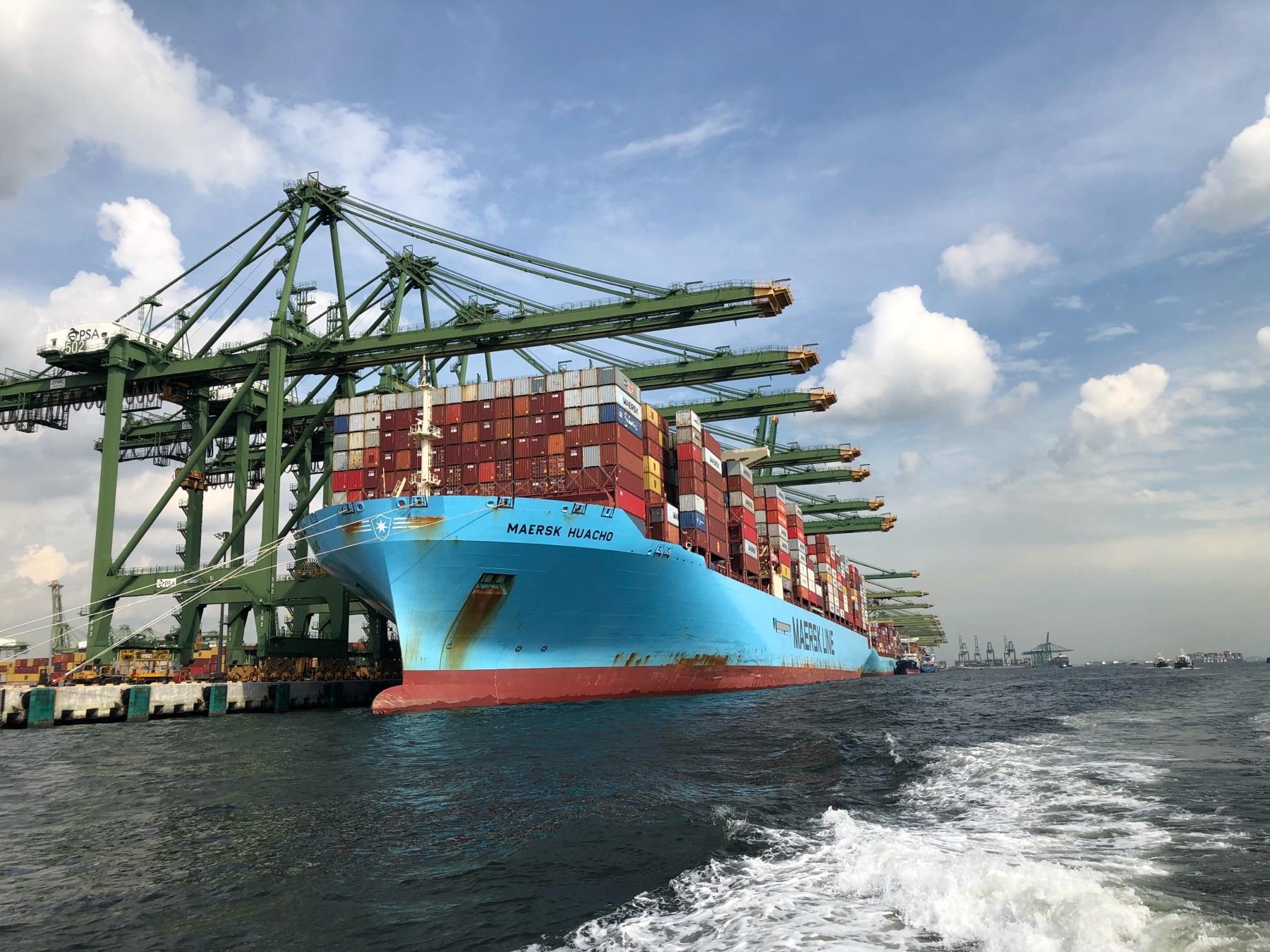
Your Lunar New Year Shipping Calendar Starts Before Christmas
Lunar New Year is February 6, 2027, eleven days earlier than last year. Maersk’s November 6 note is your cue to lock factory dates and sailings before Christmas.
7 min · Nov 8, 2026

Canada’s Indonesia Trade Deal Starts Dec. 1. What to Check Before You Quote
Walk one Canadian product through Indonesia’s tariff schedule, origin rules, and importer handoff, then price a sample container with the assumptions written out.
8 min · Nov 11, 2026
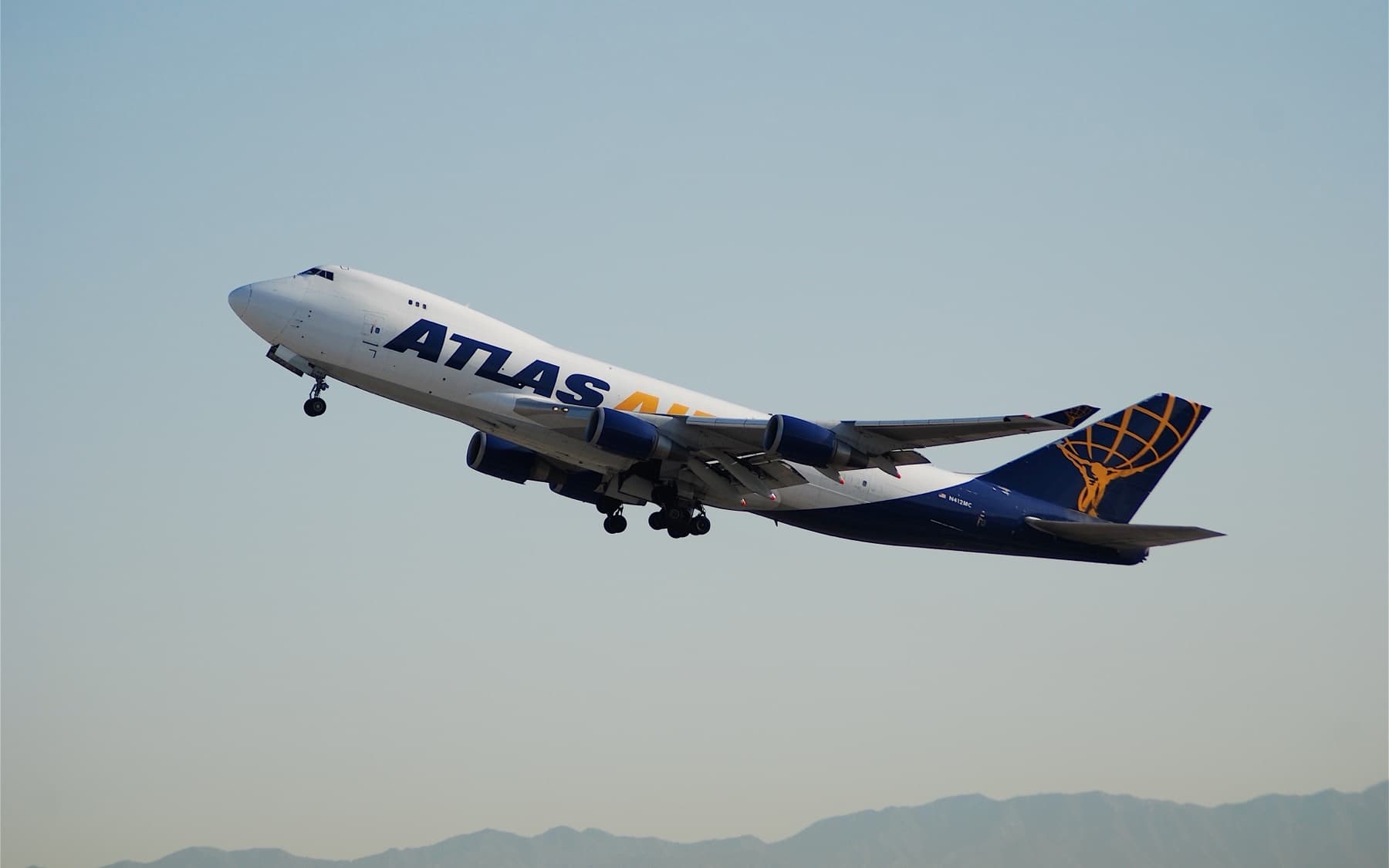
AI Cargo Just Got a Weekly Freighter Loop
Chips and critical servers fly. Steel and transformers usually do not. The new loop is built for the first pile.
6 min · Nov 3, 2026
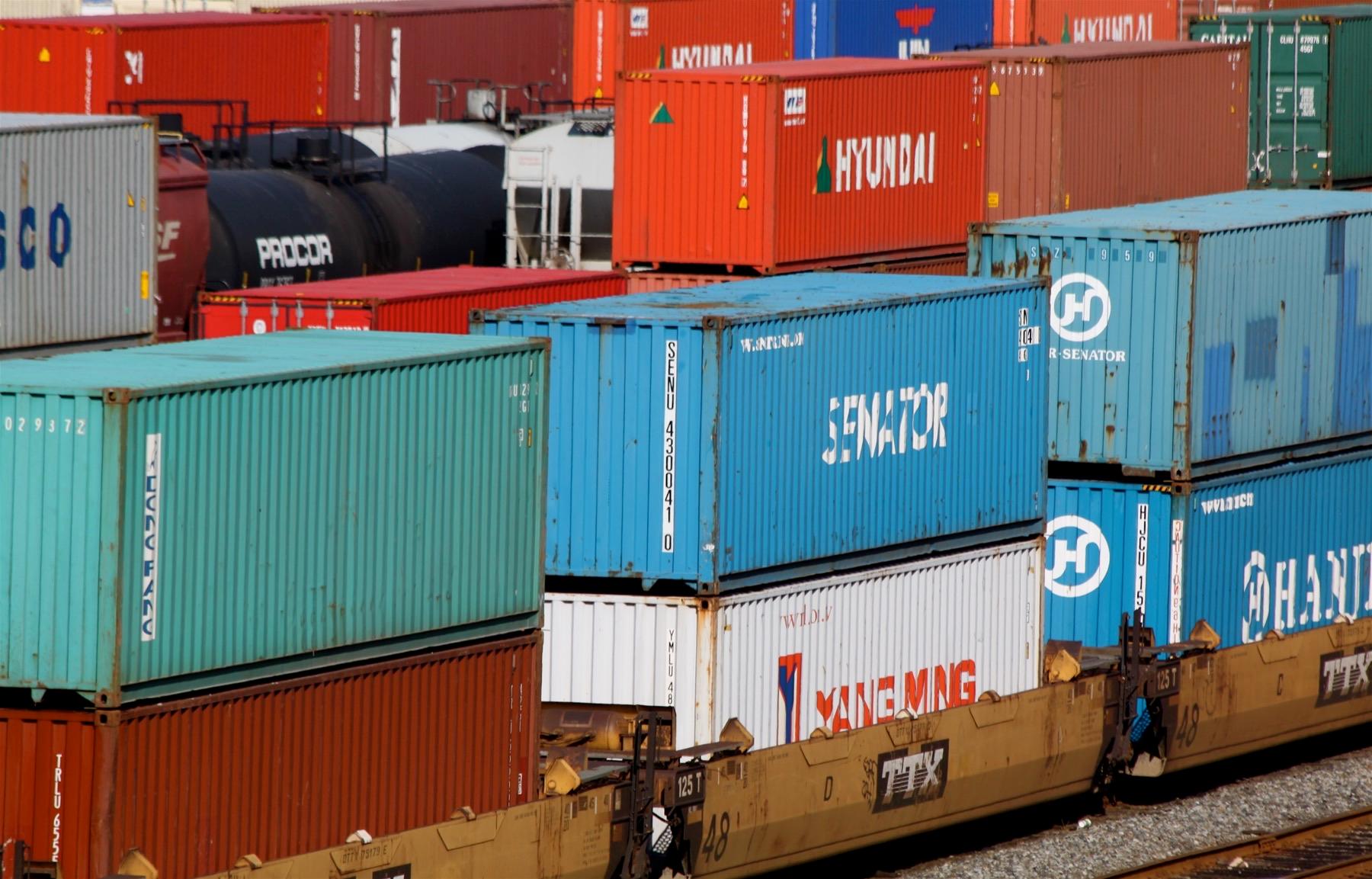
What Citi and IFC’s $2 Billion Trade-Finance Facility Actually Finances
IFC and Citi set up an up-to-$2 billion risk-sharing facility so more importers and exporters can bridge the wait between paying suppliers and getting paid. You reach it through a Citi credit conversation.
6 min · Nov 10, 2026
Related global reads
Transpacific Bound
Your Lunar New Year Shipping Calendar Starts Before Christmas
Transpacific Bound
Canada’s Indonesia Trade Deal Starts Dec. 1. What to Check Before You Quote
At the Banquet
The Banquet guide to Singapore
At the Banquet
What a decade of Michelin Singapore actually measures
My Gold Scene
Los Angeles city guide