
Your Lunar New Year Shipping Calendar Starts Before Christmas
Maersk’s November 6 Asia Pacific update runs from Singles Day to February 6 Lunar New Year. Smaller importers can turn it into a working calendar: factory dates in writing, cargo cutoffs counted backward, and enough stock for a slow February reopen.
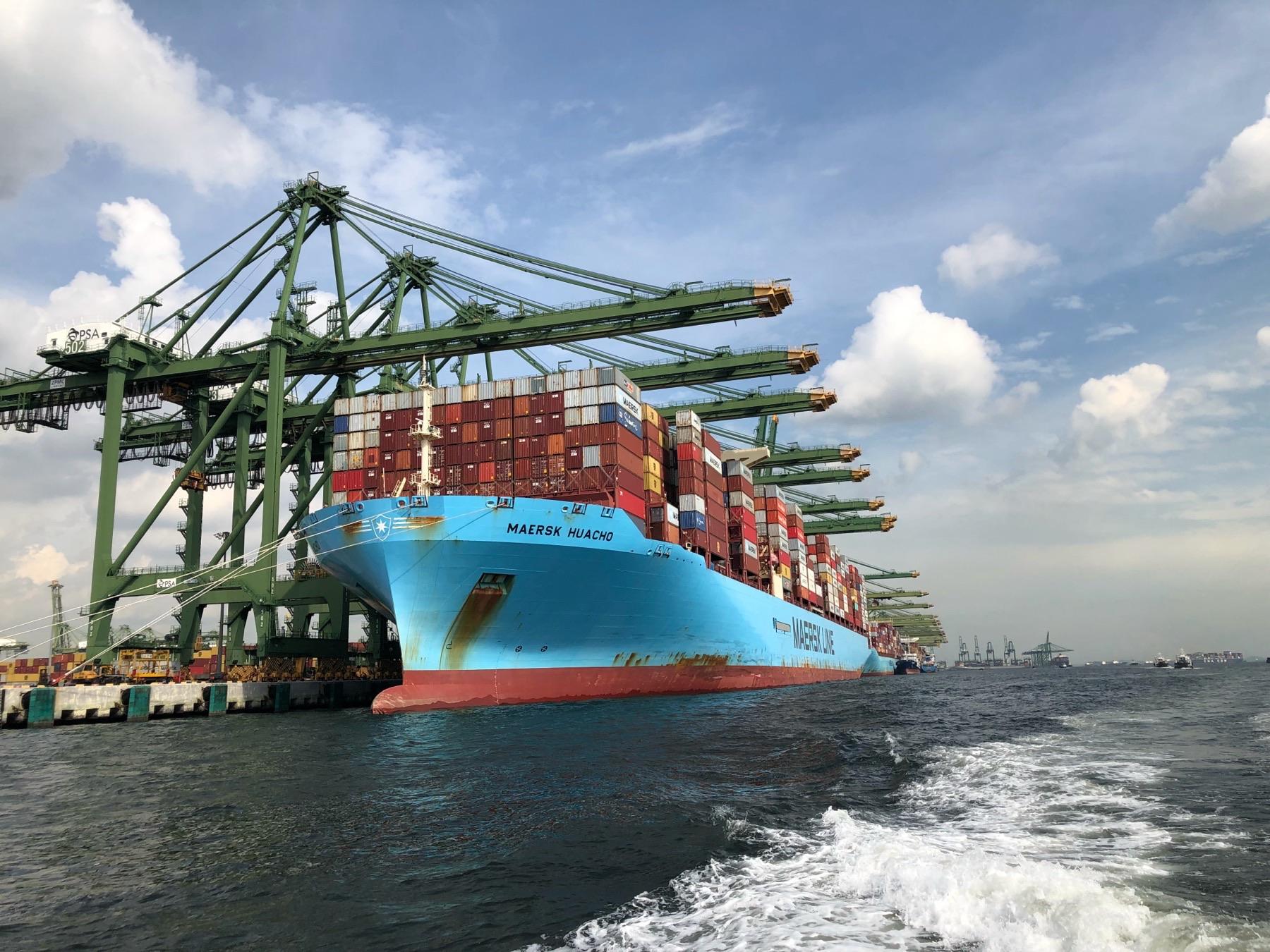
What November 6 actually handed importers
If you buy from China without a logistics department, Maersk’s November 6 Asia Pacific update looks like another carrier newsletter. Skip the Gemini routing notes for a minute. The useful page is the air-freight peak calendar that starts at China’s Singles Day on November 11 and ends at Chinese New Year—Lunar New Year, in most diaspora households—on February 6, 2027.
That date moved. Last year the festival fell on February 17. Eleven days earlier means factories close sooner, trucking slots tighten sooner, and the “I’ll book in January” habit runs into a closed gate. Maersk’s inland section says as much: the early holiday shortens the window for production, pickup, and the drive to the terminal. The same day’s North America update warns Transpacific shippers that December demand should rise ahead of Lunar New Year 2027, and that bookings should be locked early.
Iris Yan Jing Fu, who leads customer communications for Maersk in Asia Pacific, put her name on the note. Treat it as a public shopping list for your December purchase orders.
From Singles Day to a quiet factory floor
Maersk wrote the table for air cargo. The same weeks still govern a container, or a few pallets, leaving Asia before lines go dark.
Singles Day on November 11 can nudge short replenishment if a hot item is already thin on your shelf—confirm space only if you actually need that fill. Black Friday and Cyber Monday, November 27–30, stack retail restocks on top of tech and industrial freight that never really left. If your forwarder has not seen a forecast from you yet, this is the week. December is uglier in a useful way: destination delivery deadlines, customs, and the truck that pulls the box off the dock. Christmas into New Year’s Day may slow a warehouse here or there; Maersk notes that Asia Pacific as a whole keeps moving.
The squeeze arrives after the gift wrap. Mid-to-late January, production and shipping usually race the shutdown. February 6 is the holiday. Mid-to-late February, Maersk says, production comes back in stages. Waiting to “ship after New Year” is how a small brand discovers an empty aisle in March.
Three supplier questions that beat a holiday memo
Maersk tells customers to confirm when suppliers close, and it points to guidance from Seko Logistics that downtime often outlasts the official holiday. Fair. A gazetted festival date will not tell you when your cartons stop leaving the loading bay.
Email each factory three questions and keep the replies. When is the last day you will ship my goods before the break? When is the last day you will still take an order and hit that ship date, given the queue you already have? When will the first post-holiday order ship if I place it now, or on the morning you reopen? “Back to normal soon” belongs in a chat. It does not belong on a reorder sheet.
Regional stories help only as a starting range. The Loadstar reported on October 28 that Seko’s China office had seen few formal 2027 holiday notices so far. Among northern plants Seko works with, one planning window ran about January 25 to February 15. Some regions ease off a week early and do not feel fully staffed until after the Lantern Festival on February 20. In the south, Seko said some operators may shut three weeks ahead and need roughly two weeks after the holiday to get back to full speed. Your vendor’s calendar still wins.
Count backward from the vessel
Carriers blank sailings around the holiday. Exporters rush freight out before the gates close. Those two habits make the weeks before Lunar New Year some of the busiest for China’s outbound boxes—and the easiest time for a late booking to miss the cut.
Seko’s China office told The Loadstar to reserve ocean space at least four weeks before shipment, with room left for finishing production, collecting cargo, and getting to the port. Dan Eckett, who leads client solutions for Seko in the UK and Ireland, would add another one to two weeks into transit plans, and lock the factory booking well before you are three weeks out. Maersk’s North America note rhymes for the Atlantic: plan three to four weeks ahead when you care about reliability.
For a small importer, the arithmetic is blunt. Start with the day you need the goods in your warehouse. Subtract inland transit, customs, and a delay cushion. Then subtract that sailing’s terminal cutoff—the day the full container must gate in, with paperwork and the verified gross mass filing carriers require before load. February 6 is a festival. That reverse calendar is the deadline that can empty your shelf.
Paul Lockwood, Seko’s managing director for the UK and Ireland, says some customers already moved. One raised purchase orders three weeks earlier than usual so it would not sit at the back of the production line. If your template still assumes a mid-February holiday, open it this month.
How much stock has to cover the quiet weeks
The last box that clears before the holiday has to do more work than the factory’s closed days. It has to cover mid-to-late February, when Maersk expects cargo-ready dates to slip and every delayed shipment to chase the same planes and vessels. For a lot of lines, that means a December or early-January arrival sized to carry you into March.
Air can save a hero SKU. It will not save a whole catalog at a sane margin. Asia Pacific air cargo was already busy—IATA put September activity up 8.6 percent year over year—and Maersk still sees semiconductors and high-value electronics feeding the peak. Book ocean in December when you can. Save air for the item you cannot be without.
Ports look better than they did after the typhoon weeks. Drewry’s November signals put average waiting at 1.4 days in October, down 16 percent from the month before. Ships still arrive unevenly. Put the cushion in the order quantity and the booking date.
Send the three factory questions this week. Get the cutoffs on a shared calendar before Christmas. February 6 will arrive either way. The only open question is whether your warehouse is ready when it does.
Related stories
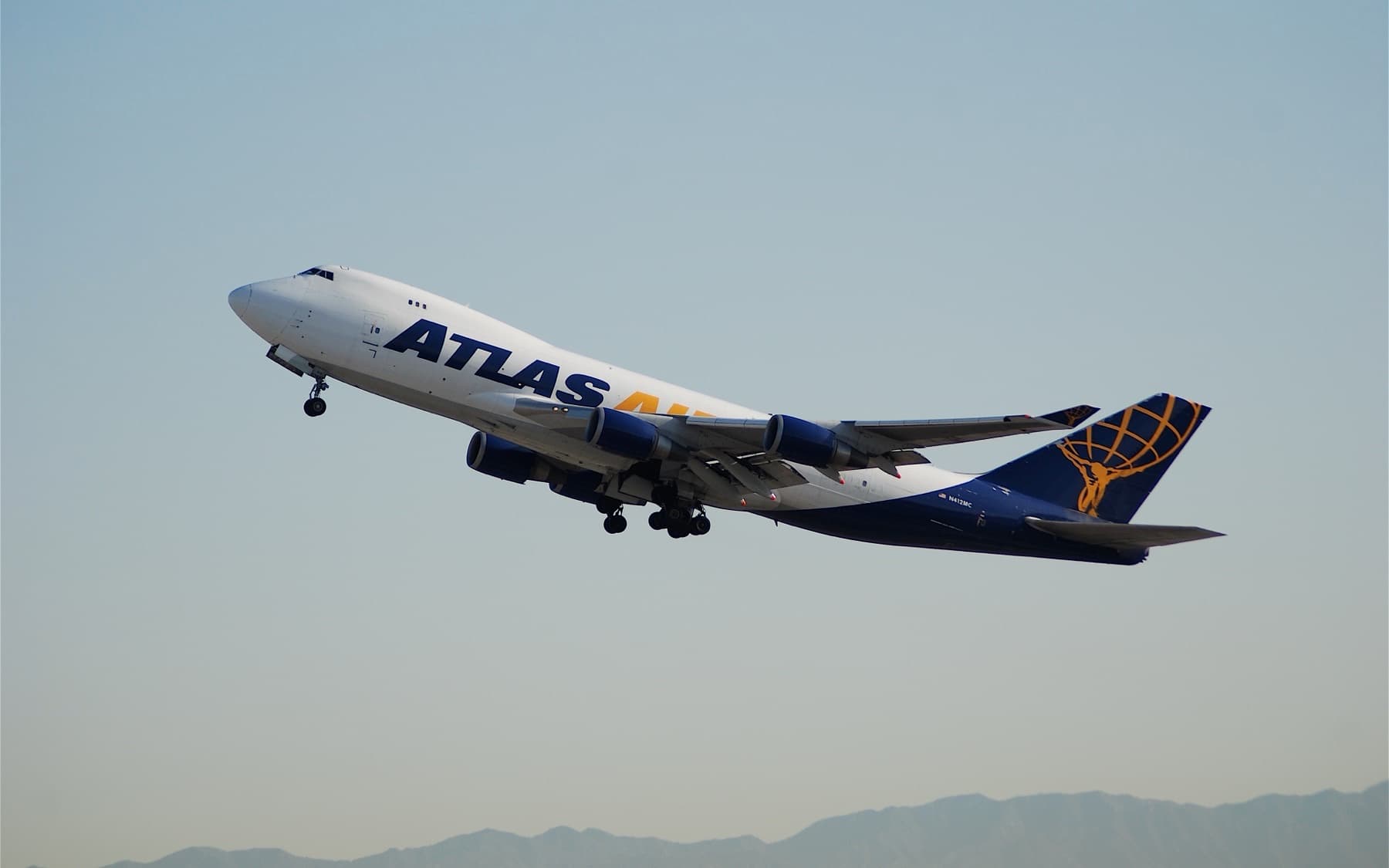
AI Cargo Just Got a Weekly Freighter Loop
Chips and critical servers fly. Steel and transformers usually do not. The new loop is built for the first pile.
6 min · Nov 3, 2026

AI Hardware Is Filling Transpacific Air Cargo to the Ceiling
Xeneta puts Asia–North America dynamic load factors at 90%. May Taiwan–U.S. rates hit $7.02 per kilo. Korean Air’s cargo yield jumped about 42% in the second quarter.
5 min · Jul 24, 2026
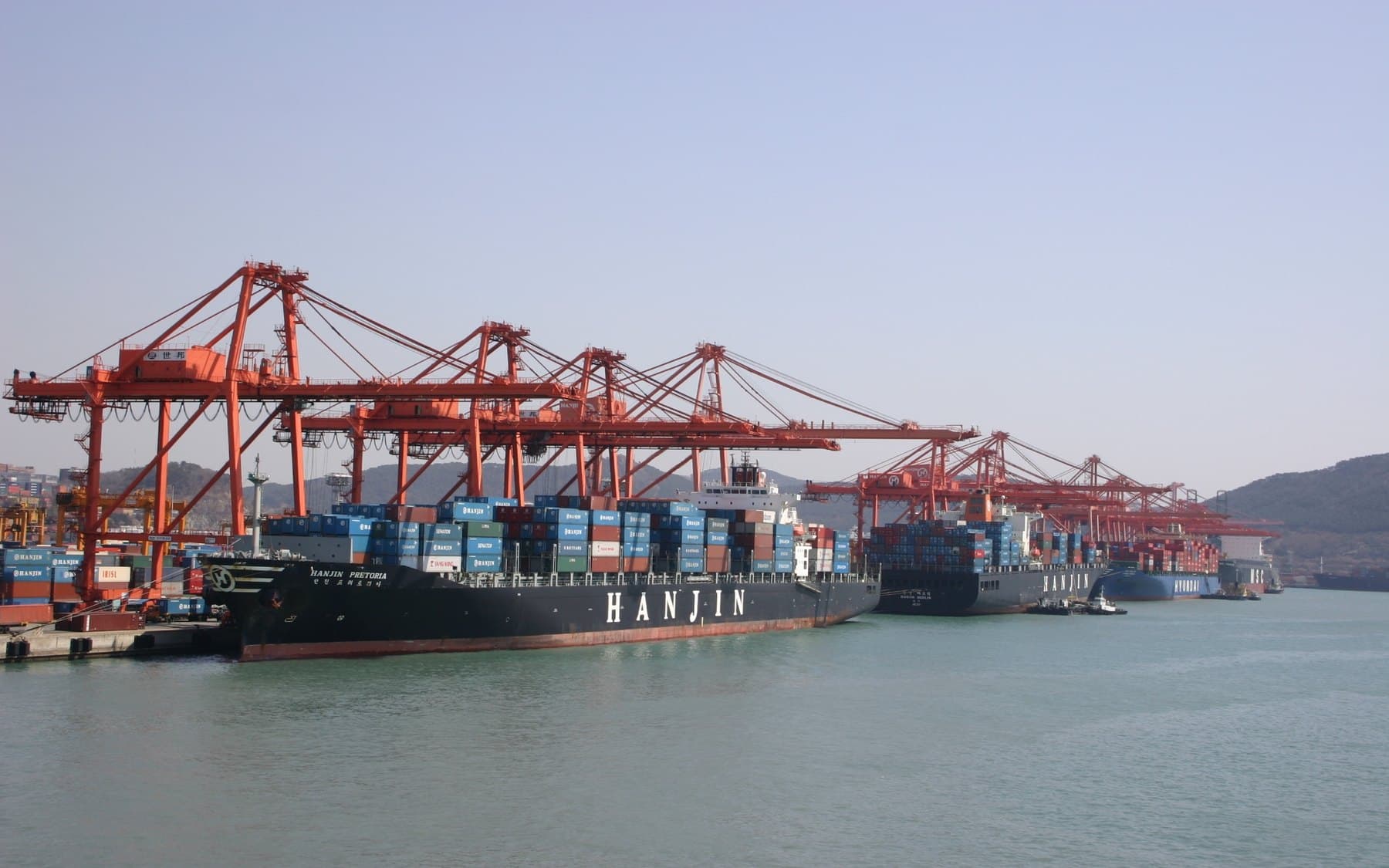
Asia’s Factories Are Not Moving Together
Korea had the softest chip-exporter reading. Indonesia booked export orders at a survey record.
6 min · Nov 2, 2026

Lunar New Year 2027 Falls on February 6. How Families Can Plan Transpacific Flights Now
The confirmed February 6 date gives diaspora families a planning anchor for routes, reunion dinner, documents, and fare monitoring.
6 min · Jul 16, 2026