

Busan
Coast first, markets second, Seoul optional
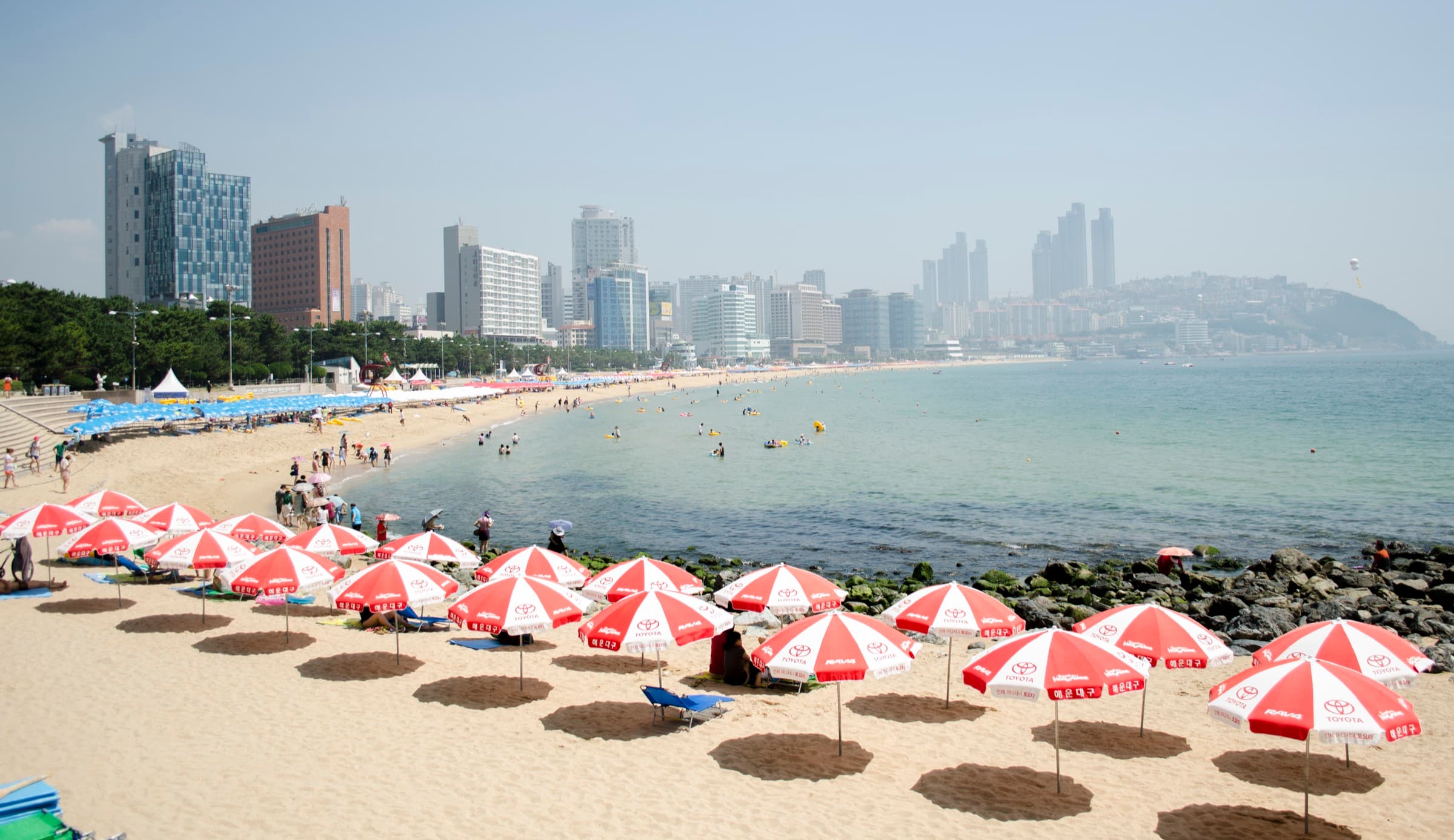
StephNurnberg / “Haeundae Beach in Busan” / resized from original
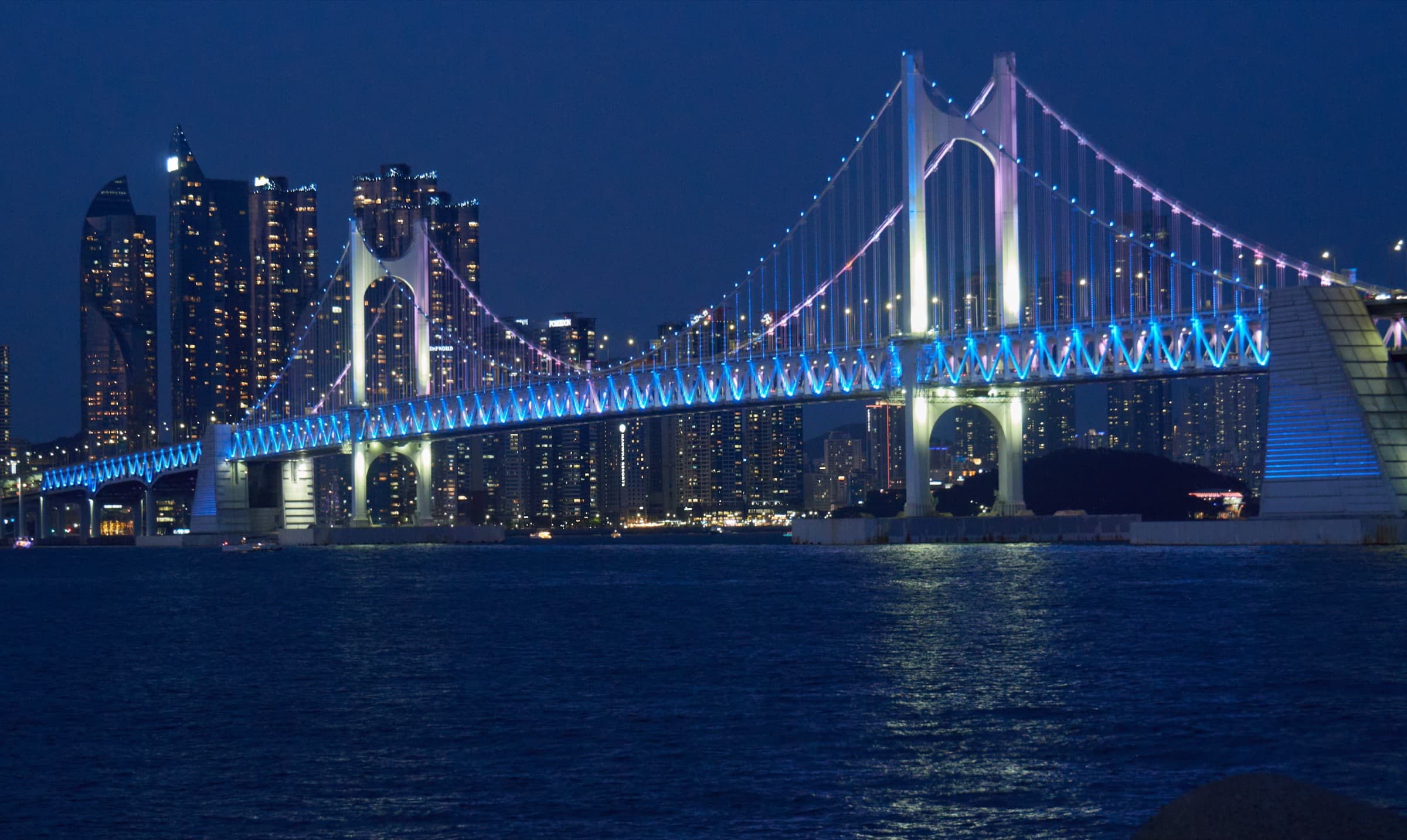
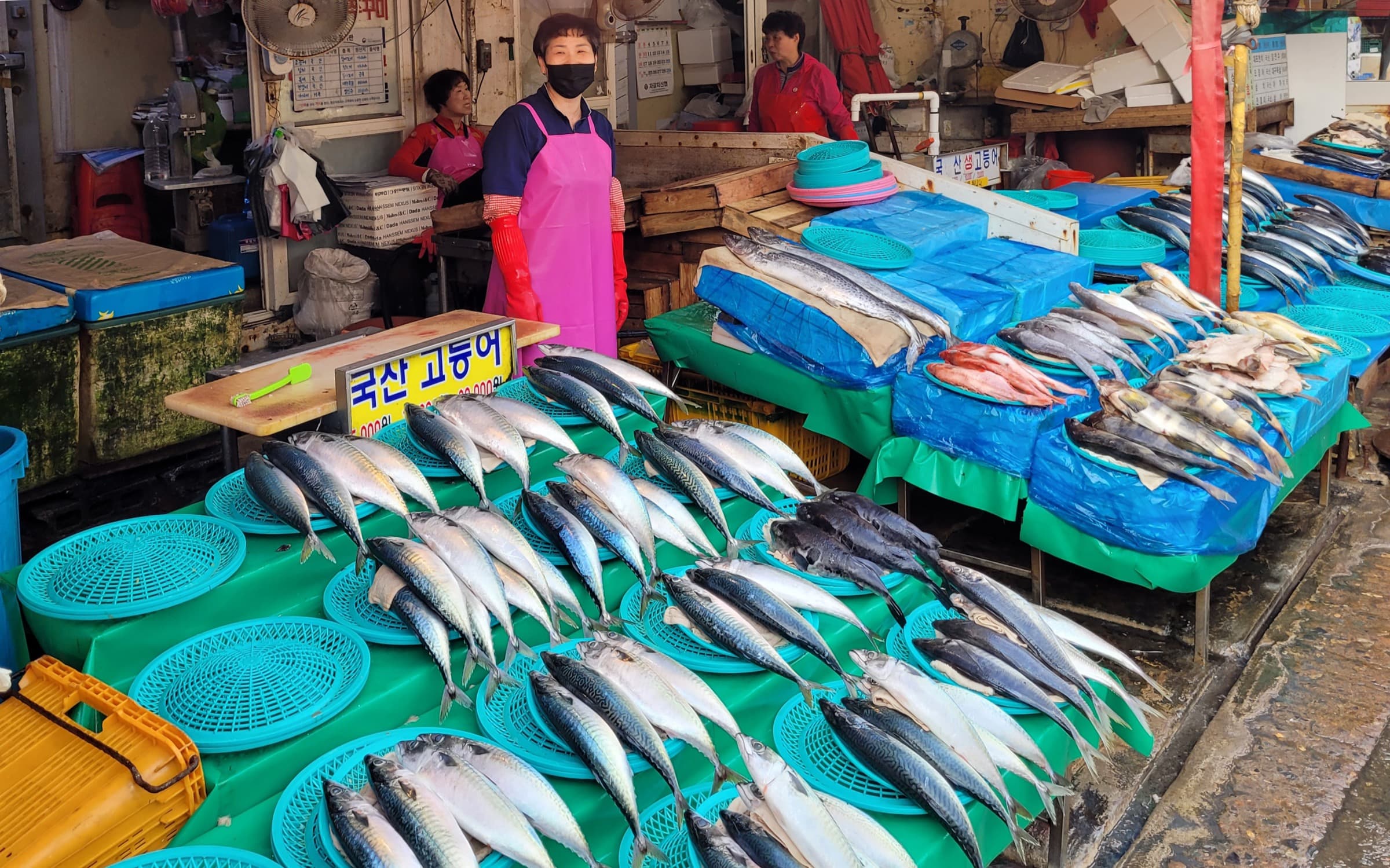
Busan is the Korea trip that smells like salt before it smells like skincare. Korea’s second city spreads along a working coast: Haeundae sand, Gwangalli’s bridge lights, Jagalchi fish markets, and hillside lanes in Gamcheon that photograph easily and tire you if you treat them as a half-hour errand.
The useful map is simple. Metro Line 2 holds the east-coast beaches and Centum City. Metro Line 1 holds the older downtown around Nampo and Jagalchi. Keep those geographies on separate days. Ping-ponging between Haeundae and Gamcheon in one afternoon is how travelers decide Busan is “far” when the city is only asking for patience.
Arrival is either Gimhae (PUS) or a KTX finish after Seoul. Expect the Busan–Gimhae Light Rail into Sasang and a Line 2 transfer for beach hotels, or a limousine bus or taxi when luggage and late landings matter. From Seoul Station, expect KTX to Busan Station in roughly two and a half hours—confirm the live timetable. Naver Map or KakaoMap beat Google Maps for transit here.
For Korean American and broader diaspora travelers, Busan can feel less like a reconciliation tour than Seoul and more like a port city with food habits that travel: raw fish, pork-rice soup, cold noodles when the heat hits. Give it three to five nights. Let the coast set the pace.
| Best months to visit | May–June and September–November for beach and walking weather. Summer is beach season with heat and crowds; winter is clear and cold with quieter sand. |
| Primary airport(s) | Gimhae (PUS) is Busan’s airport—Busan–Gimhae Light Rail to Sasang, then Metro Line 2 for Seomyeon, Gwangalli, or Haeundae; expect limousine buses and taxis when luggage or late arrivals matter |
| Ease for first-timers | 8/10 |
| Trip intensity | Easy |
| Typical budget feel | Comfortable |
| Suggested trip length | 5–7 days |
Transpacific Bound destination editorial. Not live pricing or availability; confirm seasons and entry rules before booking.
Why go now
Blueline Park coastal rides, Gwangalli night views, and Visit Busan’s renewed beach and food framing make a three-to-five-day Busan chapter easy to defend beside—or instead of—another Seoul loop.
Who this trip is for
Travelers who want Korean food and hospitality with coastal air, and who will keep east-beach days separate from west-market days.
First-timer move
Base near Haeundae or Gwangalli on Metro Line 2. Keep one full day on the east coast and one full day for Jagalchi, Nampo, and Gamcheon—do not ping-pong.
Repeat visitor angle
A second visit can leave Haeundae’s densest strip earlier for Songjeong or a quieter Gwangalli morning, add Yeongdo cliff walks, or chase a deeper Jagalchi lunch without also forcing Gamcheon the same day. Blueline Park rides and temple mornings at Haedong Yonggungsa reward travelers who already know the Line 2 rhythm.
Where to stay
Base near Haeundae or Gwangalli if beach evenings and Line 2 ease matter most. Seomyeon works as a central transfer hub with nightlife and shopping, but you will ride more for sand. Nampo / Jagalchi suits market-first trips if you accept a longer hop to the east beaches.
Line 2 connects Seomyeon, Gwangalli, Haeundae, and Centum City. Line 1 connects Busan Station, Seomyeon, Nampo, and Jagalchi. Gamcheon usually needs a Line 1 stop plus a short bus or taxi uphill. Expect Blueline Park Sky Capsule and Beach Train tickets sell out on weekends—book ahead if that coastal ride is a must.
What to eat
Hoe and grilled seafood near the markets, dwaeji gukbap for breakfast or lunch, milmyeon when the heat hits, and ssiat hotteok in the Nampo / BIFF Square corridor.
Cultural fluency notes
Buy a T-money or Cashbee card early and tap metro and buses. Expect adult card fares in the mid–high ₩1,000s depending on distance and year—recheck station machines.
K-ETA and visa-free rules are passport-specific; recheck before you book. Convenience-store dinners and market stools are normal. Beach towns get crowded in summer; winter is quieter and cold. Dress for temples and cliff walks with shoes you can walk in, not only photograph in.
English exists in tourist corridors and thins in market alleys—pointing, patience, and a translation app cover most lunches.
What diaspora travelers may notice
You do not owe Busan a family narrative. Some Korean American travelers find Seoul emotionally louder and Busan easier to eat through without performing belonging.
One relative meal is usually enough. Protect a beach dusk or a market lunch that is yours alone so the city remains a place you tasted, not only a place you were briefed on.
Worth the splurge
A Haeundae or Gwangalli hotel with a real recovery view, a reserved raw-fish dinner, or Spa Land at Centum City after a beach afternoon.
What not to do
Do not treat Haeundae as the entire city. Do not schedule Gamcheon, Jagalchi, and a Haeundae sunset on the same calendar day. Do not rely on Google Maps for metro transfers. Do not arrive from ICN and expect a full first-night beach program without KTX and check-in buffers.
Best paired with
Seoul is the natural pairing: capital energy plus coastal recovery, linked by KTX. Osaka offers another food-first port city across the water. Tokyo works when you want precision transit after Busan’s looser coastal days. Taipei remains the softer first-Asia alternative if Busan is your second Korea chapter.
Best time to go
May–June and September–November for beach and walking weather. Summer is beach season with heat and crowds; winter is clear and cold with quieter sand.
Airport notes
Gimhae (PUS) is Busan’s airport—Busan–Gimhae Light Rail to Sasang, then Metro Line 2 for Seomyeon, Gwangalli, or Haeundae; expect limousine buses and taxis when luggage or late arrivals matter. Many North American itineraries still land at ICN and continue by KTX to Busan Station in roughly two and a half hours—expect the live timetable.
A 5-day editorial itinerary
Day 1
Arrive PUS or by KTX. Check into a Haeundae or Gwangalli hotel. Keep dinner walkable—grilled shellfish or a simple noodle bowl. Sleep early.
Day 2
East-coast day: Haeundae Beach and Dongbaek Island in cooler hours, optional Blueline Park ride if booked, Centum City or Spa Land if you want indoor recovery. Gwangalli dusk for bridge lights.
Day 3
West / old-city day: Jagalchi Market for seafood, Nampo and Gukje Market grazing, ssiat hotteok if the stalls are busy. Gamcheon only if legs and daylight remain—otherwise save it.
Day 4
Haedong Yonggungsa in the morning if temple-by-the-sea matters, or a Yeongdo / Taejongdae half-day. Return to your beach base for a reserved hoe dinner.
Day 5
Repeat the best breakfast geography, then PUS via BGL or Line 2 with a wider buffer than feels necessary. Seoul onward travelers should expect KTX seat availability before beach checkout.
What this place feels like
Related stories
Worth planning around
Upcoming Busan events
Related destinations
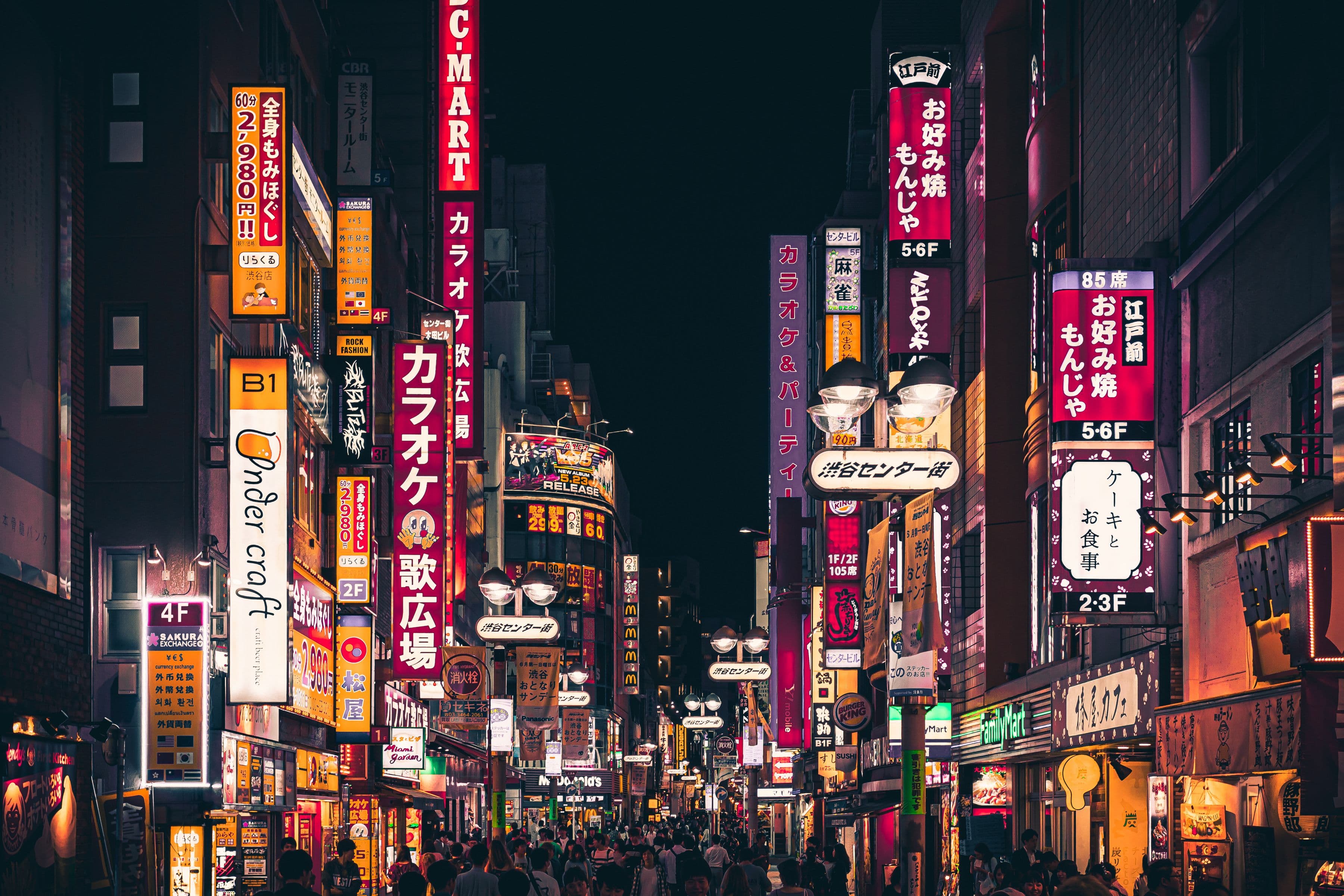
Tokyo
East Asia · Japan
Tokyo travel guide for diaspora and first-time Asia visitors: neighborhoods, food, transit, and how to pace a trip without checklist tourism.
View guide →
Seoul
East Asia · South Korea
Beauty, nightlife, and fashion-forward energy in a city that moves faster than you expect.
View guide →
Osaka
East Asia · Japan
Japan's kitchen, irreverent, delicious, and unpretentious in all the right ways.
View guide →