

Chiang Mai
Temple mornings, khao soi, and named market nights at a northern Thailand pace
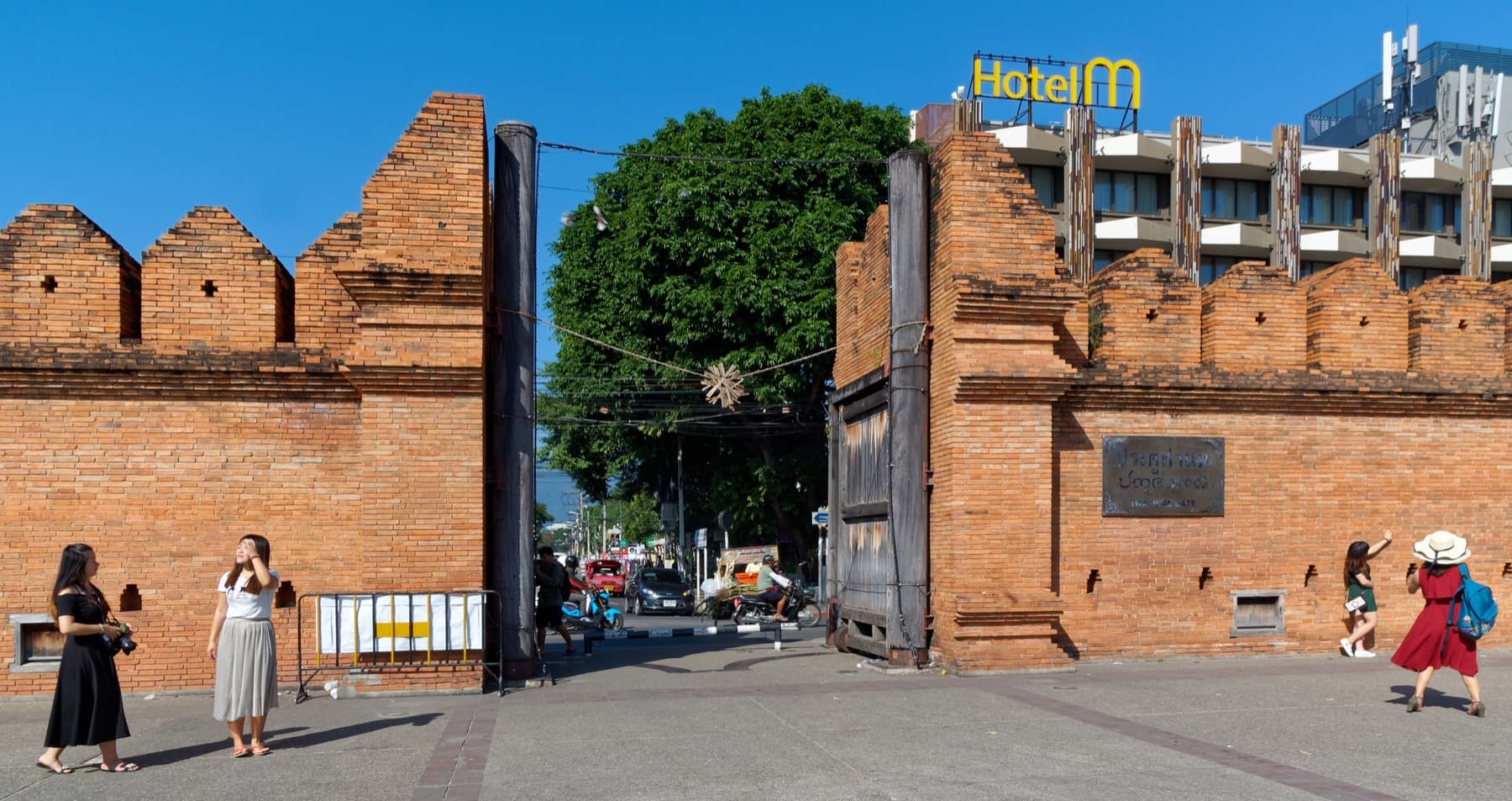
Jakub Hałun / “20171105 Tha Phae Gate Chiang Mai 9784 DxO” / resized from original
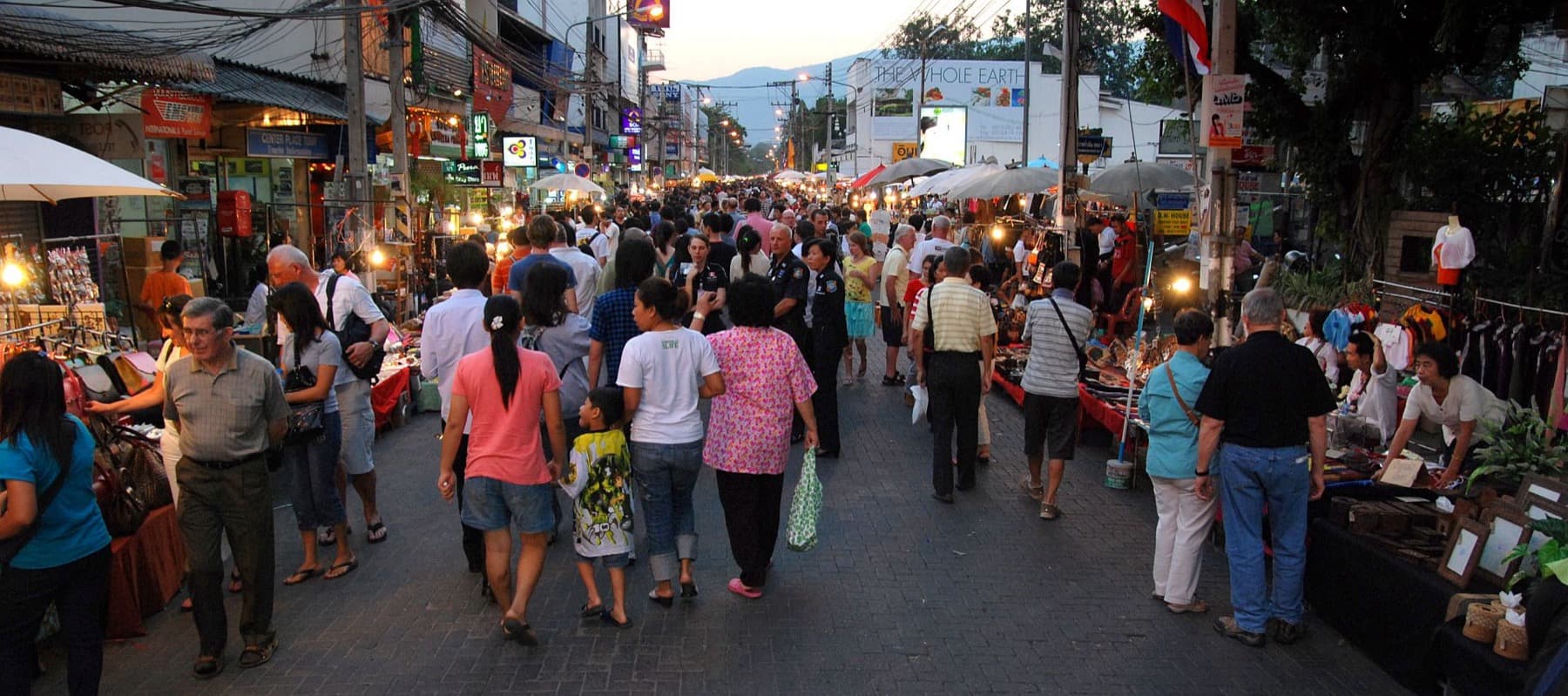
Chiang Mai rewards travelers who pick one base and let the calendar do some of the work. The Old City inside the moat covers temple mornings and the Sunday Walking Street on Ratchadamnoen. Nimmanhaemin, a short Grab west, covers cafe afternoons and dinner variety. Five days leave room for khao soi, a Warorot market cookery morning, one Doi Suthep half-day, and whichever weekend market night you actually hold.
Arrival is simpler than Bangkok. Chiang Mai International (CNX) sits a few kilometres from the Old City; Grab or the airport taxi desk usually delivers you in about ten to twenty minutes when traffic cooperates. Complete the Thailand Digital Arrival Card before you land if you will clear immigration. Domestic flights from Bangkok remain the easiest long-haul combination for most North American itineraries.
What makes the trip feel northern rather than generic Thailand is specific: sai ua and nam prik ong beside the noodles, silver craft on Saturday’s Wua Lai stretch, and the willingness to cancel an outdoor day when burning-season haze spikes. Elephant tourism is optional and ethical filter-heavy—research no-ride programs carefully, or skip without guilt.
| Best months to visit | November–February for cooler, clearer evenings. February–April is burning season—check AQI daily and keep indoor backups. |
| Primary airport(s) | CNX sits roughly 3–4 km from the Old City |
| Ease for first-timers | 9/10 |
| Trip intensity | Easy |
| Typical budget feel | Smart value |
| Suggested trip length | 5–7 days |
Transpacific Bound destination editorial. Not live pricing or availability; confirm seasons and entry rules before booking.
Why go now
Domestic Bangkok–CNX links stay frequent, and a five-day Old City plan still fits without inventing a Pai checklist.
Who this trip is for
Travelers who want Thailand with walkable evenings, market calendars, and room to skip ethically murky elephant packages.
First-timer move
Base in the Old City or Nimman. Morning temples near Tha Phae Gate, khao soi for lunch, then Sunday Walking Street, Saturday Wua Lai, or the Chang Klan Night Bazaar depending on the calendar.
Repeat visitor angle
A second visit can leave the tourist-temple loop earlier for a longer Nimman stay, a rice-field boutique night, or a cooking class built around Warorot rather than another hotel demo. Put Pai or Mae Hong Son on a separate overnight if you want hills—do not bolt them onto a three-night city trip.
Return travelers who learned burning season the hard way book November–February when possible, or keep N95 masks and indoor cafe days ready from late February through April.
Where to stay
Stay in the Old City for walkable temples, Tha Phae Gate, and Sunday Walking Street access. Stay in Nimman for denser cafes and dinner without crossing the moat every evening. Chang Klan’s Night Bazaar sits east toward the Ping and works on weeknights when walking streets are closed.
Under normal conditions, Old City to Nimman is a short Grab or red songthaew hop. Doi Suthep is a separate mountain half-day—about fifteen kilometres and often thirty to forty minutes each way—not a casual sunset errand after three temples. Scooters help experienced riders; they are optional for everyone else.
What to eat
Khao soi first. Add sai ua, nam prik ong, sticky rice, and one Nimman dinner that is not pad thai by default.
Cultural fluency notes
Submit TDAC on the official immigration portal (tdac.immigration.go.th) within the stated advance window—commonly described as three days before arrival. TDAC is not a visa. Short-stay exemption length is passport-specific and changeable; as of mid-2026 many nationalities still used an expanded sixty-day exemption pending possible Gazette changes—confirm Thai Immigration guidance for your passport and travel date.
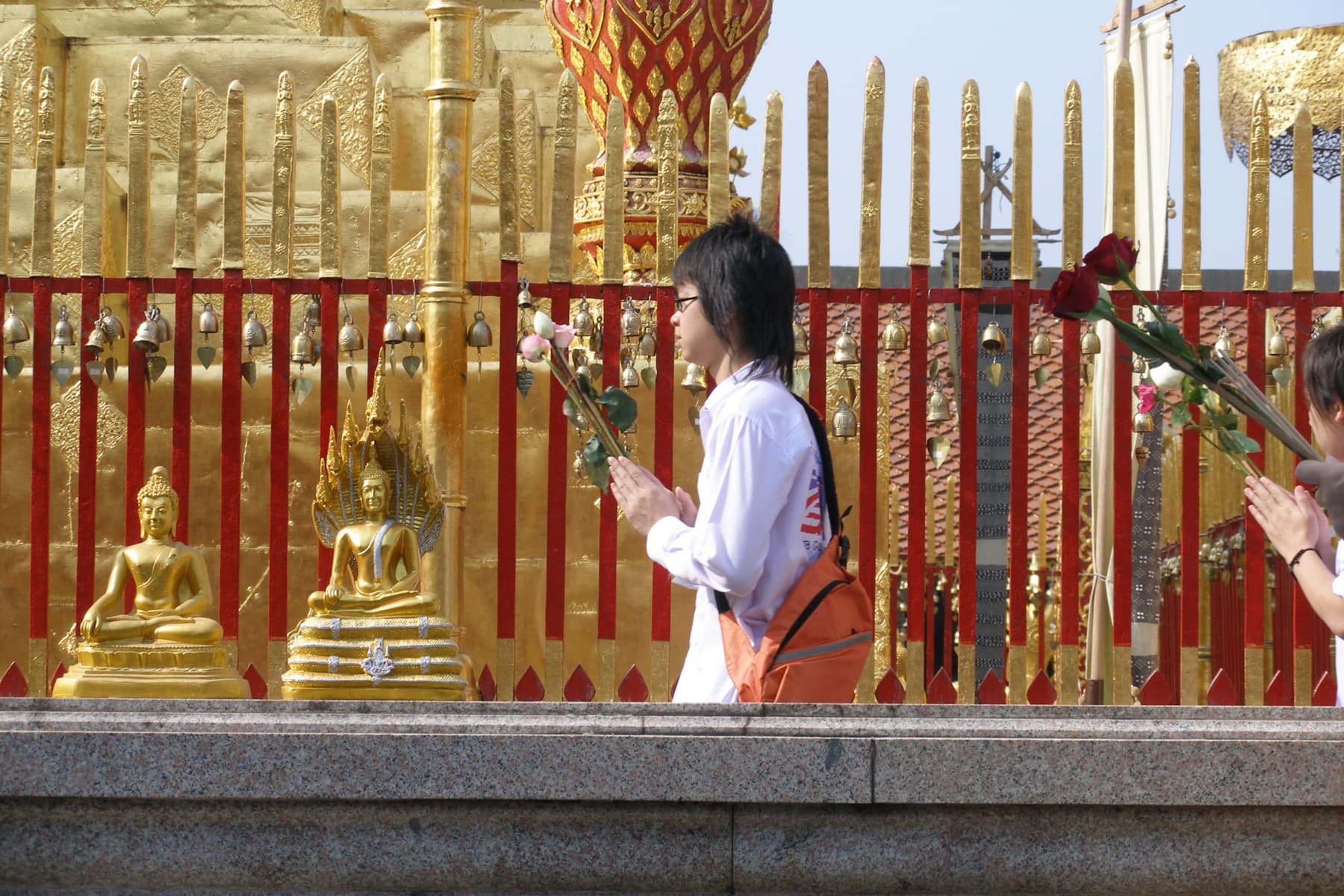
Cover shoulders and knees at temples; expect foreigner entry at Wat Phra That Doi Suthep around 30 THB, with shoes off on sacred platforms. Burning season roughly February–April elevates PM2.5—check IQAir or AQICN the morning of outdoor plans, carry an N95/KN95, and keep mall or cafe backups. Songthaews and Grab cover most hops; cash still helps at markets.
What diaspora travelers may notice
Northern Thai food and Lanna temple culture sit next to tourist infrastructure in the same afternoon. Thai American travelers often recognize flavors from family tables while the geography feels new—both reactions can stand without forcing a heritage verdict.
Ordering khao soi, shopping Warorot like a pantry run, and giving Sunday Walking Street a full evening usually land better than treating every stall as content.
Worth the splurge
A cooking class with a Warorot market shop, or a boutique stay on the quieter rice-field edge once you have a city rhythm.
What not to do
Do not book ten temples in one heat cycle. Do not treat “sanctuary” marketing as proof of welfare—skip riding and shows, research current no-ride programs, or leave elephants off the itinerary entirely.
Do not ignore AQI in February–April. Do not invent a Pai day trip on a three-night stay. Do not skip khao soi for generic pad thai because the hotel menu looks safer.
Best paired with
Bangkok is the natural urban contrast before or after. Hoi An adds heritage-town calm on a separate Vietnam ticket. Bali works if you want a second soft-adventure week with beach light after northern Thailand.
Best time to go
November–February for cooler, clearer evenings. February–April is burning season—check AQI daily and keep indoor backups.
Airport notes
CNX sits roughly 3–4 km from the Old City. Grab or airport taxi usually takes about 10–20 minutes under normal traffic. Submit TDAC before arrival if you clear immigration.
A 5-day editorial itinerary
Day 1
Land at CNX with TDAC ready. Grab or airport taxi to an Old City or Nimman hotel (often about 10–20 minutes). Keep dinner near the hotel—Chang Phuak food stalls if you want local plates, or a simple Nimman meal—and sleep early.
Day 2
Cool morning in the Old City: Wat Chedi Luang or Wat Phra Singh with covered shoulders and knees, then Tha Phae Gate for orientation. Lunch for khao soi. Afternoon cafe in Nimman or a quiet hotel pool. Evening: Sunday Walking Street on Ratchadamnoen if it is Sunday; otherwise Chang Klan Night Bazaar or Chang Phuak.
Day 3
Cooking class with a Warorot (Kad Luang) market shop if you booked ahead, or a craft morning and a second northern lunch. Check AQI before long outdoor walks. Keep evening light—Saturday Wua Lai Walking Street if the calendar matches.
Day 4
Half-day Wat Phra That Doi Suthep by songthaew from near Chang Phueak Gate or by Grab; expect foreigner entry and dress code. Optional Wat Pha Lat only if fitness and heat allow a separate forest stop. Afternoon recovery in Nimman. Skip elephant packages unless you already researched a no-ride program you trust.
Day 5
Repeat a trusted bowl or cafe, one last market snack run, then CNX with more buffer than the short drive suggests—domestic and international banks still punish optimism. Bangkok is the usual next hop; Pai needs its own overnight.
What this place feels like
Related stories
Related destinations

Bangkok
Southeast Asia · Thailand
Street food temples, golden spires, and a city that rewards both chaos-embracers and luxury seekers.
View guide →
Bali
Southeast Asia · Indonesia
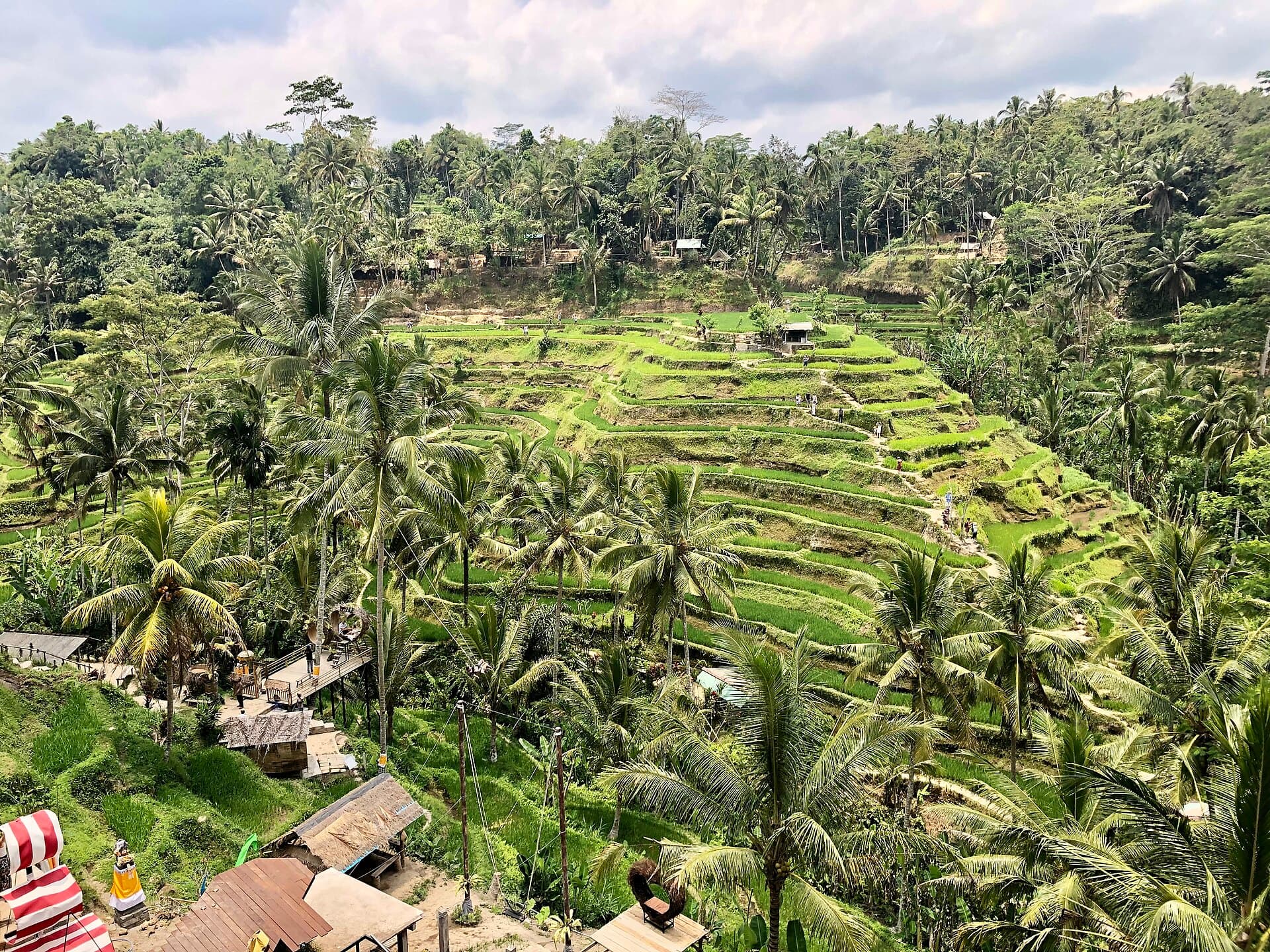
Ubud craft mornings and a southern beach base, with enough restraint to leave the traffic—and the checklist—behind.
View guide →
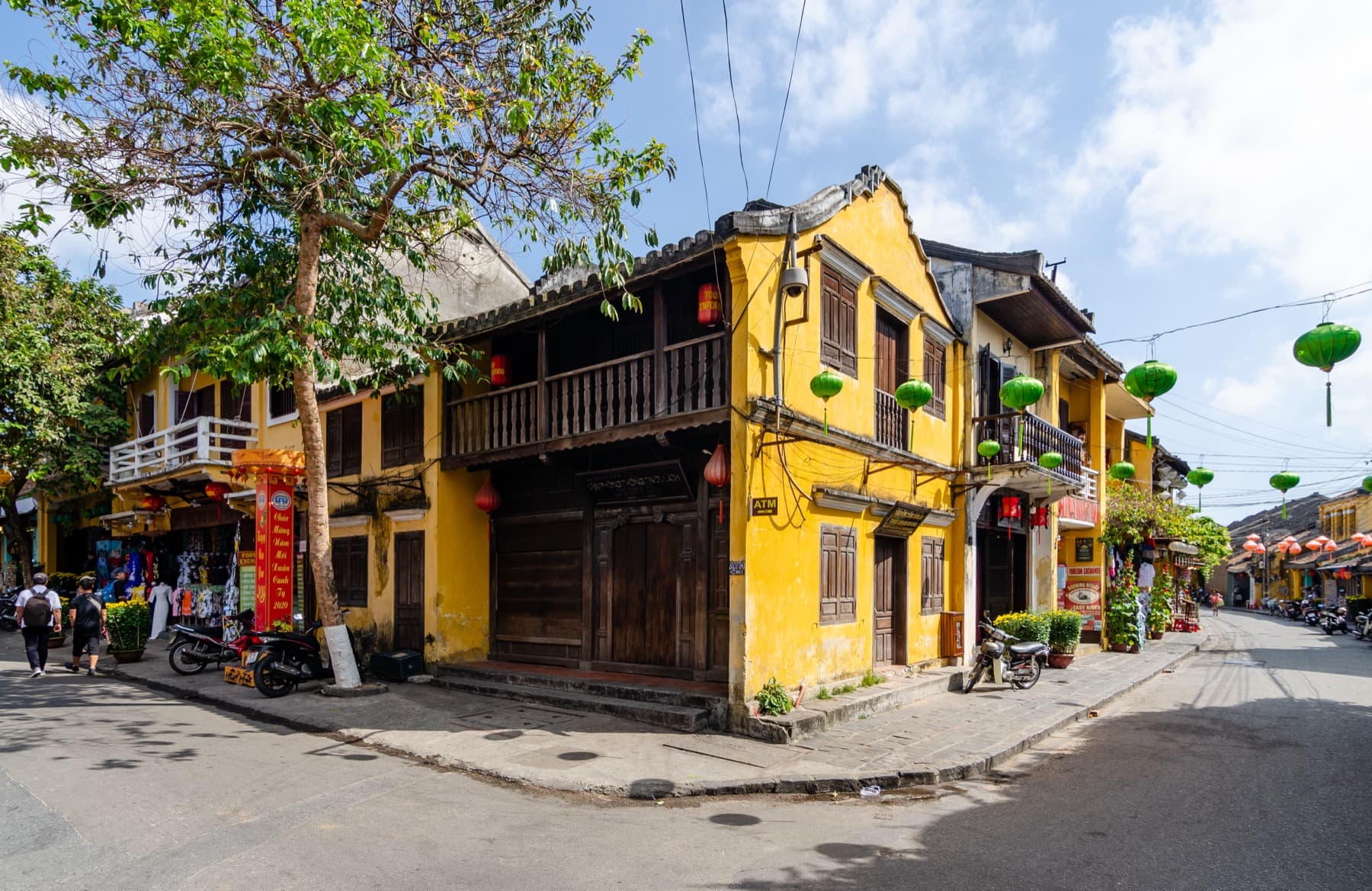
Hoi An
Southeast Asia · Vietnam
Hoi An travel guide for Da Nang airport transfers, Ancient Town tickets, multi-day tailoring, An Bang beach days, and flood-season planning in central Vietnam.
View guide →