
What Actually Happens to Your Miles When Two Airlines Merge?
The company can become one name on a filing date while your balances still live in two wallets. Here is how loyalty integrations actually run—and what Korean Air and Asiana members should do before December.

Two airlines can become one company on a Tuesday and still leave you holding two mileage accounts on Wednesday.
A legal merger is a filing, a share swap, a disappearing ticker. A loyalty integration is a later decision—sometimes much later—about award charts, elite tiers, cobrand cards, and which alliance your miles can still buy. Mix the two up and you convert at a bad ratio, or sit on a partner award that stops earning next month.
Korean Air and Asiana Airlines are the live case. They plan to register one airline on 17 December. Asiana Club and SKYPASS are not, as of this week, a finished conversion. South Korea’s Fair Trade Commission, the competition regulator, has not approved Korean Air’s mileage plan. The company’s own share-swap filing says the two programs can keep running separately until that approval arrives. One brand can still mean two wallets.
History keeps making the same point. When Delta Air Lines absorbed Northwest in October 2008, the corporate news was immediate. The loyalty news, in Delta’s own release that day, was simpler than the fleet: SkyMiles and WorldPerks would combine at one-to-one. The airplanes took longer. The miles had a published rule on day one.
United and Continental closed in October 2010, then spent more than a year telling members that MileagePlus and OnePass still worked under their old rules. The ledgers became one MileagePlus system in early 2012. American and US Airways were slower still. The merger closed in December 2013. Reciprocal elite benefits started a month later. Dividend Miles did not move one-to-one into AAdvantage until 28 March 2015. If you were a US Airways member, you lived inside the merger for more than a year before your account number changed.
The other pattern is one wallet and two brands. Air France and KLM created Flying Blue in 2005, a year after they built a holding company. The liveries stayed. The miles did not. British Airways and Iberia, under International Airlines Group, share Avios as a currency, but Executive Club and Iberia Plus remain different clubs with different award prices. Alaska folded Virgin America’s Elevate into Mileage Plan after the 2016 purchase, and Elevate’s award menu did not survive as a second chart. Alaska and Hawaiian later moved miles into Atmos Rewards at one-to-one while both brands kept flying.
The press release about “one airline” never tells you which of those models you are in.
The part people feel late is the award chart. The disappearing program’s sweet spots usually disappear with it. Partner awards follow the surviving alliance. A Star Alliance chart does not quietly become a SkyTeam chart at the same prices. Inventory gets pooled. After the big U.S. combinations finished, the complaint was less often stolen miles than a seat that used to cost seventy thousand miles and now prices like the bigger carrier. Devaluations have many parents. A merger is one of them, because one team eventually owns both cabins.
That is why a published grace period matters, when it is real. Korean Air has proposed letting Asiana Club members keep redeeming on Asiana’s 31 December 2024 award chart for ten years, or convert into SKYPASS at one-to-one for miles earned by flying and 0.82-to-one for miles earned on cards and other partners. Those figures have been in the Korean papers for months. They are a proposal sitting at the commission, not a rule you can take to a transfer desk.
Elite status is a separate argument from the balance you can spend.
Tiers usually map to the nearest surviving rung—Platinum to Platinum, Diamond to a new name—and qualifying activity from both programs often gets added together. Alliance gold is different. Star Gold you earned through Asiana Club is a Star ticket. After 16 December, Asiana has said Diamond and above will convert to SkyTeam Elite Plus. That is a useful promise if it holds. It does not keep United or Singapore lounge access on a Star itinerary. Status follows the alliance you land in.
Credit-card partnerships are where the worse ratio usually hides.
Airline cobrand cards keep paying miles after a merger only if the bank and the surviving program say so. Miles from hotels, shopping portals, and local cards that were never a flight are the balances regulators argue about: cheap to issue, expensive to honor. Korean Air’s 0.82 figure is aimed at that pile. If you have a large Asiana card balance, waiting for the commission means refusing a twenty-percent haircut before the haircut is law.
Partner programs work the same problem from the other side.
If you collect United, Singapore, or Lufthansa miles and credit Asiana-operated flights to those programs, Star Alliance has already published the cutoff. Earning stops on Asiana flights that depart after 15 October. Redemptions on Asiana aircraft can still be flown through 16 December. After that you are in SkyTeam—Delta, Air France-KLM, Korean Air’s own partners—not the Star menu you used to build. Move bank points into Asiana Club now only if you can ticket a specific award before those doors close. Otherwise the miles sit in a program that is about to change alliances.
Earn, burn, or wait is a three-way split.
Burn when today’s chart still prices a trip you will actually take, especially a Star award that uses an Asiana-operated flight after mid-October. Those need to be ticketed and flown on the published calendar. Earn into SKYPASS when you will keep flying Korean Air anyway. Wait when the conversion terms are still a filing. Do not pre-convert a partner-mile pile at 0.82 because a blog called it the deal.
The watch list is short enough for a phone, and the table below is the version to keep. Screenshot both balances and elite expiry dates. Save the current Asiana award chart and any open award tickets. Mark whether your miles were earned by flying or by card—that split is the whole 1.00 versus 0.82 argument. Read Korean Air, Asiana, and the commission. If you hold a Star partner award through Seoul, rebuild it before the earn window closes. If T’way was your cheap Frankfurt backup this winter, the merger story beside this one is the place to start: those Europe seats are already moving.
The companies can become one airline in December and still leave you holding two wallets. The miles move when the loyalty circular says they move.
| Clock | What is settled | What you do |
|---|---|---|
| Now–15 Oct | Star programs can still earn on Asiana-operated flights departing on or before 15 October. | Ticket or reclear Star awards that use Asiana-operated flights. Screenshot both balances. |
| 16 Dec, 23:59 KST | Asiana leaves Star Alliance. Star Gold/Silver on Asiana ends that night. | Assume SkyTeam rules after midnight. Asiana says Diamond+ maps to SkyTeam Elite Plus. |
| 17 Dec | Planned merger registration. Asiana as a separate company is scheduled to disappear. | Watch the ticket for a new flight number. Do not assume miles have moved. |
| Whenever the commission rules | Korean Air has proposed 10-year Asiana-chart use, 1:1 flight miles, 0.82 partner miles. | Convert only after the approved circular. Until then the two wallets can stay split. |
Asiana Star Alliance notice; Korean Air 12 August newsroom; Money Today, 14 August 2026, on the pending Fair Trade Commission filing.
Related stories
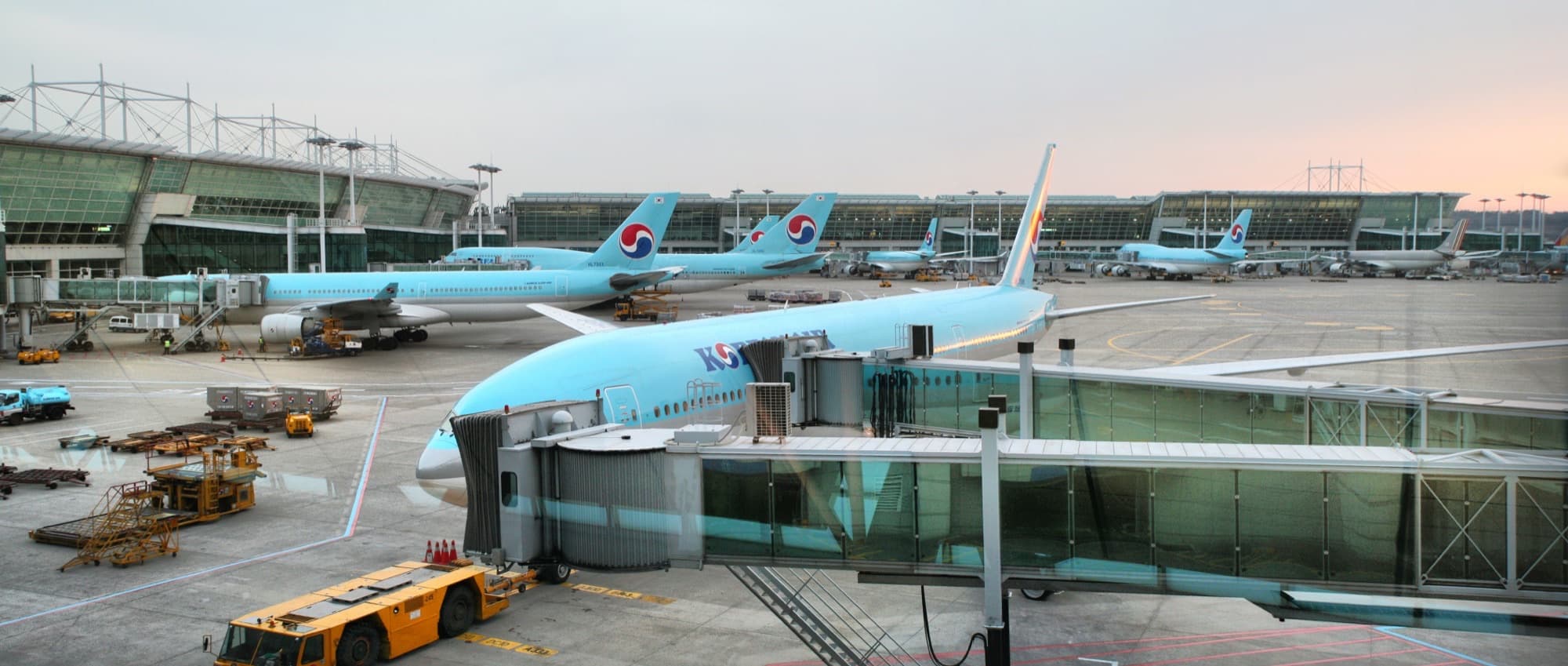
Before Korean Air Absorbs Asiana, Save These Screenshots
The corporate merger has a date. Your job is paperwork. Here is what to capture and fix before the October earn cutoff and the December alliance exit.
7 min · Aug 20, 2026
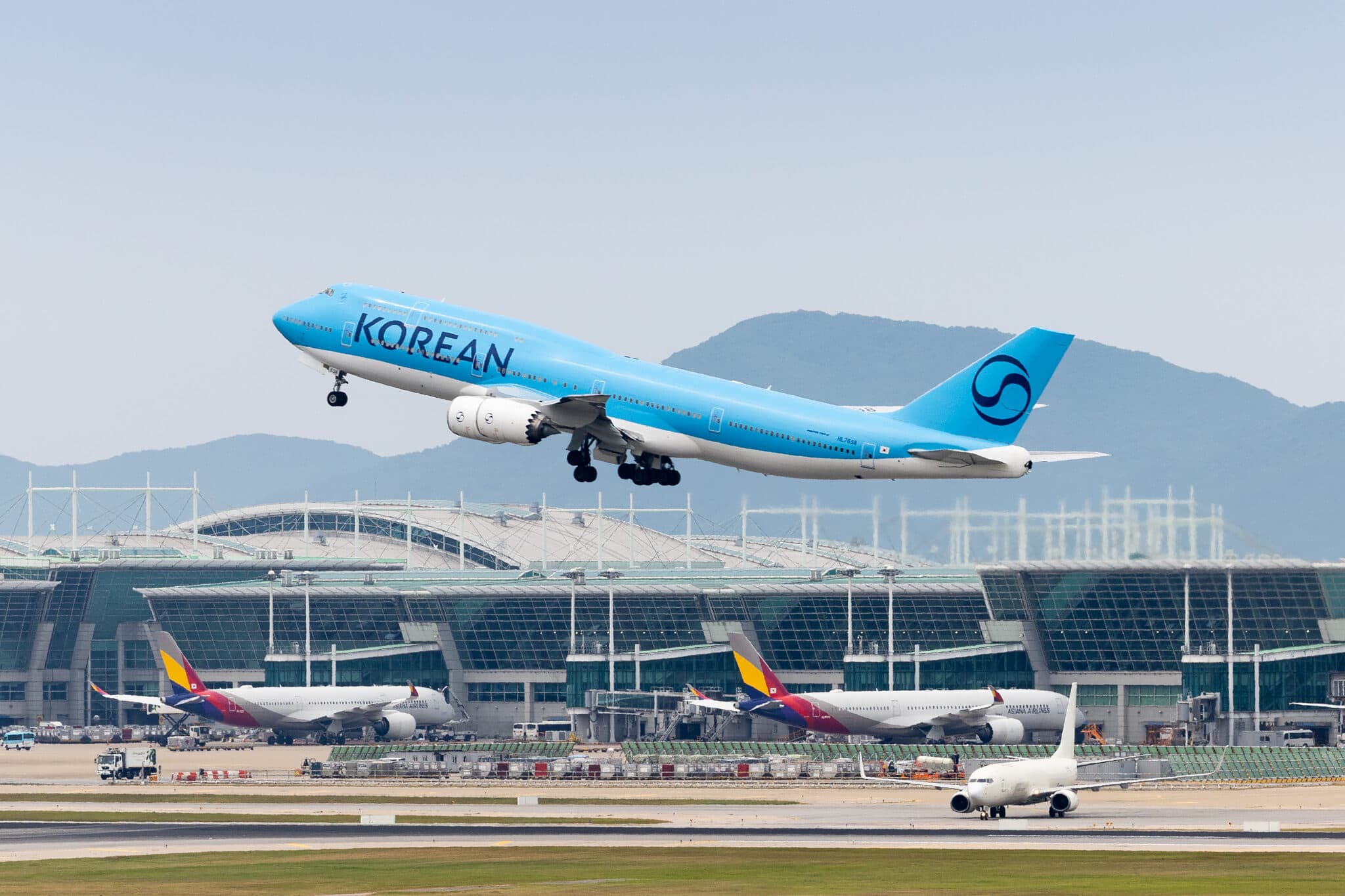
Korean Air and Asiana Are Targeting a December Integrated Launch. Here’s What Travelers Should Watch Before Their Tickets Merge.
Korean Air and Asiana plan to become one company on December 17. The Incheon terminal move already happened. The mileage plan has not cleared the Fair Trade Commission, and Star Alliance earning on Asiana-operated flights ends in October.
6 min · Aug 17, 2026
Cathay Pacific Just Posted Its Best First-Half Profit Since 2010. What Does That Mean for Transpacific Travelers?
More Hong Kong connections and metal are coming. Fuel costs and firm premium demand still argue against treating this earnings print as a clearance sale on Business Class.
5 min · Aug 5, 2026
U.S. Visa Rules Are Tightening Just as Asian Travel Demand Accelerates
As the U.S. locks in visa bonds for fifty countries and caps student admissions at four years, Asian travelers still want American trips—but friction is shifting bookings toward Europe, the Gulf, and easier Asia.
7 min · Aug 7, 2026
Related global reads
Transpacific Bound
Before Korean Air Absorbs Asiana, Save These Screenshots
Transpacific Bound
Korean Air and Asiana Are Targeting a December Integrated Launch. Here’s What Travelers Should Watch Before Their Tickets Merge.
AsiaMS
K-beauty crosses the $2 billion mark as U.S. household adoption triples
East Table
East Asia cold noodles field guide
Goldsea
Asia’s 8 most romantic places and the great love stories behind them