
Korean Air and Asiana Are Targeting a December Integrated Launch. Here’s What Travelers Should Watch Before Their Tickets Merge.
The carriers cleared their last corporate votes on August 12 and plan to register one airline on December 17. Miles, Star Alliance cutoffs, and some Europe seats are still moving.
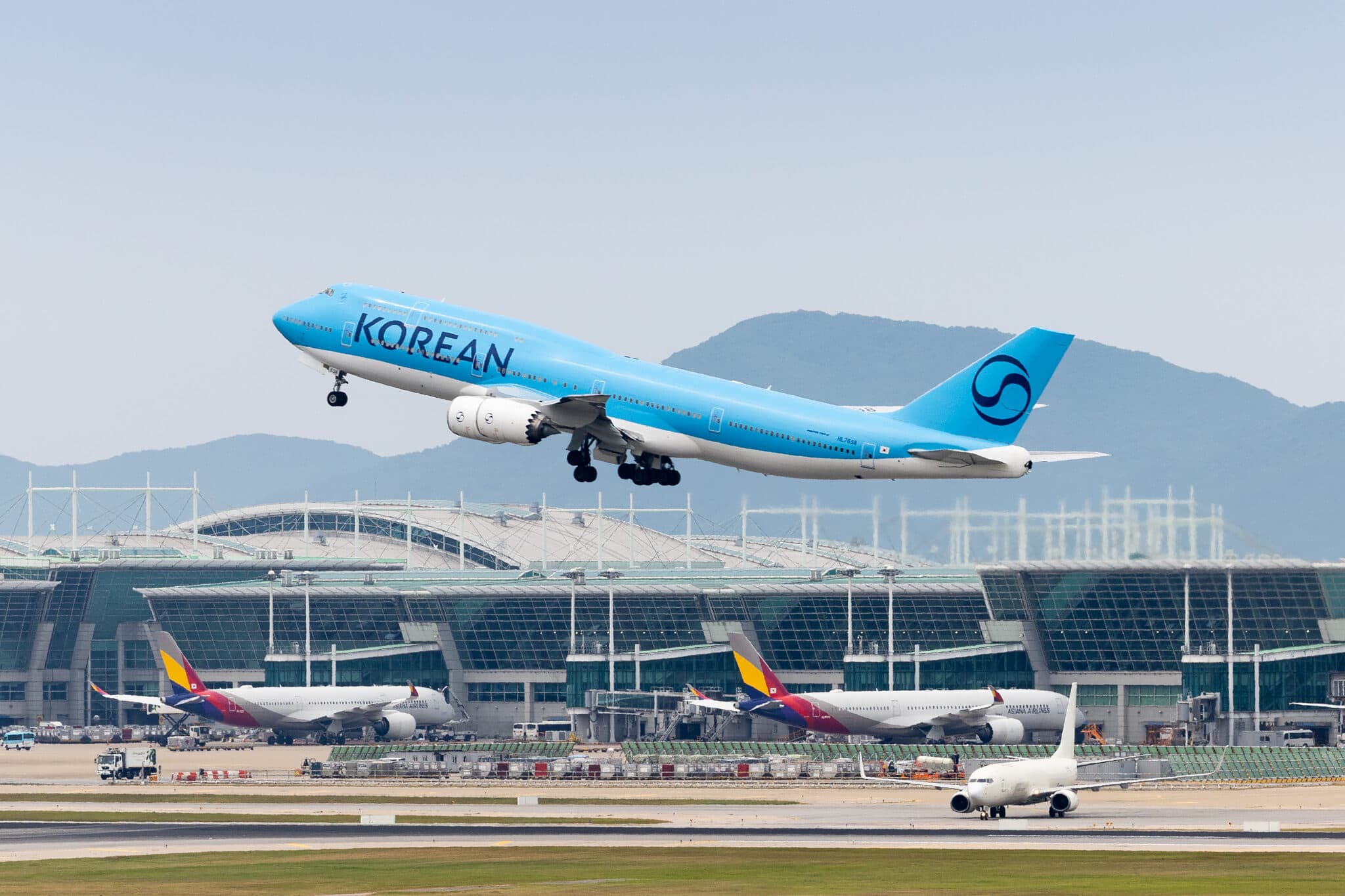
Korean Air and Asiana Airlines, South Korea’s two full-service carriers, now have a date for becoming one company.
On 12 August, Korean Air’s board approved the merger at the carrier’s Seosomun offices in Seoul. The same morning, Asiana shareholders met at headquarters in Gangseo and voted it through: most of the shares that could vote were in the room, and 99.3 percent of those votes were yes. Korean Air’s newsroom said the two sides will finish creditor-protection work and register the merger on 17 December. Asiana, as a separate airline, is scheduled to disappear the same day.
The lawyers have a calendar. Yours is still being written.
South Korea’s land and transport ministry gave the combination a conditional green light on 25 June. The share-swap filing that lets the deal close took effect on 24 July. What is still moving, Korean Air says, is the paperwork that lets one airline fly the other airline’s jets: a combined operating certificate, plus permits from foreign aviation authorities. Treat 17 December as the legal launch they are aiming at. Do not treat it as a promise that every Asiana flight number will look the same on the 18th.
The part you can already see is the airport. On 14 January, Asiana moved every Incheon departure and arrival from Terminal 1 to Terminal 2, Korean Air’s home since 2018. The first arrival was a Tokyo Haneda flight just before 5 a.m.; the first departure went to Osaka. Check-in sat in aisles G through J, and Asiana passengers were told they could use four Korean Air lounges in that building.
If you connect at Incheon this fall, that is the useful fact. Korean Air and Asiana already share a terminal. Star Alliance carriers—Singapore Airlines, Lufthansa, United, EVA Air, and the rest of the Star set still flying the airport—have not moved with them. A Star connection onto an Asiana-operated flight can still mean a walk between buildings.
The alliance clock comes earlier than December. Asiana has told customers it will leave Star Alliance at 23:59 Korea time on 16 December, the night before the merger registration. After that, the integrated carrier sits in SkyTeam, the alliance Korean Air helped found. Star Alliance said in June that members of other Star frequent-flyer programs may keep earning on Asiana-operated flights that depart on or before 15 October. Award tickets and upgrades on Asiana can be flown through 16 December, subject to each program’s own rules. Star Gold and Silver benefits, including eligible Asiana lounges on the Star network, also run through that night.
If you are holding a Singapore, United, or Lufthansa award that uses an Asiana flight after mid-October, read the partner’s fine print now. The earn window closes first. The fly window closes about six weeks later. Neither date waits for South Korea’s Fair Trade Commission, the competition regulator still sitting on the mileage plan.
Miles are the part that can still split in two. Korean Air has proposed keeping existing Asiana Club balances usable for ten years after integration, with an optional conversion into SKYPASS—one Korean Air mile for each Asiana mile earned by flying, and 0.82 of a Korean Air mile for miles earned on cards and other partners. It has also talked about matching Asiana’s elite tiers and adding a fourth SKYPASS rung, Morning Calm Select. Those numbers have been in the Korean papers for months. They are not a finished rule.
Money Today, writing on 14 August, said the commission has been sitting on a revised mileage filing since 22 January, after asking Korean Air last December for a clearer plan on award seats and upgrades. More than 200 days later, there is still no public approval. Song Bo-young, Asiana’s chief executive, told shareholders on 12 August that the company was still waiting. Korean Air’s own share-swap filing, the same report noted, says the two mileage systems can keep running separately until the regulator signs off.
Do not rush a conversion because a blog printed 1-to-1. If you have a trip you can book on today’s Asiana award chart, that is a use-it-now decision. If you are holding a pile of card miles and hoping the ratio improves, you are making a bet the commission has not settled. The longer explainer beside this story walks through earn, burn, and wait.
Flight numbers and seat maps have no public day-one list—when an OZ code becomes a KE number, which Asiana cabins keep their maps, which aircraft get a Korean Air interior first. Existing tickets should be honored; that is how airline combinations usually work, and it is what you should assume until a booking says otherwise. Watch the reservation anyway. A new flight number, a new check-in code, or a seat map that no longer matches July’s screenshot is the tell. If the trip is a connection built on an Asiana codeshare with a Star partner, rebuild it before 15 October.
Korean Air told a June shareholder briefing it wants to fold Asiana’s North America flying into the sales network it already runs with Delta Air Lines. That is a plan, not a new joint-venture map. Until Korean Air and Delta name a specific Asiana flight, price it as an Asiana ticket that will someday wear a Korean Air name.
Europe is where the merger’s competition remedy is already fraying. The European Commission required a rival to take four Seoul routes—Paris, Rome, Barcelona, and Frankfurt—so the combination would not own the whole market. T’way Air, the Korean low-cost carrier, took them. Seoul Economic Daily reported this week that T’way has stopped taking Frankfurt bookings after 25 October, and that July frequencies on Rome, Paris, and Barcelona were already down from a year earlier. The two-year mandatory flying period on those routes ends in October. T’way has not announced a full Europe retreat. It has announced that Frankfurt, as a reliable second choice behind Korean Air, is no longer something you can plan past late October.
If your winter itinerary used T’way as a cheaper Frankfurt option, look at Korean Air, a Gulf hub, or a different European gate now. Do not wait for December to discover the seat is gone.
Through mid-October, Asiana still behaves like a Star airline that happens to check in at Terminal 2. After 16 December, assume SkyTeam rules and Korean Air branding. In between, read the ticket.
Put the October cutoffs on the same calendar as December. The merger can close on time and still leave a lounge, a flight number, and a mileage balance living under last year’s rules.
Related stories
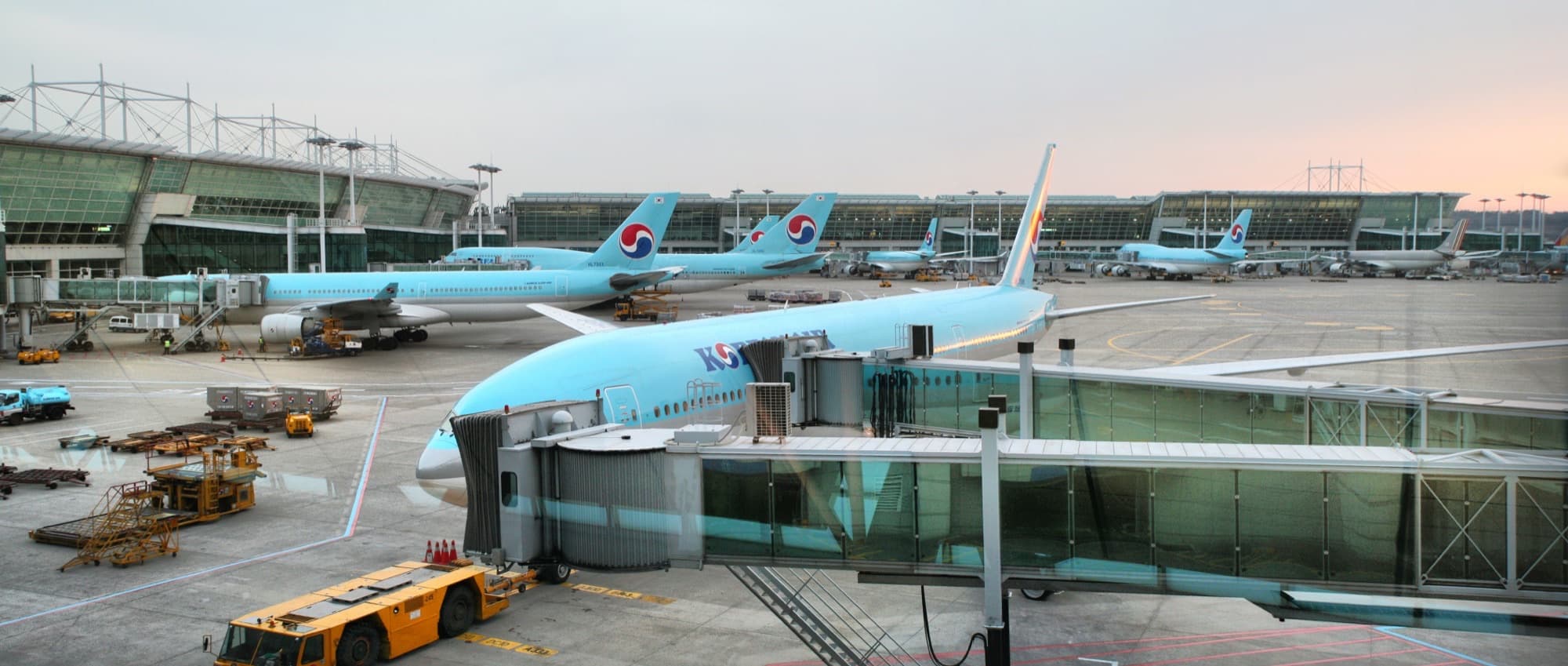
Before Korean Air Absorbs Asiana, Save These Screenshots
The corporate merger has a date. Your job is paperwork. Here is what to capture and fix before the October earn cutoff and the December alliance exit.
7 min · Aug 20, 2026

What Actually Happens to Your Miles When Two Airlines Merge?
A legal merger and a mileage merger are different clocks. History says the surviving award chart usually wins. Korean Air and Asiana have not finished the second clock.
7 min · Aug 17, 2026
Cathay Pacific Just Posted Its Best First-Half Profit Since 2010. What Does That Mean for Transpacific Travelers?
More Hong Kong connections and metal are coming. Fuel costs and firm premium demand still argue against treating this earnings print as a clearance sale on Business Class.
5 min · Aug 5, 2026
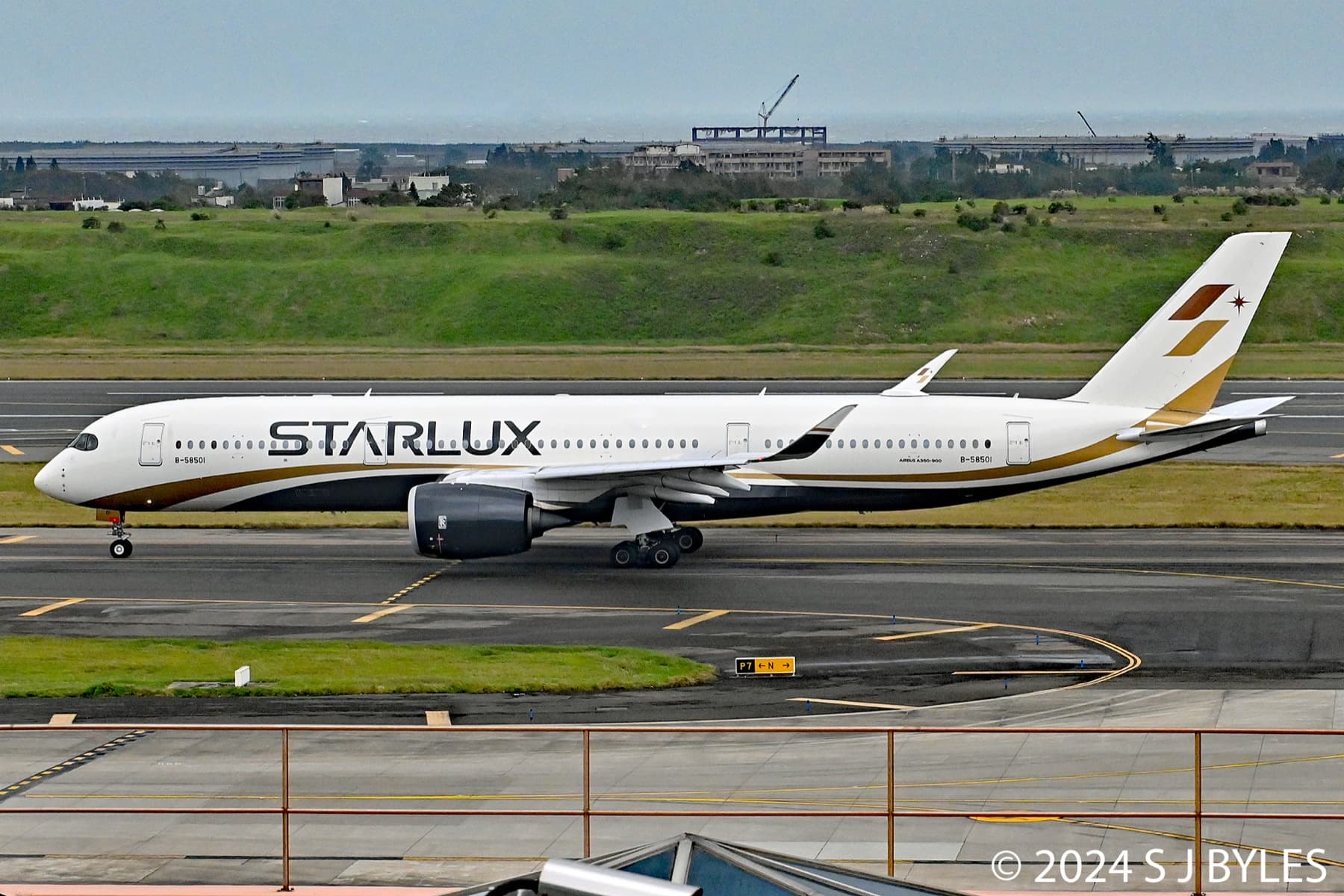
STARLUX’s First European Flight Landed in Prague, Not Paris
Chairman K.W. Chang flew the maiden A350 to Václav Havel. The so-what is a Central European gateway with Asia connections over Taipei—and Barcelona still waiting on ticket sales.
4 min · Aug 2, 2026
Related global reads
Transpacific Bound
Before Korean Air Absorbs Asiana, Save These Screenshots
Transpacific Bound
What Actually Happens to Your Miles When Two Airlines Merge?
East Table
East Asia cold noodles field guide
AsiaMS
K-beauty crosses the $2 billion mark as U.S. household adoption triples
Goldsea
The evolution of an Asian American