
Why Americans Are Booking Japan for Ski Week
U.S. overnight guests just became Niseko’s top foreign market. With the first continental nonstops into Sapporo this winter, September is when the trip actually clears, or doesn’t.
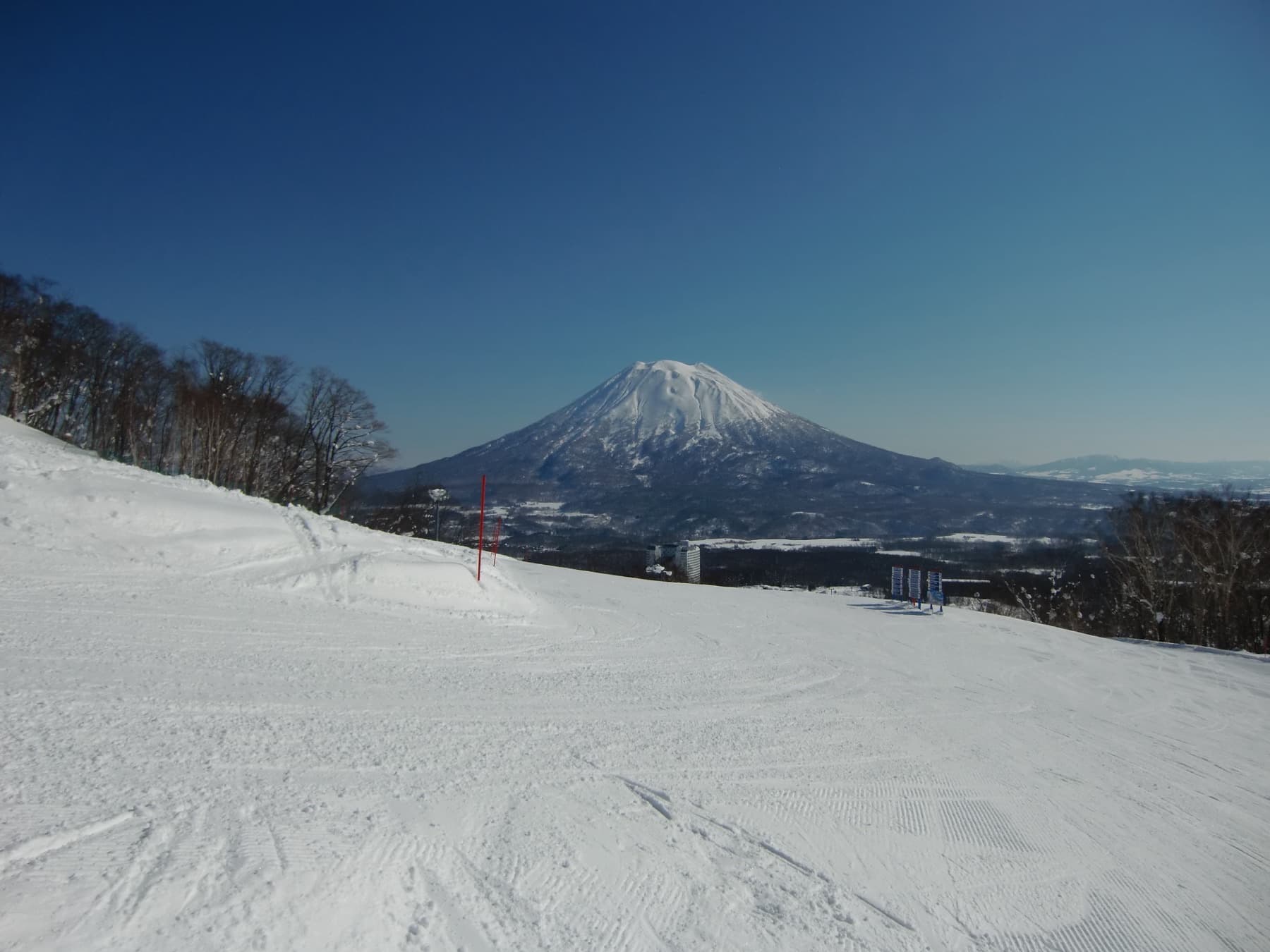
For years, American skiers talked about Japan the way people talk about a restaurant they have never booked: legendary powder, ramen after the last chair, an onsen that resets the cold. Australia and Hong Kong actually filled the lodges. That ranking just flipped.
In fiscal year 2025, visitors from the United States logged about 40,500 overnight stays across the Niseko tourism area (the towns of Kutchan, Niseko, and Rankoshi), according to figures compiled by Niseko Tourism and reported this summer by Powderlife. That edged past Australia and Hong Kong, long the foreign overnight leaders, by a few thousand stays each. The U.S. count rose about 15 percent year over year as total visitors to the area climbed to about 2.14 million.
The figure covers one powder belt in Hokkaido, not every Japanese ski town. It is still the clearest signal yet that Americans stopped treating Japow as a specialty detour and started treating it as a winter they expect to take.
Niseko Tourism’s own read, as summarized in that reporting, names three drivers that will sound familiar if you tried to ski the Rockies or Sierra on a thin year. Soft North American snow seasons mattered. So did a weak yen that still made on-mountain spending feel manageable next to a Colorado week. And the Ikon Pass folded days at Niseko United into a product many Americans already buy for home mountains.
Add the part the spreadsheets undercount. Japan sells the week after skiing as hard as the skiing. Seafood, miso, dairy, and an onsen soak that belongs in the day turn a powder chase into a trip people want to repeat. New York Times travel coverage of Hokkaido this past winter caught the same mood: Americans arriving for deep snow and staying for bowls and baths.
The climate story underneath is unchanged. Cold Siberian air still loads Hokkaido’s mountains with light snow, which is why long-run averages keep Niseko among the snowiest major resorts on earth. What changed is who will spend two flights and a bus ride to sit under that weather.
When a market hits number one, the village feels it.
Hirafu lodging that once looked cheap against Aspen now prices like a destination that knows its waitlist. Peak weeks from late December through Chinese New Year sell out months ahead. English menus and Australian accents are the base soundtrack now. Quieter Hokkaido hills (Rusutsu, Furano, Kiroro) pick up skiers who want the same storm track without the Hirafu night out.
On Honshu, Hakuba Valley is absorbing some of the spillover for a different reason: Tokyo rail access, steeper Olympic-era terrain, and a multi-resort pass that lets a group ski different characters of mountain without changing hotels every night. Japan Ski Experience, a specialist accommodation booker, said Hakuba took 58 percent of its own Japan lodging bookings in 2025–26 against Niseko’s 42 percent, the first time Hakuba led inside that company’s mix. Read it as one operator’s guest book, often weighted toward repeat travelers who already did Niseko. Niseko’s overnight and visitor tallies are still rising. The map is simply wider than the Instagram grid.
For an American planner, the squeeze is the decision. You are no longer early. You are competing with other households who read the same powder reports and noticed the same yen chart.
Match the mountain to the week your group can actually live.
Choose Niseko United (Annupuri, Niseko Village, Grand Hirafu, and Hanazono) if you want the international default: linked terrain, English-forward services, and Ikon Pass days if your pass already includes them. Confirm the live Ikon and Niseko United rules for your tier before you treat the pass as a free lift ticket. The four areas plan to open together on November 28, 2026, weather allowing, with night skiing typically starting in mid-December. January into mid-February is still the densest powder stretch on most resort calendars. It is also when beds disappear first.
Choose a quieter Hokkaido base when you want the snow more than the village soundtrack. Rusutsu rewards tree skiing with fewer tracked-out lines on a storm morning. Furano feels more like a Japanese mountain town with long vertical for mixed groups. Kiroro brings depth without the Hirafu bar crawl. Our Hokkaido powder guide walks those tradeoffs in more detail; the short version is climate first, nightlife second.
Choose Hakuba if someone in the group needs a Tokyo bookend, steeper days, or a valley where you can hop resorts on one pass. Expect more weather moodiness than Hokkaido’s cold, dry consistency, and expect foreign demand to keep lifting prices in Happo and the central strips.
Until this winter, the American pattern was usually Tokyo (Haneda or Narita), then a domestic hop to New Chitose Airport outside Sapporo, then a bus of roughly two and a half to three and a half hours toward Niseko once seasonal airport coaches are running. That route still works, and for many East Coast itineraries it will remain the honest one.
What is new is nonstop airlift into the snow. United Airlines plans three-times-weekly San Francisco–Sapporo service from December 11, 2026, through March 26, 2027, on a Boeing 787-9, the first regular nonstop between the continental United States and Sapporo, per the airline’s May announcement. Patrick Quayle, United’s senior vice president of network planning and global alliances, framed the route around winter travel into Hokkaido.
Air Canada opens Vancouver–Sapporo on December 17 on a similar seasonal, three-times-weekly Dreamliner schedule. Air Canada said first, in January; United’s May release quietly ended the “only North America–Sapporo nonstop” line before either airplane left the gate. Schedules move. Check the live booking before you tattoo the date on a group chat.
For West Coast and connecting passengers through San Francisco or Vancouver, those flights cut the Tokyo luggage gamble. You still need a confirmed bed. A seat into Chitose with nowhere to sleep in Hirafu is a bad trip.
September is late for peak January fantasy and early enough to still fix a real week.
Lock the beds first: Niseko if you want the full international package, a quieter Hokkaido mountain if you want powder without the scene, Hakuba if Tokyo access and steeper terrain win the family vote. Then price SFO–CTS or YVR–CTS against your usual Tokyo connection for the same dates. If you hold an Ikon Pass, read the Niseko day limits and blackouts for your tier before you assume the mountain is already paid for. Build one onsen and one serious meal into the daily plan so the trip is more than chairlift arithmetic.
Americans crossed into first place at Niseko on overnight stays. If that is your winter, reserve the address this month, while the group chat is still arguing about which mountain.
Related stories
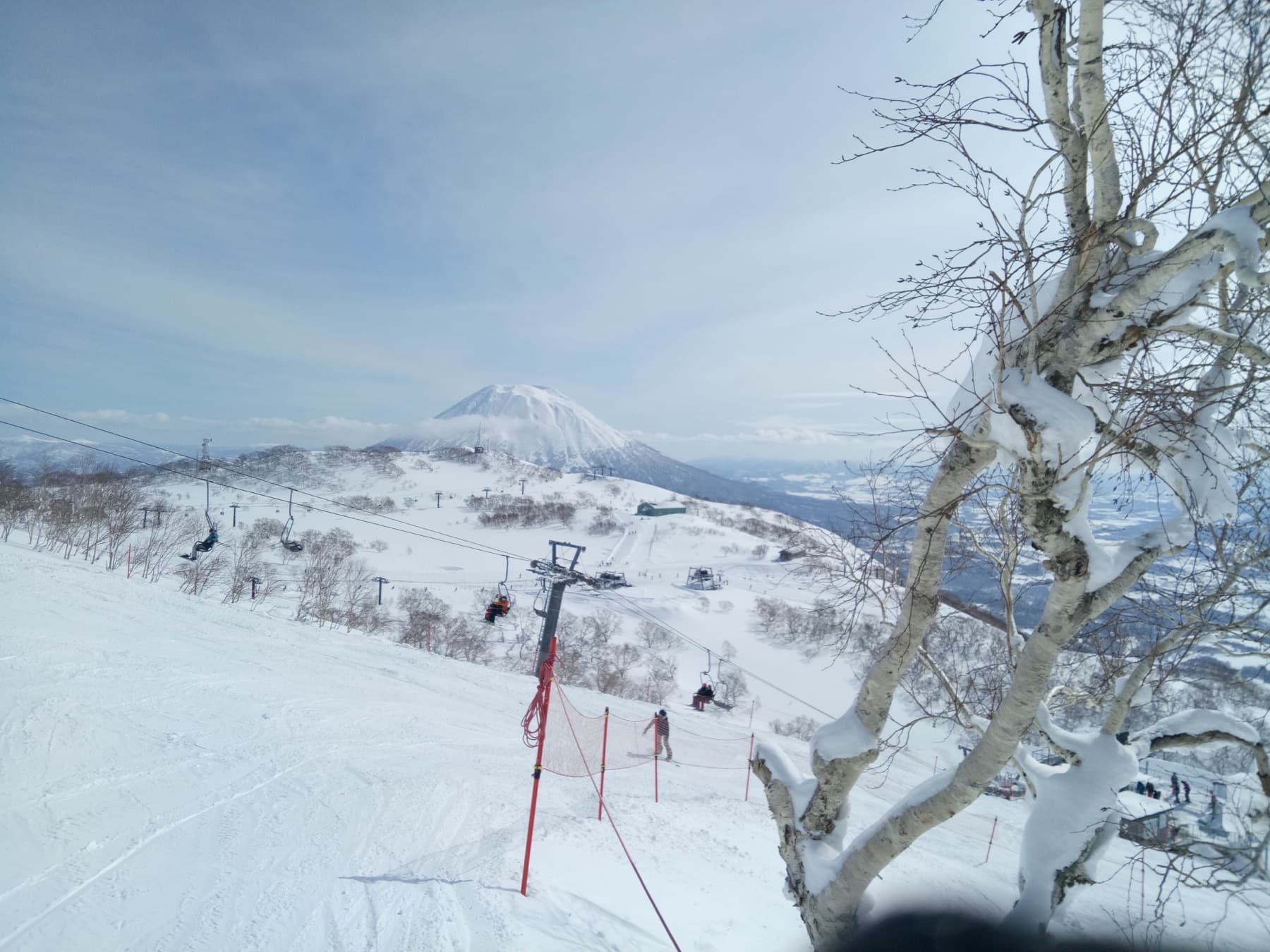
Japan Skiing Starts With Hokkaido Powder
Japan skiing earns the long flight because Hokkaido’s climate makes deep, dry powder a planning assumption more often than a lottery. Here’s how to pick the mountain.
5 min · Jul 26, 2026

New and Returning Nonstop Flights Between North America and Asia
From Phoenix–Taipei and Dulles–Taipei to Chicago–Manila and a winter race into Sapporo, the 2026 nonstop list is thickening beyond the usual coastal hubs. Here is what is operating, bookable, or still just announced as of August 19.
7 min · Aug 19, 2026
The Dolomites Are the Europe Trip for People Who Need Weather, Beauty, and Silence
Soft adventure in UNESCO limestone: rifugio lunches, alpine hotels, and roads that reward patience.
6 min · Jan 8, 2026
Aspen, Vail, and the Strange Social Codes of American Ski Towns
Ski towns have dress codes nobody wrote down.
4 min · Sep 5, 2025