
Japan Skiing Starts With Hokkaido Powder
With Niseko United’s Nov 28 open and a winter of Japow: pick Niseko, a quieter Hokkaido mountain, or Hakuba—and treat new Sapporo airlift as access, not the story.
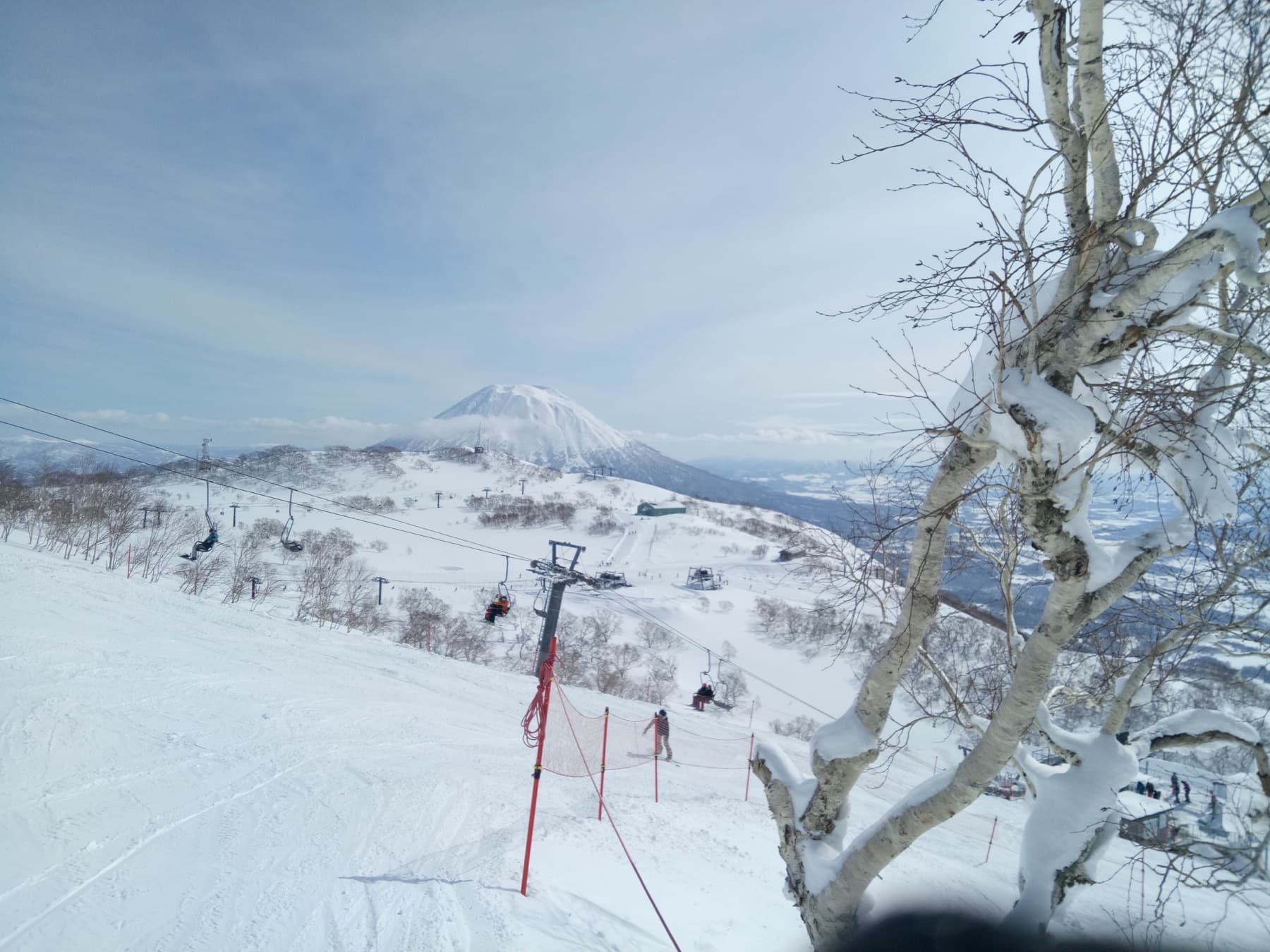
Japan skiing is not a cute add-on to a Tokyo week. Think of it as a winter destination with its own climate logic: cold Siberian air crosses the Sea of Japan, picks up moisture, and drops it as light, dry powder on the mountains facing that weather. Travelers nickname the result Japow. The useful trip starts there, with Hokkaido snow as the reason you booked, not with a packing list for Ginza.
If you grew up between Asian cities and North American ski towns, the Japan ski pitch can sound like marketing until you stand in a Hokkaido tree run after another overnight refresh. Long-run averages put Niseko among the snowiest major resorts on earth, often cited around fourteen to sixteen meters across a season in ski-industry guides. Hakuba, on Honshu, sits closer to eleven meters, with steeper Olympic-era terrain and a little more weather moodiness at the valley floor. Those are planning averages, not a promise that your particular week will match a powder film. Still, Hokkaido’s storm rhythm is why people fly for days instead of hoping Colorado draws a lucky storm.
Start the map in Hokkaido. Niseko United is the international default: four linked areas, Annupuri, Niseko Village, Grand Hirafu, and Hanazono, with English-forward services, nightlife that can feel Australian-heavy in peak weeks, and lodging that books early. The official 2026-27 calendar has lifts running from November 28, 2026, with Annupuri and Hirafu open into early May 2027, Village into early April, and Hanazono into mid-April, all weather-dependent. Late December through February is the densest powder window travelers call Japanuary, and January into mid-February is the stretch many guides treat as most consistent. New Year and Chinese New Year weeks bring the pricing and crowd tax you either accept or dodge on purpose.
If Niseko’s village energy is the wrong soundtrack, there are quieter Hokkaido alternatives without inferior snow. Rusutsu offers excellent tree skiing and fewer tracked-out lines on powder mornings. Furano has a more domestic Japanese mountain town feel and long vertical for a mixed-ability group. Kiroro brings deep snow with less nightlife noise. Sapporo Teine and other city-adjacent hills work as day-trip convenience if you want ramen alleys and a Snow Festival evening more than a full resort immersion. The decision is personality and logistics, not a purity contest.
Honshu still belongs on the shortlist for a different reason. Hakuba Valley is the steeper, more technical option closer to Tokyo’s rail web: ten resorts in one Olympic neighborhood, bigger vertical ambition on the best days, and an easier culture-and-ski combo if someone in your group needs a city bookend without a second island hop. Hakuba’s snow can be superb, but it is also more variable than Hokkaido’s cold, dry consistency. Powder hunters who want reliability lean north. Terrain hunters who want challenge and a Tokyo sandwich lean Nagano. Some travelers split a longer trip across both islands, but only if the transfer time and lodging churn feel honest for your group.
Pace the week like a soft adventure, not a conquest: roughly one mountain base for five to seven ski days instead of resort-hopping for Instagram variety. Treat onsen recovery as structural, not optional spa content; wet cold and deep snow punish pride. Hokkaido food is part of the product, too, with seafood, miso, dairy, and a Sapporo night if you want city contrast after the last chair. Book lessons on day one if Japan’s soft snow and tree spacing feel unfamiliar; powder skill is not the same as groomer competence from Tahoe. Lodging is the binding constraint: peak weeks fill months out, and "we will find something near the gondola" is how trips become shuttle marathons.
Access is the footnote, not the headline. New Chitose Airport (CTS) outside Sapporo is Hokkaido’s winter gateway, with seasonal airport buses toward Niseko running roughly two and a half to three and a half hours depending on stop and weather; confirm the live Chuo Bus / Niseko Bus winter timetable, which in recent seasons has clustered in mid-December through March rather than guaranteeing opening week. The usual North American pattern is Tokyo (Haneda or Narita) then a domestic hop to CTS. There is also a new seasonal continental United States nonstop into Sapporo from San Francisco, planned three times weekly from December 11, 2026, on a Dreamliner, one more way to land closer to the snow if the schedule fits your city, subject to the usual live-schedule and approval caveats. Do not build the trip identity around an airline logo. Build it around which mountain you want to wake up under.
What to do this week, in midsummer, is practical. Check Niseko’s November 28 open on the official calendar and reverse-engineer lodging from your preferred base. Weigh a peak-versus-shoulder choice: late January powder density versus March quieter pricing and different snow texture. Sort passport, JR or bus tickets, and rental gear holds before you romanticize a last-minute powder chase. Decide whether anyone in the group needs Tokyo first for jet-lag kindness or can fly straight into Hokkaido winter. Consider Hakuba only if the terrain-and-Tokyo logic is stronger than Hokkaido’s snow logic for your people.
The honest close is warm and specific. Japan skiing is worth the flight when the snow is the point and the mountain matches your nerves. Hokkaido is the climate story that made the destination famous. Niseko is the complete international package, quieter Hokkaido hills are the powder without the scene, and Hakuba is the Honshu alternative when steeps and city access matter more. Book the mountain first. The flight is only how you arrive.
Related stories
Aspen, Vail, and the Strange Social Codes of American Ski Towns
Ski towns have dress codes nobody wrote down.
4 min · Sep 5, 2025
Japan’s Visitor Map Is Changing, Even If the Sidewalk Still Feels Full
JNTO’s first-half numbers show China down more than half while Korea and Taiwan surge. Spending barely budged. Here’s what that shift feels like on the ground.
4 min · Jul 24, 2026
Tokyo Is Not a Beginner City, and That Is the Point
Tokyo punishes checklist tourism and rewards travelers who can tolerate not seeing everything.
8 min · Jun 1, 2026
The Dolomites Are the Europe Trip for People Who Need Weather, Beauty, and Silence
Soft adventure in UNESCO limestone: rifugio lunches, alpine hotels, and roads that reward patience.
6 min · Jan 8, 2026