APEC Backed Paperless Trade in Shenzhen. Small Exporters Still Retype Forms
Leaders welcomed a 2027–2030 trade-digitalization framework, and ministers backed electronic bills of lading and invoices. On one Vancouver-to-Kuala Lumpur container, the invoice, certificate of origin, and bill of lading still carry the same data in triplicate.
What the leaders and ministers published
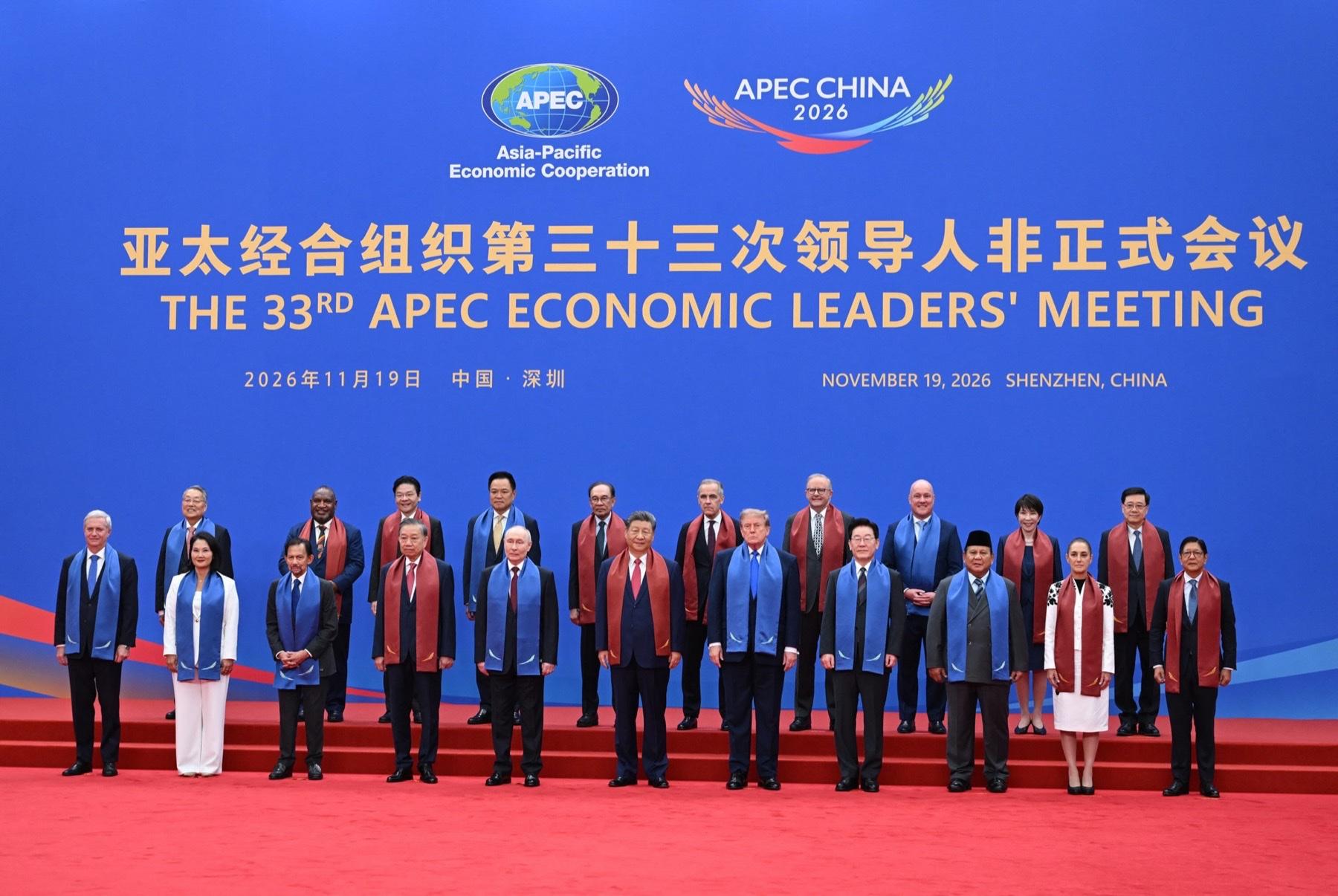
On November 18 and 19 in Shenzhen, APEC Economic Leaders welcomed the Trade Digitalization Cooperation Framework for 2027 through 2030. The leaders’ declaration says economies will keep facilitating trade, including through measures to advance paperless trade and cross-border e-commerce. The framework is more specific, and more cautious. Economies are encouraged to publish trade-administration forms electronically, treat electronic submissions as the legal equivalent of paper, and explore exchanging electronic records in commercial cross-border trade across transport modes. A separate clause pushes interoperable electronic invoicing. Implementation is voluntary, non-binding, and paced to each economy’s readiness.
APEC ministers, meeting in the same host city, went further on documents. Their joint statement reaffirms work on cross-border recognition of electronic trade-related documents such as electronic bills of lading and electronic invoices. It encourages economies to align domestic law with the principles of the UNCITRAL Model Law on Electronic Transferable Records, known as MLETR, and points firms toward the APEC Centre of Excellence for Paperless Trade, or ACCEPT.
Tomorrow’s shipping instruction still asks for the same fields. Shenzhen named the tracks that might eventually clear them once.
One container’s paperwork
Consider a Vancouver-area maker of industrial air filters booking one twenty-foot container to a distributor in Kuala Lumpur. The commercial invoice lists seller and buyer, Incoterms, currency, line values, and the Harmonized System description the broker will use. The preferential certificate of origin, issued here for a CPTPP claim, repeats origin, parties, and product identity so Malaysia can grant the preferential rate. The ocean bill of lading names the shipper, consignee, vessel, container, and cargo description the carrier will release against.
Those three documents sit at the center of ACCEPT’s early work, alongside customs bonds. In September in Dalian, ACCEPT’s dialogue told governments that about four billion paper trade documents still move each year, that less than one percent of trade is fully digitalized, and that ocean carriers issue roughly forty-five million bills of lading a year, about ninety-five percent of them still not electronic. Kok Ping Soon, an APEC Business Advisory Council member for Singapore and chief executive of the Singapore Business Federation, which hosts the ACCEPT secretariat, put the cost in plain terms: delays, duplicated processes, and higher compliance costs when systems do not connect.
Where the same data is typed again
On the commercial invoice, staff already entered the buyer’s legal name, address, HS description, unit prices, and Incoterms into the accounting system. The freight forwarder asks for the same parties and cargo words on the shipping instruction that becomes the bill of lading. Canadian export reporting and the Malaysian import declaration need the HS code and values again. If a bank is financing the deal, the letter-of-credit set wants invoice data a fourth time.
The certificate of origin shows the double entry most clearly. Origin, exporter, consignee, and product description leave the invoice, go into a chamber or authorized-body application, and print on the CoO. The importer’s broker then retypes those fields into the preferential claim. Until the issuing system and the destination customs system share a trusted electronic CoO, that re-key stays on the checklist.
The bill of lading adds a physical loop. Even when the carrier’s booking is electronic, many small shipments still travel on a paper original. Couriers move it to the bank or buyer. Someone endorses it. Someone surrenders it for cargo release. The data on the face of the BL already lived on the invoice and the shipping instruction. The paper is what still costs days.
What in the Shenzhen package could cut a step
Interoperable electronic invoicing, named in the framework and in the ministers’ statement, is the path that could stop invoice lines from being retyped into a customs declaration, if both customs administrations accept the same electronic invoice as source data. ACCEPT’s invoice work is the pilot track for that test.
Electronic certificates of origin sit inside ACCEPT’s four-document focus. If an issuing body can push a CoO that Malaysian customs will accept without a paper original and without broker re-entry, the preferential claim loses one transcription. The framework’s paperless-trade clause, which treats electronic trade-administration forms as legal equivalents of paper, helps only for government forms. A commercial CoO still needs the destination’s recognition rule.
Electronic bills of lading are the clearest physical win. Ministers explicitly backed cross-border recognition of eBLs. MLETR-aligned law is what lets an electronic transferable record stand in for a paper original. When the carrier, the bank, and both jurisdictions treat the eBL as exclusive control of the goods, the courier and the wet-ink endorsement chain can drop out. Until then, the ninety-five percent paper share APEC cited remains the small exporter’s default.
What to watch on real trade lanes
Encouragement language is not a reason to rewrite standard operating procedures. The framework runs through 2030 and says cooperation is voluntary. ACCEPT’s job is pilots that show where legal and technical links still break.
On the corridors you actually ship, three signals matter. A live electronic-CoO path between Canada, or your home economy, and the destination customs system your buyer uses. A carrier and bank pair that will issue and finance an eBL on your trade lane under rules both ends recognize. A customs single window that will pull invoice data from an interoperable e-invoice instead of a manual declaration screen.
If those three stay pilot-only, the Vancouver filter maker still fills the same invoice, still applies for a CoO, and still waits on a paper bill of lading. Shenzhen named the work. The step that disappears is the one a destination broker no longer has to type.
Related stories

BYD, Boeing, Baidu and Google Are Heading to Shenzhen. What Can Companies Learn From the APEC Meetings?
CEO Summit Nov. 17–18; leaders Nov. 18–19. Watch for orders, joint ventures, clearing progress, and leaders’ annexes with calendars.
7 min · Nov 16, 2026
What Origin Rules Mean for a Canadian Gearmotor Bound for ASEAN
ACAFTA is not a live preferential rate. A Canadian manufacturer gets the cut only if the finished good meets the rules of origin, including how Vietnamese or Thai parts count. Build the file before the annexes drop.
7 min · Nov 21, 2026
ASEAN Has Signed Its Digital Economy Agreement. What Does a Cross-Border Seller Watch Next?
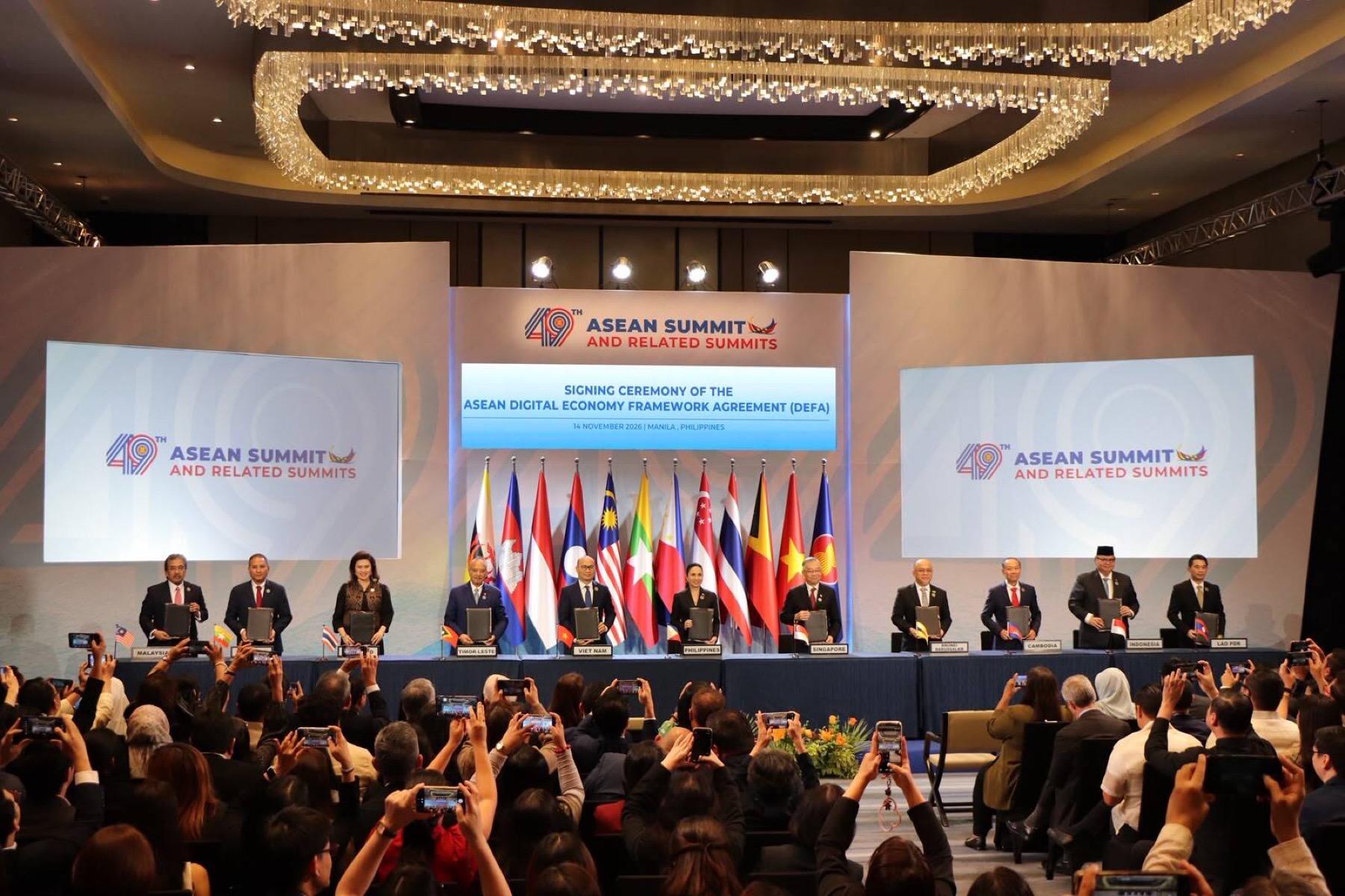
DEFA is signed. Entry into force is aimed for early 2027, about 180 days out. Watch the published text and country notices on e-documents, payments, and digital IDs before you rebuild a workflow.
6 min · Nov 15, 2026

China Will Ease Tariffs on Canadian Spot Prawns Through 2028
China is set to drop the extra 25% on certain frozen cold-water shrimp and prawns, including Pacific spot prawn, from Jan. 1, 2027, through 2028. Match your SKU to the implementing notice before pricing without the surcharge.
7 min · Nov 22, 2026
Related global reads
Transpacific Bound
BYD, Boeing, Baidu and Google Are Heading to Shenzhen. What Can Companies Learn From the APEC Meetings?
Transpacific Bound
What Origin Rules Mean for a Canadian Gearmotor Bound for ASEAN
Eastward Drive
Seattle to Vancouver road trip
At the Banquet
The Banquet guide to Hong Kong
At the Banquet
Three nights at Rosewood Hong Kong