What Origin Rules Mean for a Canadian Gearmotor Bound for ASEAN
In Manila, Canada and ASEAN called free-trade talks substantially concluded. No preferential rate is live yet. An Ontario-assembled industrial gearmotor shows how regional parts, cumulation, and a still-closed annex decide whether a factory can claim preference once the text and tariff schedules appear.
Substantial conclusion is not a live rate
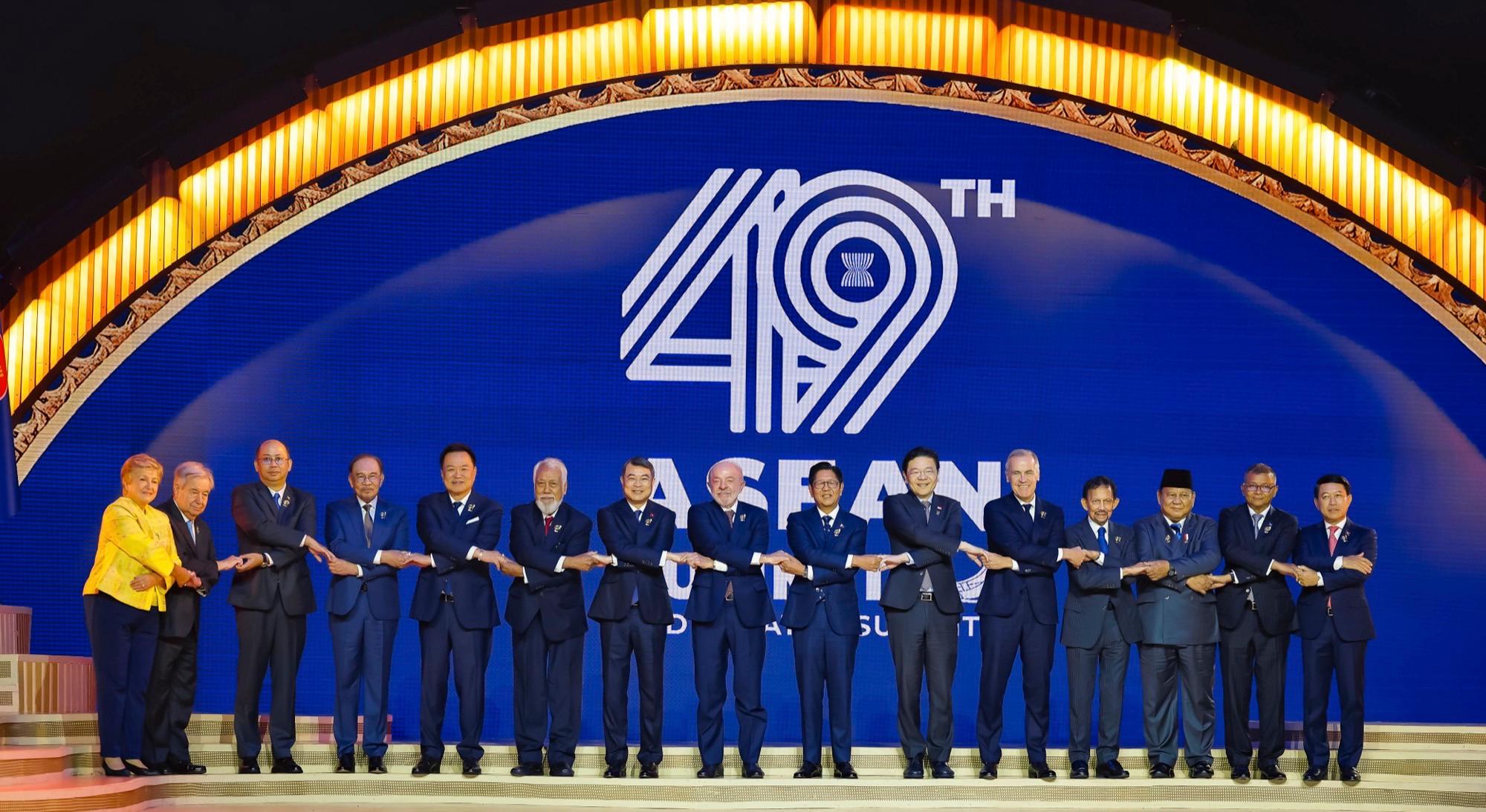
On November 15 in Manila, on the sidelines of the 49th ASEAN Summit, Canada and the Association of Southeast Asian Nations announced the substantial conclusion of negotiations for an ASEAN–Canada free trade agreement, usually called ACAFTA. The joint statement from the ASEAN chair and Canada lists twenty-five chapters, including rules of origin. Global Affairs Canada’s tracker still says the deal is not in force. Textual talks are largely done. Negotiators still have to finish technicalities, with a signing aim in 2027 for the fiftieth anniversary of ASEAN–Canada dialogue relations.
For a plant manager, that language is a calendar note, not a price change. Substantial conclusion means the hard bargaining is largely behind both sides. It does not put a preferential rate on a customs entry this week. Ottawa’s release puts ASEAN at nearly 700 million people and about $6 trillion in economic size, and models nearly $2 billion in Canadian GDP and about 14,000 Canadian jobs once the pact is working, especially in agriculture and manufacturing. Those figures are government projections after entry into force. They do not belong on this week’s commercial invoice.
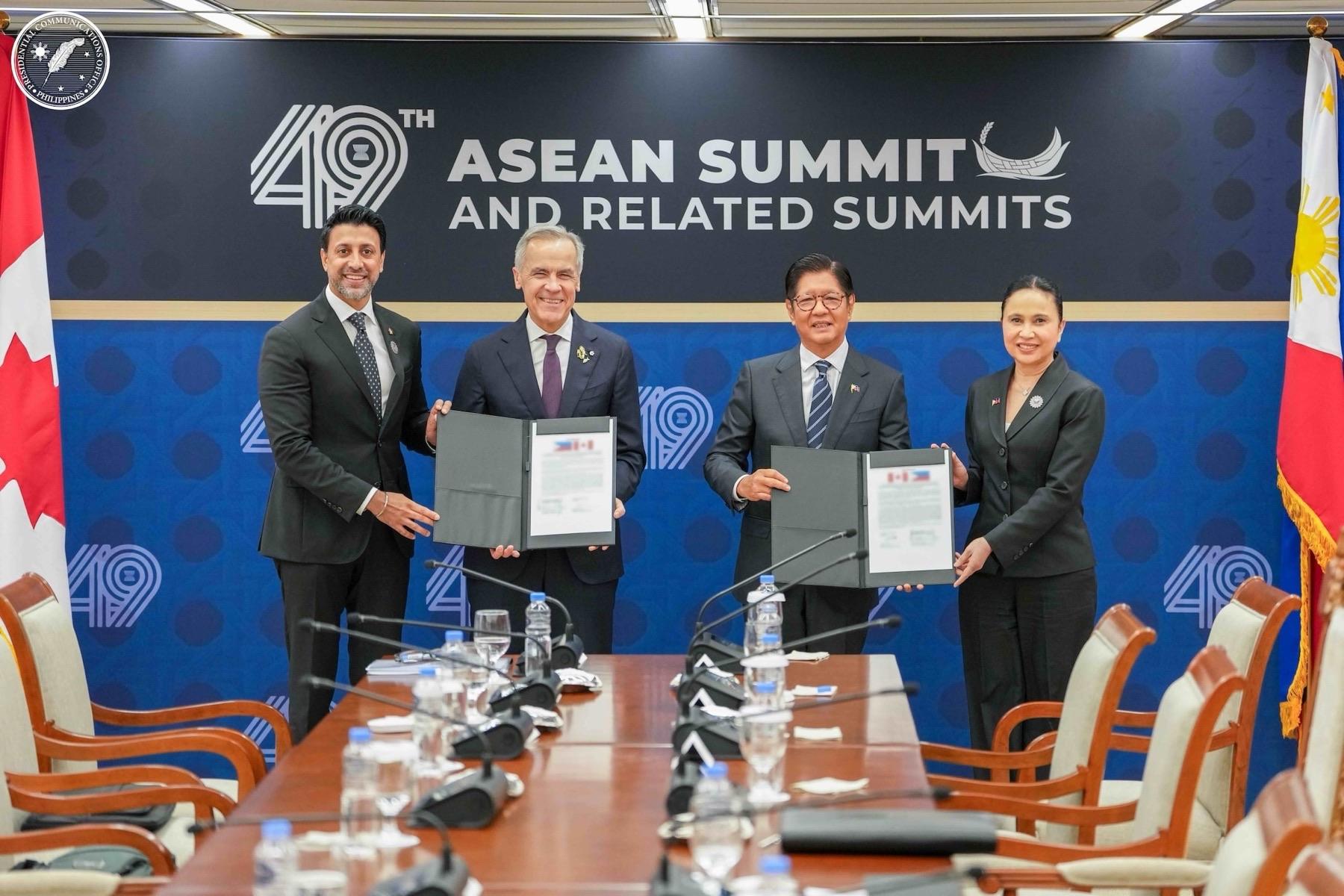
Keep the Philippines file in its own folder. During the same Manila visit, Ottawa and Manila closed bilateral free-trade talks, also aiming to sign in 2027. That bilateral negotiation is finished. ACAFTA still has remaining steps. A gearmotor into Manila and the same motor into Bangkok will not share one calendar or, necessarily, one origin rule.
One product: an Ontario gearmotor with ASEAN parts
Here is a worked example, not a customs claim. An Ontario plant assembles industrial gearmotors for warehouse and factory conveyors. That is the kind of manufactured export Ottawa cites when it talks about ASEAN job gains. Classify the finished unit under the Harmonized System. Gears and gear boxes sit in heading 8483; a licensed classifier should lock the exact subheading before anyone prices preference.
Open the bill of materials. The cast housing and core machining are Canadian. The precision shaft comes from Vietnam. The electronic drive board comes from Thailand. The bearings are Chinese. Fasteners and small hardware come from Taiwan. Vietnam and Thailand are ASEAN members. China and Taiwan are outside ACAFTA.
Whether that motor originates for preferential entry into Vietnam or Thailand depends on the product-specific rule that will sit in an ACAFTA annex for that HS line. Most treaties use one test or a mix of three: a change in tariff classification when non-originating inputs are transformed, a minimum regional value content calculated a certain way, or a named manufacturing process. Textiles, autos, and some agri-food lines often run harder. Machinery can go either way. Until the annex is public, no one can certify this motor against ACAFTA.
Cumulation decides how much the regional BOM helps. If Canadian producers can count Vietnamese and Thai materials as originating when the final good ships under ACAFTA, the shaft and drive board support the claim. If cumulation is narrow, or if the destination chapter treats those inputs differently, the same bill of materials fails. Chinese bearings and Taiwanese fasteners will need a de minimis allowance or enough Canadian and ASEAN processing to clear the rule. None of that text is out yet. This winter, map every input by country and HS so the day the annex appears is a matching job.
Documents to build when the text and schedules appear
When Canada and ASEAN publish the agreement text and tariff schedules, assemble a preference file for this gearmotor before you change a quote.
Confirm classification: the Canadian export code and the import line your buyer’s broker will use in each ASEAN market you care about. Pull the product-specific rule of origin for that line from the ACAFTA annex, and pull the tariff staging for the destination member: rate, phase-out, any quota. Rebuild the bill of materials with country of origin and HS for every input. Collect supplier declarations or certificates that support ASEAN origin for the Vietnamese shaft and Thai board.
If the rule uses regional value content, complete the worksheet with the costing method the treaty names. Keep a short manufacturing process description and production records that show the assembly and testing done in Ontario. When the agreement specifies a certificate of origin or a self-declaration form, fill that document exactly. Commercial invoices and packing lists have to match the claim. Store the stack for whatever verification period the customs chapter sets. Brokers in Hanoi, Bangkok, or Manila will ask for pieces of it on entry.
Watch one trap. If the same plant already ships into Vietnam under the Comprehensive and Progressive Agreement for Trans-Pacific Partnership, or into Indonesia under the Canada–Indonesia deal that starts December 1, those preferences sit on different instruments. An ACAFTA origin claim is not interchangeable with a CPTPP or CEPA claim for the same box.
What to do while the annexes stay closed
Leave preferential ASEAN rates out of firm quotes. Stick to the most-favoured-nation landed cost you can defend. If a buyer wants to see upside, show a dated alternate that expires when schedules appear.
In the meantime, confirm HS lines with your broker. Ask Vietnamese and Thai suppliers what origin paperwork they already issue under other ASEAN-linked deals, so you know how fast they can turn an ACAFTA-style declaration. Watch the Chinese bearings: if they are a small share of value, a future de minimis clause may save the claim; if they dominate, redesign or dual-source before entry into force. Put ACAFTA signature and ratification on the same board as the Philippines bilateral, and keep the folders labeled separately.
Manila is why the origin file should be open. Preference still waits for a published product-specific rule, a live tariff line, and a gearmotor whose Canadian housing, ASEAN shaft and board, and non-party parts actually clear the test.
Related stories
Canada and the Philippines Finished Trade Talks. What Can Businesses Prepare Before the Deal Takes Effect?
Bilateral talks are finished; ASEAN talks are substantially finished. Signature is aimed for 2027. Hold preferential quotes until the schedules and entry-into-force dates exist.
6 min · Nov 14, 2026

Canada’s Indonesia Trade Deal Starts Dec. 1. What to Check Before You Quote
Walk one Canadian product through Indonesia’s tariff schedule, origin rules, and importer handoff, then price a sample container with the assumptions written out.
8 min · Nov 11, 2026
L.A. Moved Another Million TEUs. The Rail Leg Is Still Slow
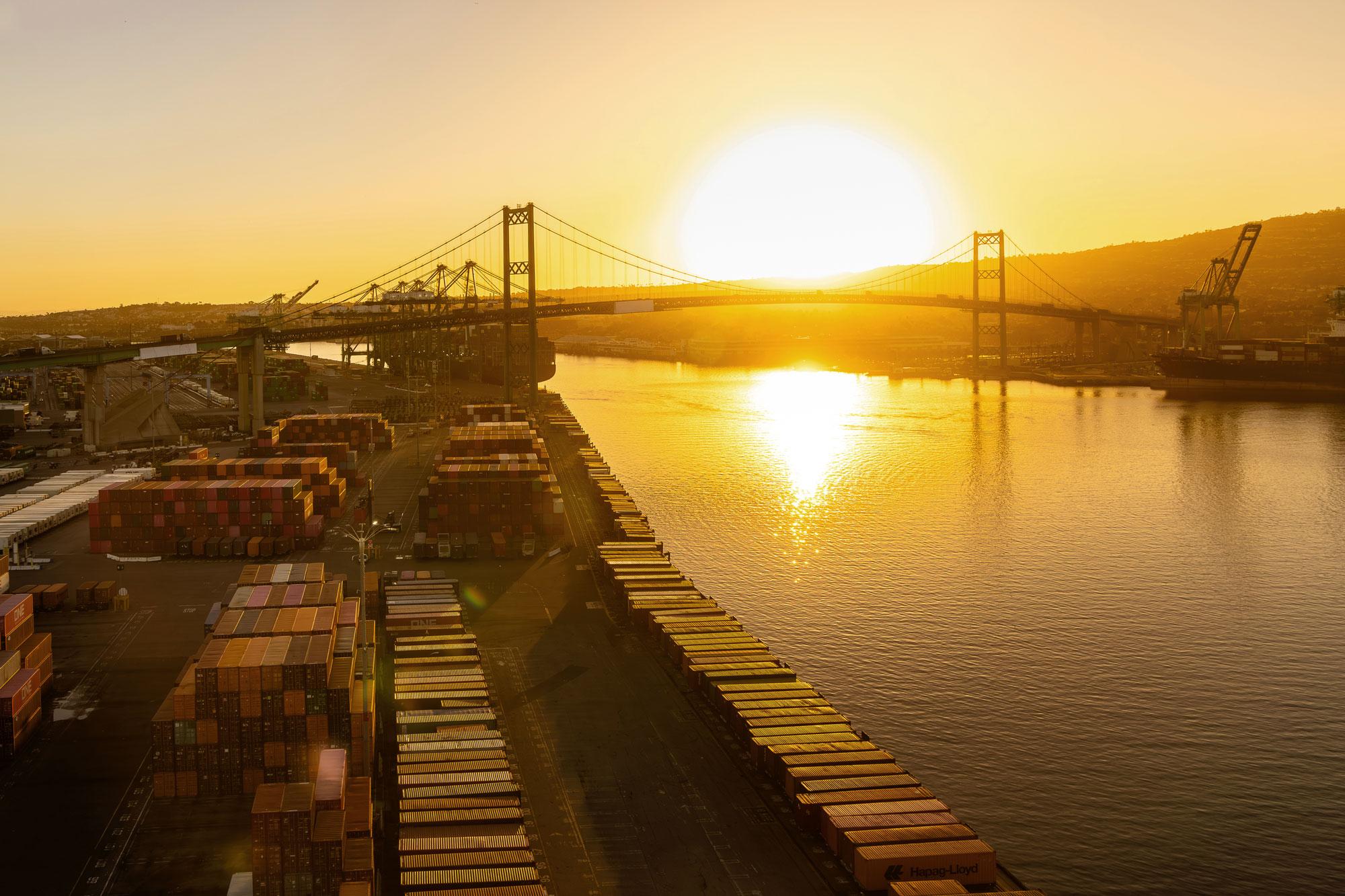
Los Angeles cleared just over a million TEUs in October. Read that dock count apart from inland rail performance, then see what today’s Local 26 tentative agreement settles and what it leaves open.
7 min · Nov 21, 2026
A U.S. Tax Threat Just Entered the Budget for Overseas Data Centers
Trump said he would tax U.S. firms that build data centers overseas, and admitted he had not briefed his staff first. No rate or bill exists yet. Owned Asian campuses sit closest to the words he used.
7 min · Nov 20, 2026
Related global reads
Transpacific Bound
Canada and the Philippines Finished Trade Talks. What Can Businesses Prepare Before the Deal Takes Effect?
Transpacific Bound
Canada’s Indonesia Trade Deal Starts Dec. 1. What to Check Before You Quote
At the Banquet
The Banquet guide to Singapore
At the Banquet
What a decade of Michelin Singapore actually measures
My Gold Scene
Vancouver city guide