
BYD, Boeing, Baidu and Google Are Heading to Shenzhen. What Can Companies Learn From the APEC Meetings?
The APEC CEO Summit opens Tuesday in Qianhai with Chinese and U.S. executives on the agenda alongside leaders’ talks on FTAAP, digital trade, and AI. For auto, aviation, logistics, and digital teams, the useful test is a named deal, a regulatory step, or leaders’ text with a date.

Two rooms that matter this week
The APEC CEO Summit opens Tuesday at the Qianhai International Convention Center in Shenzhen and runs through Wednesday. The China Council for the Promotion of International Trade expects more than 2,000 political and business leaders, including people from 115 Fortune Global 500 companies. U.S. firms make up about a fifth of the foreign participants, the largest national group outside China. A welcome reception is set for Monday evening at MGM Shenzhen Prince Bay in Shekou.
Reuters, working from Monday’s released agenda, listed BYD Chairman Wang Chuanfu, Baidu CEO Robin Li, Boeing Global President Brendan Nelson, and Google’s head of global government affairs and public policy, Karan Bhatia, among the expected attendees. Global Times matched several of them to specific sessions: Wang on sustainable development, Li on an open AI ecosystem, Nelson and Bhatia on the Free Trade Area of the Asia-Pacific, or FTAAP.
The leaders’ meeting follows on November 18 and 19 under China’s host theme, “Building an Asia-Pacific Community to Prosper Together.” That is where draft statements on FTAAP, a Trade Digitalization Cooperation Framework for 2027–2030, and digital economy and AI language either pick up dates or stay aspirational. In both rooms, the practical question is the same: what can a company act on once the speeches end?
What would count as a real outcome
A named aircraft order, joint venture, plant commitment, or financing window with a calendar is usable. So is a regulatory step already in motion, such as a clearing license advancing, or a leaders’ annex that creates a working group with a first meeting date. A panel appearance, a photo with a minister, or a speech about open cooperation is not enough.
APEC senior officials meeting in Shenzhen over the weekend set up the policy paper companies should read against that test. They considered a draft FTAAP statement built around policy research, capacity building, and technical cooperation, still short of a signed free-trade agreement. They also reviewed China’s proposed Trade Digitalization Cooperation Framework for 2027–2030, a digital economy and AI statement aimed at health, education, and energy uses, and work on paperless trade, electronic bills of lading, and AI in customs.
Those are the documents to hold against each industry.
For auto and battery teams
BYD’s Wang is scheduled for the sustainable-development session. CATL founder, chairman, and CEO Zeng Yuqun opens the morning business dialogue with Rio Tinto CEO Simon Trott, Baidu’s Li, and U.S. Chamber of Commerce President and CEO Suzanne P. Clark. That is the right room for electric-vehicle market access, battery supply chains, and green-industrial policy talk.
What would move a sales or investment model is narrower. Watch for a named assembly or battery partnership, a tariff or local-content clarification tied to a published schedule, or leaders’ language that creates a work program on EV standards or critical-mineral trade with a next meeting. CATL’s third-generation Shenxing battery claims from April belong in the product file. They do not change this week’s APEC calendar.
If the week ends with sustainability talking points and no commercial paper, leave the auto model where it was on Monday.
For aviation and logistics teams
Boeing’s Nelson is scheduled on the FTAAP panel with Google’s Bhatia. UPS CEO Carol Tomé is listed for the connectivity discussion. For airline lessors and cargo planners, the signal that matters is still an order memorandum, a lessor commitment, or a corridor facilitation pilot with dates. A speech about trade architecture will not rewrite a fleet plan.
FTAAP remains APEC’s long-term integration goal. The draft statement senior officials reviewed points to research and capacity building so economies can join high-standard agreements. That path can matter for aviation if it later feeds into tariff or services schedules. This week’s purchase pipeline still depends on company releases.
Logistics teams should watch the paperless-trade track and any connectivity follow-on to the 2015–2025 blueprint. An endorsed Centre of Excellence workplan or a customs AI pilot with named ports and a start date is usable. A connectivity keynote alone is not enough.
For digital, AI, and payments teams
Baidu’s Li appears twice on the published agenda: the morning dialogue and the AI innovation-ecosystem session with Unitree Robotics founder Wang Xingxing and Mastercard CEO Michael Miebach. Google’s Bhatia is on FTAAP. Visa CEO Ryan McInerney is scheduled for the digital-economy session with Xiaomi’s Lei Jun and China UnionPay Chairman Dong Junfeng.
For AI and cloud sellers, look for a standards or interoperability workplan, a named commercial partnership, or leaders’ AI text that creates a dated follow-up. A general call for safe and trusted systems will not fill a compliance calendar. Baidu’s Monday report that AI cloud infrastructure revenue rose 94 percent year on year in the third quarter is company news. Treat it separately from any summit deliverable.
Payments teams already have one live regulatory thread. Visa said in October that China’s central bank had approved preparations for a domestic bankcard clearing institution, with a one-year window before a commencement application. Progress past that prep stage, or a digital-economy annex that names clearing and cross-border payment work with a calendar, would be the Shenzhen add-on. Sharing a digital-economy stage with UnionPay does not change the license path.
What to read when the week closes
Through Wednesday evening, watch company press releases that name counterparties and amounts. On Thursday and Friday, read the leaders’ documents for FTAAP, the 2027–2030 trade-digitalization framework, and any AI or digital-economy statement that makes it through the room. Look for annexes, work programs, and first-meeting dates. Warm language without a calendar can wait.
Geopolitical side meetings may dominate the wire. Chinese Foreign Ministry spokesperson Mao Ning has already called a planned China–U.S.–Russia leaders’ encounter groundbreaking. That track can move markets. It is still a separate story from an EV plant, a Boeing order, or a payments license.
Treat the CEO Summit as a map of who is shopping which agenda. Treat the leaders’ meeting as the place where APEC either attaches dates to FTAAP and digital trade work, or leaves both without a calendar. Follow up when the paper carries a date.
Related stories
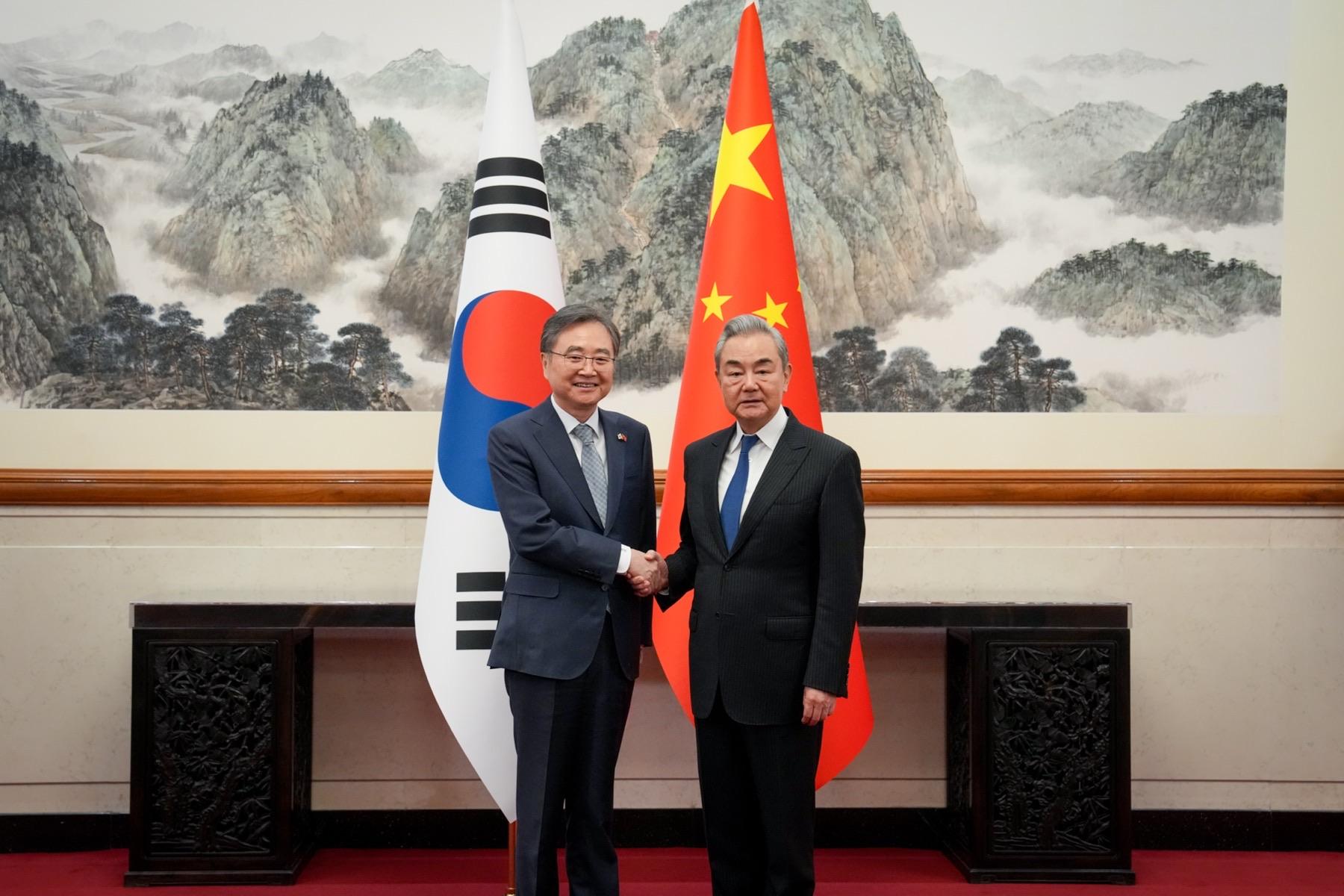
Seoul and Beijing Are Talking Ahead of APEC. What Would Count as Progress for Korean Companies?
Friday’s foreign-minister talks set up APEC Shenzhen. For Korean firms, progress looks like a published FTA services calendar or a dated market package.
6 min · Nov 14, 2026
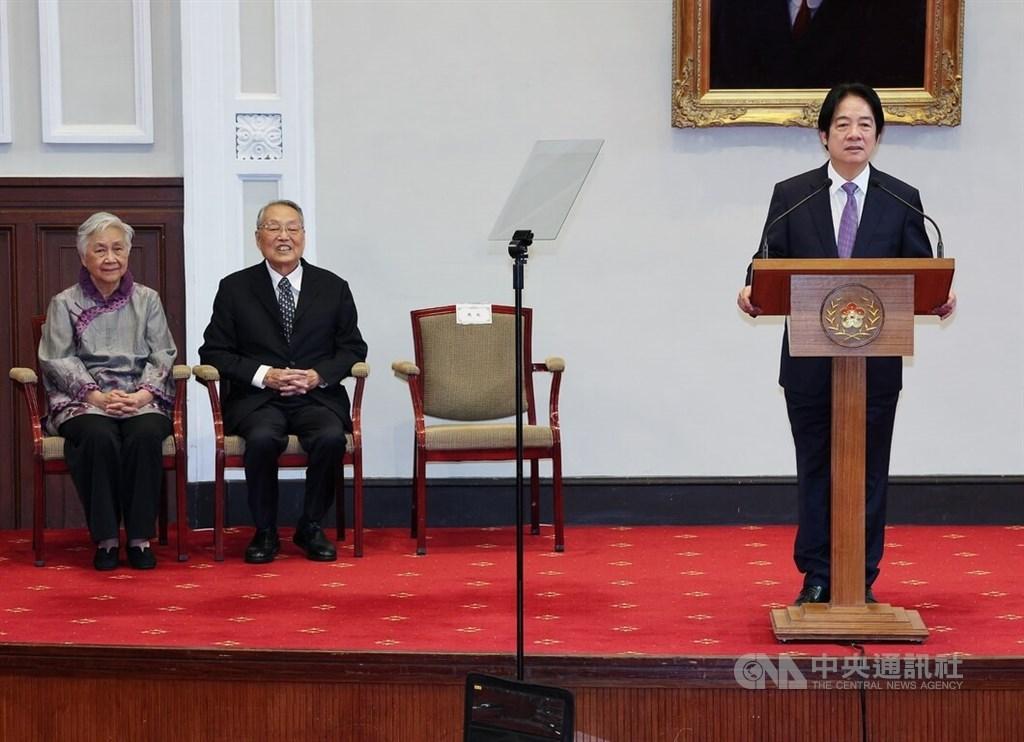
Taiwan Is Sending Acer Founder Stan Shih to APEC. What Is He Being Asked to Do?
Shih is back at APEC after 19 years. The brief Lai handed him is built around chips and AI cooperation.
6 min · Nov 12, 2026
Canada and Cambodia Signed a Trade Cooperation Deal. Here’s What Businesses Can Watch Next
Two MoUs are signed. FIPA and double-tax talks are exploratory only. Watch for negotiation launches, published work plans, and entry-into-force dates before changing quotes or structures.
6 min · Nov 16, 2026
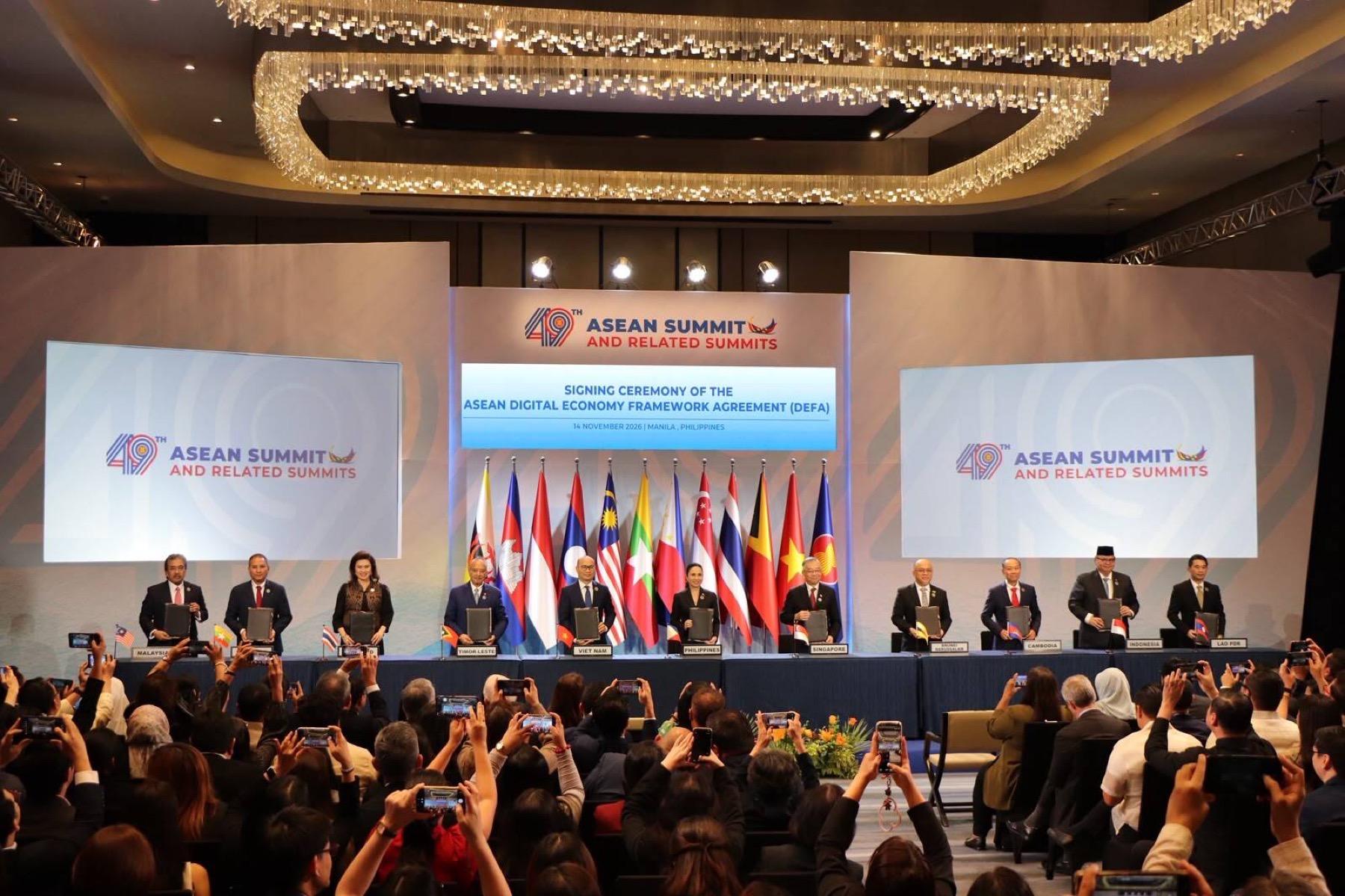
ASEAN Has Signed Its Digital Economy Agreement. What Does a Cross-Border Seller Watch Next?
DEFA is signed. Entry into force is aimed for early 2027, about 180 days out. Watch the published text and country notices on e-documents, payments, and digital IDs before you rebuild a workflow.
6 min · Nov 15, 2026
Related global reads
Transpacific Bound
Seoul and Beijing Are Talking Ahead of APEC. What Would Count as Progress for Korean Companies?
Transpacific Bound
Taiwan Is Sending Acer Founder Stan Shih to APEC. What Is He Being Asked to Do?
East Table
East Asia cold noodles field guide
East Table
Japan food consumption tax cut
Medalist News
How Japanese football became a Europe export