
Apple’s Memory Bill Just Hit the Holiday Guide
New CEO John Ternus called memory pricing unprecedented and guided holiday gross margin to 45–46 percent. Data-center demand is tightening the chips phones and Macs still need.
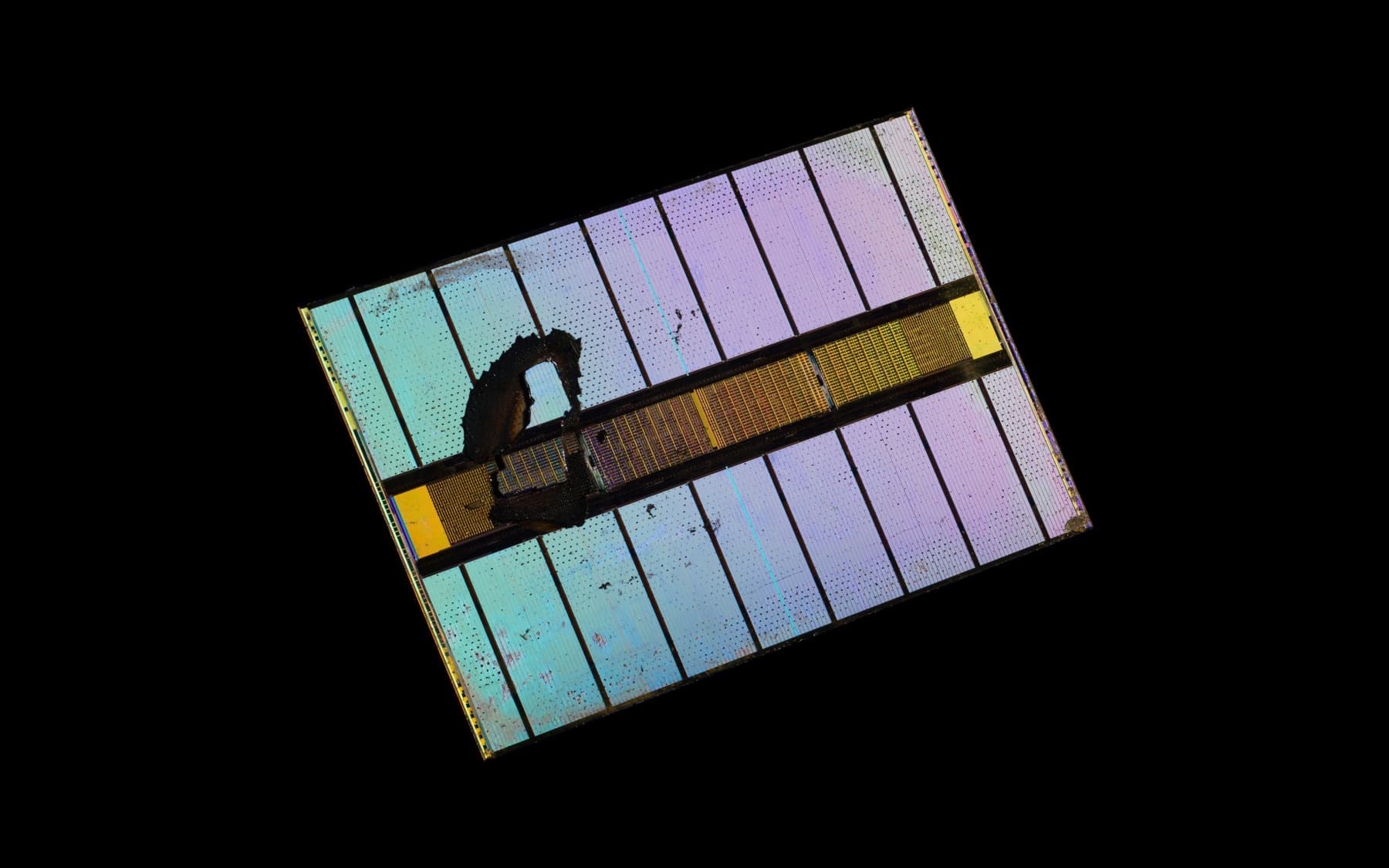
The margin in the holiday guide
John Ternus, Apple’s chief executive since September 1, delivered his first earnings call as CEO on Monday under a rising memory bill. Apple guided holiday-quarter gross margin to 45 to 46 percent, down from 47.9 percent in the September quarter. Kevan Parekh, Apple’s chief financial officer, said most of that sequential drop is higher memory costs, with some extra weight from the Siri AI ramp.
September already showed the squeeze. Company gross margin landed at that 47.9 percent figure, and product gross margin at 37.2 percent, each helped by about one percentage point of tariff refunds. Strip those refunds out of June and September, Parekh said, and margins were down about a point sequentially, primarily on memory. Revenue still hit a September-quarter record of $114.5 billion. The holiday guide still expects the company’s best revenue quarter ever, growing 7 to 10 percent, with constrained supply baked in.
What we’re seeing with memory pricing right now is unprecedented. Ternus expects December costs higher still, and purchase prices that keep rising after the holiday quarter.
Why the data-center boom hits a phone bill
AI servers do not buy the same modules as an iPhone, but they buy from the same industry. High-bandwidth memory and server DRAM pay better, so Samsung, SK hynix, and their peers have been steering capacity toward that stack. Conventional DRAM and NAND flash, the memory that fills phones, tablets, and laptops, get tighter. Contract prices for those parts have been climbing through the year, which is why Tim Cook, Ternus’s predecessor, called the shortage a hundred-year flood in June and why Apple already moved list prices.
Apple is large enough to lock supply many smaller PC brands struggle to match. Ternus said manufacturing purchase obligations jumped $33 billion from June to September as the company worked to improve supply. Inventory has swollen as Apple carries memory bought earlier. That cushion is real. Ternus also said the carry-in benefit fades over time.
The consumer-electronics market shares a factory floor with the AI buildout. When hyperscalers clear the high-margin wafers, the leftover capacity is what Apple and other device makers bid for. Monday’s guide says that bid is still rising into Christmas.
What Apple absorbs, and what you may see
Apple is paying more and showing it in the margin line. Offsets already on the books include Mac and iPad price changes at the end of June, iPhone increases in September, leftover lower-cost inventory, and savings on some non-memory parts. Parekh said those product price moves were made reluctantly. Sabih Khan, Apple’s chief operating officer, declined a clean answer on whether another round of hikes is coming, and stressed long supplier relationships while the company buys ahead.
Shoppers have already seen part of the bill on the sticker. Mac and iPad supply will stay tight through the holiday quarter, Apple said, largely because of memory. Watch the base configurations too: when list prices are sticky, storage steps often move first. Apple did not announce a new cut list on Monday. It did say memory purchase prices keep climbing after December, and that the cheap inventory buffer thins out.
Who pays for the AI hardware boom is split on this evidence. Data-center buyers take the first cut of scarce advanced memory. Apple takes a margin hit and has already passed some cost into device prices. The open question for the next product cycle is how much more of that gap lands on the shelf tag, and how much Apple keeps eating to hold unit demand.
Related stories
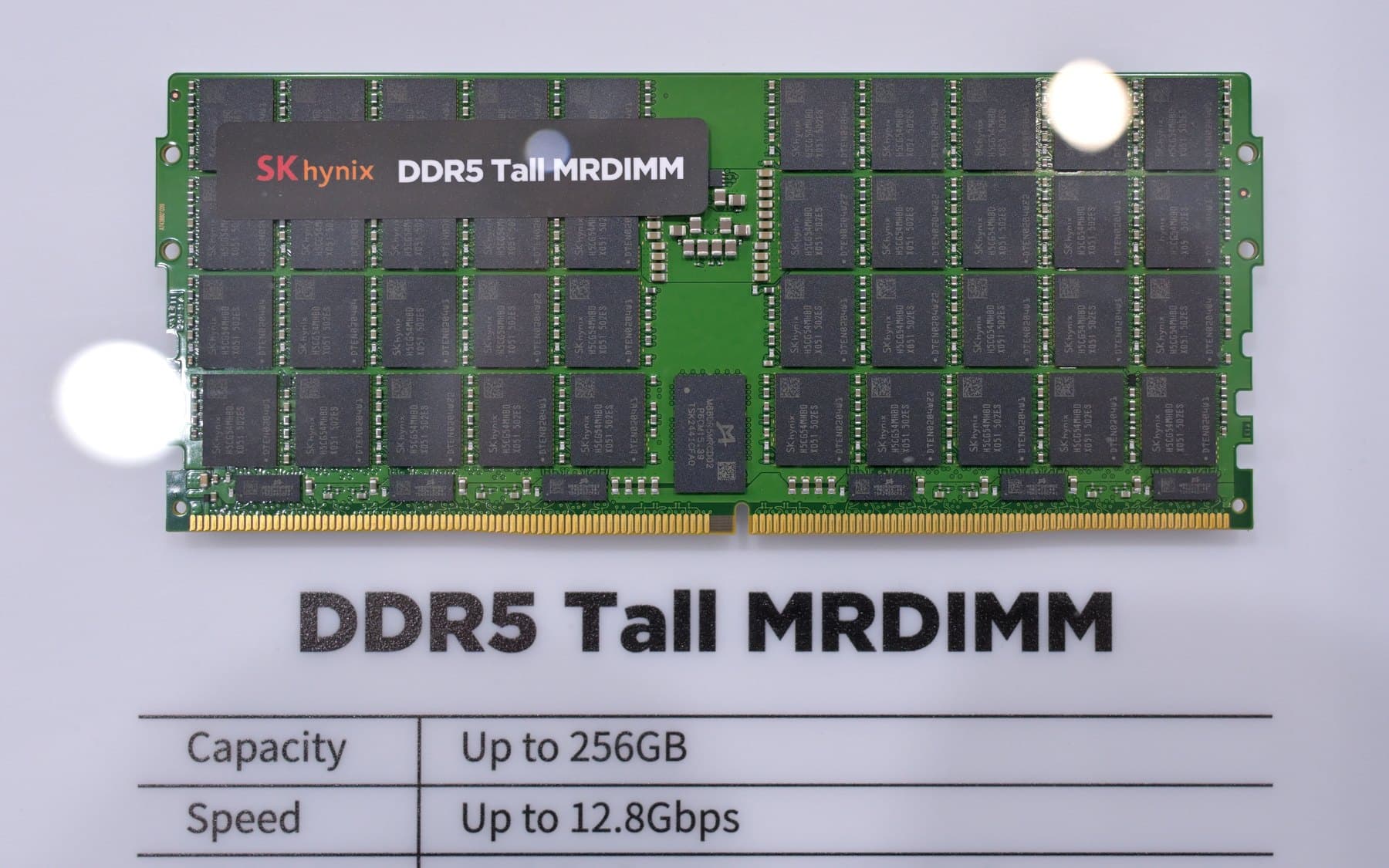
SK hynix Stopped Reviewing a Solidigm Listing
There is no Solidigm share to buy. The parent in Seoul still has a factory to pay for.
5 min · Oct 24, 2026
Tokyo’s Morning Chip Selloff Closed Flat
Seoul and Taipei were closed for the holiday. Monday is when Samsung, SK hynix, and TSMC price the drop. Tokyo reopens Tuesday.
5 min · Oct 11, 2026
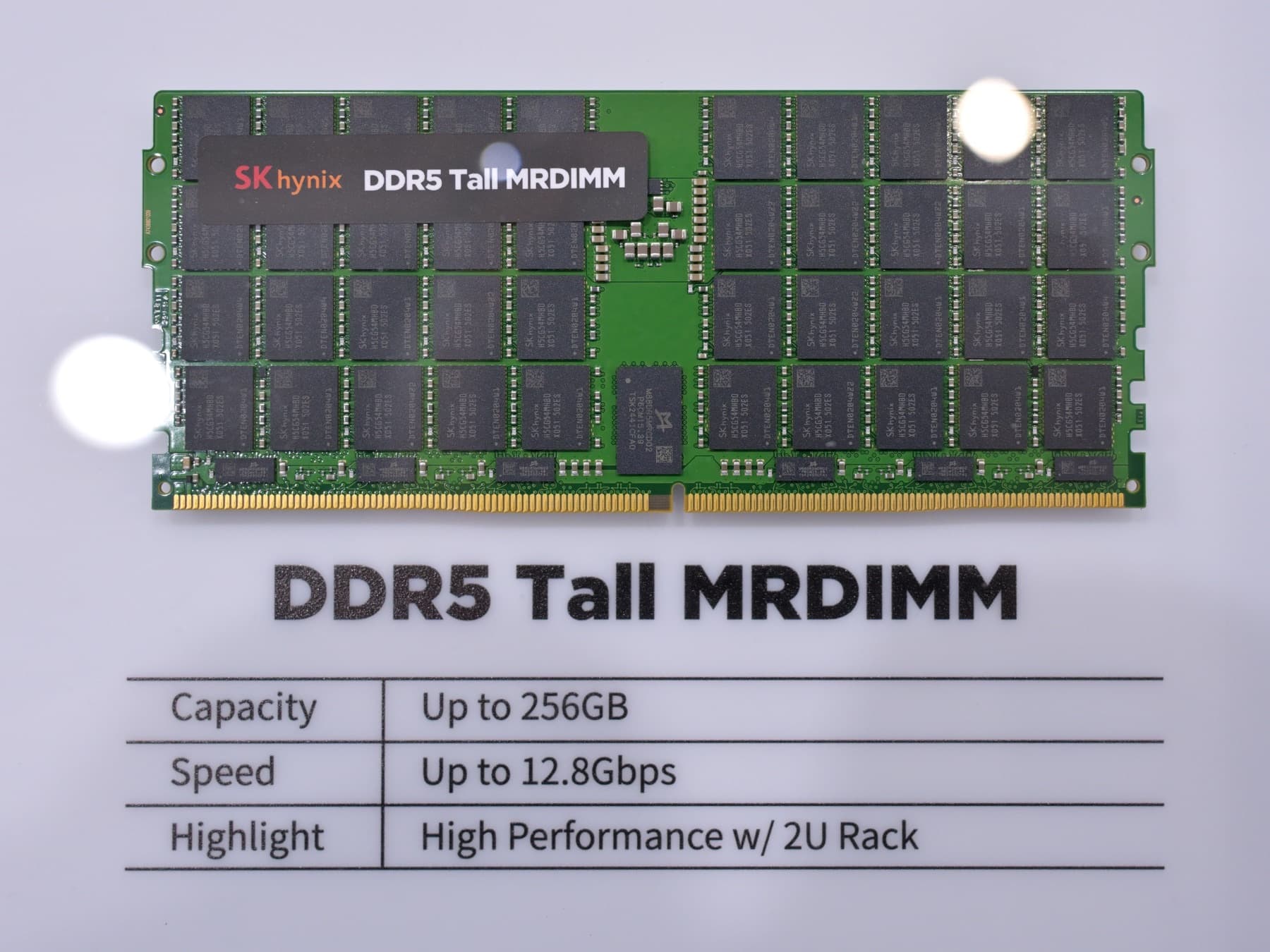
HBM4 Leaves the MOU Stage This Month
Hot Chips confirmed 12-layer HBM4 mass production. Company guidance points to a second-half volume push. KB Securities says Samsung and SK inventories are below ten days. Here is what that means for the Korea–Bay Area corridor.
6 min · Sep 9, 2026

AI Cargo Just Got a Weekly Freighter Loop
Chips and critical servers fly. Steel and transformers usually do not. The new loop is built for the first pile.
6 min · Nov 3, 2026