
HBM4 Leaves the MOU Stage This Month
July’s San Francisco memory deals were a shopping list. September is when SK hynix’s 12-layer HBM4 for Nvidia’s Vera Rubin has to move in volume, while Korean finished-memory shelves are already under ten days.
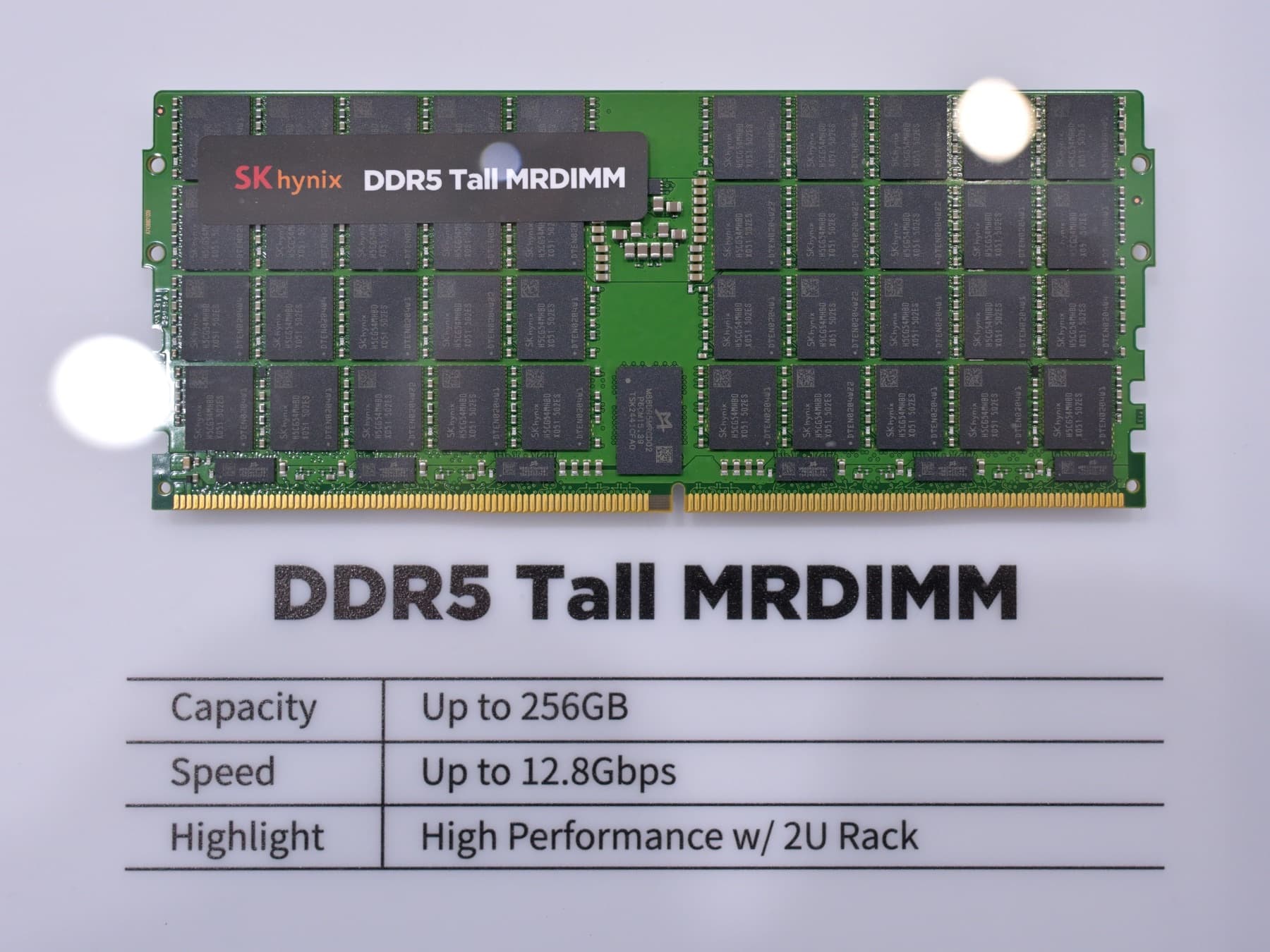
In July, San Francisco heard the shopping list. Seoul’s briefing put about $950 billion on five-year Korean–U.S. memory cooperation, mostly as advance purchase plans. Samsung’s Broadcom memorandum and SK’s Nvidia track dominated the week. The useful question in September is narrower: can the wafers keep up?
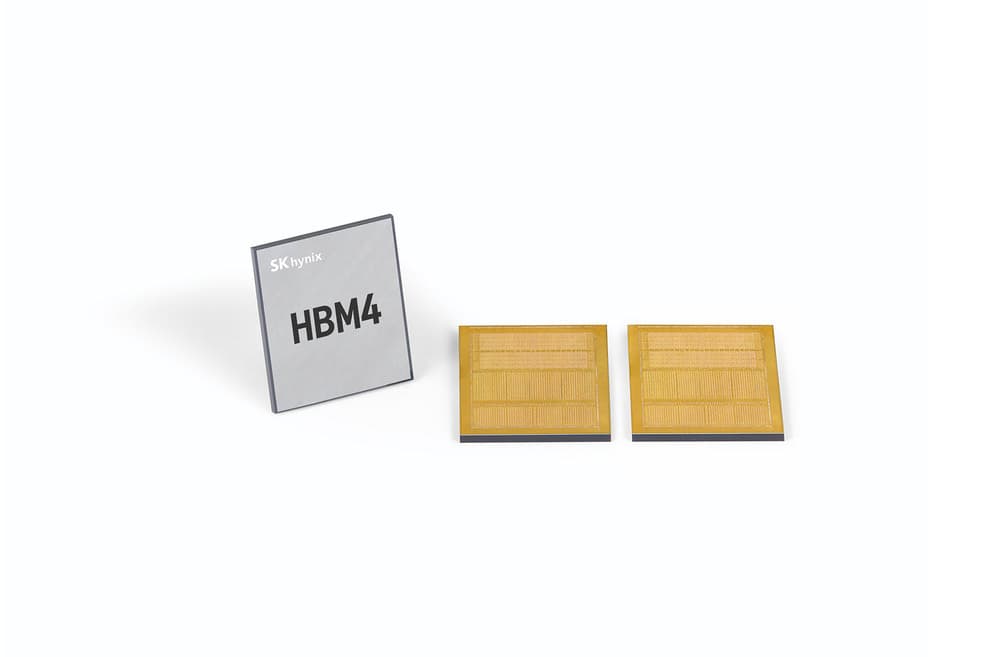
SK hynix’s own second-quarter call said mass-production supply of high-bandwidth memory 4, or HBM4, to major customers began in the second quarter, with yields already close to mature HBM3E levels, and that volume would expand in earnest in the second half. On August 24 at Hot Chips in Silicon Valley, Lee Jae-sik, vice president of package engineering at SK hynix America, put a sharper label on the same story. The company’s 12-layer HBM4 is in mass production, and a 16-layer version has entered customer qualification.
That is the product Nvidia needs for Vera Rubin accelerators this half. DigiTimes, citing The Bell and industry sources in July, reported that 12-layer HBM4 mass shipments to Nvidia had started by late June and that output was rising ahead of a broader September ramp. Treat that calendar as industry reporting, not an SK investor-relations slide. It still names the month we are in.
KB Securities, as cited this week by Seoul Economic Daily, says finished memory product inventories at Samsung Electronics and SK hynix have fallen to less than ten days of supply as of the third quarter. The same brokerage thread notes that HBM4 eats roughly three times the wafer capacity of commodity DRAM. Every stack pulled for an AI accelerator is capacity that does not become a phone or PC module.
Long-term agreements signed on California stages redirect cleanroom time toward whoever locked the book. When inventories sit under ten days, the next negotiation is less about whether AI demand is real and more about who gets next quarter’s bits, at what price, and how fast packaging partners can absorb them.
The geography is specific enough to stop saying “Korea” as if it were one loading dock.
Industry and earlier planning coverage put SK hynix’s HBM4 push on the M16 campus in Icheon, Gyeonggi Province, and the newer M15X fab in Cheongju, North Chungcheong. Those are the plants that have to feed this half’s Rubin-related stacks. Packaging and CoWoS integration still often pull Taiwan into the same itinerary, which is why Pacific freight and memory news keep colliding on the same weeks.
The United States end of the corridor arrives later, and as packaging rather than front-end wafers. On August 27 in West Lafayette, Indiana, SK hynix broke ground on a more than $4 billion advanced packaging plant. Company materials say Korean wafers will move there for stacking and test, with a cleanroom targeted by October 2028 and volume production of next-generation HBM4E aimed at the second half of 2029. Kwak Noh-Jung, SK hynix’s chief executive, framed Indiana as a made-in-USA gateway for U.S. customers. That plant is a 2028–29 story. September’s test is still whether HBM4 leaves Icheon on time.
July’s summit was diplomacy plus memorandums. Hot Chips was packaging engineering in a Stanford hall. The recurring trip that matters for the rest of 2026 looks more like allocation work: Korean memory teams and U.S. accelerator customers comparing yield charts, price reopeners, and delivery weeks, then flying home through Incheon or San Francisco with a revised spreadsheet.
If you sell into this chain, or you book the people who do, treat ICN–SFO/SJC weeks as infrastructure. Hotel inventory near Santa Clara during Hot Chips-style weeks, and near Pangyo or Icheon when customer teams visit fabs, behaves like conference inventory. The eight-day Asia work trip problem still applies. The meeting stops being optional once your name is on a multi-year HBM book.
Leave the $950 billion headline alone for a minute. Watch three nearer signals.
First, whether SK’s second-half guidance (HBM4 volume “in earnest,” bit growth above the first half) survives the next earnings tape without a soft shuffle. Second, whether next-year HBM price and volume talks, which the company said were already underway in July, harden into enforceable long-term agreement language with deposits and reopeners. Third, whether the under-ten-day inventory read from KB stays a Q3 snapshot or becomes the new normal as HBM keeps taking wafer share.
The corridor stops being a summit photo when the wafers have to leave Icheon on a schedule. This week is inside that test.
Related stories
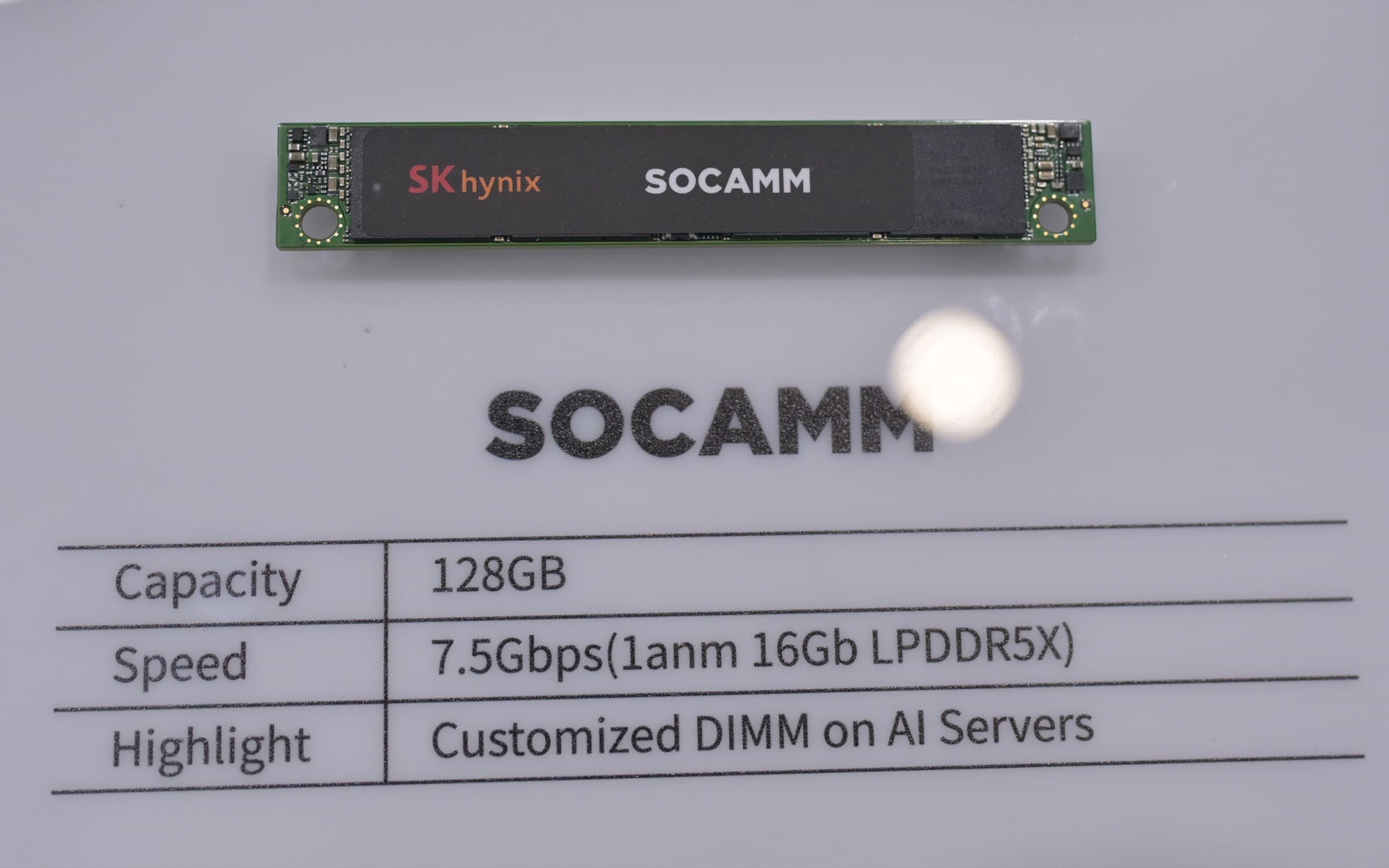
Korea Just Pre-Sold $950 Billion of Memory
Kim Yong-beom put ~$950B on Korean–US chip cooperation as advance memory orders, not investment. Here’s the SK–Nvidia, Samsung–Broadcom, and Naver split, and what still sits in unconfirmed.
4 min · Jul 25, 2026
Samsung and SK hynix Are Turning Silicon Valley Into a Contract Signing
Kim Yong-beom says Samsung and SK hynix will announce major long-term memory contracts during Lee’s Bay Area stop. Watch the customers; wait on the figures.
5 min · Jul 24, 2026
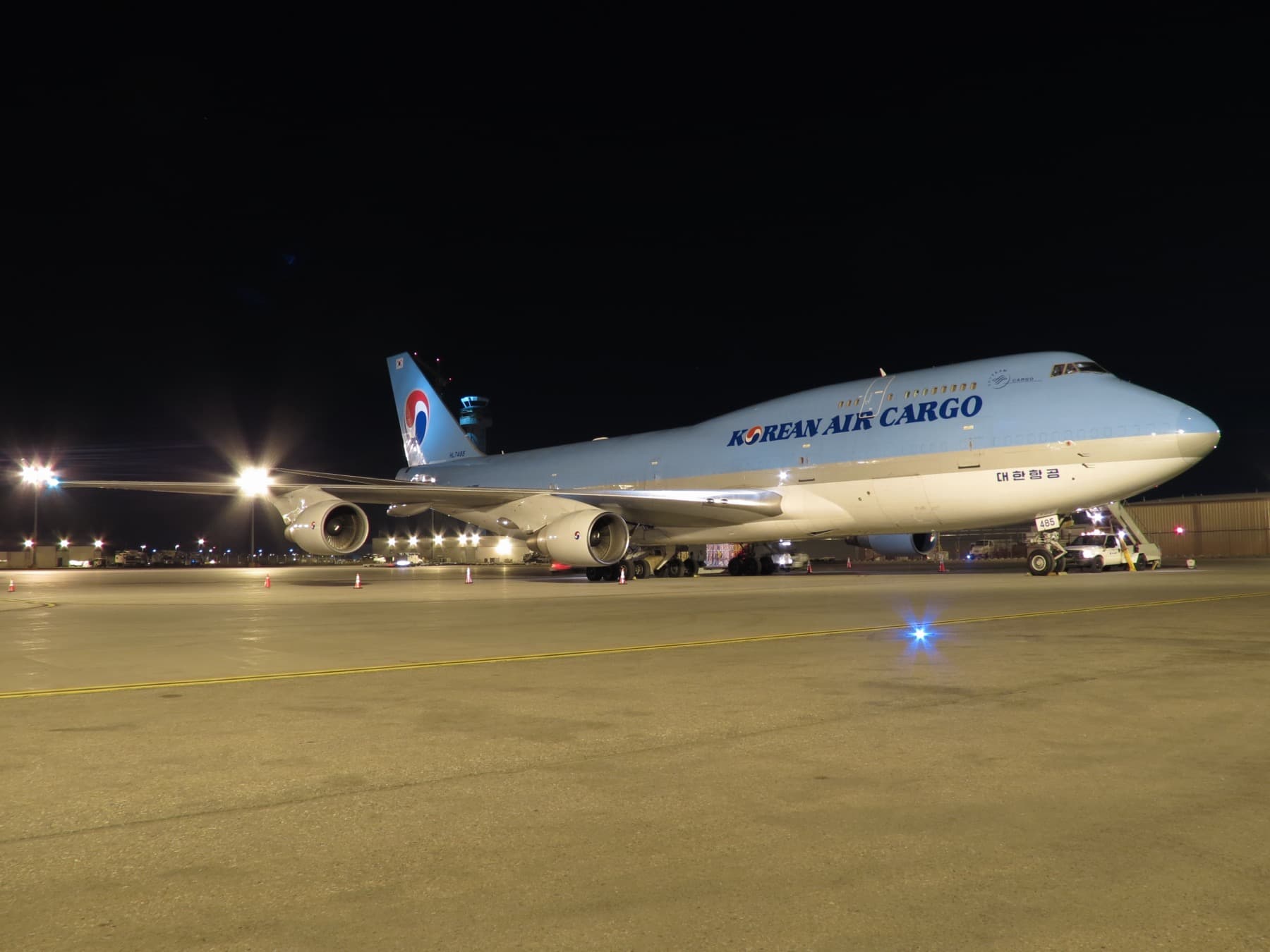
AI Hardware Is Filling Transpacific Air Cargo to the Ceiling
Xeneta puts Asia–North America dynamic load factors at 90%. May Taiwan–U.S. rates hit $7.02 per kilo. Korean Air’s cargo yield jumped about 42% in the second quarter.
5 min · Jul 24, 2026
Why SK hynix’s Record Quarter Sent Its Stock, and Asia’s Chip Sector, Sliding
SK hynix posted the best quarter in its history on July 29. Investors sold anyway, joined by Samsung, Kioxia, and other Nvidia-linked suppliers across Asia.
7 min · Jul 30, 2026
Related global reads
Transpacific Bound
Korea Just Pre-Sold $950 Billion of Memory
Transpacific Bound
Samsung and SK hynix Are Turning Silicon Valley Into a Contract Signing
AsiaMS
K-beauty crosses the $2 billion mark as U.S. household adoption triples
At the Banquet
The Banquet guide to Seoul
At the Banquet
The return of quiet luxury in Seoul