
AI Cargo Just Got a Weekly Freighter Loop
Nippon Express and Japan Airlines started a Los Angeles–Narita–Taipei–Singapore circuit on October 3. The plane is for chip and data-center freight that cannot wait on the water.
The loop that started in October
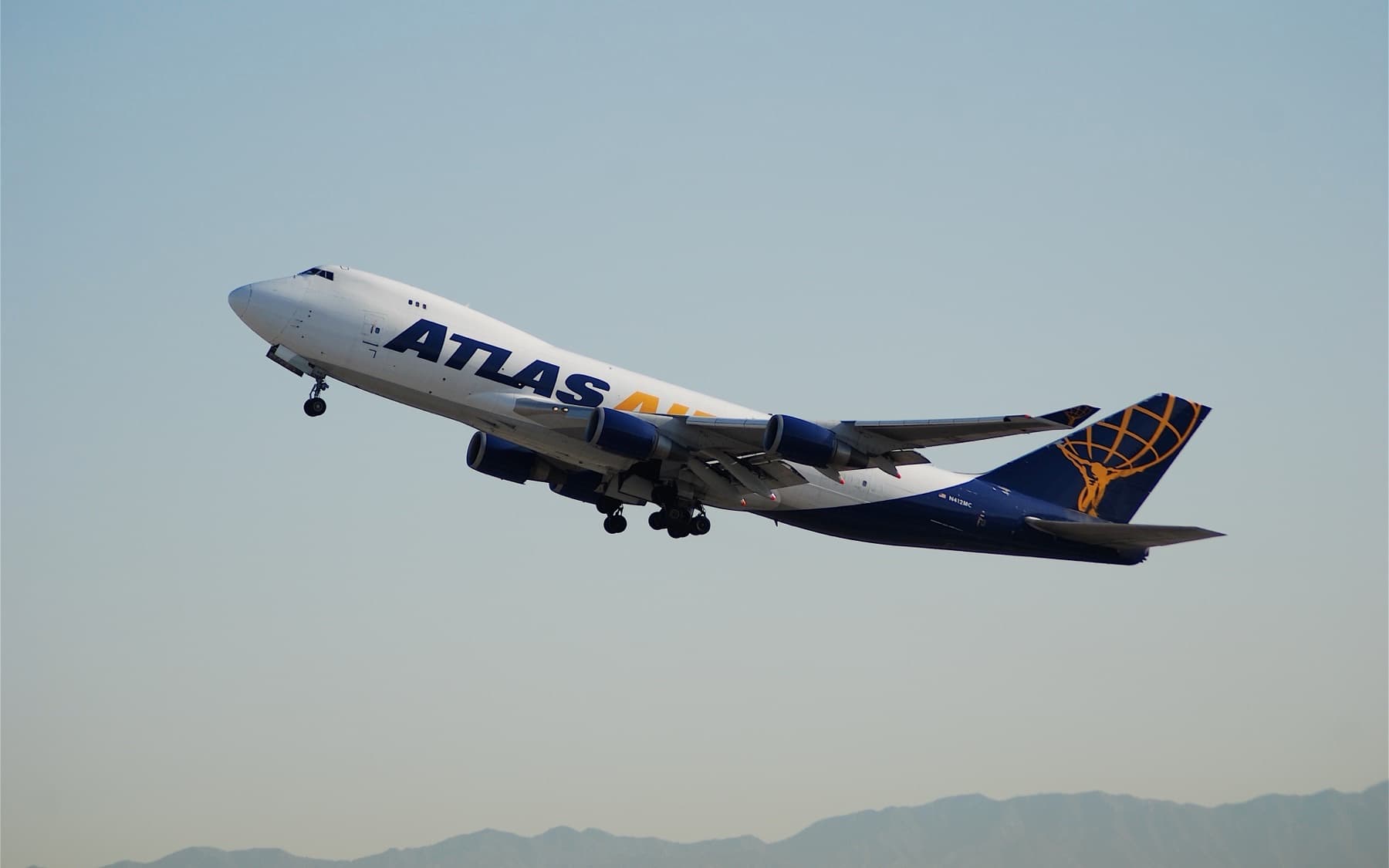
On October 3, a Boeing 747 freighter left Los Angeles on a weekly circuit that Nippon Express Holdings—the NX Group logistics company—and Japan Airlines put together for AI- and semiconductor-related cargo. The route runs Los Angeles to Narita, then Taipei’s Taoyuan Airport, Singapore, back through Narita, and home to Los Angeles. NX and JAL say each stop can load and unload, and that the airplane can take about 100 tons.
One flight a week is the 2026 plan. Both companies say they want more later. Yuichiro Kito, JAL’s senior vice president for cargo and mail, said the partnership brings large-freighter service to the U.S. West Coast for the first time in this setup, on top of JAL’s passenger bellies and its own freighter flying. FreightWaves has reported that JAL is fielding 747 freighters through long-term deals with Atlas Air, Kalitta Air, and Cargolux, and that Atlas flying also underpins the dedicated NX loop.
The geography is the point. Tokyo, Taipei, and Singapore sit on the chip-and-server map. Large freighters inside Asia are scarce. A weekly airplane that can pick up in those cities and still touch Los Angeles is how NX and JAL are answering that gap.
What flies, and what waits for a ship
AI infrastructure does not all fit on one mode. The freight that pays for air is the critical-path pile: accelerators and GPUs, memory modules, high-performance networking gear, and other high-value semiconductors that hold a deployment if they land late. NX’s own release also names oversized and heavy cargo such as server racks and data-center equipment—the kind of box a 747 freighter can take when the schedule is tight.
A lot of the build still moves slower. Construction steel, transformers, heavy cooling and power gear, and many racks go by ocean or road when the project calendar allows. C.H. Robinson, the U.S. freight forwarder, has put the decision in plain terms for data-center work: the metric that matters is speed-to-compute, how fast critical technology becomes productive capacity. Air wins when a late GPU stalls a data hall. Ocean wins when the calendar still has room.
That split is why the Pacific freighter map keeps getting redrawn around chip hubs. E-commerce still fills airplanes. The growth that fills scarce main-deck space is hardware that cannot sit in a queue.
Who sells the buildout
Several kinds of company sell this freight. NX Group is the forwarder buying and selling space on the new circuit. JAL Cargo runs the airline side and brings in partner freighters when it needs more lift. Carriers based near the foundries and memory plants—Korean Air, EVA Air, and China Airlines among them—have already been earning more per kilo on AI-related Asia–U.S. lanes. DHL Global Forwarding’s Bangkok–Cincinnati freighter earlier this year traced the same shift through Southeast Asia into a Midwest hub.
On the ground, the product is sequencing as much as flying. In March, DHL Supply Chain said it would open ten dedicated data-center logistics warehouses across North America in 2026, more than seven million square feet, for white-glove handling, rack configuration off the construction site, and warehouse-to-site moves. FedEx markets air, charter, and critical-inventory services aimed at hyperscalers who need hardware to arrive in the right order and on the right day.
A month into the NX–JAL loop, the useful question for a shipper is still modal: does this box stop a go-live if it takes three weeks on the water? If yes, price the freighter and book early on the constrained Asia–North America lanes. If no, keep it on the ship and save the air budget for the parts that turn a shell into compute.
Related stories

AI Hardware Is Filling Transpacific Air Cargo to the Ceiling
Xeneta puts Asia–North America dynamic load factors at 90%. May Taiwan–U.S. rates hit $7.02 per kilo. Korean Air’s cargo yield jumped about 42% in the second quarter.
5 min · Jul 24, 2026
AI Chips Are Redrawing Asia’s Air-Cargo Map
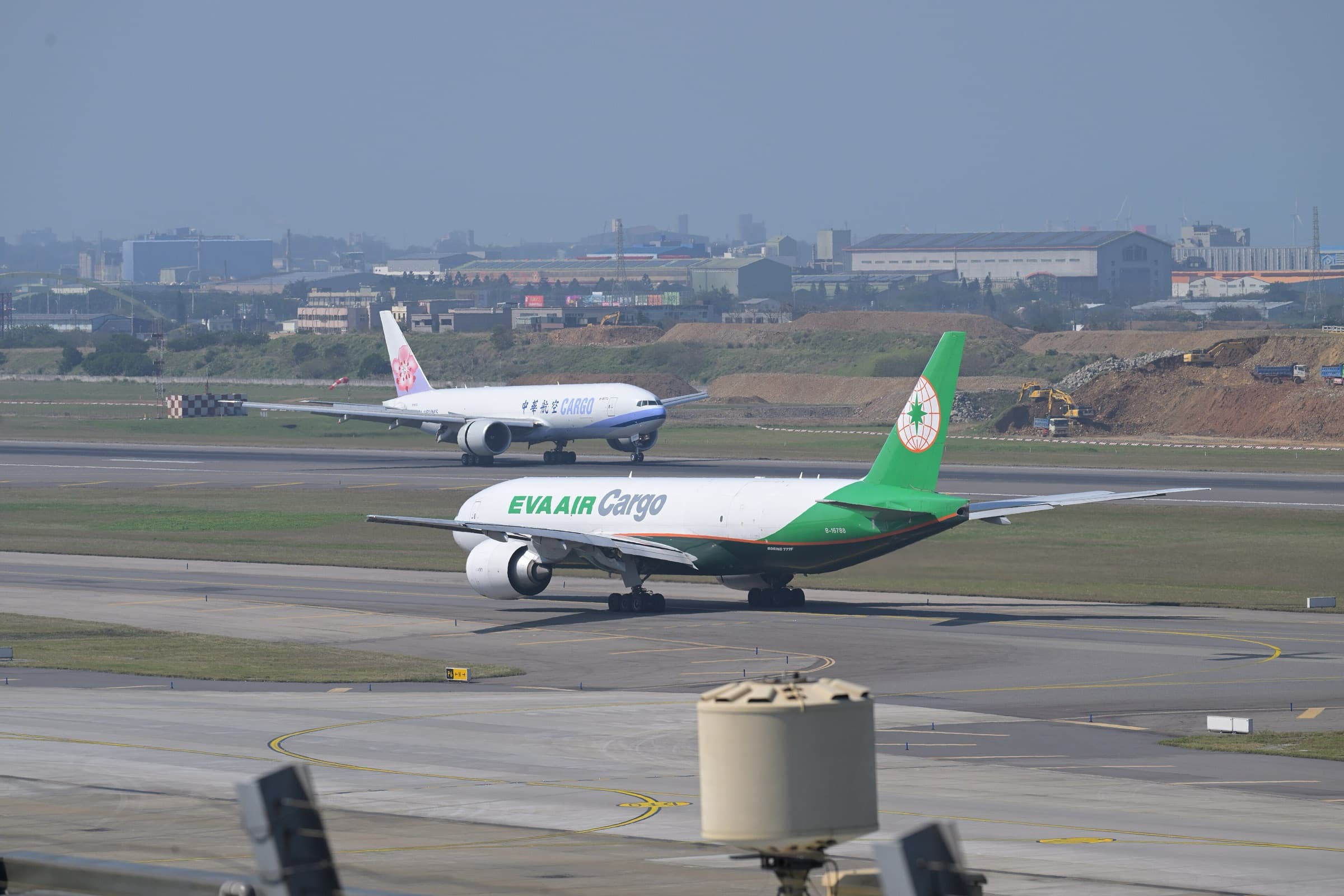
The Jul 29 story is geographic: freighters are being rewired around Taipei, Bangkok, Hanoi, and other chip hubs as e-commerce growth cools.
4 min · Jul 29, 2026
DHL’s Bangkok–Cincinnati Freighter Maps the New Asia–U.S. Air Cargo Story
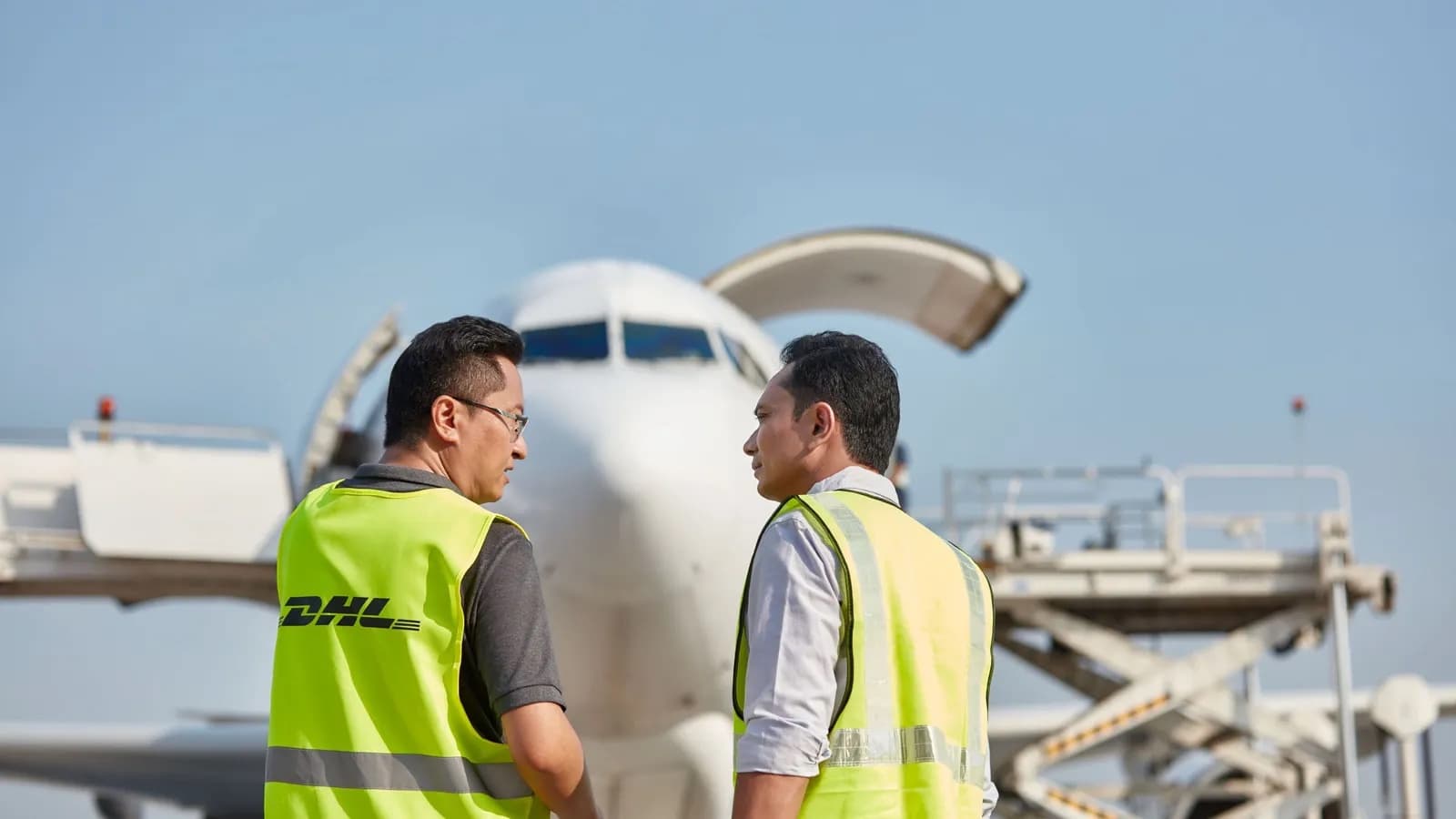
A thrice-weekly Bangkok–Cincinnati freighter with up to 100 tons per flight shows how AI and semiconductor hardware are reshaping Asia–U.S. air cargo.
4 min · Jul 9, 2026
Asia’s Factories Are Not Moving Together
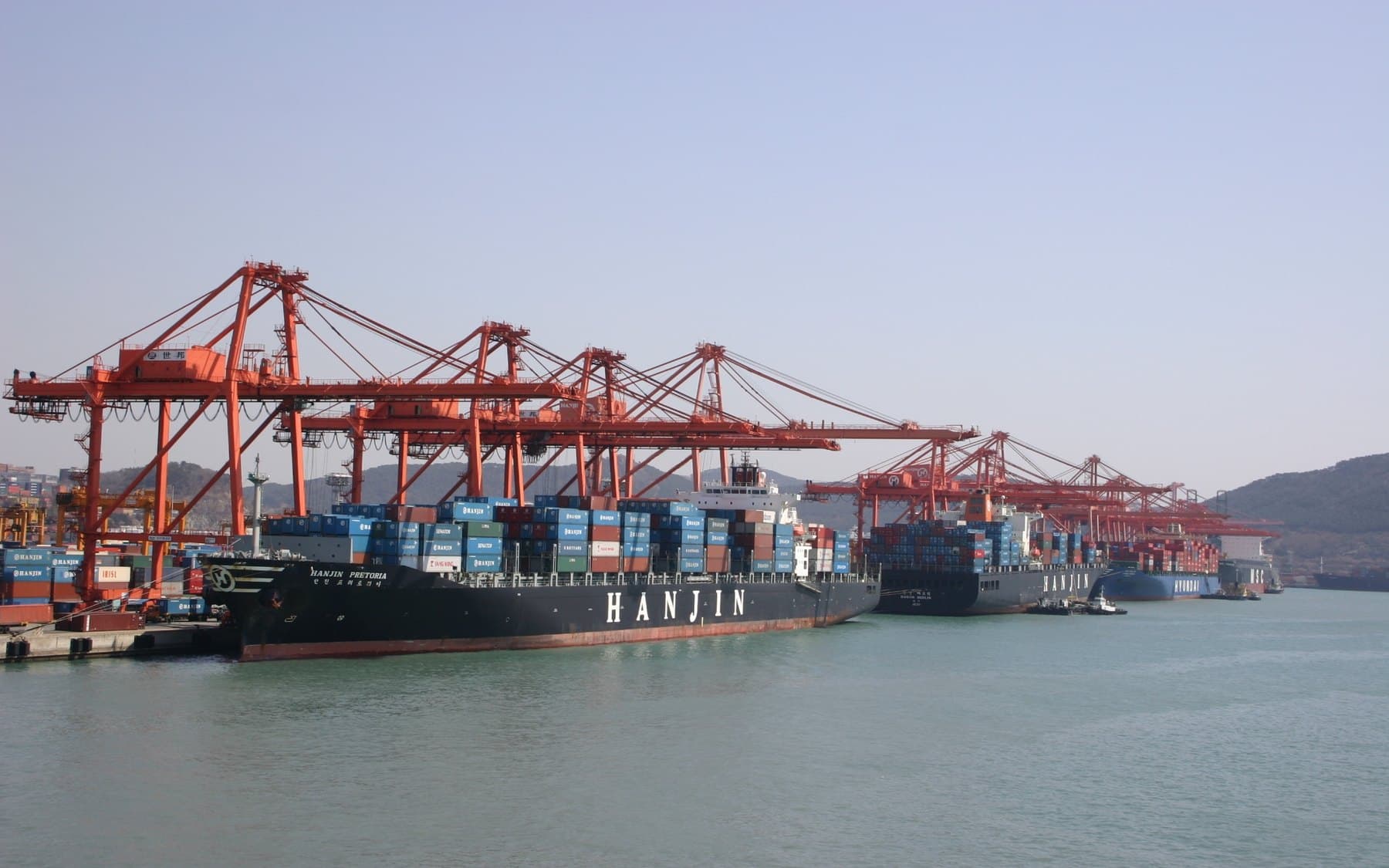
Korea had the softest chip-exporter reading. Indonesia booked export orders at a survey record.
6 min · Nov 2, 2026