
Asia’s Factories Are Not Moving Together
October’s private factory surveys cooled in Taiwan, Korea, Japan, and China. Indonesia, Malaysia, and Vietnam’s headlines rose. For sourcing, that split matters more than any regional average.
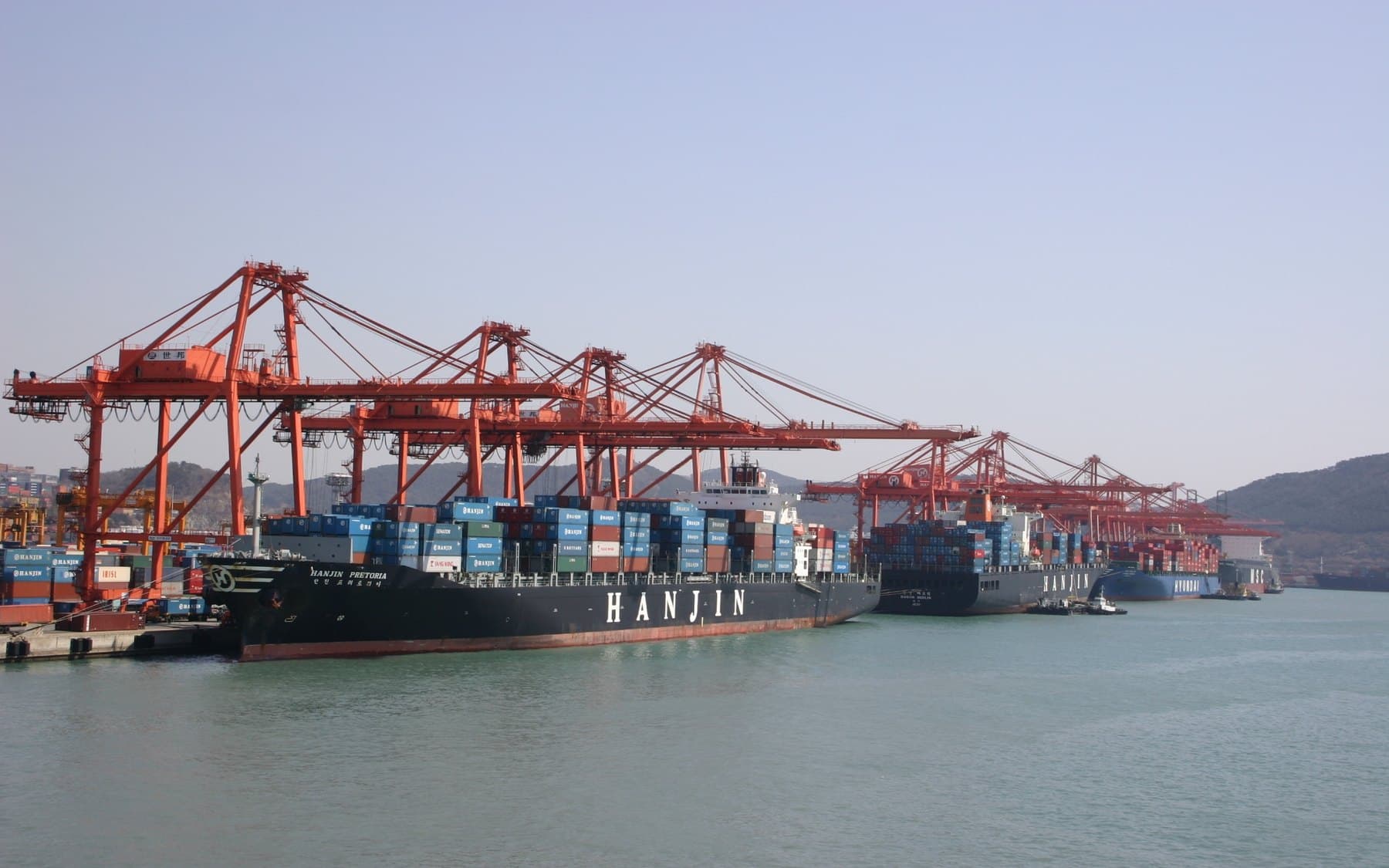
Monday’s split
If you buy from Asian factories, Monday’s surveys are not one number. A purchasing managers’ index above 50 means the month was better than the one before. Most of Asia stayed above that line in October. The map underneath it pulled apart.
The chip-export belt cooled. Taiwan’s S&P Global manufacturing index fell to 54.9 from 56.7. Korea dropped to 51.3 from 53.9, the softest expansion since February. Japan eased to 53.3. China’s private RatingDog reading, also from S&P Global, slipped to 52.0; the official Chinese factory index, out Saturday, was already contracting.
South of that corridor, the headlines went up. Indonesia rose to 54.0. Malaysia climbed back above 50, to 51.0. Vietnam ticked up to 52.3. Chip exporters cooled from a high. Indonesia’s export orders just hit a survey record.
Still growing, slower
Taiwan is still busy. September had been a more-than-five-year high, and October only stepped off that peak. Eleanor Dennison at S&P Global Market Intelligence said plants kept waiting on inputs, blaming the Middle East conflict, freight delays, and the extra strain from AI-related demand. Orders and output both rose more slowly than in September.
Korea took the harder hit. Production rose at its weakest pace this year, Usamah Bhatti at S&P Global said, with firms talking about softer demand, shortages, and high costs. Auto orders weakened for some. U.S. buyers looked quieter; Asia-Pacific orders held up better.
Japan cooled more gently. Chip and AI work still showed up in the answers, but new orders and output lost the speed they had earlier in the year, and export-order growth was the weakest since March. For a buyer watching Northeast Asia, the plants are still expanding. They are not running September’s race.
Three different factories
Indonesia is where the order book jumped. New orders rose at the fastest clip since late 2021, and new export orders rose at the fastest rate since the survey began in 2011. Factories bought more inputs and pulled finished stock to keep up. If you are hunting a second source outside the chip hubs, that is the print that should make you look twice.
Malaysia’s move back above 50 came with stronger foreign demand and, Maryam Baluch at S&P Global said, more orders for AI-related products. Delivery delays ran into an eleventh month. Firms blamed the ports. The index improved while the docks stayed slow.
Vietnam’s headline rose a notch, and that is where the easy story ends. Output and new orders still grew, only more slowly, and new export orders fell. Fuel and transport costs pushed prices up, and supplier waits lengthened by the most since April. The country is still expanding. It is not matching Indonesia’s surge.
Place the next purchase order against a named country. A continental average blurs the lead times that matter. Korea cooled hardest among the big chip exporters. Indonesia is taking export work at a record clip. Malaysia will take the AI-linked job if the container clears. Check Vietnam’s export book before you trust the headline.
Related stories

Tokyo’s Morning Chip Selloff Closed Flat
Seoul and Taipei were closed for the holiday. Monday is when Samsung, SK hynix, and TSMC price the drop. Tokyo reopens Tuesday.
5 min · Oct 11, 2026
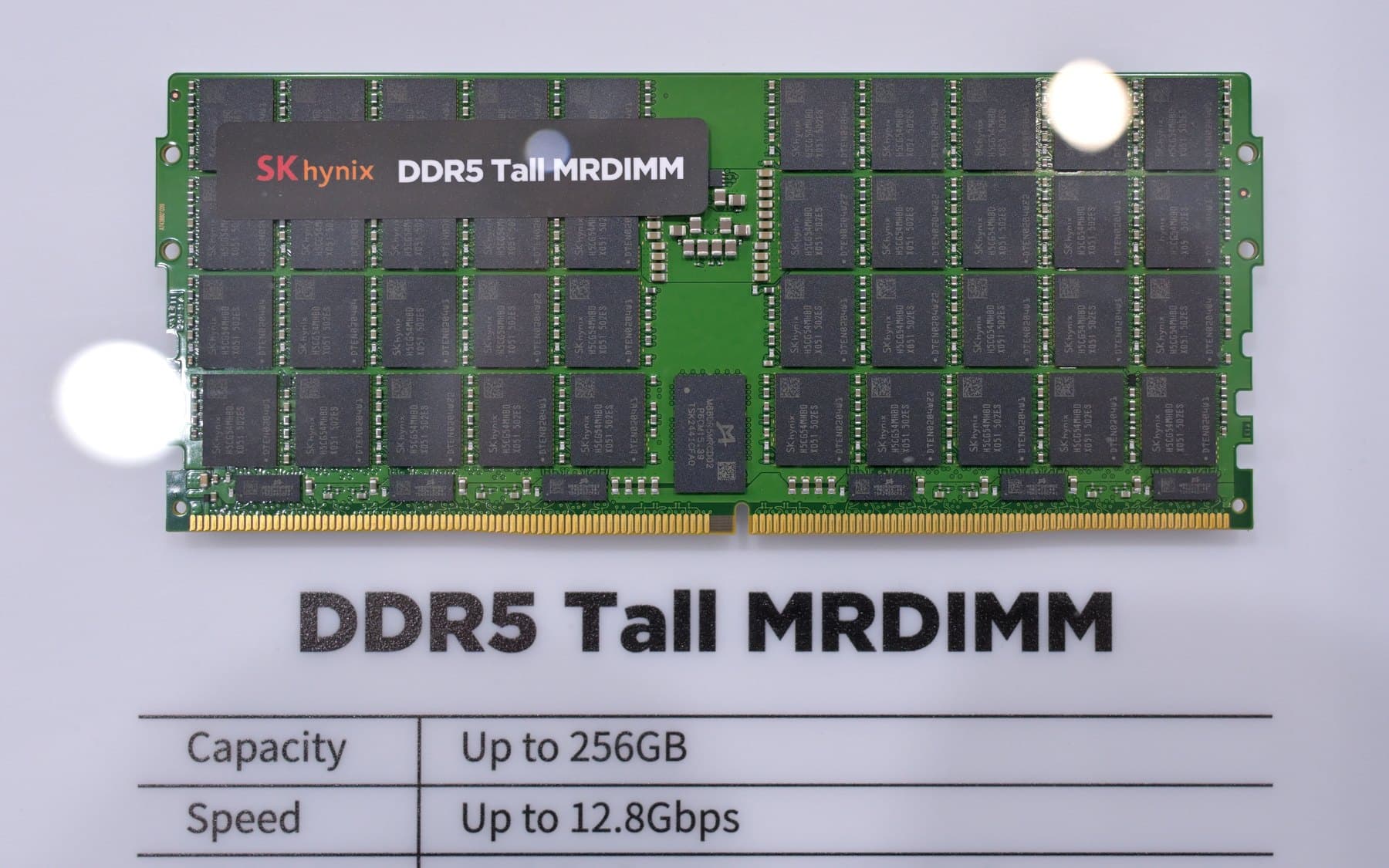
SK hynix Stopped Reviewing a Solidigm Listing
There is no Solidigm share to buy. The parent in Seoul still has a factory to pay for.
5 min · Oct 24, 2026

UN Tourism Cut This Year’s Arrival Forecast
Buy the U.S.–Japan ticket by Saturday if the date is set. The fuel line goes from $320 to $381 on Sunday.
6 min · Oct 29, 2026

Your Asia Business Trip Is Not a Vacation With Meetings
Heritage fluency helps at meals. It does not replace calendar discipline.
3 min · Jun 8, 2026