Asia Promised $1.4 Trillion in U.S. Investment. How Much Is Available?
fDi Intelligence, writing for the Financial Times, puts about $37.5 billion, or 2.7 percent, as financing and direct investment Japan, South Korea, and Taiwan have made available under recent tariff deals. Project announcements, lined-up credit, and money already spent still sit on separate books.
What the 2.7 percent figure measures
Japan, South Korea, and Taiwan pledged about $1.4 trillion in financing and foreign direct investment for U.S. industry under memoranda of understanding signed in 2025 and 2026. Those deals were meant to blunt punitive tariffs after President Trump’s “liberation day” measures. On November 11, fDi Intelligence, a research service of the Financial Times, reported that only about $37.5 billion of the package, or 2.7 percent, has been made available so far on publicly reported data.
“Made available” covers credit lines and guarantees that state lenders have lined up, plus direct investment Taiwanese companies have already recorded. It does not mean every announced plant has broken ground, and it is not the sticker price on the project list. Peter Harrell, a former senior economics official in the Biden White House, told the FT the overall pledges “never seemed plausible,” while calling $37.5 billion still a “meaningful amount of money.”
Tokyo’s $550 billion MoU was only ever one piece of the stack. South Korea’s $350 billion initiative and Taiwan’s twin $250 billion tracks for credit guarantees and for corporate foreign direct investment fill out the round number. The practical job is to separate announced project size from available credit and from capital already spent.
Announced projects, available credit, deployed cash
Announced project scale is the press-release total: plants, reactors, terminals, and chip builds named under the MoUs. Japan’s seven projects reach about $130 billion, roughly a quarter of its $550 billion programme. South Korea’s first three projects could reach about $196 billion inside its $350 billion initiative. Those figures describe intended size. They do not say how much cash has left a bank.
Available financing is credit, equity, or guarantees that lenders and agencies have actually mobilized. For Japan, the Japan Bank for International Cooperation and Nippon Export and Investment Insurance have lined up about $10.96 billion in credit and credit guarantees, according to the FT tally. That sits near the roughly $11 billion in contracted co-financing Mitsubishi UFJ Research and Consulting flagged in a November 11 note. For South Korea, the Korea-U.S. Strategic Investment Corporation, the state vehicle set up to run the programme, has put up $2.4 billion for “Project Star,” a $22 billion gas-fired power plant in Texas. For Taiwan, public and private institutions have built a $1.37 billion credit backstop that Taipei’s National Development Council says could support about $55 billion in corporate financing. No project has yet been approved under that guarantee scheme.
Deployed capital is money already spent or booked as foreign direct investment. Taiwan’s corporate track leads here. The Department of Investment Review put Taiwanese FDI into the United States at $24.1 billion from January through September this year, up 630 percent from a year earlier, with Taiwan Semiconductor Manufacturing Company alone accounting for $20 billion. That spending mostly grows footprints that were already under way. Elsewhere, the FT found ground progress thin: beyond Taiwanese electronics expansions, the one new project that started in May had its licence revoked later in the year.
Add the identifiable financing and Taiwan’s recorded FDI and you approach the $37.5 billion “available” basket. That basket is real money. It is still a fraction of every foundation named in a press release.
Japan: projects named, credit still early
Japan’s September 4, 2025 MoU still works the way we described when JBIC’s chair pressed for a role in project origination. Washington selects projects through an Investment Committee chaired by the U.S. commerce secretary. Tokyo funds through JBIC loans and equity, plus private-bank loans insured by NEXI, into Japanese investment vehicles and then U.S. special-purpose companies. Japan can decline to fund after review, with distribution rules and possible tariff consequences written into the memorandum.
Seven projects at about $130 billion look substantial next to $550 billion if you only read project scale. Against capital commitment, co-financing near $11 billion is about 2 percent of the headline ceiling. Early draws are often a fraction of the eventual loan, so that share should rise as plants move from selection to construction. NEXI has already expanded insured amounts on Pennsylvania and Texas gas plants and on a U.S. crude-oil export terminal in recent notices. Those filings show financing moving. They leave reactors and chip lines that still lack full loan packages on a different clock.
For Japanese suppliers, a MoU preference clause and a ministry interest list still fall short of a bid package. Watch JBIC and NEXI loan notices, then the project company’s request for proposal.
South Korea: one check cut, more still in talks
Seoul’s November 2025 memorandum leaves a large share of project choice with Washington. An investment committee chaired by the U.S. commerce secretary recommends projects funded under a $200 billion slice of the $350 billion commitment; the U.S. president makes the final selection. A Korean consultative committee can weigh in. It does not bind the White House. Article 9 lets South Korea decline a project, but withholding money after consultations can worsen profit-sharing terms and raise the risk of higher tariffs on Korean imports, according to reporting that cites the MoU text.
Korea also wrote “commercially reasonable” language into the deal. Its Special Act on Strategic Investment in the United States sets a domestic return test that does not match the MoU’s wording line for line. Nils Wollesen Osterberg of the Korea Economic Institute of America told the FT that Seoul may believe it has more say over project picking than Washington intends to grant. UPI, citing Korea’s trade ministry and the FT, reports no confirmed case yet of Seoul formally refusing a named project.
What has cleared is Project Star: $2.4 billion from KUIC toward the Texas gas plant. The U.S. administration wants another $10 billion by year-end for eight nuclear reactors. KUIC’s annual disbursement capacity is capped at $20 billion. Alaska liquefied natural gas and the nuclear package remain in negotiation and domestic review. The $196 billion project slate is announced scale. The $2.4 billion is the financing you can point to today.
Taiwan: idle guarantees, busy factories
Taipei’s deal asks for guarantees to support credit lines of up to $250 billion, plus another $250 billion in new direct investment from semiconductor and technology companies. The $1.37 billion guarantee fund is the available financing under the first track. It has not yet approved a project. The National Development Council’s claim that the backstop could unlock about $55 billion in corporate borrowing is a capacity estimate. It is not a list of closed loans.
The second track is already moving in filings. $24.1 billion of Taiwanese FDI into the United States through September, with TSMC’s $20 billion inside that total, counts as deployed capital in investment-review statistics. Most of it expands a chipmaker that was already building in America before these MoUs. Count the spending. Leave the guarantee scheme on its own scoreboard until a project clears it.
For a plant manager watching Taiwanese suppliers, the near-term signal is TSMC’s U.S. construction calendar and related tool orders. The first project approved under the guarantee fund would show whether that political track is open.
What to watch into year-end
Watch signed loan contracts and insured amounts from JBIC and NEXI ahead of the $550 billion ceiling. Watch KUIC’s next disbursement against the nuclear ask, and whether Seoul and Washington agree that a given file is commercially reasonable. Watch the first project approved under Taiwan’s guarantee fund, if one appears, separately from TSMC’s FDI totals.
Midterm politics add noise. The FT noted that voters’ rejection of Trump and his administration in the midterms raises uncertainty about tariff policy just as these programmes need predictability to close long-lived energy and chip deals. That does not rewrite the MoU text overnight. It does change how credit committees price political risk.
The next useful checkpoint is year-end paper: whether Korea’s nuclear financing request becomes a signed KUIC commitment, and whether Japan’s next co-financing notices keep climbing from the low teens of billions. Until then, leave the $1.4 trillion figure for the summit readout. Staff the work against announced projects, available credit, and capital that has already cleared a bank or an investment-review desk.
Related stories
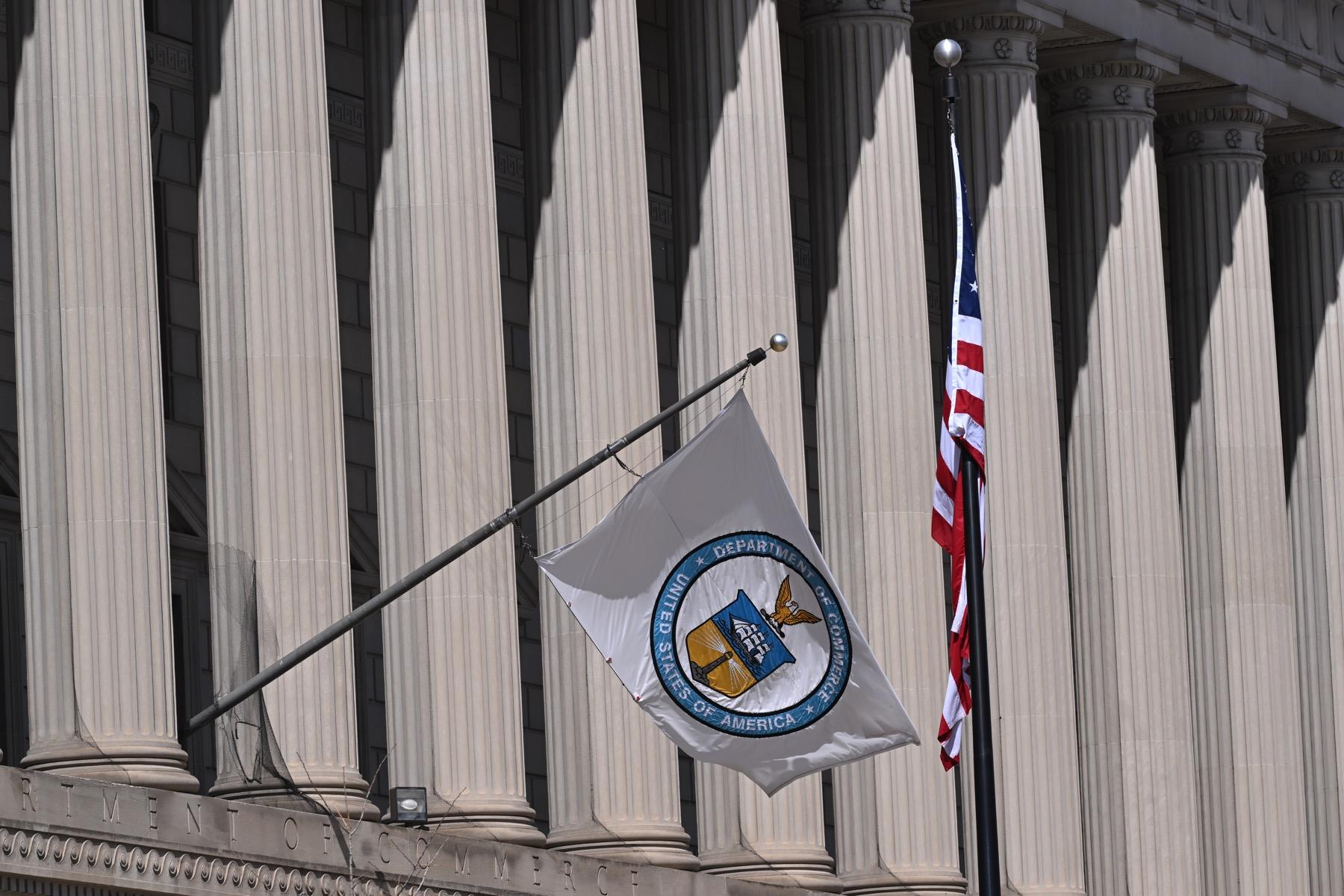
Who Picks the Projects in Japan’s $550 Billion U.S. Investment Package?
JBIC chair Tadashi Maeda wants Japan in project origination under the $550 billion U.S. package. The MoU still leaves selection with Washington. A real supplier chance is an RFP, not a press release.
7 min · Nov 19, 2026
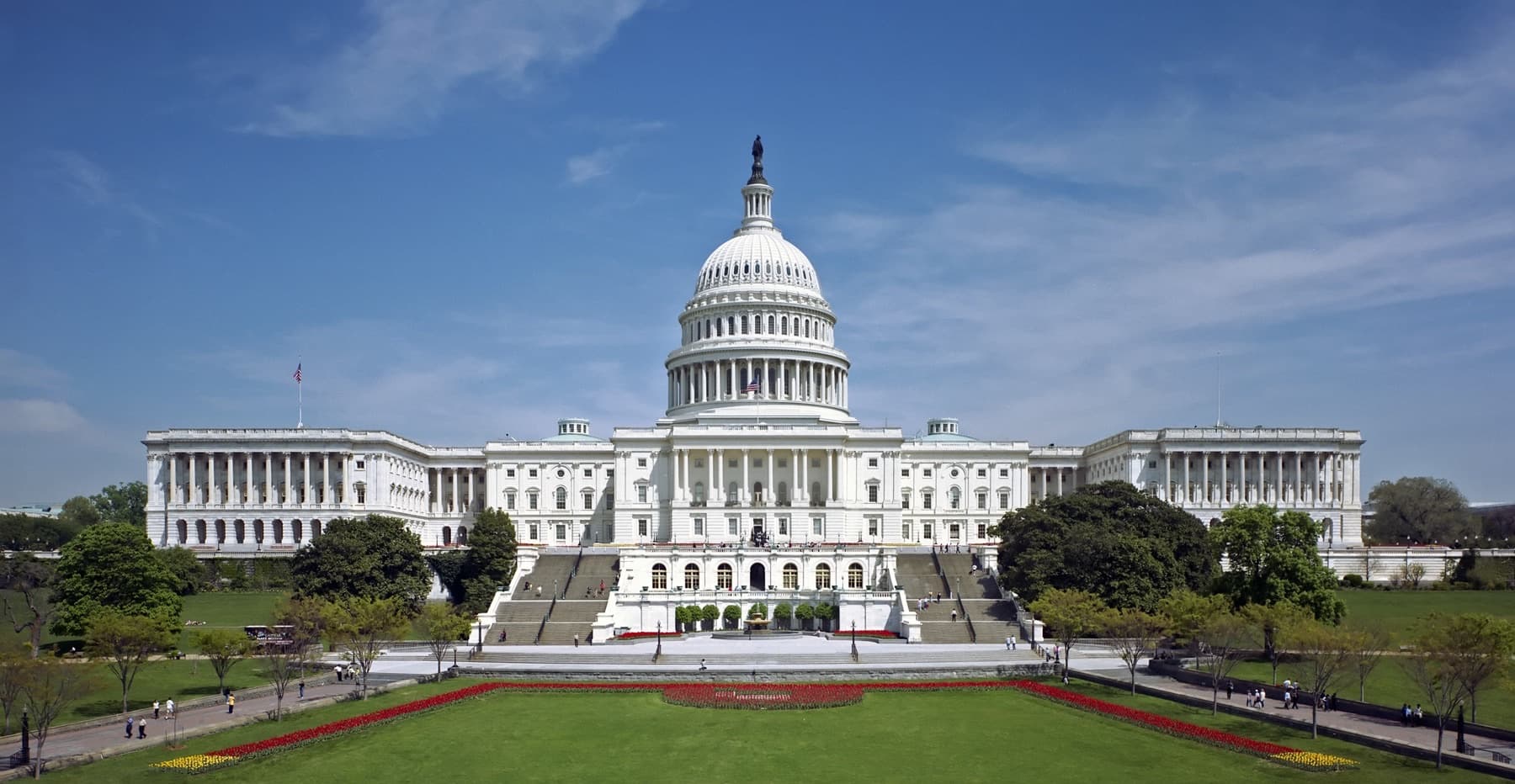
Korean Money in America Just Got a New Watch List
Midterm control of Congress does not erase Korea’s U.S. factories. It changes which extensions, credits, and shipyard rules executives have to track next.
7 min · Nov 5, 2026
How Much of Korea’s Export Surge Came From Chips?
Korea’s Nov. 1–20 exports hit $77.4 billion. Chips were about $38.5 billion, nearly half the total. Without them, the rest of exports grew about a third.
7 min · Nov 23, 2026
Mexico and China Set Up a Trade Working Group
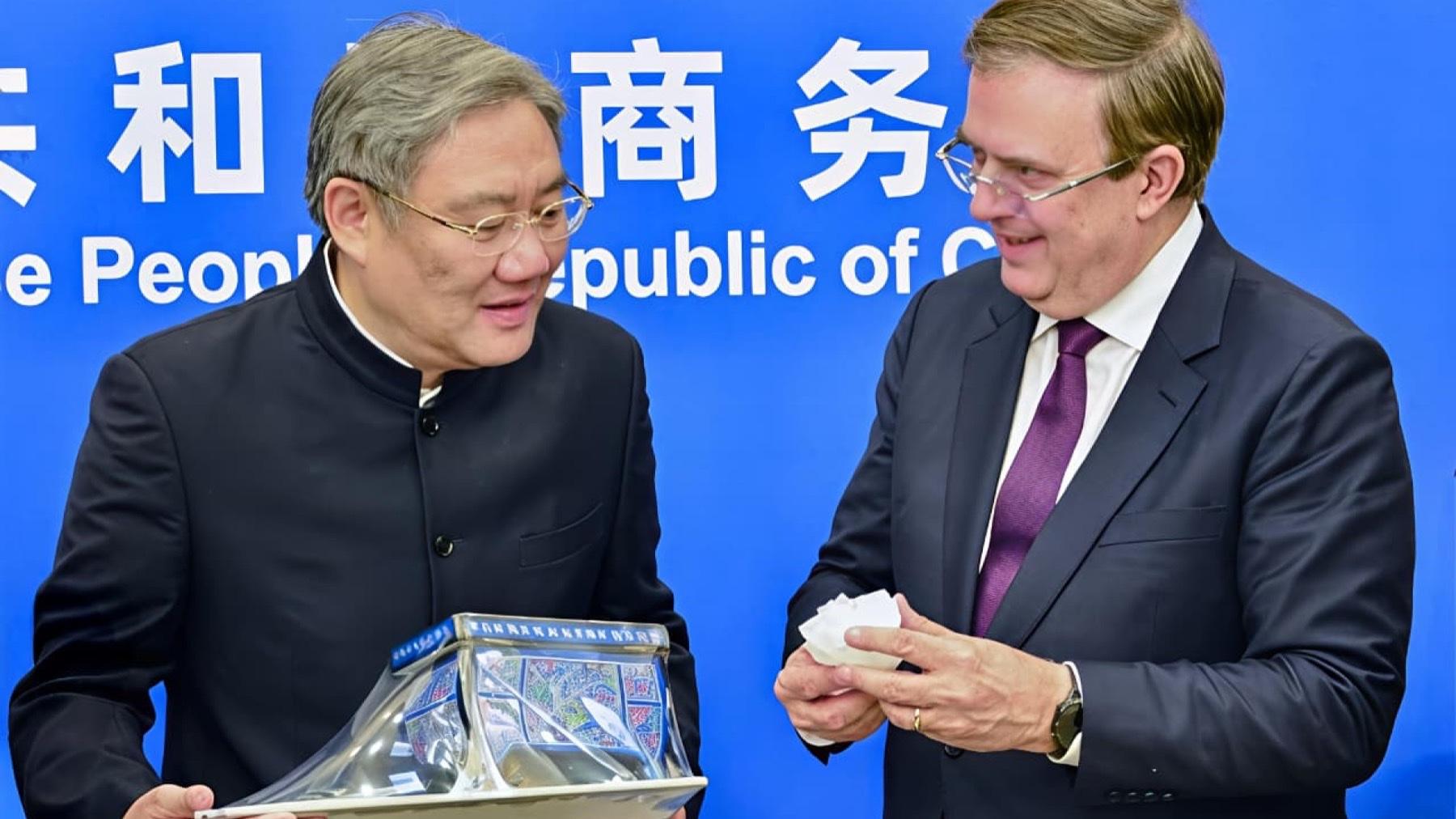
Mexico and China agreed on Nov. 23 to a working group focused on Mexican exports to China. Appliance importers sourcing through Mexico should keep current Mexican duties and origin paperwork until a later notice changes either.
7 min · Nov 23, 2026