Mexico and China Set Up a Trade Working Group
Monday’s Beijing meeting put Mexican food exports and stalled sanitary protocols on the agenda. A North American buyer moving Chinese-linked washing machines through Mexico still prices under today’s duties and paperwork.
What Monday’s announcement covered
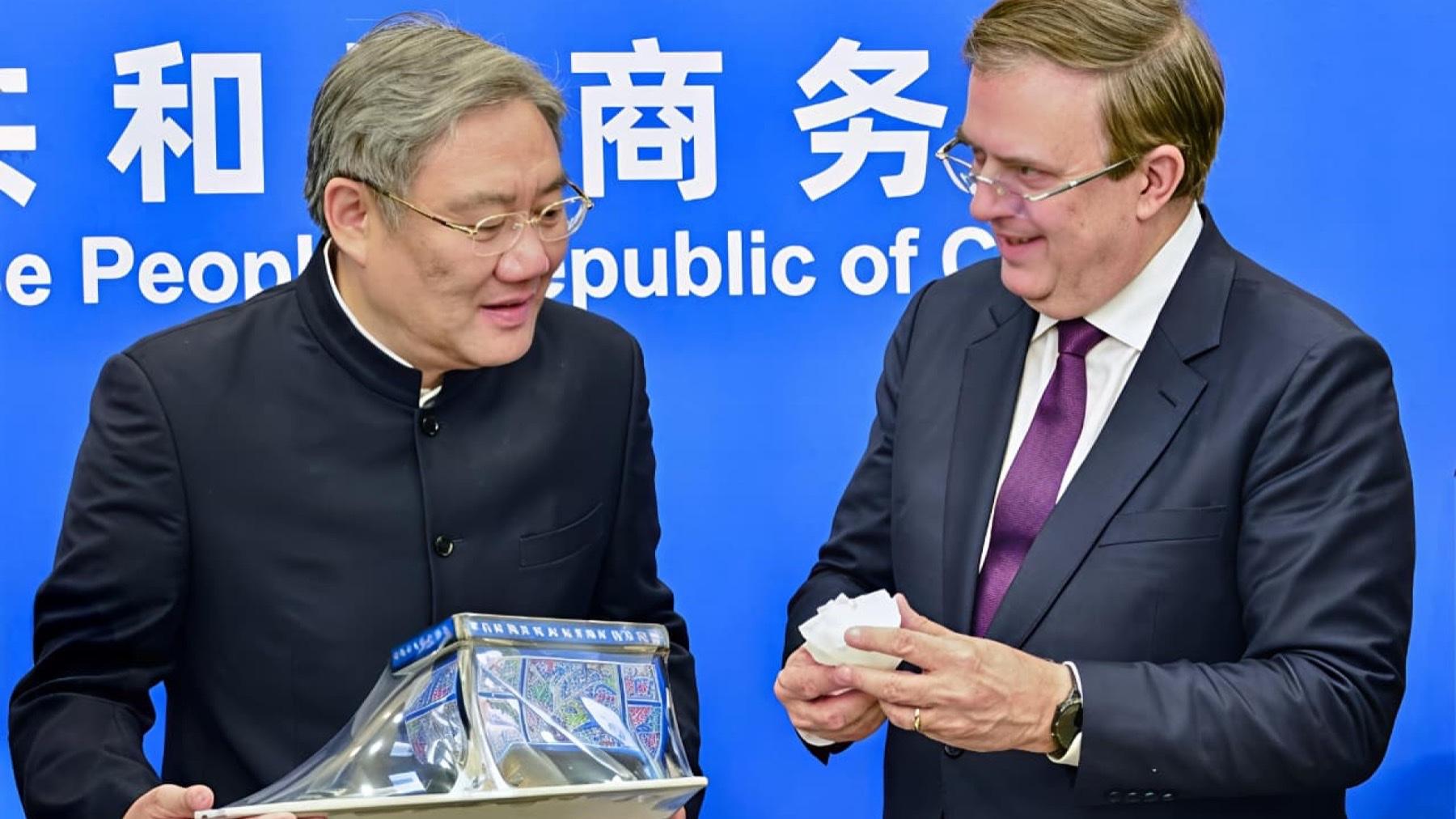
Mexico’s Economy Ministry said Monday that Mexico and China agreed in Beijing to create a working group on bilateral economic priorities. Mexico’s Economy Secretary Marcelo Ebrard and China’s Commerce Minister Wang Wentao led the eleventh meeting of the Mexico–China High-Level Group, following President Claudia Sheinbaum’s meeting with Chinese President Xi Jinping at APEC in Shenzhen last week.
Ebrard’s commercial ask, as the ministry reported it, runs mainly from Mexico toward China. He told counterparts that China is set to ship more than $130 billion of goods to Mexico this year, while Mexican sales to China will run near $10 billion. He asked Beijing to speed sanitary and commercial protocols that, in some cases, have sat unresolved for about a decade. The products named include avocado, lime, beef, pork, sorghum, and processed seafood. The new group will also review a proposal from Mexico’s state salt company, Exportadora de Sal, to supply up to 10 million tonnes to China over four years.
Ebrard also invited China to move into Mexico part of the Chinese production that now ships into the Mexican market. Early coverage notes that the ministry has not yet published a roster, calendar, or numeric targets for the working group itself.
What changed for duties, and what did not
The working group is a place to talk about economic priorities. On Mexico’s stated agenda, that means ways to grow Mexican exports to China. Monday’s readout did not publish a cut to Mexico’s general import duty on Chinese goods, rewrite USMCA rules of origin, or suspend United States Section 301 tariffs on Chinese merchandise that never enters Mexico.
For a North American importer who sources through Mexico, treat the language as diplomacy and protocol until a later notice attaches a tariff schedule, a drawback change, or a binding origin rule. The duty columns already on the purchase order stay there until one of those appears.
A washing-machine case
Household washing machines make the distinction concrete. A finished Chinese domestic washer entering Mexico often lands under fracción 8450.11.01 or a neighboring laundry-machine line. Mexico’s December 29, 2025, reform of the general import and export duties law, in force from January 1, 2026, raised or locked rates across 1,463 lines for countries without a free-trade agreement with Mexico, including China. Home appliances were in that package. Tariff references for domestic washing machines commonly show a 25 percent general import duty, before Mexico’s 16 percent value-added tax and the customs processing fee. Confirm the eight-digit fraction and NICO with your broker for the exact model.
Two common paths show up in practice. One is a finished Chinese washer sold into Mexico, then moved or remarketed toward U.S. or Canadian demand. The other is a Mexican plant that builds or finishes washers for USMCA entry while still buying Chinese motors, boards, drums, or cabinets. Monday’s invitation for Chinese producers to relocate capacity into Mexico matters for the second path. Chinese inputs that still clear the Mexican border as non-FTA goods still face Mexican duty until the plant, the bill of materials, or the rate schedule changes.
Paperwork and pricing under current rules
Start with the Mexican pedimento path you already use. For a finished Chinese washer, that means the current general import duty on your fraction, IVA, and fees, plus NOM labeling or certification where required. For a Mexican factory shipping to the United States or Canada, add the USMCA certificate of origin for the finished unit and a bill of materials that shows which parts are Chinese.
IMMEX temporary-import programs do not wipe Asian input duties by default. Under the USMCA “lesser of two” rule on duty drawback and deferral, when a finished washer enters the United States or Canada duty-free as originating goods, Mexico may still collect the full Mexican duty on non-FTA inputs. Sectoral programs such as PROSEC or an authorized Eighth Rule line can lower some input rates, but only for registered, qualifying uses. Those rules were in force before Monday’s meeting. The working group readout leaves them alone.
On the quote sheet, keep two columns. The firm number uses the Mexican and USMCA duty path your broker can defend today. A dated alternate can mention a future plant move or bill-of-materials change only after you have a factory schedule, revised pedimentos, and origin paperwork that match. Leave the 25 percent washer line in place while Ebrard and Wang are still only talking.
What moves landed cost next
Progress on Mexican avocado, beef, or processed seafood protocols is news for Mexican exporters selling into China. It does not change the inbound file for a buyer bringing Chinese-linked washers through Mexico into North America. Exportadora de Sal’s tonnage offer is the same direction: Mexico outbound.
Three later developments would move landed cost. A notice that attaches tariff language to the working group would. A Chinese appliance maker that shifts final assembly or major subassemblies into Mexico would, because that changes which fraction pays Mexican duty and whether the finished washer can sustain a USMCA claim. A PROSEC, Eighth Rule, or pedimento pattern change on the parts you already buy would too.
Until one of those shows up in writing, keep the washer program on current Mexican rates, current origin paperwork, and a broker-checked fraction. The next useful checkpoint is a published roster or protocol decision, or a plant change you can put on a pedimento.
Related stories
China Will Ease Tariffs on Canadian Spot Prawns Through 2028
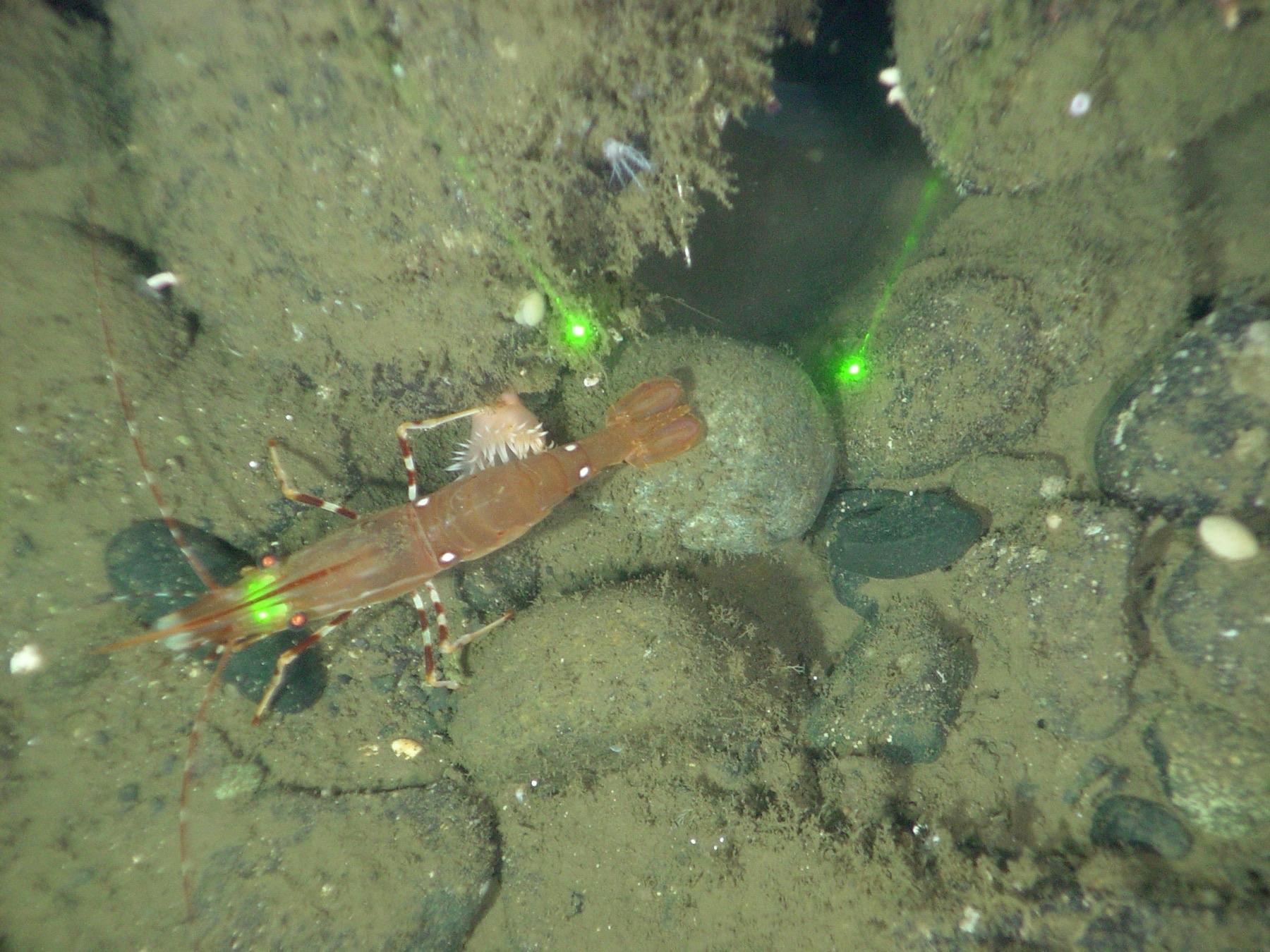
China is set to drop the extra 25% on certain frozen cold-water shrimp and prawns, including Pacific spot prawn, from Jan. 1, 2027, through 2028. Match your SKU to the implementing notice before pricing without the surcharge.
7 min · Nov 22, 2026
APEC Backed Paperless Trade in Shenzhen. Small Exporters Still Retype Forms
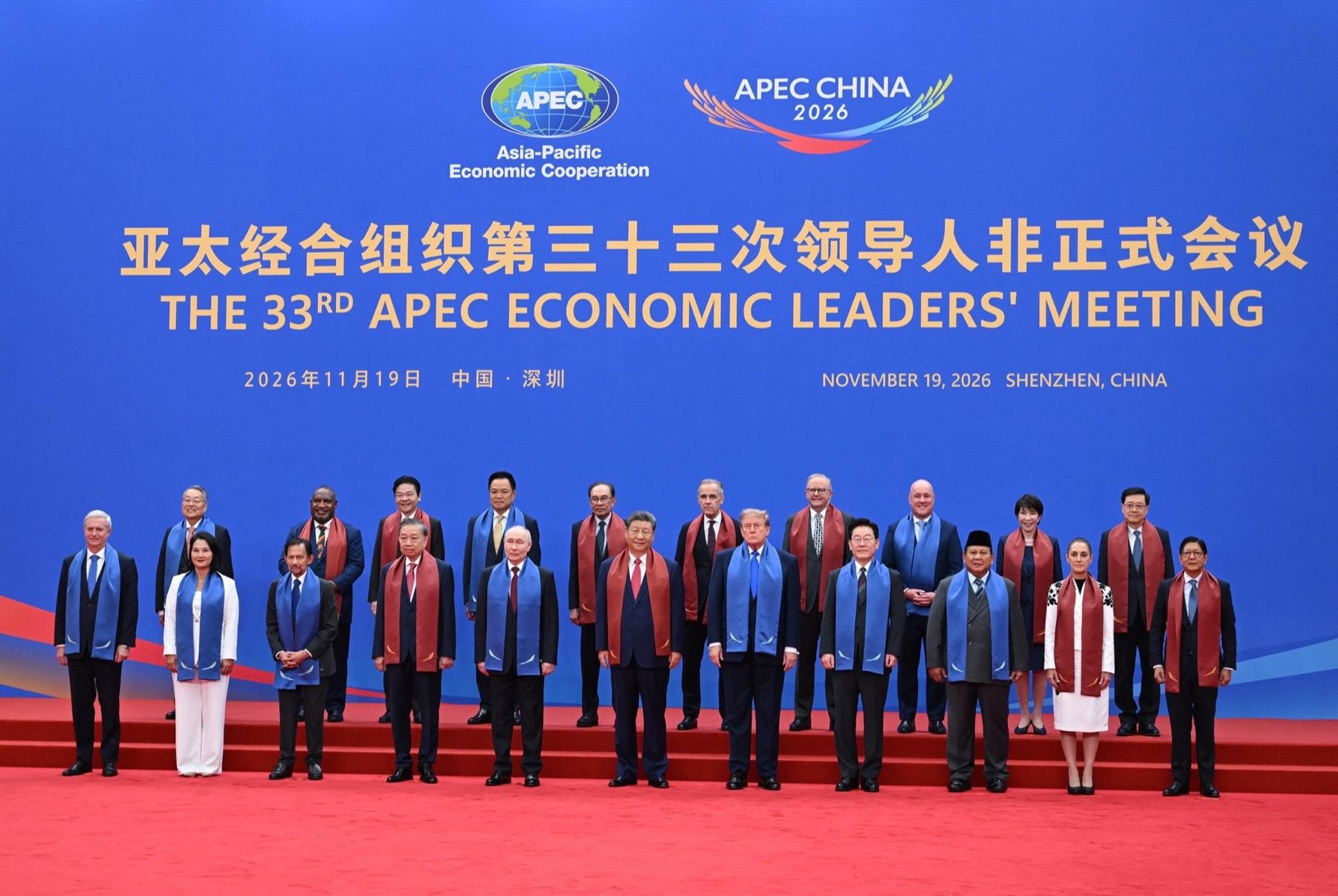
APEC’s new framework runs through 2030. On a live FCL, names, HS codes, and values still jump from invoice to certificate of origin to bill of lading. The useful question is which measure could stop a re-key.
7 min · Nov 22, 2026
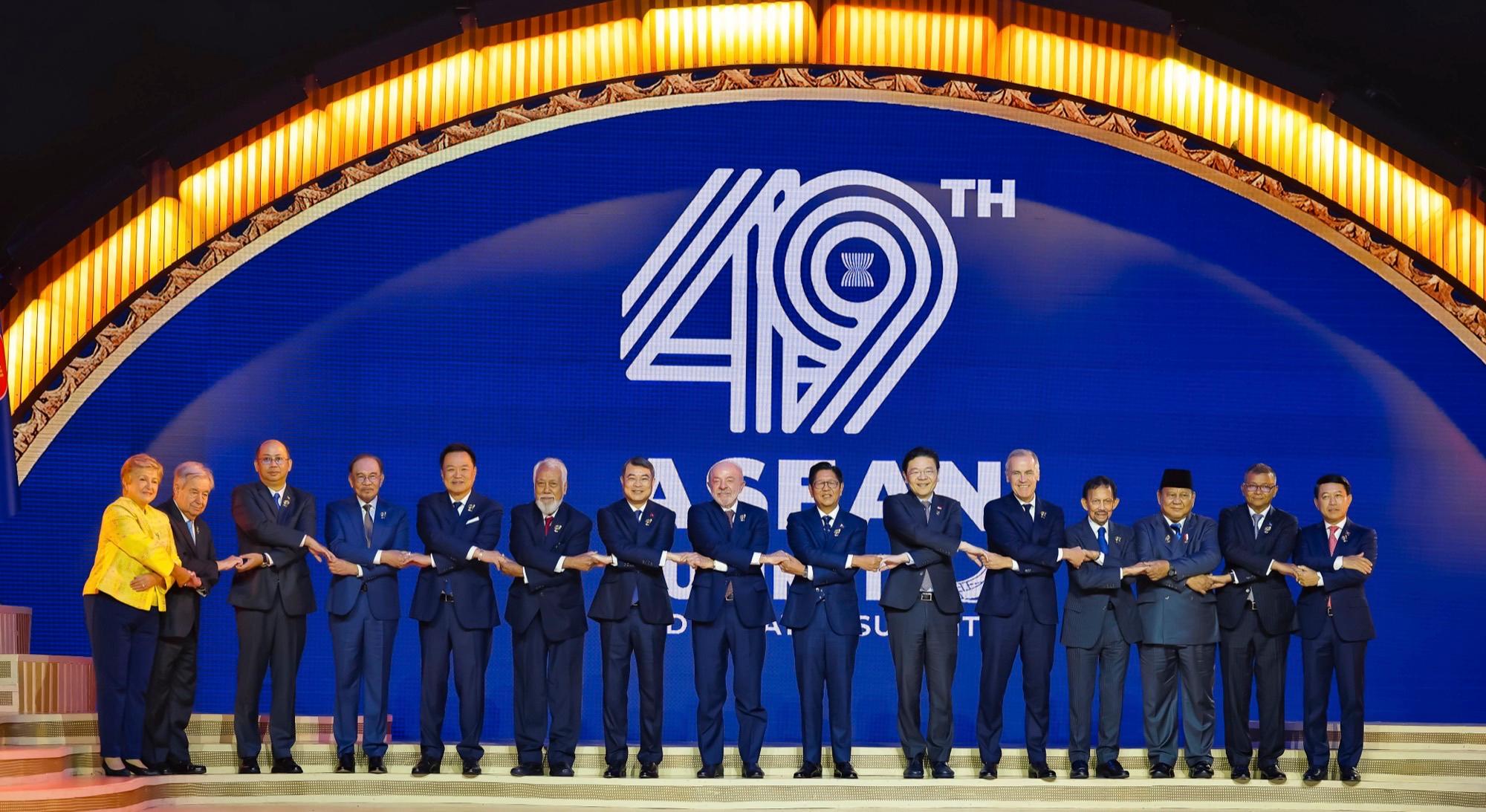
What Origin Rules Mean for a Canadian Gearmotor Bound for ASEAN
ACAFTA is not a live preferential rate. A Canadian manufacturer gets the cut only if the finished good meets the rules of origin, including how Vietnamese or Thai parts count. Build the file before the annexes drop.
7 min · Nov 21, 2026
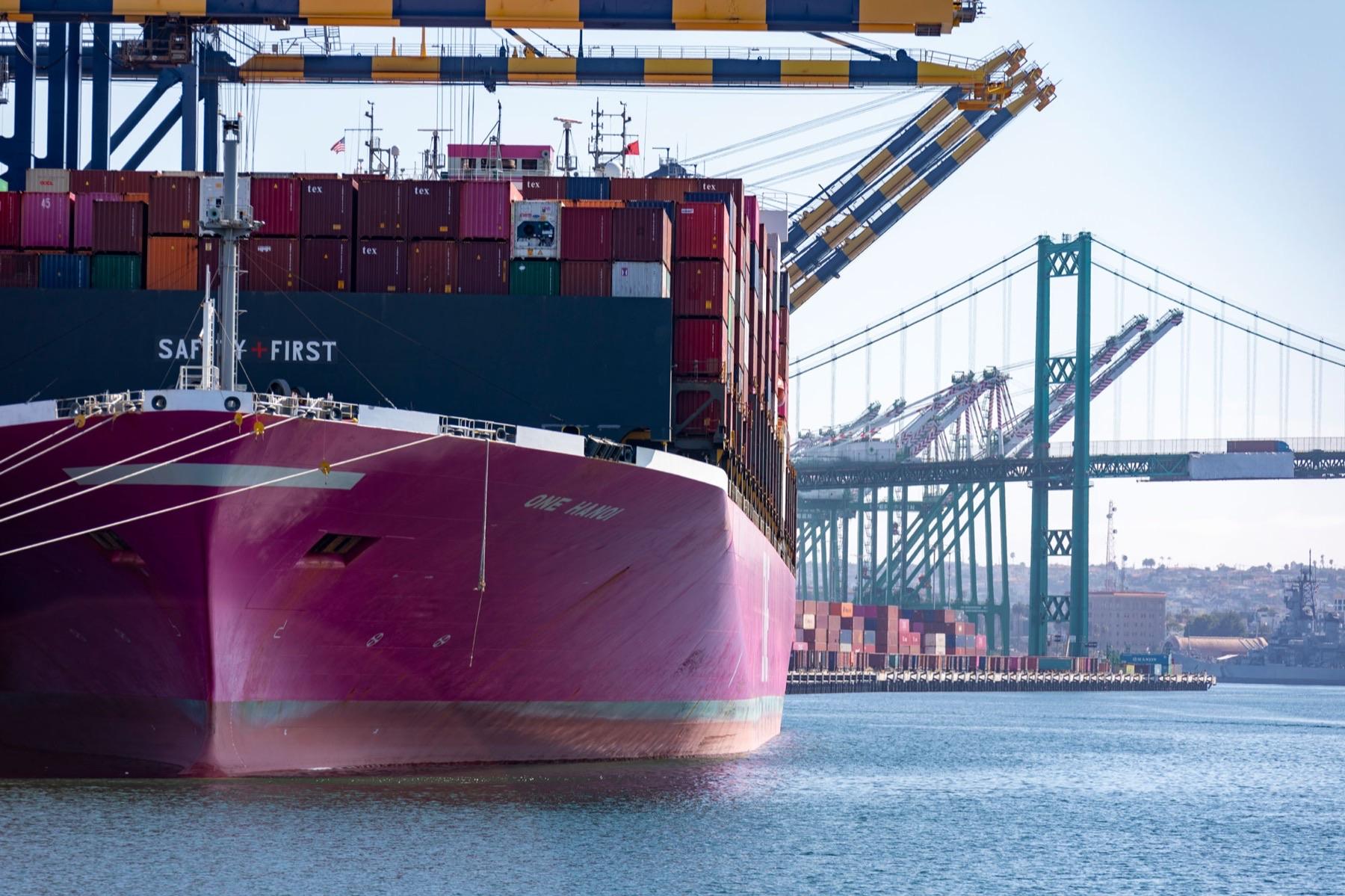
The U.S. and China Held Their First Board of Trade Meeting. What Can Importers Act On?
Friday confirmed the Board is meeting. It did not change entry rates. Map your HTSUS lines, keep paying current duties, and watch for the implementing notice.
7 min · Nov 13, 2026
Related global reads
Transpacific Bound
China Will Ease Tariffs on Canadian Spot Prawns Through 2028
Transpacific Bound
APEC Backed Paperless Trade in Shenzhen. Small Exporters Still Retype Forms
At the Banquet
The Banquet guide to Hong Kong
At the Banquet
The Banquet guide to Singapore
East Table
East Asia cold noodles field guide