
Korean Money in America Just Got a New Watch List
Democrats took both chambers this week. Trump still holds the veto and most trade levers. For Samsung, SK hynix, Hyundai, and Hanwha, the job is sorting enacted tariffs and tax clocks from bills that have not passed.
What changed this week—and what did not
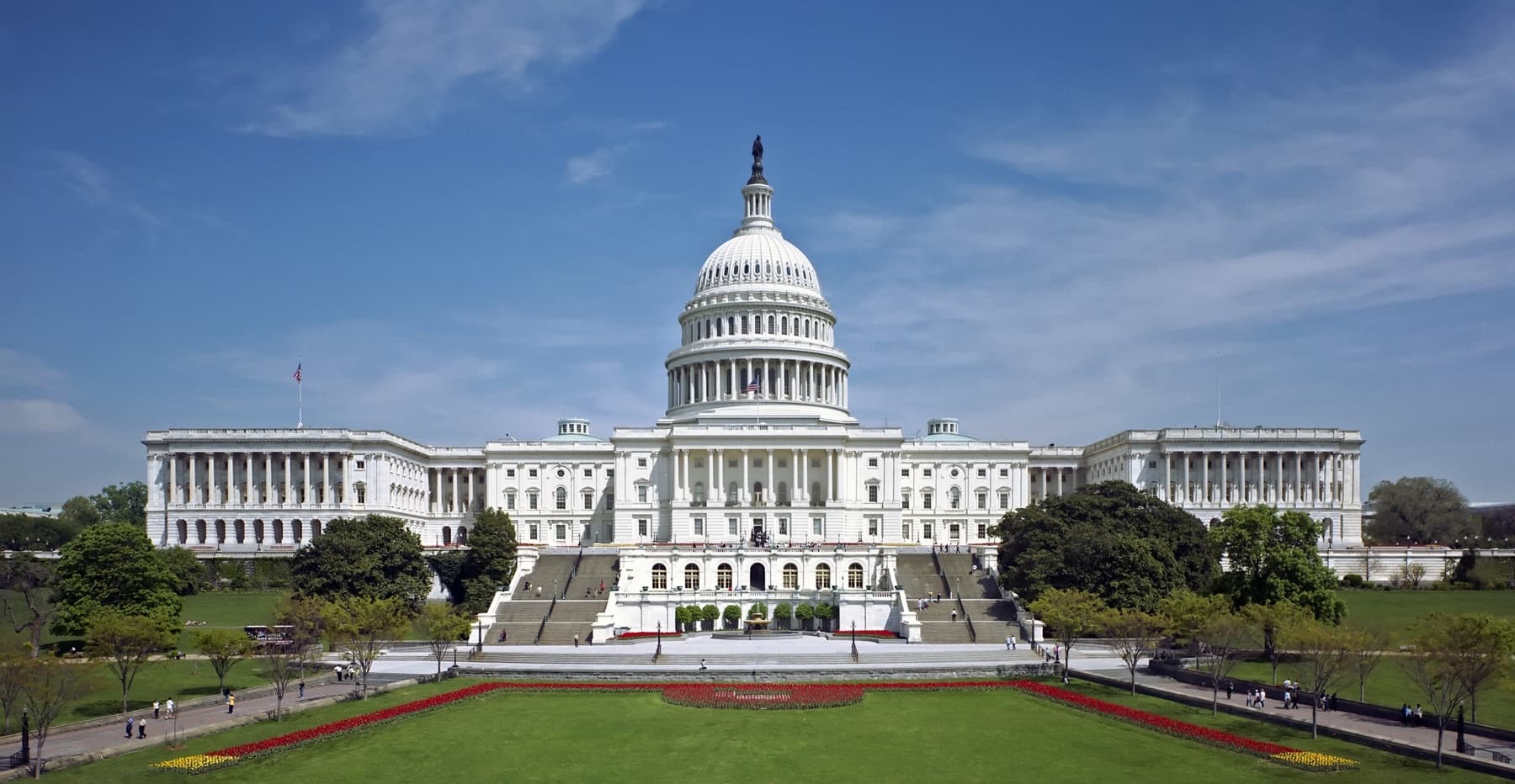
Democrats won control of the House and Senate in Tuesday’s midterms, according to Associated Press and other national calls. President Donald Trump remains in the White House with a veto pen and the executive trade tools that already set Korea’s U.S. tariff map. For Korean boards with money on the ground, that split is the operating fact: Congress can slow, condition, and oversee. It cannot, by itself, snap every Trump-era tariff off the books.
The companies in the headlines already have U.S. addresses. Samsung Electronics is building out Texas foundry capacity. SK hynix is spending on U.S. packaging and weighing more NAND work through Solidigm. Hyundai Motor Group’s Metaplant America sits in Georgia. Hanwha owns Philly Shipyard. Korea’s broader strategic investment pledge to the United States—often cited in Seoul as about $350 billion across industry and shipbuilding—still has Encinal’s Texas power plant as a confirmed early project, with nuclear and Alaska LNG work still in planning stages.
Watch the tax clock and the NDAA. Do not mistake a campaign plank for a statute.
Chips: the December construction deadline
Samsung and SK hynix are staring at a calendar date that is already law. The United States raised the investment tax credit for semiconductor factories and equipment to 35 percent this year. Facilities that begin construction after December 31, 2026, are generally outside that credit unless Congress amends the tax code. Both parties have talked about an extension. Talk is not an enacted extension. Samsung’s second Taylor, Texas, foundry is scheduled to start construction this month—inside the window if the schedule holds. Anything that slips past New Year’s without a legislative fix is a different spreadsheet.
CHIPS and Science Act manufacturing awards already negotiated are more likely to keep paying on their existing terms than to vanish overnight. What can tighten is oversight: China capacity limits, compliance checks, and how hard Congress rides the Commerce Department. Export controls on advanced equipment into Chinese fabs, and tariffs on some advanced AI chips, sit in the enacted column and enjoy bipartisan hostility to Beijing’s chip climb. Do not budget for a sudden thaw there.
A separate risk is state, not federal. Texas Governor-elect Gina Hinojosa and Georgia Governor-elect Keisha Lance Bottoms both campaigned on pausing or slowing new data-center approvals. Those pledges are not statutes yet. If permitting hardens, AI server buildouts slow, and high-bandwidth memory demand from Samsung and SK hynix can feel it. Treat that as a watch item on governors’ first hundred days—not as a federal ban already in force.
Vehicles: the 15 percent tariff stays until someone changes it
Hyundai, Kia, and Korea-built GM exports still face the roughly 15 percent tariff on Korean-made vehicles that industry officials describe as locked in under the current trade settlement. Democratic control of Congress does not automatically cut that rate. Tariff authority under Section 232 and related tools still runs through the executive. An industry source told the JoongAng Daily that an immediate cut looks unlikely even with stronger Democratic checks.
What is potential is a Democratic push to revive consumer electric-vehicle tax credits that expired around September 2025. Battery makers LG Energy Solution, Samsung SDI, and SK On would cheer that demand signal—if a bill passes and survives a presidential veto or finds override votes. What remains enacted and useful on the factory floor is the advanced manufacturing production credit, often called 45X, which the Trump administration kept for U.S. battery production even after killing the consumer EV credit. Rules that squeeze Chinese materials and “prohibited foreign entity” supply chains are also still the direction of travel for both parties.
Local assembly at Metaplant America is still the clearest hedge against the import tariff. State incentives, power prices in Georgia, and battery content rules remain the operating variables—not a midterm promise that Seoul can cash at the border tomorrow.
Shipbuilding and power: continuity with contested edges
Shipbuilding is the sector Korean executives describe as most bipartisan. Rebuilding U.S. yards and hardening naval capacity have backers in both parties. Hanwha’s Philly Shipyard and HD Hyundai’s U.S. push with engineering firm Kiewit sit inside that consensus. The Make American Shipbuilding Great Again cooperation track with Korea is widely expected to keep its broad frame.
The contested edge is who may build which U.S. Navy ships where. An August 2026 presidential memorandum opened limited room for allied yards to build certain vessels abroad. Congressional drafts and the House version of the National Defense Authorization Act lean more cautious—favoring U.S. yards, capping overseas work, or narrowing it toward noncombat support ships. Until a final NDAA is signed, treat allied naval construction quotas as proposed, not enacted. Commercial yard subsidies in the SHIPS for America discussion belong in the same folder: watch the bill text, do not book revenue on a press release.
Power infrastructure splits the same way. Encinal’s gas plant is a confirmed early project under the strategic investment package. Large nuclear builds and Alaska LNG remain planning files, vulnerable to slower permitting and sharper congressional oversight. Democratic appetite to restore clean-energy tax credits would help Hanwha’s U.S. solar manufacturing if legislation clears. Grid transformers, cables, and storage from firms such as LS Electric and Hyosung Heavy Industries can benefit from AI power demand and aging transmission either way—unless data-center freezes delay the very load those orders assume.
Lee Geum-ha, who heads the Korea Trade-Investment Promotion Agency’s North America office, told JoongAng that shipbuilding, semiconductors, and power are where Korean entrants can still find openings—and that legislative detail is the homework. For boards already writing checks in Texas, Georgia, Indiana, Pennsylvania, and Arizona, the factories stay. The next fight is which tax clocks get extended, which NDAA lines survive conference, and which campaign pledges never become law.
Related stories
Oracle Scrapped the Tencent Chip Lease
The servers were supposed to sit in Southeast Asia. The pressure still landed on a U.S. cloud company.
6 min · Nov 4, 2026
SK hynix Stopped Reviewing a Solidigm Listing
There is no Solidigm share to buy. The parent in Seoul still has a factory to pay for.
5 min · Oct 24, 2026
Apple’s Memory Bill Just Hit the Holiday Guide
Apple can absorb some of the AI memory boom in its margin. Shoppers already paid higher stickers. More may follow.
6 min · Nov 3, 2026

Merz Asked Japan to Back a Trade Alliance
Companies that ship Asia–Europe–U.S. heard a coordination pitch, not a finished trade deal.
6 min · Nov 2, 2026
Related global reads
Transpacific Bound
Oracle Scrapped the Tencent Chip Lease
Transpacific Bound
SK hynix Stopped Reviewing a Solidigm Listing
AsiaMS
K-beauty crosses the $2 billion mark as U.S. household adoption triples
Goldsea
Asia’s 8 most romantic places and the great love stories behind them
At the Banquet
The Banquet guide to Seoul