
Who Picks the Projects in Japan’s $550 Billion U.S. Investment Package?
JBIC’s chair said today Japan should help originate deals under the $550 billion U.S. package. Here is who proposes projects, where financing decisions sit, and which document means a supplier can actually bid.
What JBIC’s chair said today
Tadashi Maeda chairs the Japan Bank for International Cooperation, the policy lender at the center of Tokyo’s pledge to put as much as $550 billion into U.S. projects. On November 19, talking to Reuters on the sidelines of Raisina Tokyo, a Japan-India forum in the capital, he said he wants the bilateral framework changed so Japan can help originate those projects before Washington finishes the shortlist.
“Ideally, I would like the framework to be revised so that Japan can participate in the origination of projects,” Maeda said. In the Japanese version of the same interview, he put the bottleneck more plainly. The files that first reach the Japan-U.S. Consultation Committee are chosen on the U.S. side. If Japan could help decide which projects get taken up at that early stage, Japanese involvement would get easier. He has already made that case to White House officials.
The package grew out of last year’s tariff deal that set U.S. tariffs on Japanese imports at 15 percent. Seven projects totaling more than $100 billion have been announced so far, including a GlobalFoundries semiconductor build in New York and power plants in Texas and Ohio. Those headlines tell you where money might land. Maeda is arguing about who decides what enters the room.
Who proposes, and who selects
The governing text is the September 4, 2025 memorandum of understanding between Japan and the United States on strategic investments, published by Japan’s Cabinet Secretariat. Japan commits up to $550 billion for U.S. projects through January 19, 2029. The MoU lists semiconductors, pharmaceuticals, metals, critical minerals, shipbuilding, energy, and artificial intelligence and quantum computing among the intended fields.
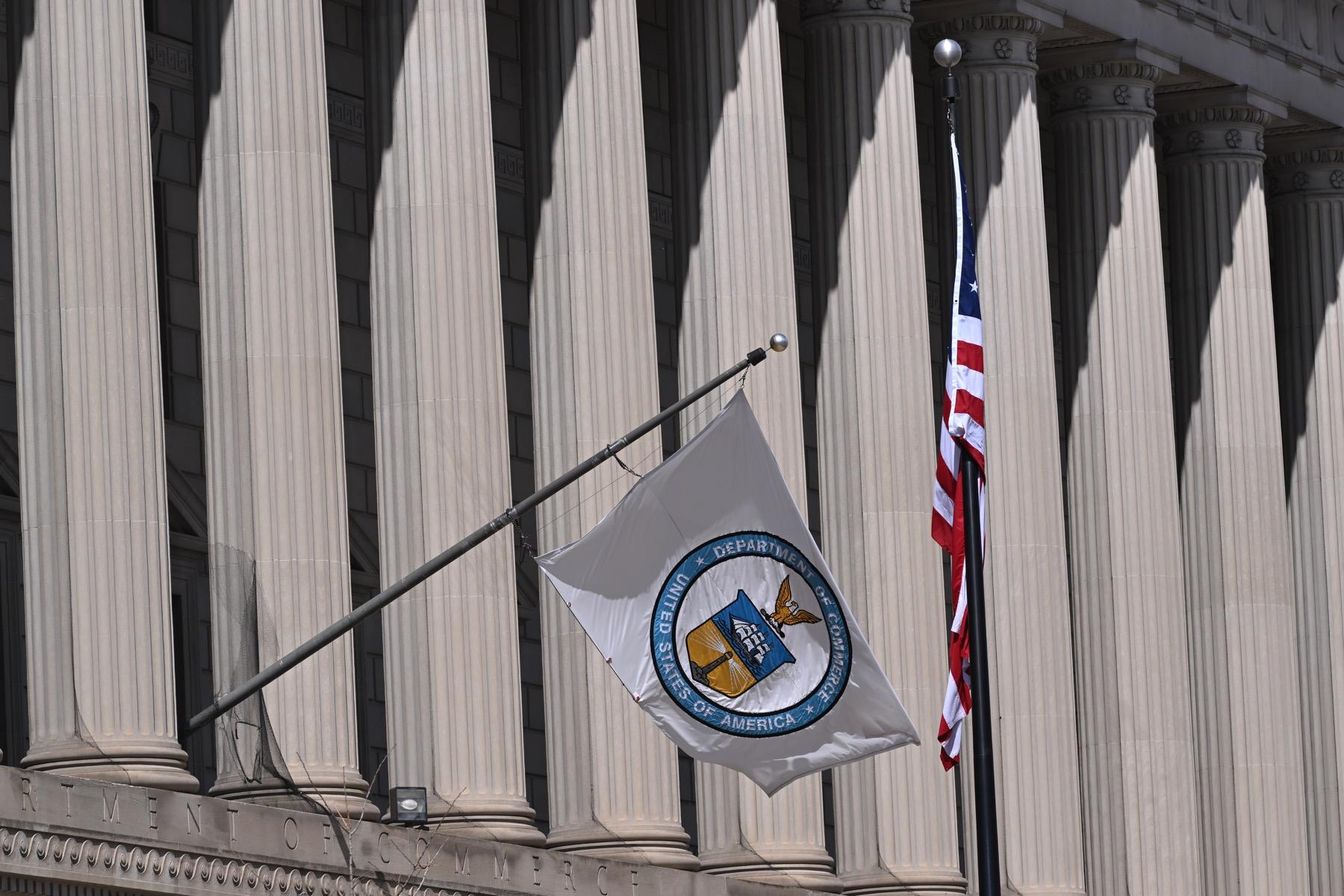
The two governments do not share equal votes on selection. The President of the United States picks investments recommended by an Investment Committee chaired by the U.S. Secretary of Commerce. Before that committee sends a project to the President, it is supposed to consult a Consultation Committee staffed by designees from both countries. That body feeds in strategic and legal points. It does not cast the final vote.
The Commerce Department’s U.S. Investment Accelerator then executes and documents the deals and works with the Japanese institutions that supply the money. On the Japanese schematic that accompanies the MoU, cash moves through JBIC equity and loans, plus private-bank loans insured by Nippon Export and Investment Insurance, Japan’s trade-insurance agency. Those funds go into Japanese investment vehicles, then into U.S. special-purpose vehicles that hold the projects.
Maeda’s complaint lands early in that chain. If Washington alone decides which files reach the Consultation Committee, Japan’s consultation starts after the shortlist already exists. Origination means helping write that shortlist.
Where financing decisions actually sit
A presidential selection is not the same as Japanese money leaving Tokyo. Under the MoU, the United States presents chosen investments to Japan for review. Japan is supposed to fund each amount no sooner than forty-five business days after it learns the President has selected the project. Japan can also elect not to fund. The memorandum spells out distribution consequences and possible tariff effects if Tokyo withholds money after that process.
JBIC’s own statute still applies. In June, Kazuhiko Amakawa, the bank’s governor, said JBIC cannot advance projects it judges to lack repayment certainty, and that the MoU assumes each side follows its domestic law. In July he told reporters that government-to-government talks already flag Japanese corporate interests, and that the parties had agreed to prioritize Japanese machinery as projects stand up. Take that as Amakawa’s account of the consultations. It is not a purchase order to any named vendor.
Progress also depends on which number you watch. Mitsubishi UFJ Research and Consulting, in a November 11 note, put seven published projects at a maximum combined scale of about $130 billion, roughly a quarter of the $550 billion headline. Contracted co-financing sat nearer $11 billion, about 2 percent of the commitment. Early draws are often only a slice of the eventual loan. A ministry notice that a plant is “in” the initiative is a selection and structuring event. The credit call and the drawdown schedule still run through JBIC, NEXI, and the private lenders.
What document shows a real chance to bid
For suppliers, three kinds of paper get mixed up.
The MoU’s vendor clause says that, where feasible and available, the Investment Committee should favor Japanese vendors over comparable foreign ones. That is preference language inside an administrative understanding. It names no plant, no package, and no bid date. The MoU also says it creates no third-party rights.
A finance ministry notice that a project sits under the initiative can go further and still fall short. Japan’s Ministry of Finance October 15 notice on the New York semiconductor project listed Japanese firms that had shown interest in tools, materials, or offtake, including Tokyo Electron, SCREEN Holdings, Tokyo Ohka Kogyo, and Renesas Electronics, plus smaller suppliers such as Fujikin. “Interest” is a roster of companies that want work. It is not an award, and it is not a tender.
A JBIC press release that a loan agreement has been signed, such as the August financing for a Texas gas-fired power project through Japan Invest 5 LLC, proves Japanese capital is lining up behind a special-purpose vehicle. It still does not tell a boiler maker or a cleanroom contractor when to price a package.
The paper that usually means you can bid is the invitation to tender, request for proposal, or request for quotation from the project company, the operator, the construction manager, or the engineering-procurement-construction contractor. Tool vendors may see that as a capital-equipment procurement package from the buyer named in that process. Until that arrives, treat government announcements as financing and political selection, not as a purchasing queue you have already joined.
What to watch before you staff a chase team
Watch for a written MoU revision that gives Japan a formal role in originating the pipeline Maeda wants. For each named project, watch for an operator or prime-contractor announcement that says who will run procurement. Then watch for the actual RFP or bid package on the trade or tool scope you sell.
Until those show up, treat the $550 billion figure as a capital-commitment ceiling tied to a tariff bargain, not as a shopping list open to every Japanese manufacturer. Washington still picks. Tokyo still decides whether to fund under Japanese credit rules. Your bid clock starts when the project’s buyers ask for prices.
Related stories
Indonesia Promised to Buy More U.S. Soy. How Much Actually Shipped?
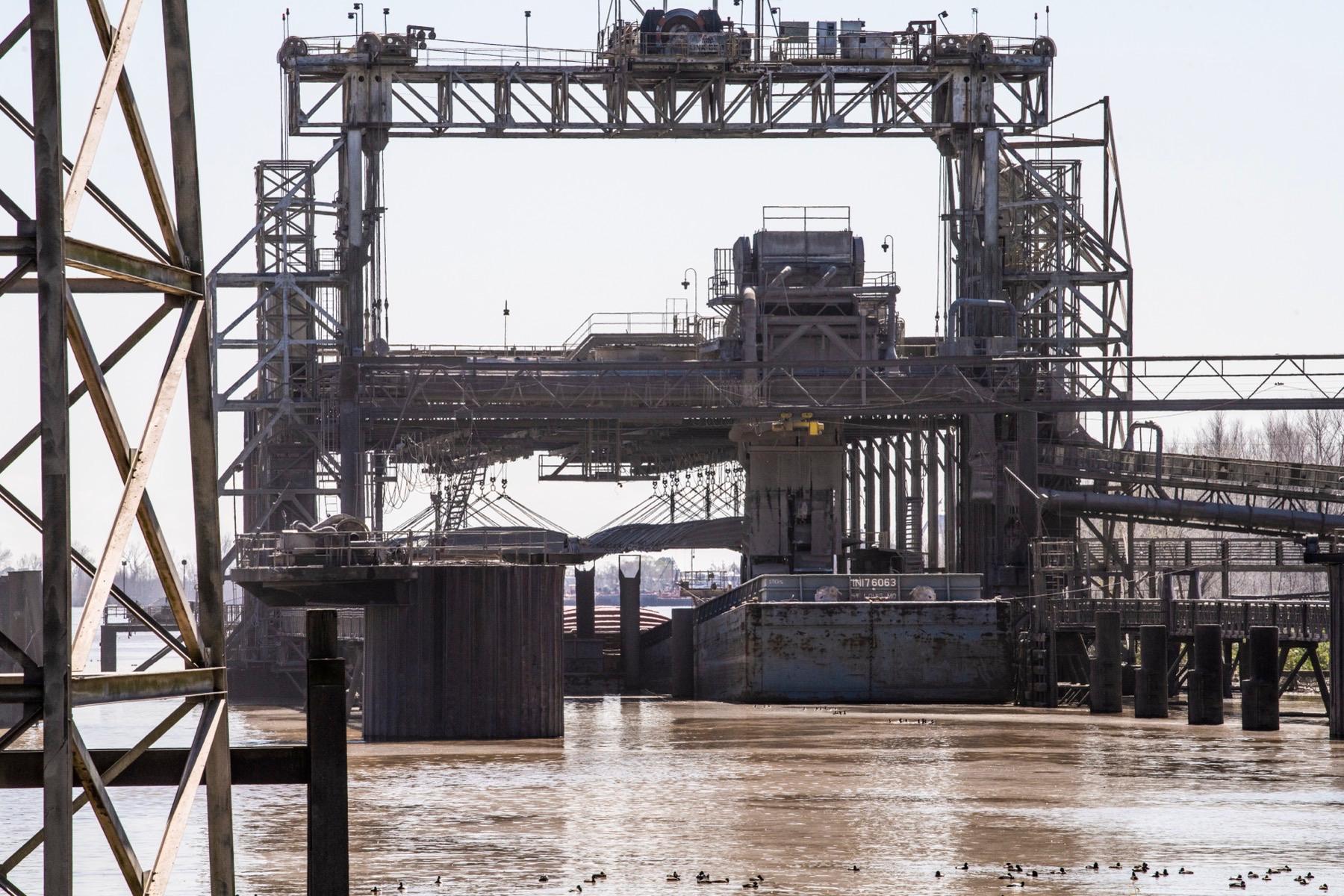
Through September, U.S. soybean shipments to Indonesia sat at 54% of the annual target. Wheat was under 25%, soymeal about 4%. Shipment tallies measure cargo that moved, not a volume promise at a signing ceremony.
7 min · Nov 20, 2026
Korean Money in America Just Got a New Watch List
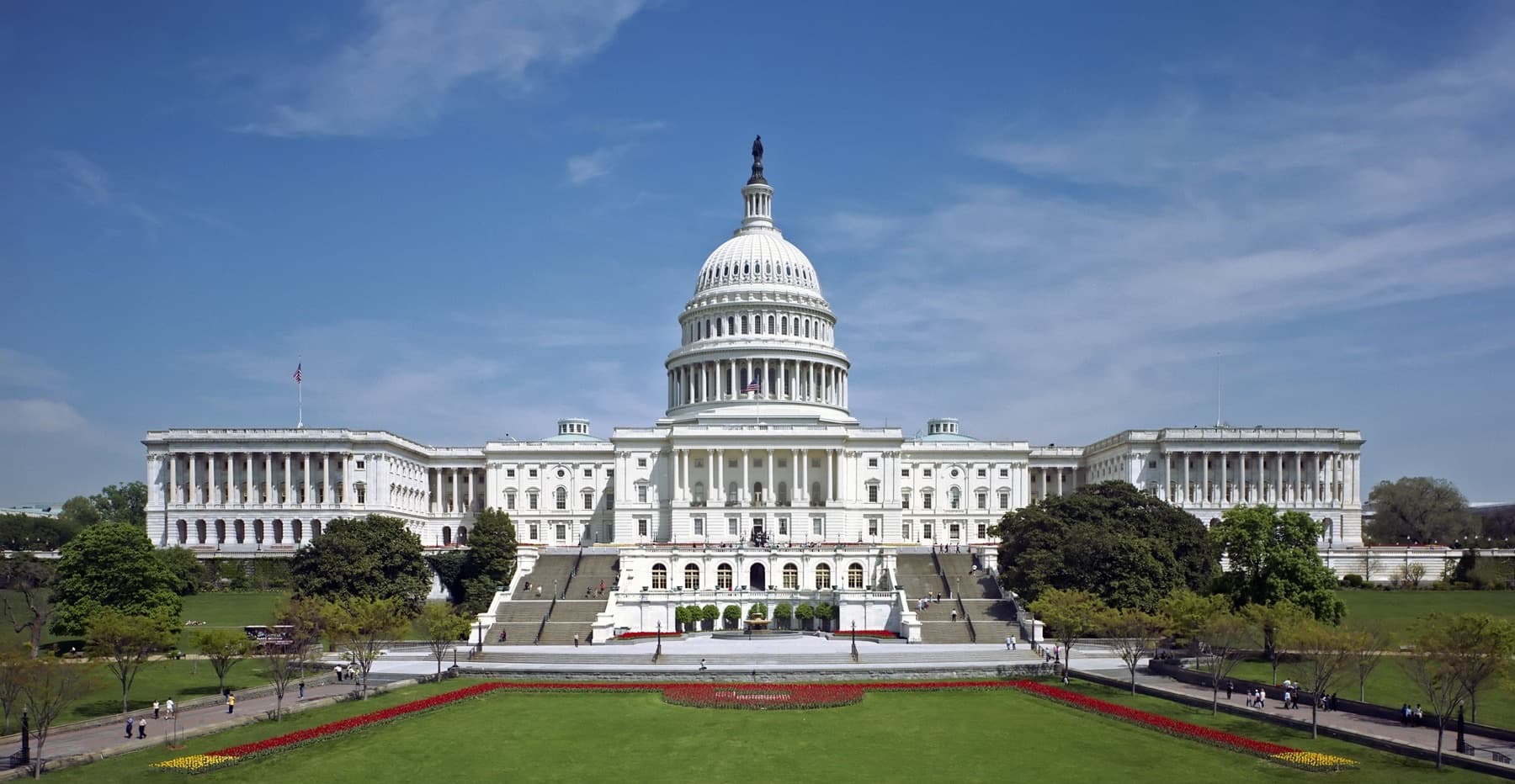
Midterm control of Congress does not erase Korea’s U.S. factories. It changes which extensions, credits, and shipyard rules executives have to track next.
7 min · Nov 5, 2026
Foxconn Is Buying Sony’s Automotive Camera Business. Follow the Factory and the Customer Contracts.
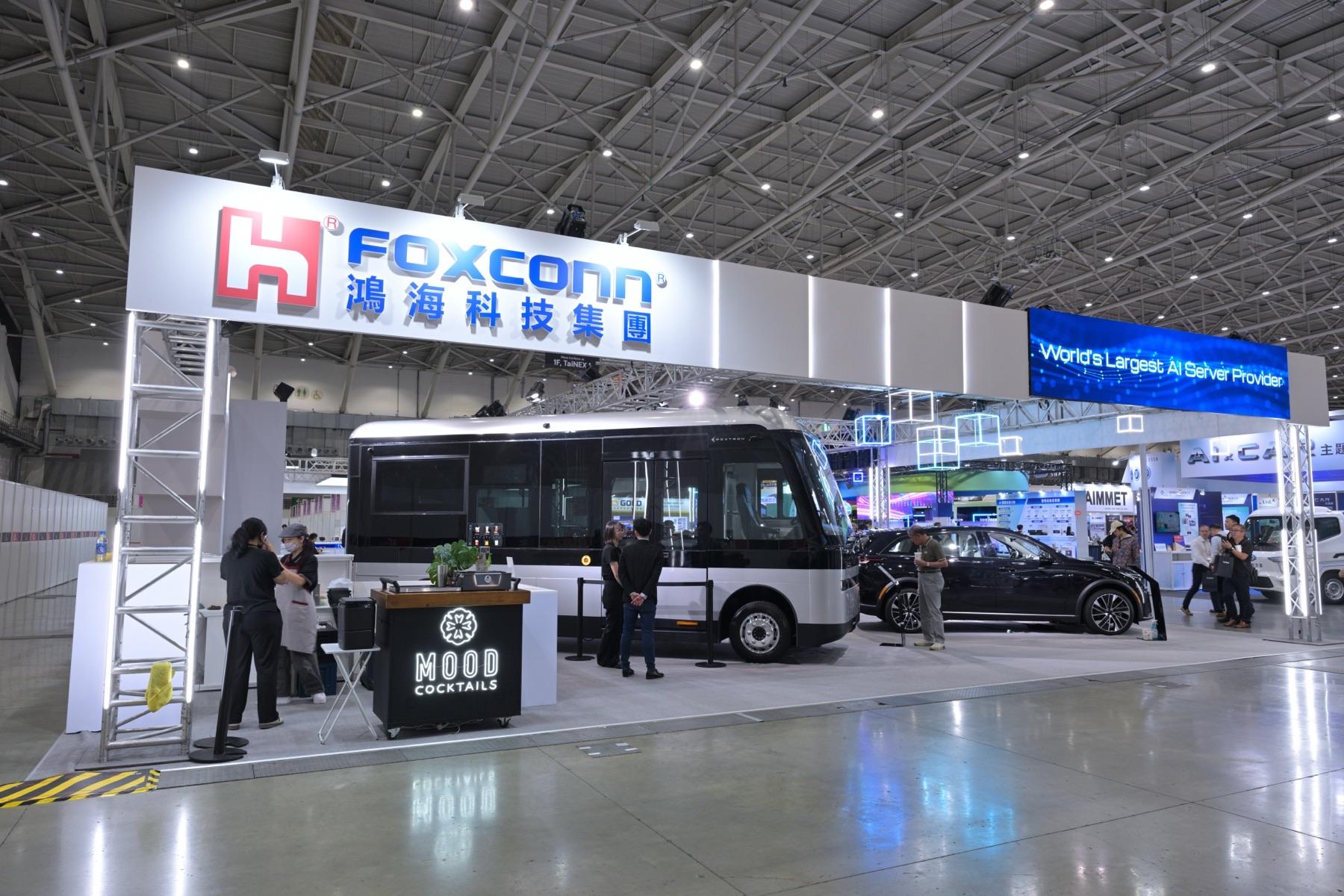
Foxconn signed to buy Sony’s automotive camera-module business. The sensor company stays separate. Watch overseas factory assets still under discussion, OEM contracts moving with the unit, and regulatory close by April 2027.
6 min · Nov 18, 2026
The U.S. Chip Curbs Reach Southeast Asia. What Does a Malaysian Data-Centre Project Have to Recheck?
From Nov. 19, advanced U.S. chips into Malaysia need a license unless a U.S.-headquartered buyer meets reporting rules. Separate controls hit data centres that give significant compute to China-linked tenants. Check both on the same order.
7 min · Nov 17, 2026