
How Asian Travelers Read a Tasting Menu Differently
Texture, seafood, rice, broth, and fusion fatigue.

Seafood comfort
Diaspora palates vary sharply on raw fish, shellfish, and fermentation. A Cantonese grandmother’s steamed fish is not the same comfort as a twelve-course ocean tasting menu with uni, oyster, and kelp butter arriving back-to-back before your stomach has language for the sequence.
Know your line before booking ocean-heavy rooms in Copenhagen, San Sebastián, or Sydney. Ask in advance; serious kitchens adapt without shaming guests or treating restraint as ignorance.
Texture memory matters: jellyfish crunch, fermented shrimp paste, raw scallop sweetness, dried anchovy depth.
Your body remembers what your camera does not. Booking blind because the room has stars is how travelers confuse prestige with pleasure, and leave hungry for rice.
Rice and broth
Many Western tasting menus assume bread logic, courses without starch can feel incomplete to palates trained on rice bowls, congee, and soup at nearly every meal. That is appetite architecture, not failure or unsophistication.
Some travelers book a ramen or congee night after formal dining and enjoy both registers more honestly. The second meal is not compensation; it is completion.
Ask whether bread service can be skipped without theater from the server.
Broth-based amuse-bouches often land better than butter-heavy openings for East and Southeast Asian eaters. If the menu is meat-heavy and starch-free, plan accordingly instead of pretending you will transform on vacation.
Fusion fatigue
Fusion fatigue hits when every course explains itself with truffle oil, yuzu foam, and "Asian twist" marketing that quotes culture without grammar. Diaspora travelers often spot lazy garnish instantly: one dot of sriracha, random sesame, coriander used as costume instead of ingredient.
Seek kitchens with clear lineage: French technique in Paris, kaiseki in Tokyo, Nikkei history in Lima, Peranakan depth in Singapore. Integration beats quotation.
If the menu narrates your identity back to you with novelty adjectives, skepticism is warranted.
A good room lets you taste the chef’s training without asking you to applaud your own diaspora as garnish. When the menu feels like costume, trust that instinct and book the neighborhood canteen without apology.
Service read
Formal service reads differently in Paris, Tokyo, and New York. Silence can mean respect, not coldness.
Pacing that feels slow to Americans may feel attentive in Japan, where rushing courses can read as disrespect to the kitchen.
Watch whether staff educate or condescend. Good rooms explain ingredients without quizzing you on pronunciation. Bad rooms perform expertise at your expense and call it hospitality.
Ask for slower service if courses arrive faster than your stomach can narrate. That request is professionalism, not embarrassment, and it separates rooms that want your comfort from rooms that want your awe.
Watch whether wine pairings arrive as lecture or invitation.
Best cities
Tokyo, Paris, Singapore, Lima, and Los Angeles each host serious rooms that reward Asian travelers who read menus as craft, not as status tests. Tokyo offers precision without explanation burden.
Paris offers technique plus diaspora chef ambition in the 13th arrondissement and beyond.
Singapore integrates hawker literacy into fine dining without costume. Lima treats Nikkei as history written in migration and produce, not as trend cycle.
Los Angeles competes because diaspora density raises standards in San Gabriel Valley and downtown alike.
Pick the city whose food grammar you already half-speak. Fluency lowers anxiety; anxiety ruins digestion. Hong Kong and Seoul belong on the same list for travelers who want starch logic respected at every price point.
Related stories
The Case for Planning a Trip Around One Reservation
One hard-to-get table can organize an entire itinerary with purpose.
3 min · Apr 5, 2026
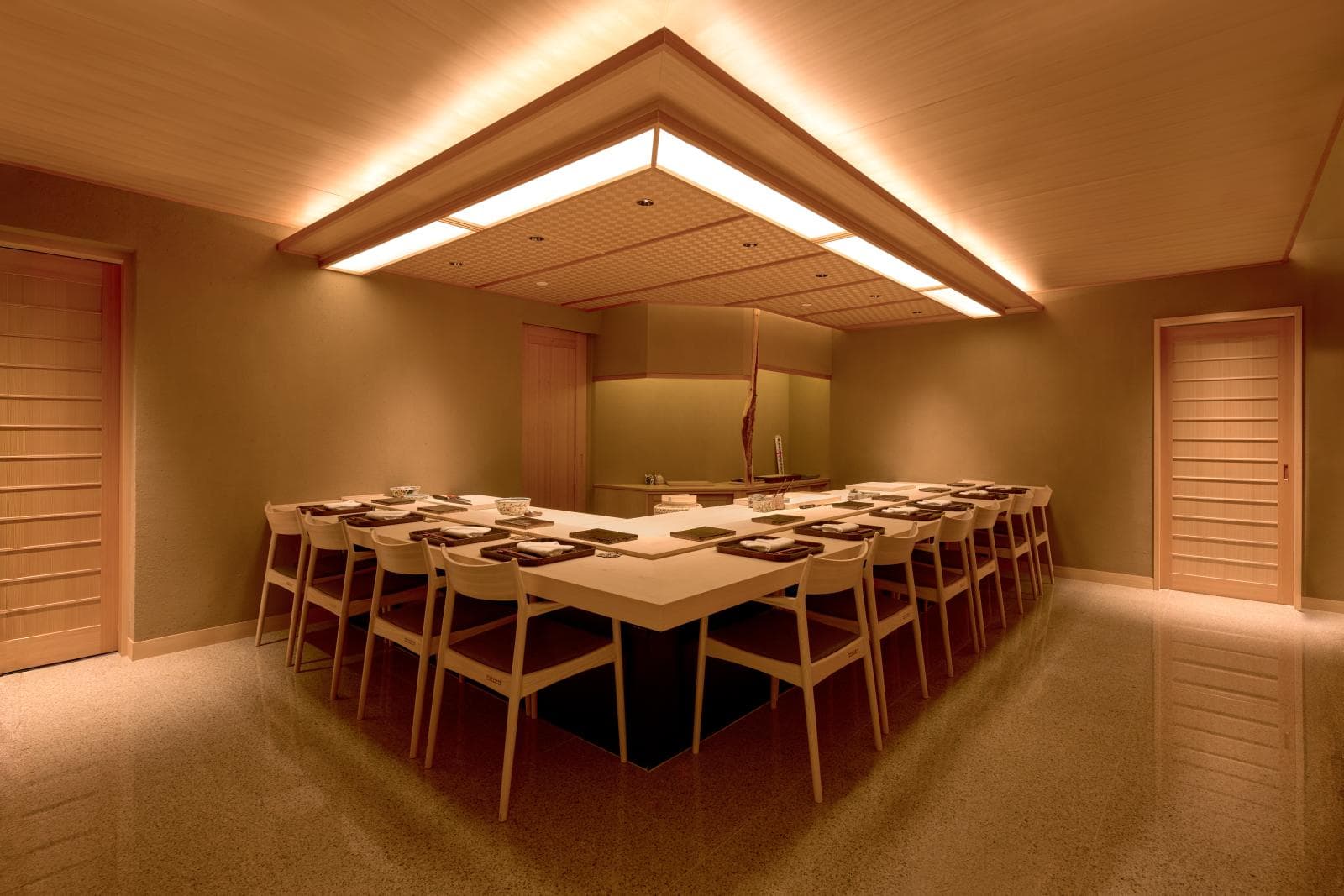
Sushi Ryujiro Returns to Singapore, Inside The Capitol Kempinski
A Tokyo one-star Edomae counter’s second Singapore chapter: ten hinoki seats, SevenRooms booking, and a clear warning not to confuse it with Shaw Centre’s Sushi Ryujin.
3 min · Jul 22, 2026
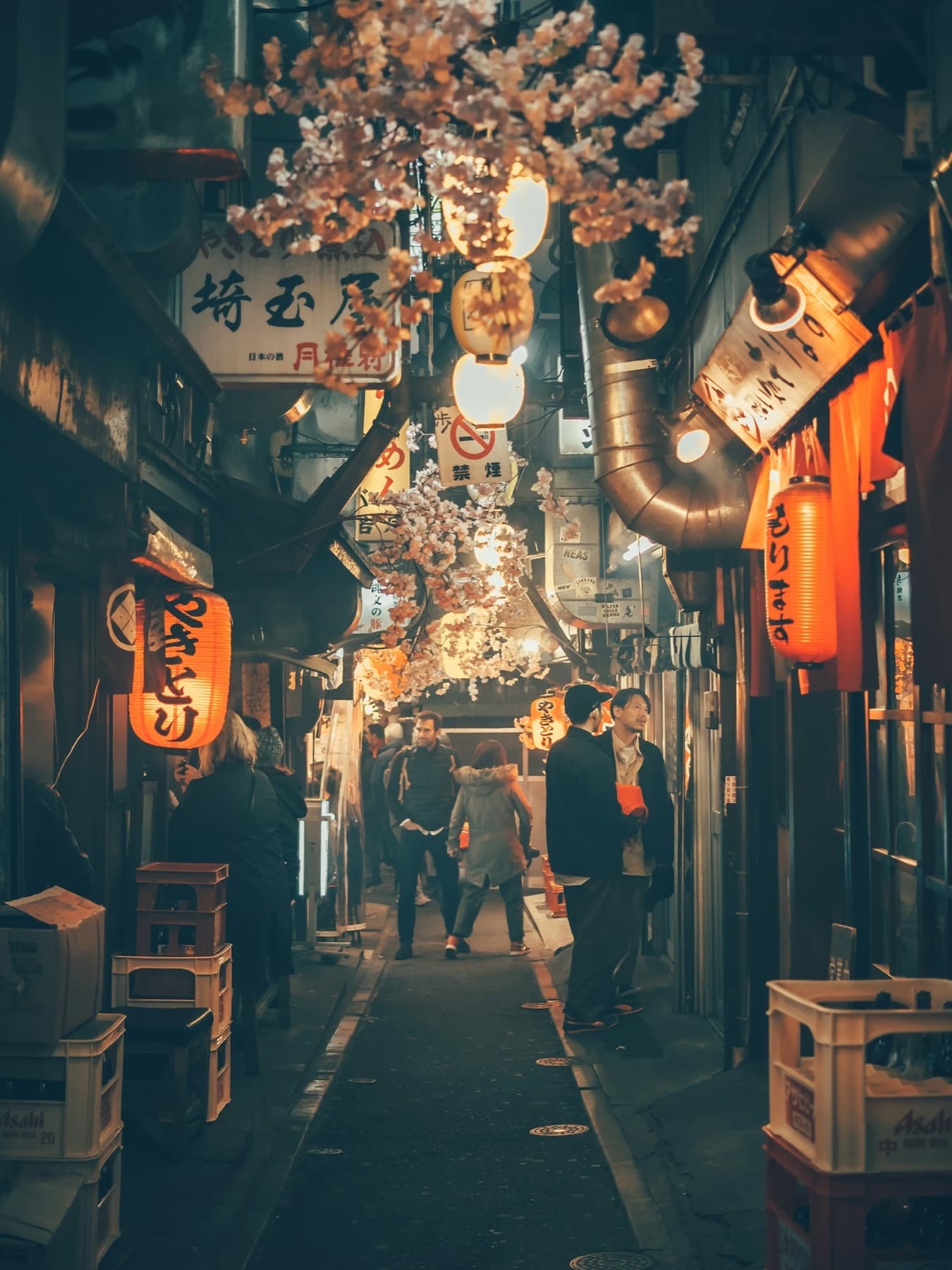
Tokyo Is Not a Beginner City, and That Is the Point
Tokyo punishes checklist tourism and rewards travelers who can tolerate not seeing everything.
8 min · Jun 1, 2026

The Top 5 Airports in Asia for 7+ Hour Layovers
Seven hours at the wrong airport is misery. At the right one, it can be a shower, a meal, and a reason to reroute next time.
5 min · Jul 4, 2026